1.Philosophy as the Art of Wonder
Solomon and Higgins frame philosophy not as a dry academic pursuit but as an ongoing adventure in questioning and wonder. They emphasize that philosophy arises from our innate curiosity about existence, meaning, and values. By highlighting the dramatic, sometimes passionate nature of philosophical inquiry, the authors encourage readers to see philosophy as a living tradition that engages with the deepest aspects of human experience.
2.Historical Context Shapes Ideas
The book insists that philosophical ideas cannot be separated from the times and cultures that produced them. Solomon and Higgins show how revolutions in science, politics, and society—from the Enlightenment to the traumas of the twentieth century—have spurred new philosophical movements and responses. This contextual approach helps readers appreciate philosophy as both a product and a critic of its era.
3.The Evolution of Core Questions
Rather than presenting philosophy as a linear march of progress, the authors reveal how core questions—about reality, knowledge, ethics, and meaning—are revisited and reinterpreted across centuries. They demonstrate how debates about reason versus faith, freedom versus determinism, and the nature of the self recur in new forms, inviting readers to see themselves as participants in these ongoing conversations.
4.Diversity and Complexity in Philosophical Traditions
Solomon and Higgins resist the temptation to present philosophy as a monolithic tradition. Instead, they highlight the diversity of voices, including the rise of existentialism, feminism, and multiculturalism. By doing so, they challenge readers to recognize the richness and sometimes contentious plurality of philosophical perspectives, especially in the modern era.
5.Philosophy’s Relevance to Modern Life
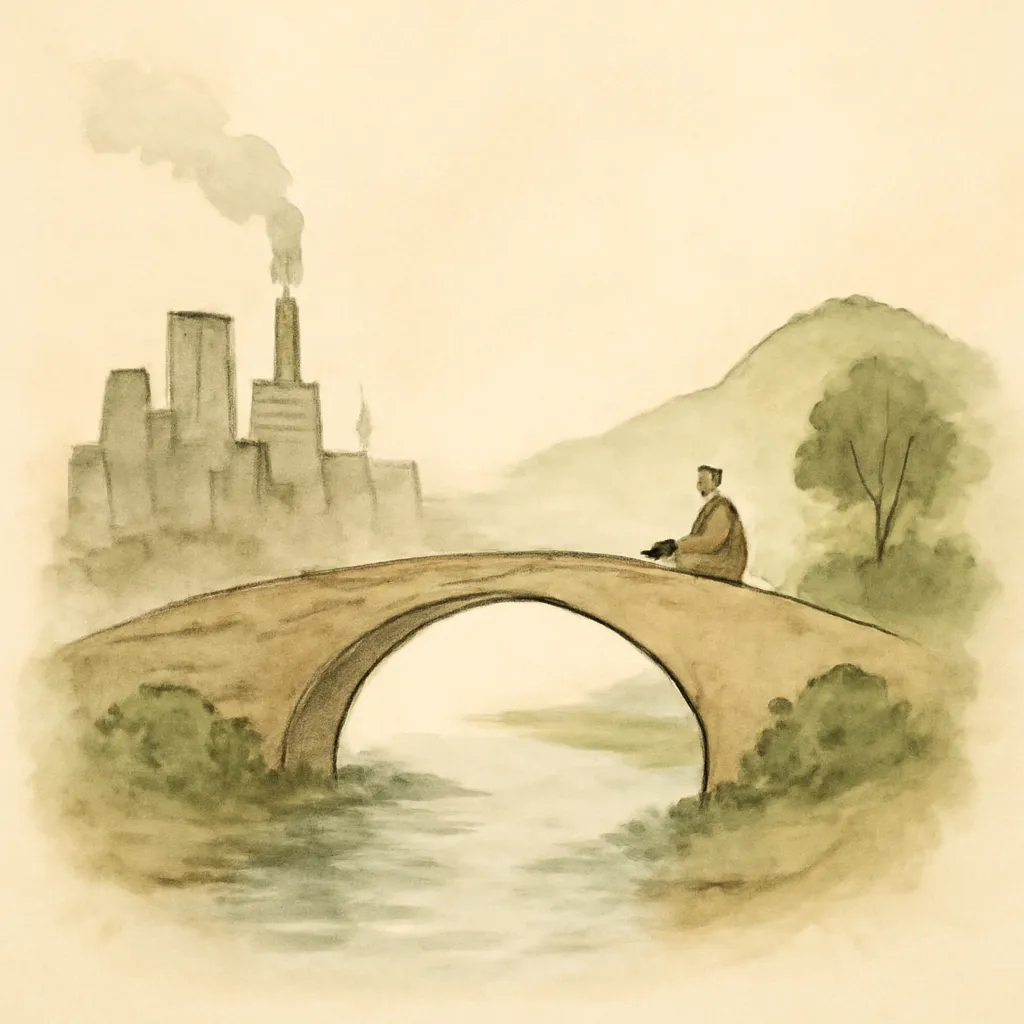
A central message of the book is that philosophy is not just about abstract speculation but has real-world implications. The authors draw clear connections between philosophical ideas and contemporary issues—such as science, industry, war, and identity—showing how philosophical thinking can illuminate and challenge our assumptions about the world we live in.
6.Accessible Storytelling and Critical Engagement
The authors’ witty, clear style makes complex ideas approachable without oversimplifying them. They don’t just recount history; they offer their own interpretations and invite readers to critically engage with the material. This approach encourages active reading and reflection, making the book suitable for both newcomers and those looking to deepen their understanding.