1.The Absurdity of Amateur Adventure
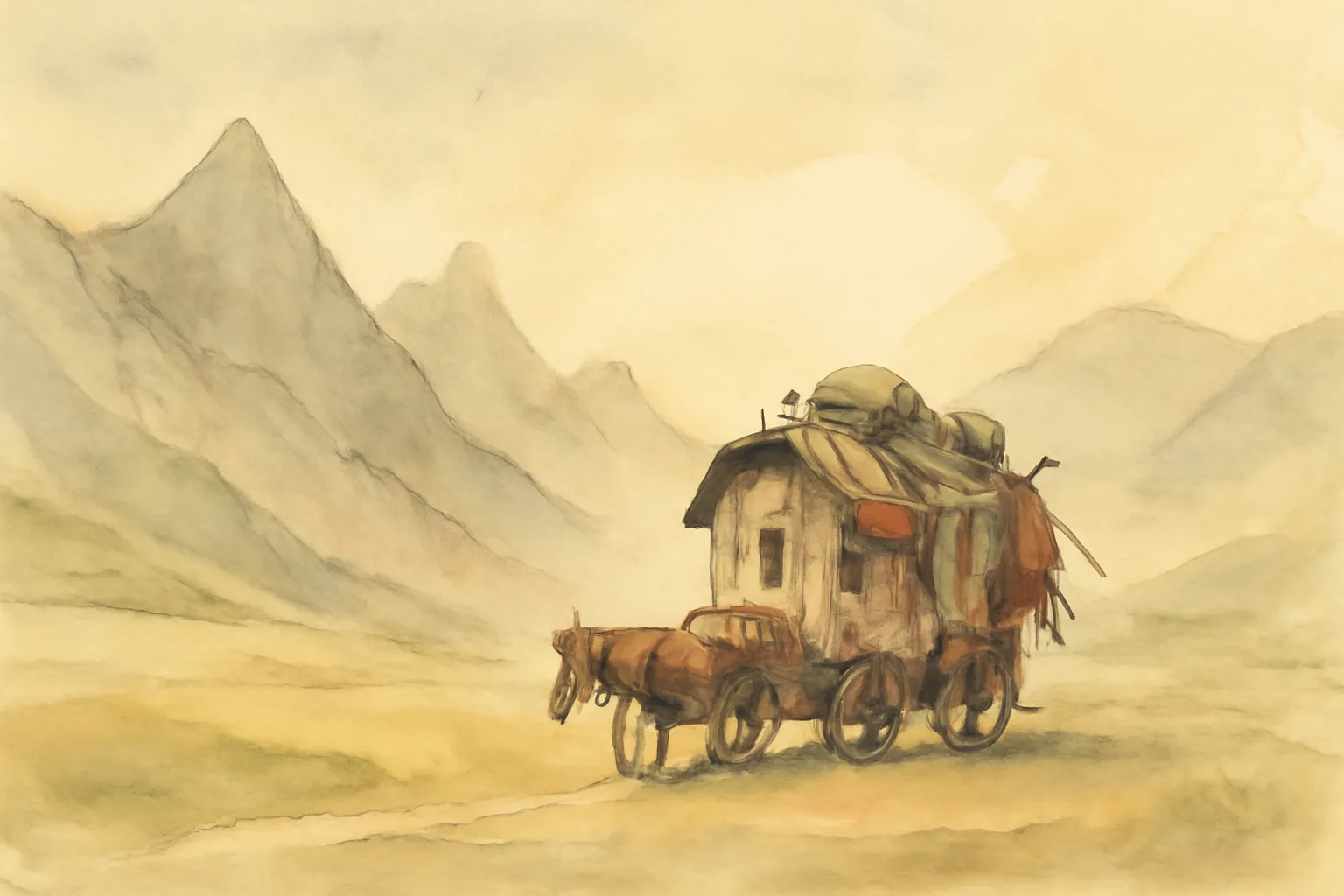
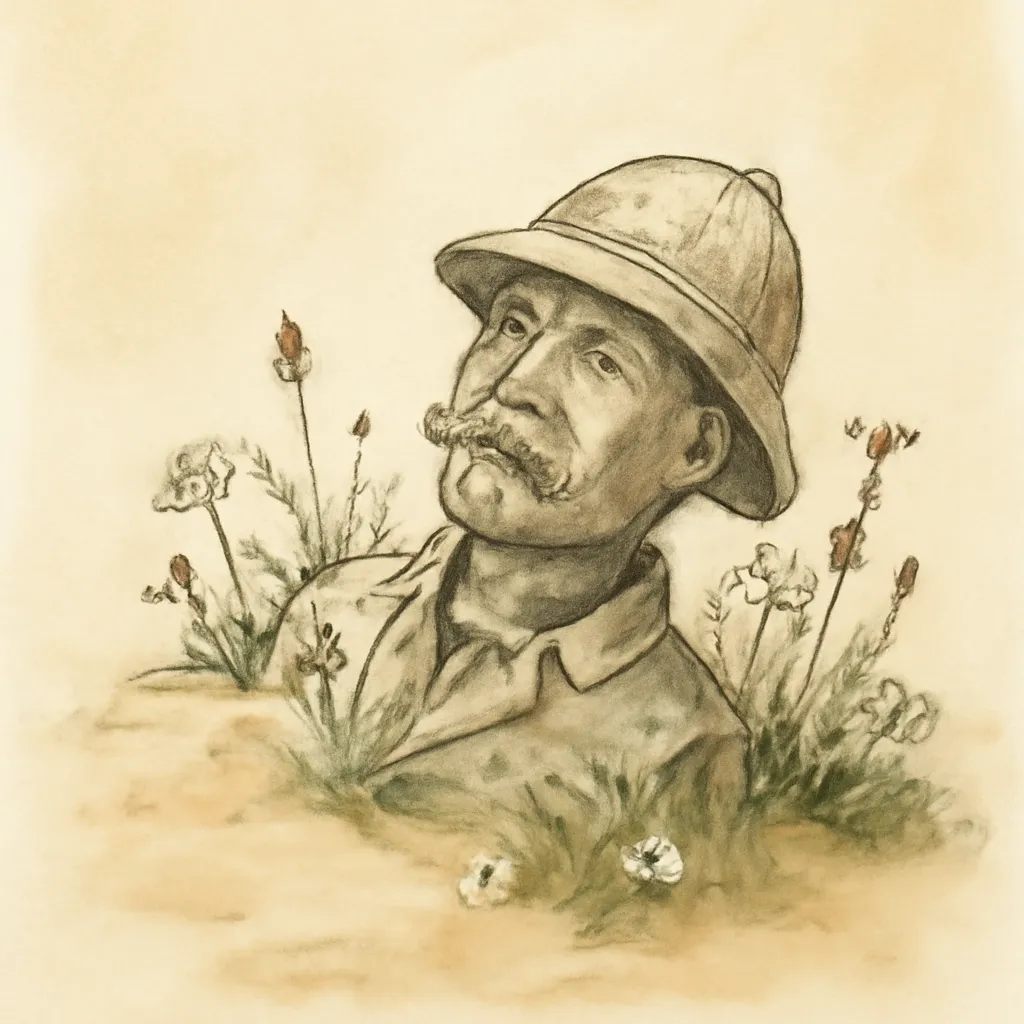
Newby’s journey is marked by a lack of experience, preparation, and even basic mountaineering skills. Rather than presenting himself as a heroic explorer, he highlights the comic mishaps and blunders that arise from plunging into the unknown. This humility makes the narrative relatable and underscores the idea that adventure is accessible to ordinary people, not just seasoned professionals.
2.Cultural Encounters and Misunderstandings
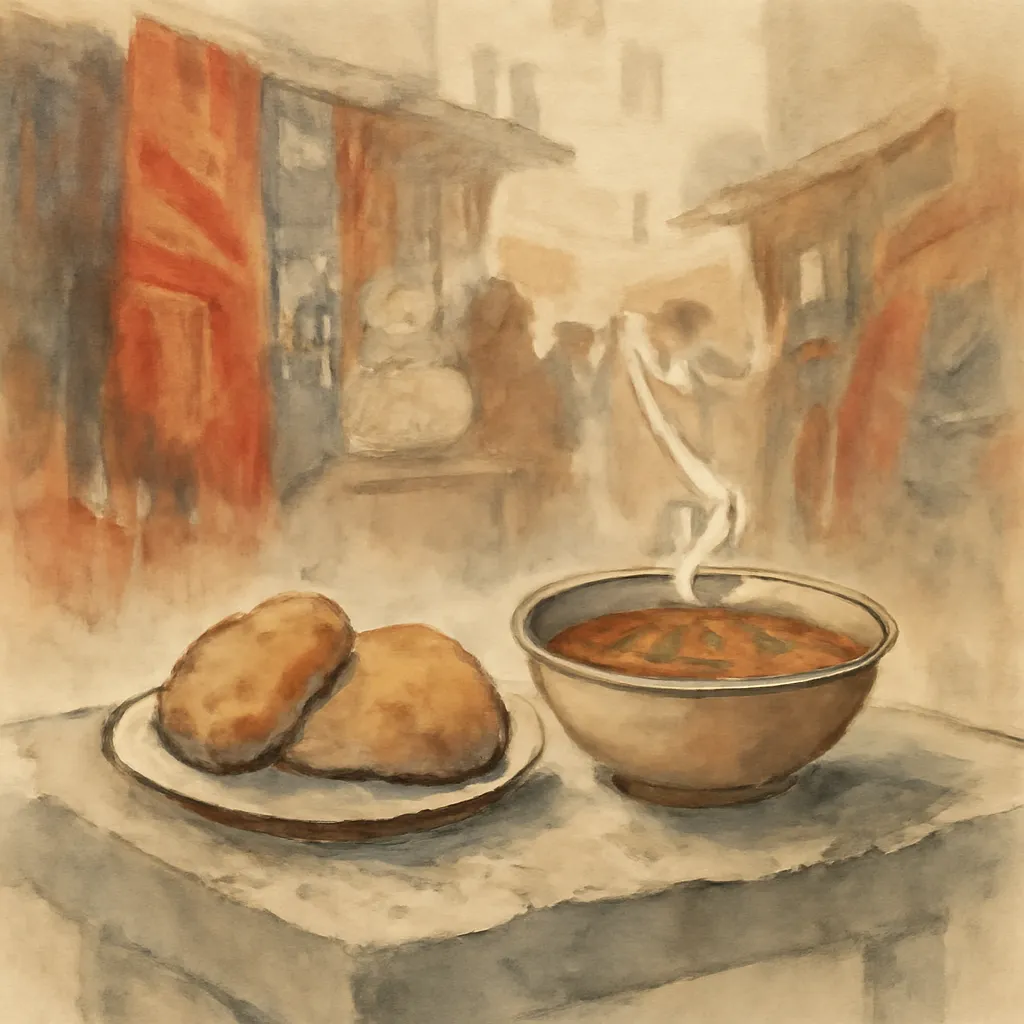
The book is rich with moments of cultural friction and fascination as Newby and his companion, Hugh Carless, interact with Afghan locals. Their attempts at communication, negotiation, and hospitality reveal both the challenges and rewards of cross-cultural engagement. Newby’s respectful curiosity and willingness to learn stand out, even as he pokes fun at his own Britishness.
3.The Beauty and Harshness of the Hindu Kush
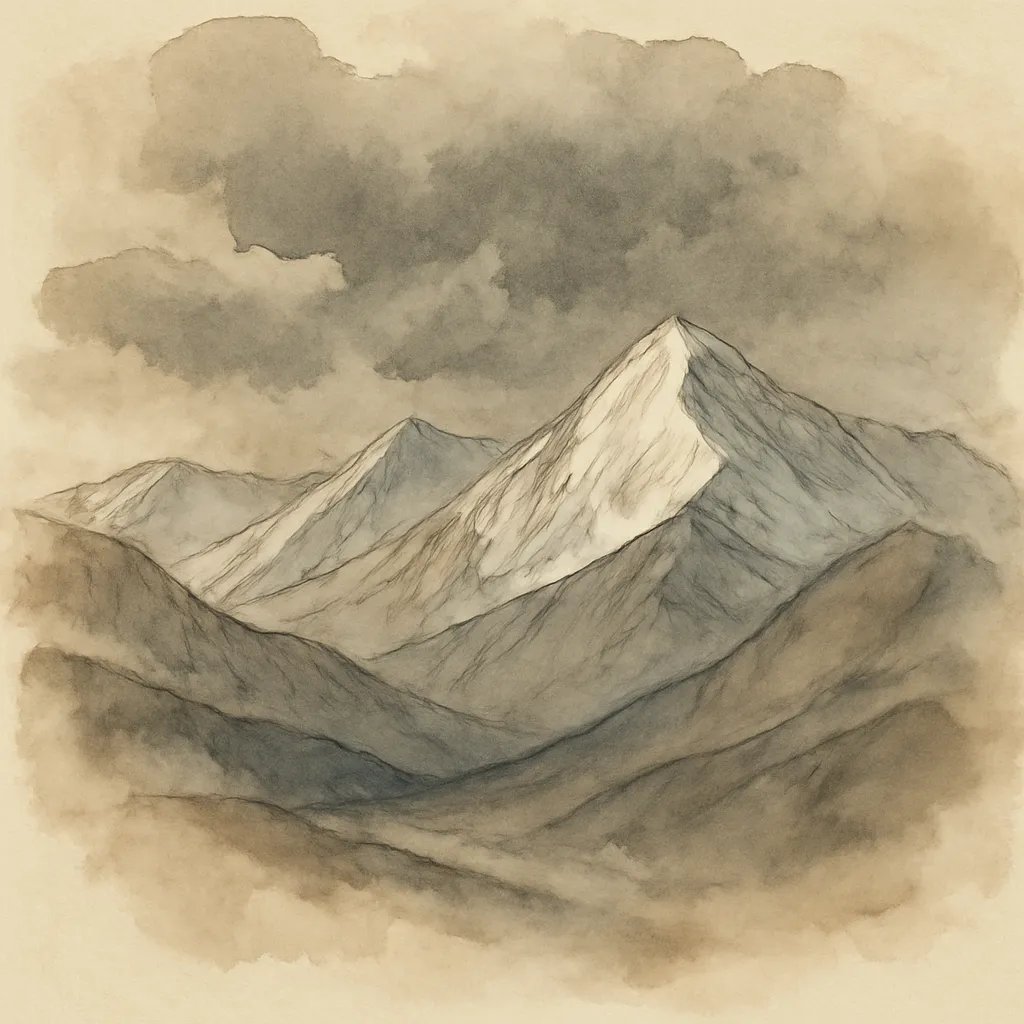
Newby’s vivid descriptions bring the remote, rugged landscapes of the Hindu Kush to life. The mountains are both breathtakingly beautiful and perilous, serving as a backdrop that tests the travelers’ endurance and adaptability. Nature is portrayed as indifferent and awe-inspiring, shaping the journey’s physical and emotional contours.
4.Satire of the British Adventurer Archetype
The book gently mocks the tradition of British exploration, with its stiff upper lip and misplaced confidence. Newby’s tone is irreverent, exposing the gap between romanticized adventure and messy reality. This satirical edge invites readers to question the motives and myths behind travel and exploration.
5.Resilience Through Humor
Humor is Newby’s chief survival tool. Faced with discomfort, danger, and failure, he uses wit to cope and connect with both his companion and the reader. This approach not only entertains but also demonstrates how laughter can sustain us through adversity.
6.A Snapshot of a Lost World
Published in 1961, the book captures Afghanistan before decades of conflict transformed the region. Newby’s observations provide a valuable historical record of landscapes, peoples, and ways of life that have since changed dramatically, making the book a poignant time capsule.