1.The Unraveling and Weaving of Family Stories
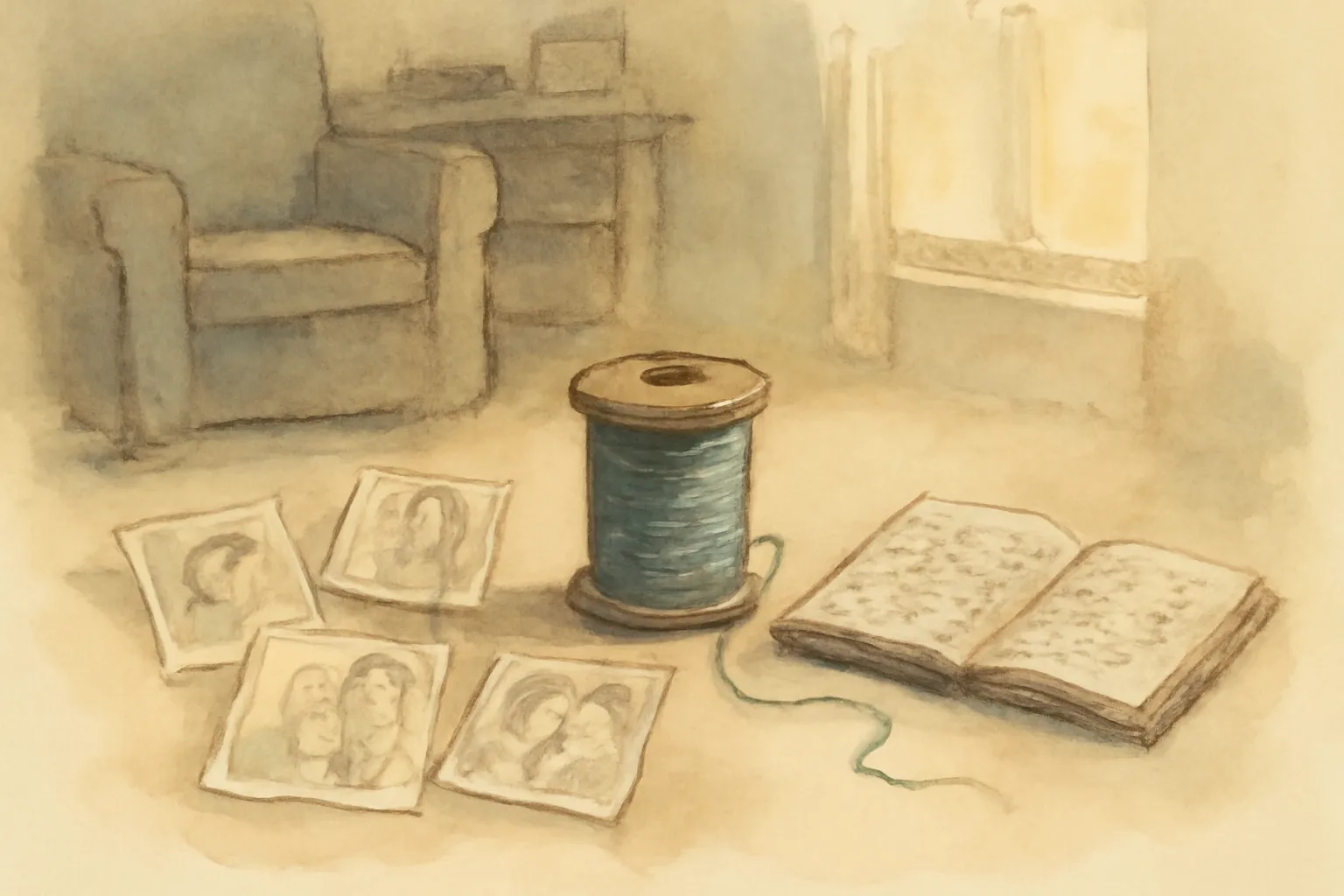
Tyler uses the metaphor of a spool of blue thread to explore how family narratives are constructed, unraveled, and rewoven over time. The Garretts’ story isn’t told in a straight line; instead, it loops back and forth, revealing how memories—both cherished and painful—are stitched into the fabric of family identity. The book asks readers to consider how much of our family history is truth, how much is myth, and how both shape our sense of belonging.
2.The Weight of Unspoken Expectations
Throughout the novel, the Garrett family members grapple with the invisible expectations they hold for one another. Whether it’s Mercy’s quiet yearning for independence, Red’s steadfastness, or the siblings’ rivalry and resentment, Tyler shows how much goes unsaid in families—and how these silences can be both protective and destructive. The characters’ inability to articulate their needs often leads to misunderstandings that echo across generations.
3.Home as a Living Character
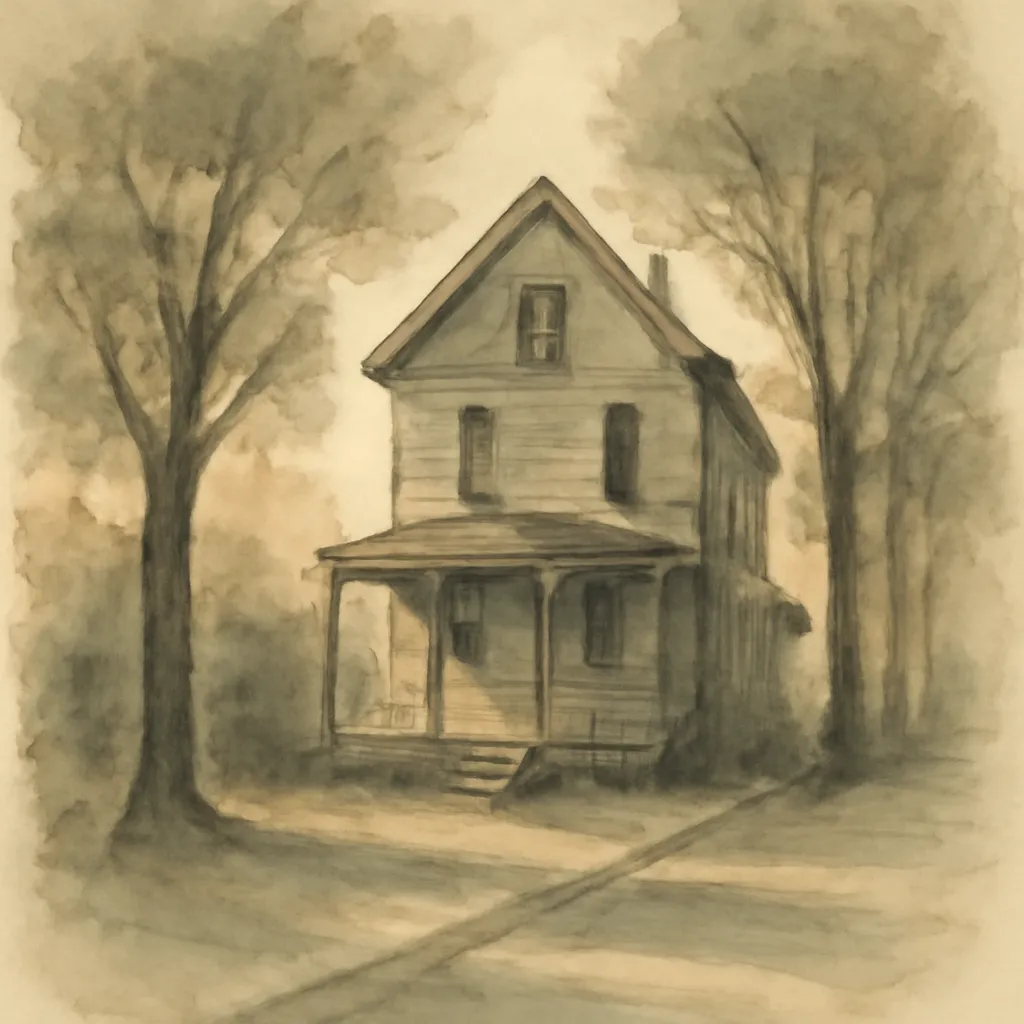
The Garretts’ Baltimore house is more than a setting; it’s a living presence, symbolizing both comfort and confinement. Tyler explores how physical spaces hold emotional weight, with the house embodying the family’s history, secrets, and aspirations. As the family ages and changes, the house becomes a touchstone for memory and a battleground for change, highlighting the tension between holding on and letting go.
4.The Elusiveness of Resolution
Unlike many family sagas, Tyler resists neat resolutions. Conflicts simmer, secrets remain partially hidden, and forgiveness is partial and ongoing. The novel suggests that family life is a continual negotiation rather than a series of problems to be solved. This realism gives the book its emotional resonance, inviting readers to reflect on their own families’ unresolved stories.
5.The Power and Fragility of Everyday Love
Tyler excels at depicting the small gestures and daily routines through which love is expressed and tested. The Garretts’ affection is often indirect—found in shared chores, quiet companionship, or the way they orbit around one another. The novel honors the endurance of these ordinary acts, even as it acknowledges how easily they can be taken for granted or misunderstood.
6.Generational Echoes and Change
By spanning several generations, the novel shows how patterns—of communication, resentment, and care—are passed down and sometimes broken. Each generation of Garretts must navigate the legacy of those before them, deciding what to carry forward and what to leave behind. Tyler suggests that while family shapes us, there is always room for individual agency and reinvention.