1.Unpredictable Power Shifts
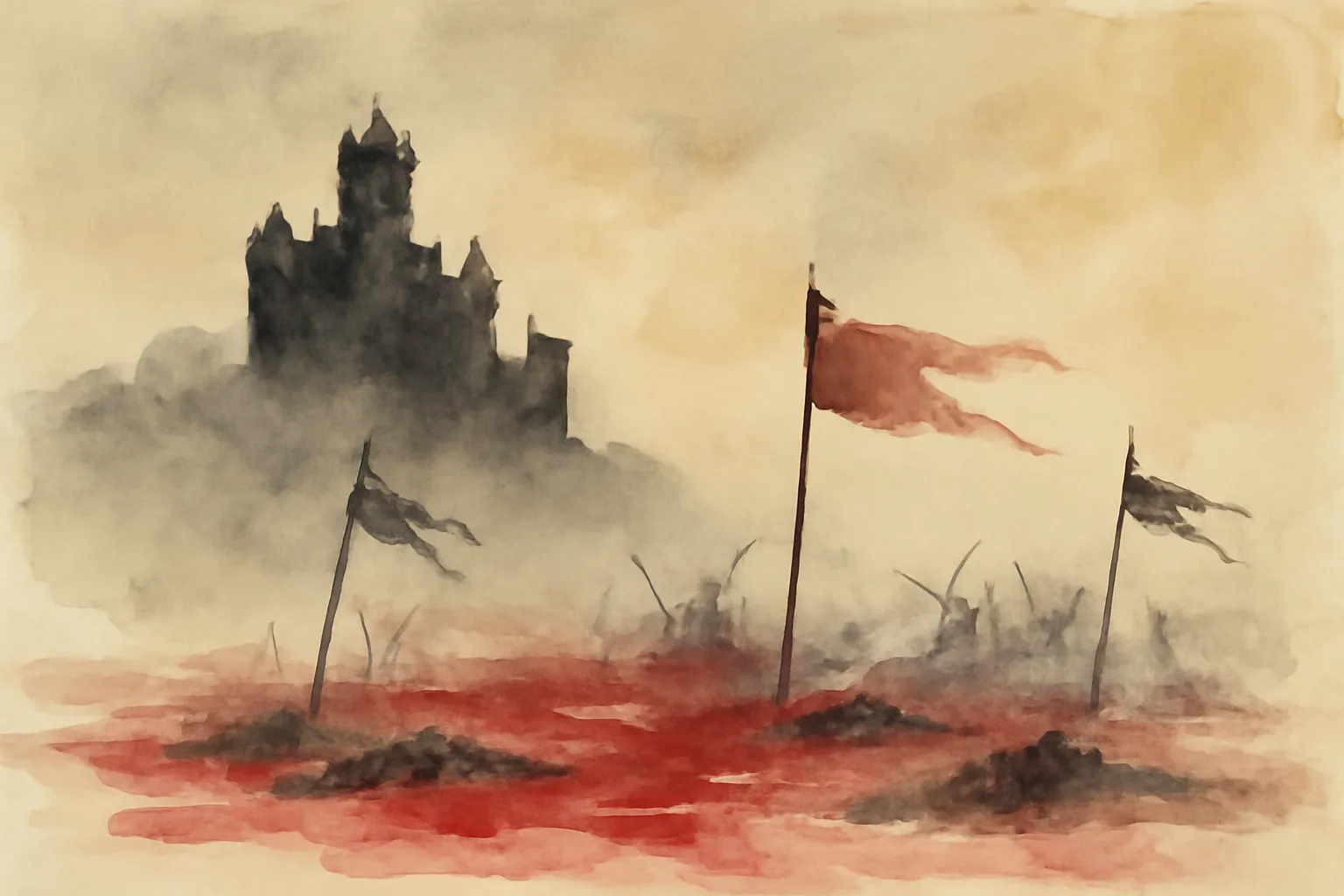
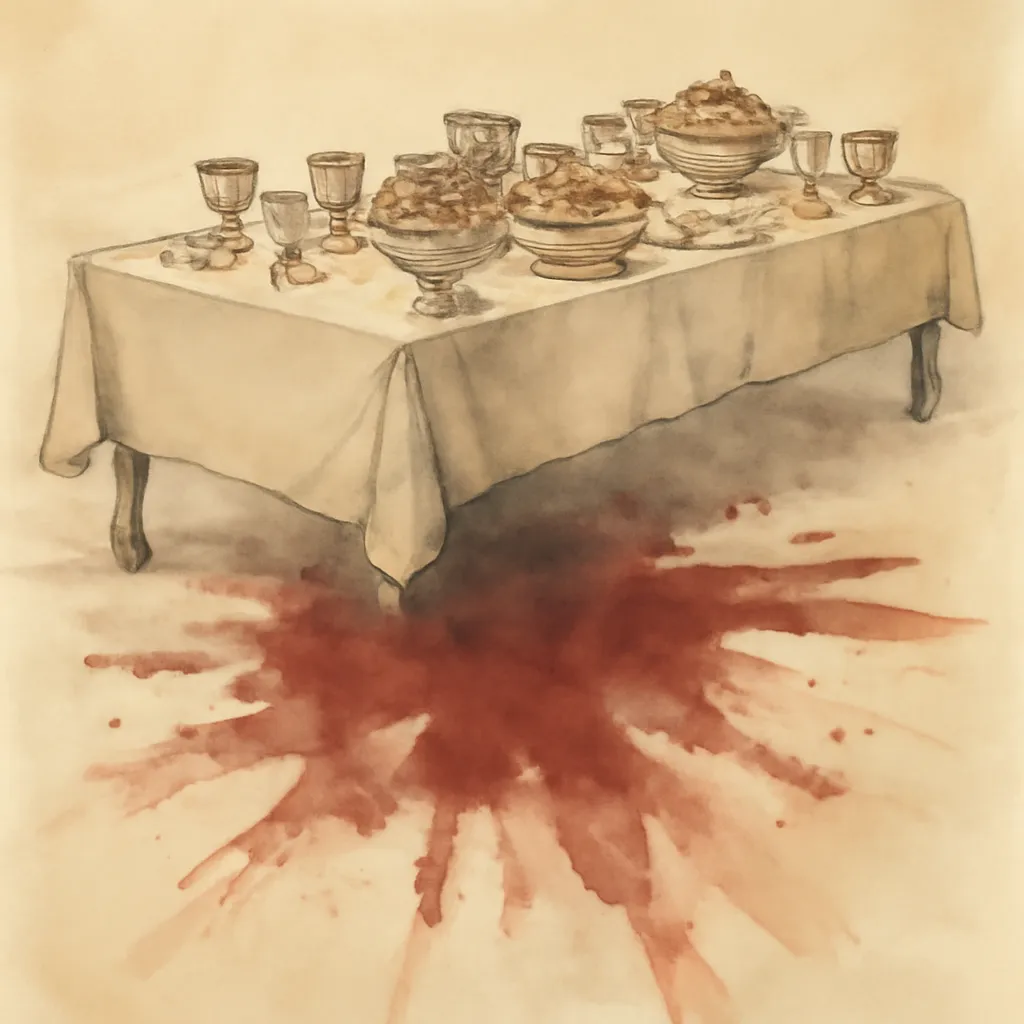
A Storm of Swords is renowned for its seismic reversals of fortune. Alliances crumble, trusted characters fall, and the narrative refuses to offer the comfort of predictability. Martin uses these power shifts to challenge reader expectations and underscore the volatility of ambition and war. The infamous Red Wedding exemplifies this, shattering the illusion that any character is safe, and reinforcing the book’s theme that power is fleeting and hard-won victories can vanish in an instant.
2.Moral Ambiguity and Complex Characters
Martin’s characters are defined by their contradictions. Heroes commit atrocities, villains reveal vulnerability, and motivations are layered and often conflicting. Jaime Lannister’s evolving arc, for instance, forces readers to reevaluate their judgments. This moral ambiguity invites readers to grapple with empathy and condemnation, making the world of Westeros feel both real and unsettlingly familiar.
3.The Cost of Honor and Betrayal
Honor, loyalty, and betrayal are recurring motifs, with characters like Robb Stark and Jon Snow facing impossible choices between personal codes and harsh realities. The narrative repeatedly asks: what is the price of honor in a world that rewards cunning and ruthlessness? The consequences of betrayal—both personal and political—drive much of the plot and leave lasting scars on the survivors.
4.The Role of Fate and Prophecy
Prophecies, dreams, and omens weave through the story, shaping the choices and fears of key players. Yet, Martin subverts traditional fantasy tropes by making fate ambiguous and unreliable. Characters misinterpret signs, and the outcomes of prophecy are often ironic or tragic. This uncertainty deepens the sense of foreboding and highlights the limits of human agency.
5.The Expanding Threat Beyond Westeros
While the struggle for the Iron Throne dominates, Martin broadens the scope to looming dangers from beyond the Wall and across the Narrow Sea. The Others (White Walkers) and Daenerys Targaryen’s growing power remind readers that the petty squabbles of nobles pale before existential threats. This dual focus raises the stakes and sets up future conflicts that transcend individual ambitions.
6.The Brutality and Beauty of Martin’s World
Martin’s writing immerses readers in a world that is as harsh as it is mesmerizing. Vivid descriptions of feasts, battles, and landscapes contrast with the brutality of violence and betrayal. This juxtaposition enhances the emotional impact of the narrative, making moments of hope and humanity stand out amid the darkness.