1.Food as Pleasure, Not Guilt
Lawson passionately argues that food should be a source of joy, not shame. She challenges the notion of the 'guilty pleasure,' advocating instead for guilt-free enjoyment and mindful indulgence. By reframing eating as an act of self-care and celebration, she encourages readers to embrace their appetites and savor the experience of cooking and eating without self-reproach.
2.The Narrative of Recipes
For Lawson, recipes are more than instructions—they are stories, memories, and connections. She explores the idea that every dish carries personal and cultural meaning, and that the act of sharing recipes is an act of sharing oneself. The book’s essays delve into how recipes evolve, the importance of adaptation, and the way food rituals shape our lives.
3.Celebrating the Everyday
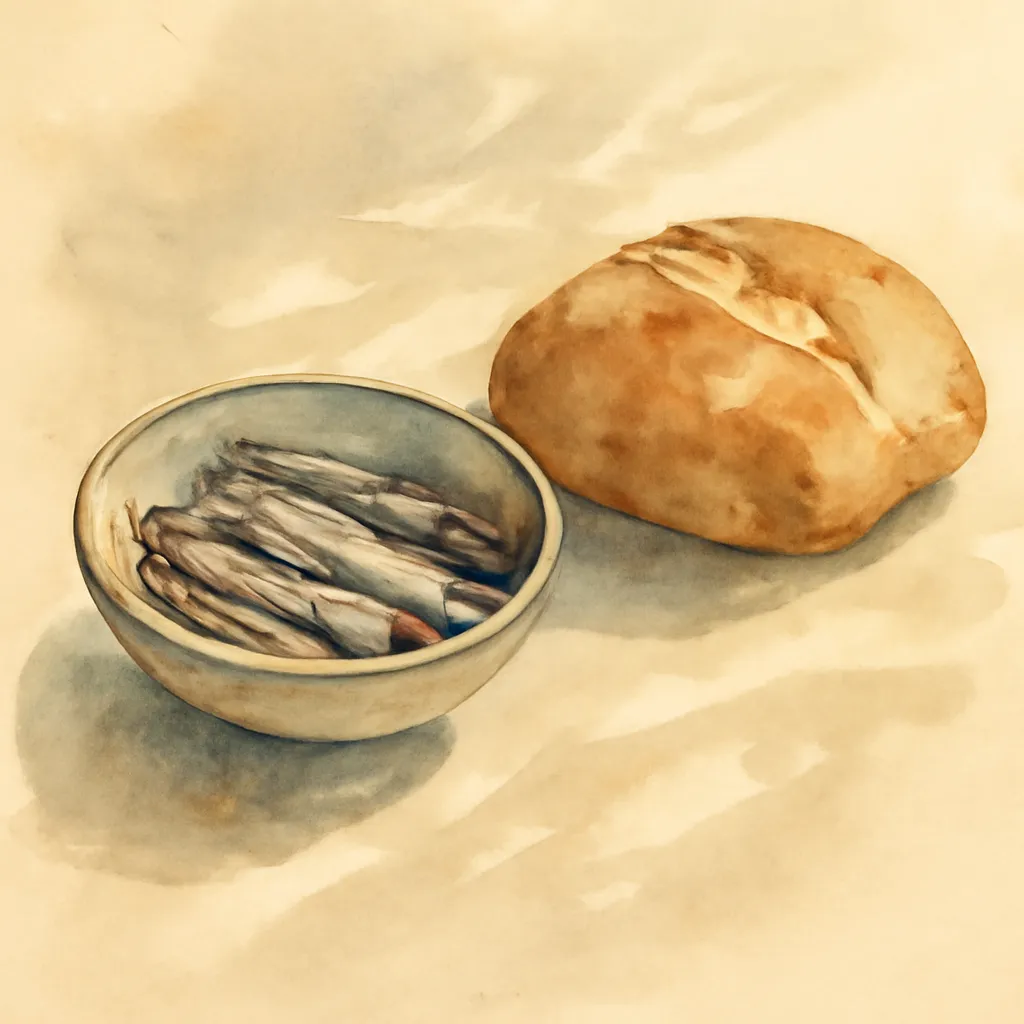
A Taste of Honey elevates the ordinary by finding beauty in daily meals and humble ingredients. Lawson devotes chapters to often-overlooked foods like anchovies or brown food, showing how they can be transformed into something special. Her approach encourages readers to find satisfaction in the routine and to see the kitchen as a place of comfort and creativity.
4.Inclusivity and Flexibility in Cooking
Lawson’s recipes and essays emphasize adaptability and inclusivity. She offers inspiration for solo suppers, vegan feasts, and family gatherings alike, making the book accessible to cooks of all backgrounds and skill levels. Her relaxed, non-prescriptive style empowers readers to trust their instincts and adapt recipes to their own needs and tastes.
5.The Rituals and Rhythms of the Kitchen
The book delves into the rituals that make cooking meaningful—whether it’s the repetition of a favorite dish or the anticipation of seasonal ingredients. Lawson reflects on how these rhythms provide structure and comfort, turning the act of cooking into a grounding daily practice.
6.Food Writing as Memoir
Interwoven with recipes, Lawson’s essays are deeply personal, offering glimpses into her life and philosophy. She uses food as a lens to explore broader themes of memory, identity, and connection, making the book as much a memoir as a manual. This blend of storytelling and instruction creates a rich, immersive reading experience.