1.The Transformative Journey
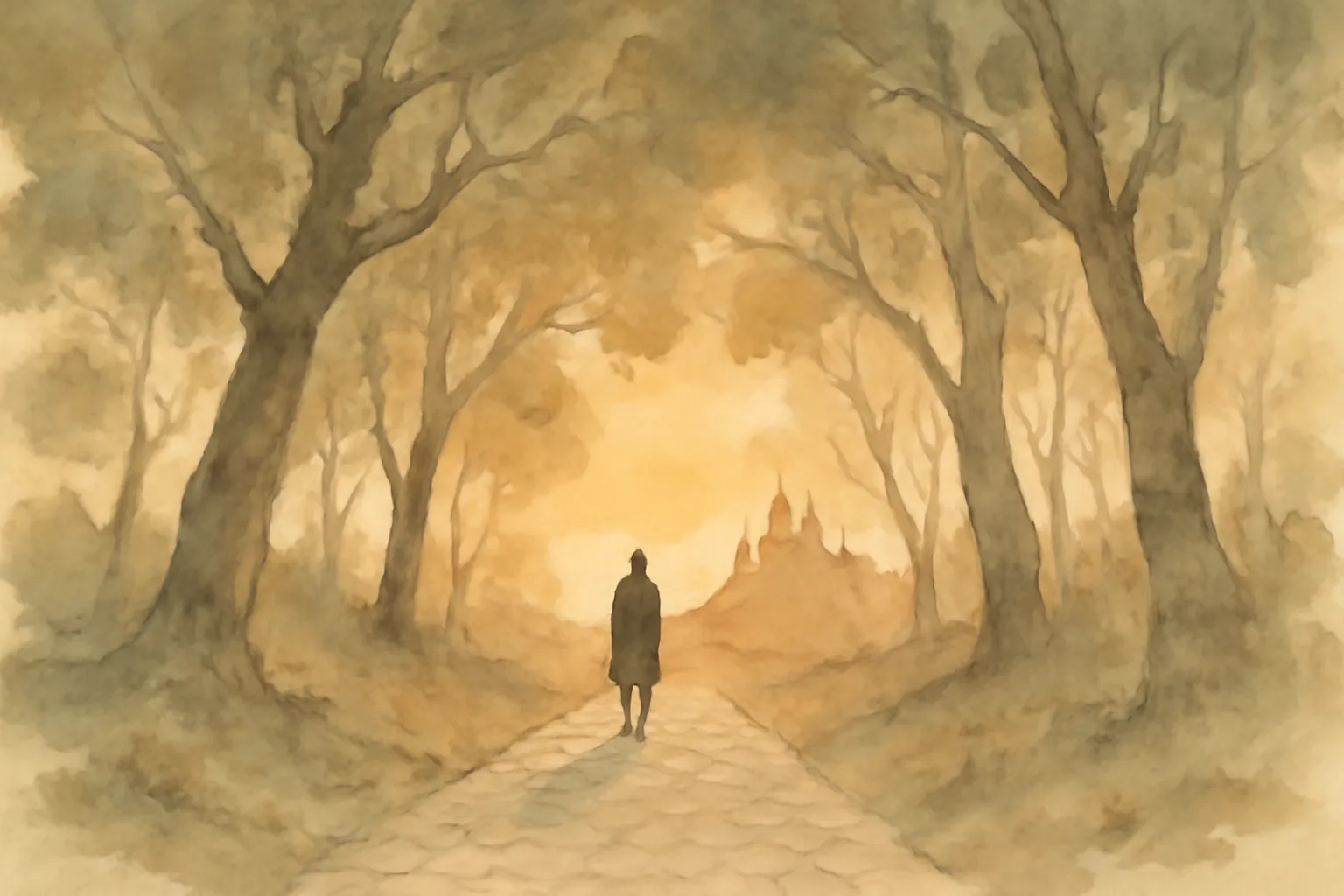
At its heart, the book chronicles Patrick Leigh Fermor’s epic walk from London to Budapest, undertaken at the age of eighteen. This journey is more than a physical trek; it is a rite of passage that shapes his understanding of the world and himself. The narrative captures the exhilaration and vulnerability of youth, as well as the profound sense of discovery that comes from immersive travel. The journey serves as a metaphor for personal growth, with each encounter and hardship contributing to the author’s evolving identity.
2.A Vanished Europe
Fermor’s journey unfolds across a continent on the brink of transformation. Written decades after the walk, the book is suffused with nostalgia for a prewar Europe—its traditions, architecture, and social fabric—that would soon be irrevocably changed by World War II. The author’s keen observations bring to life a world of castles, monasteries, and rural communities, many of which no longer exist in the same form. This sense of loss and historical perspective adds depth and poignancy to the narrative.
3.The Power of Observation
One of Fermor’s greatest strengths is his ability to notice and describe the world around him in rich, evocative detail. Whether he is recounting the play of light on a river, the customs of a remote village, or the eccentricities of people he meets, his prose is both lyrical and precise. This attentiveness transforms ordinary moments into memorable vignettes and allows readers to experience the journey as vividly as if they were alongside him.
4.The Meeting of Youth and Erudition
Although the journey was made in youth, the book is written with the wisdom and literary polish of Fermor’s later years. This creates a unique blend: the immediacy and openness of a young traveler, combined with the reflective depth of a seasoned writer. The text is peppered with historical asides, linguistic digressions, and cultural commentary, demonstrating how travel can fuel lifelong curiosity and learning.
5.Encounters and Hospitality
Throughout his journey, Fermor is welcomed by a remarkable variety of hosts, from peasants to aristocrats. These encounters reveal the diversity and generosity of European cultures, as well as the author’s openness to connection. The book celebrates the universal human impulse to offer shelter and share stories, and it highlights how hospitality can bridge differences of class, language, and nationality.
6.Memory, Reconstruction, and Storytelling
A Time of Gifts is as much about memory as it is about travel. Written decades after the events, the book is a reconstruction—an act of storytelling that melds diary entries, recollection, and imagination. Fermor is candid about the limitations and pleasures of remembering, and the narrative becomes a meditation on how we shape our past into meaningful stories.