1.The Allure of Venice as a Dreamscape
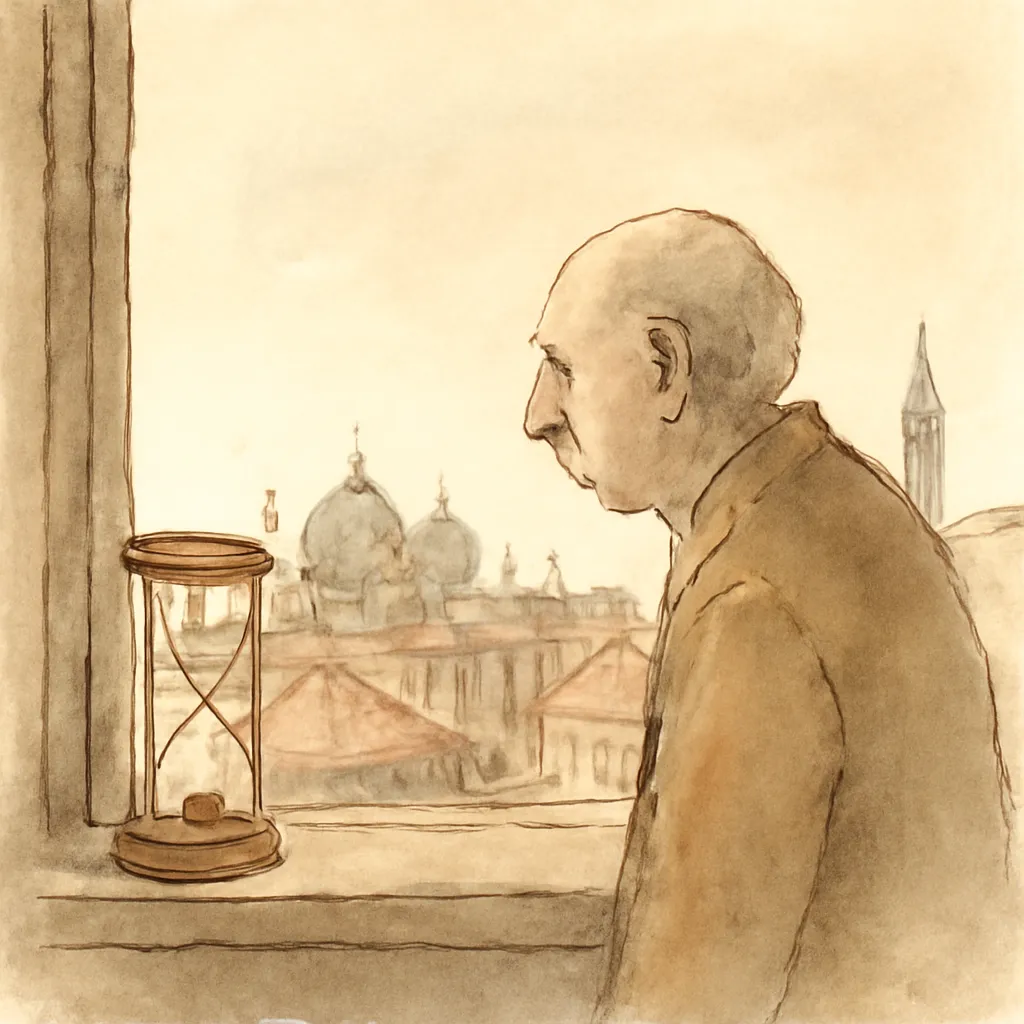
Venice serves as more than just a backdrop; it becomes a character in its own right, embodying the dreams and aspirations of the travelers. For Pauline Beverly, the city represents the culmination of a long-held dream, a place where fantasies come alive. Her sister May, however, approaches the city with a critical eye, reflecting a more analytical perspective that contrasts with Pauline's romanticism. Uncle Dan, the stoic family patriarch, brings a sense of nostalgia and emotional depth, hinting at the weight of memories that Venice holds for him. The city's enchanting canals, historic architecture, and vibrant life become a metaphor for the complexities of human emotions—both fleeting and enduring. This interplay of perspectives creates a rich narrative that captures the essence of youthful wonder and the inevitable passage of time.
2.The Complexity of Family Dynamics
The relationships within the Beverly family are intricately woven, showcasing the nuances of familial love and obligation. Uncle Dan, while a figure of authority, also embodies a sense of vulnerability as he navigates his role as guardian to his two nieces. His interactions with Pauline and May reveal a deep-seated affection, yet he struggles with the burden of his past experiences. Pauline and May, in their youthful exuberance, often challenge Uncle Dan's perspectives, reflecting the generational divide and the evolving nature of familial bonds. Their differing approaches to life—Pauline's dreamy optimism and May's critical realism—serve to highlight the complexity of their relationship. This dynamic not only enriches the narrative but also illustrates the ways in which family members influence each other's growth and understanding of the world.
3.Romantic Entanglements and Personal Growth
The novel delves into the romantic lives of the characters, particularly focusing on Pauline and May's interactions with the charming Geoffry Daymond and the enigmatic Oliver Kenwick. Geoffry's initial appeal lies in his artistic sensibilities and genuine nature, which resonate with Pauline's romantic ideals. May, on the other hand, approaches Geoffry with a mix of admiration and skepticism, reflecting her critical nature. As the summer unfolds, both sisters experience personal growth through their interactions with these young men, confronting their own desires and insecurities. The novel explores the theme of love as a catalyst for self-discovery, emphasizing how relationships can challenge individuals to reflect on their aspirations and fears. This exploration of romance is not merely about attraction but also about the emotional and intellectual connections that shape one's identity.
4.Art as a Reflection of Life
Art plays a significant role in 'A Venetian June,' serving as a lens through which characters perceive and interpret their experiences. Geoffry Daymond, an aspiring artist, embodies the struggle between artistic ambition and societal expectations. His sketches and paintings reflect not only his talent but also his emotional state, revealing the interplay between creativity and personal turmoil. The characters often engage in discussions about art, architecture, and beauty, prompting them to contemplate their values and aspirations. May's critical eye extends to the art around her, challenging notions of beauty and merit. Through these artistic dialogues, Fuller invites readers to consider the broader implications of creativity in shaping identity and understanding the world. The characters' interactions with art mirror their inner journeys, illustrating how creativity can serve as both a refuge and a source of conflict.
5.The Passage of Time and Memory
A central theme in the novel is the passage of time and its effect on memory and identity. Uncle Dan's recurring visits to Venice every five years serve as a poignant reminder of the inevitable changes that come with time. His reflections on the past, intertwined with the present experiences of Pauline and May, create a sense of nostalgia and longing. The characters grapple with their memories—some cherished, others painful—as they navigate their current lives. Venice, with its timeless beauty, becomes a symbol of both permanence and transience, encapsulating the characters' struggles with their pasts and futures. This exploration of memory is not merely a backdrop; it shapes the characters' decisions and relationships, illustrating how the past continues to influence the present. The novel invites readers to reflect on their own memories and how they shape their understanding of self.
6.Youthful Innocence vs. Adult Realities
Fuller contrasts the innocence of youth with the complexities of adult life through the experiences of Pauline and May. The sisters embody different stages of understanding and perception, with Pauline often idealizing love and beauty, while May approaches life with a more pragmatic lens. Their interactions with mature characters, such as Uncle Dan and the young men they encounter, reveal the tension between youthful dreams and the often harsh realities of adulthood. May's critical perspective serves as a counterbalance to Pauline's romanticism, prompting both to confront their beliefs and assumptions. This dynamic reflects a broader commentary on the journey from innocence to experience, illustrating how each character navigates their path toward self-awareness. The novel captures the bittersweet nature of growing up, where dreams may clash with reality, yet the pursuit of those dreams remains a vital part of the human experience.
7.The Role of Social Class and Identity
Social class and identity play a significant role in shaping the characters' experiences and interactions within Venetian society. The contrast between the affluent Beverly family and the working-class gondoliers highlights the disparities in social status and the impact it has on relationships. Characters like Vittorio and Nanni, who represent the labor class, bring depth to the narrative, illustrating the struggles and aspirations of those outside the privileged circles. The girls' fascination with the gondoliers reflects a longing for authenticity and connection to a simpler life, while also challenging their own societal norms. This exploration of social class prompts readers to consider the complexities of identity and how it is influenced by one's environment. Fuller skillfully navigates these themes, revealing how class dynamics can shape personal relationships and self-perception.
8.The Enchantment of Nature and the City

Venice's natural beauty intertwines with its urban landscape, creating a sense of enchantment that permeates the narrative. The city's canals, gardens, and historic architecture offer a stunning backdrop for the characters' experiences, enhancing their emotional journeys. Fuller vividly describes the sights and sounds of Venice, immersing readers in the sensory delights of the city. The natural elements, such as the shimmering waters and the vibrant flora, serve as metaphors for the characters' inner lives, reflecting their joys and struggles. This connection to nature highlights the importance of place in shaping identity and experience. The juxtaposition of the city's beauty against the characters' personal challenges emphasizes the transformative power of environment, illustrating how the setting can influence emotions and relationships. The enchantment of Venice becomes a character itself, shaping the narrative and inviting readers to explore the intersection of nature and human experience.
9.Friendship and Companionship
The bonds of friendship are intricately woven throughout the narrative, providing a framework for the characters' growth and exploration. The relationship between Pauline and May exemplifies the deep connection between sisters, marked by both support and rivalry. Their differing perspectives enrich their interactions, prompting them to learn from each other and navigate their own paths. Additionally, the friendships they form with other characters, such as Geoffry Daymond and Oliver Kenwick, further illustrate the complexities of companionship. Fuller explores the nuances of these relationships, highlighting how friendships can offer solace, challenge beliefs, and foster personal development. The theme of companionship underscores the importance of human connection in navigating life's uncertainties, revealing how friends can serve as mirrors, reflecting one's desires, fears, and aspirations. Through these rich interpersonal dynamics, the novel emphasizes the transformative power of friendship in shaping identity and experience.
10.The Intersection of Tradition and Modernity

The novel subtly examines the tension between tradition and modernity within the context of Venice. As the characters engage with the city's rich historical backdrop, they also confront the realities of contemporary life. Uncle Dan, with his military background, represents the traditional values of duty and honor, while the younger characters grapple with their aspirations in a rapidly changing world. This tension is evident in their interactions with the gondoliers, who embody a sense of timelessness while navigating the demands of modern society. The characters' experiences reflect the broader cultural shifts occurring in Venice, prompting readers to consider how tradition can coexist with progress. Fuller deftly navigates this theme, illustrating how the characters' journeys are influenced by their cultural heritage while simultaneously seeking their own identities in a modern context. This exploration of tradition versus modernity adds depth to the narrative, inviting readers to reflect on their own experiences with cultural evolution.