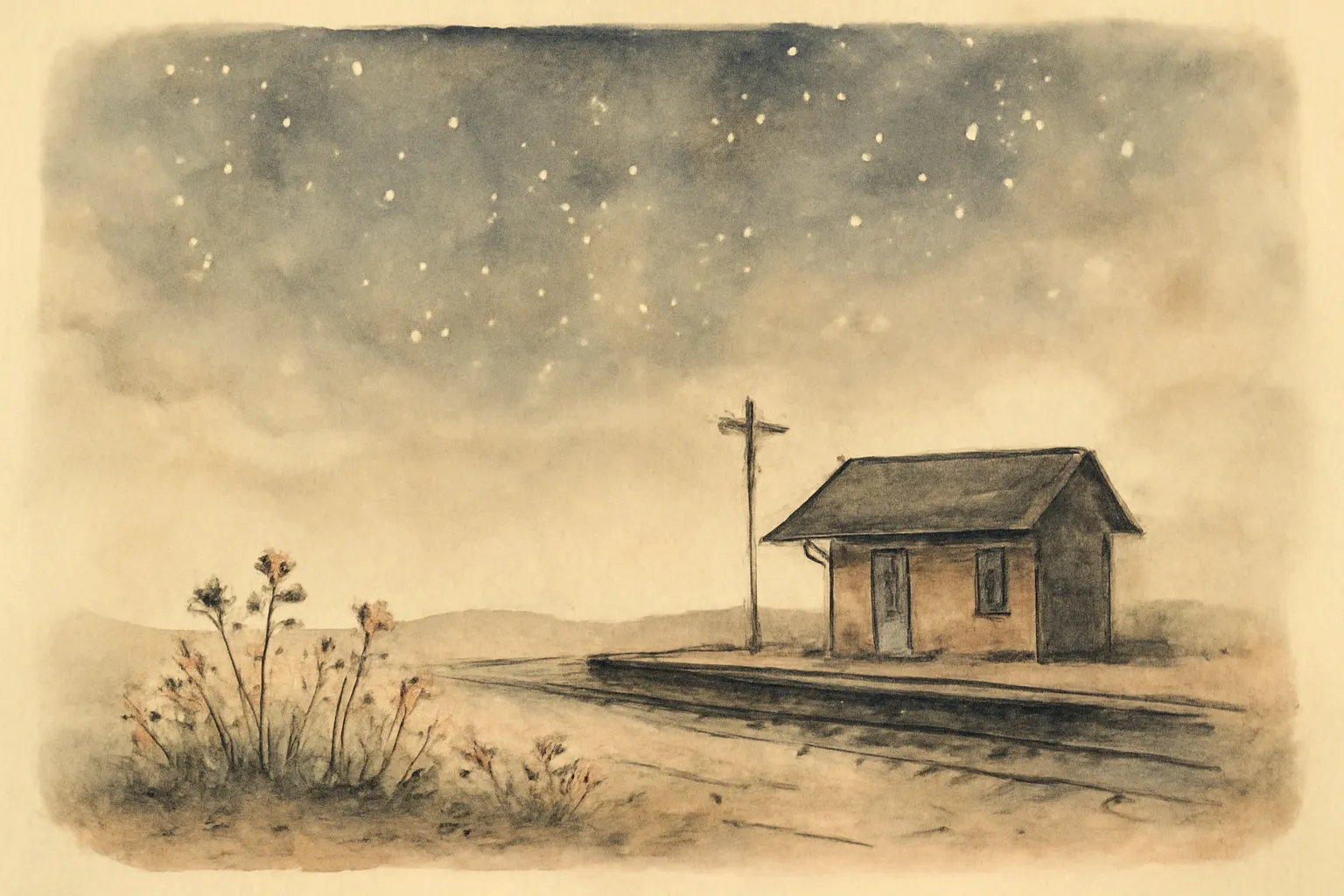
1.Margaret's Isolation and Initial Fear
The story begins with Margaret Earle arriving at a desolate train stop in the wild West, where she feels an overwhelming sense of isolation. The absence of help from train staff leaves her vulnerable and questioning her decision to disembark. Her first encounter with an unwelcoming local man, Pop Wallis, heightens her fear as he offers little comfort or assistance. This moment encapsulates the theme of vulnerability in unfamiliar surroundings, illustrating how fear can paralyze one's ability to act. It also establishes the stark contrast between Margaret's genteel upbringing and the harsh realities of frontier life, setting the stage for her character development throughout the novel. Margaret's initial panic and determination to return to safety exemplify her courage and foreshadow the growth she will experience as she learns to confront her fears.
2.The Beauty of the Wilderness
Despite her fears, Margaret finds solace in the natural beauty surrounding her. When riding alongside her companion, she expresses awe at the limitless sky and the stars that seem to offer a protective embrace. This connection to nature symbolizes Margaret's search for peace and understanding in a chaotic world. The wilderness becomes a character in its own right, reflecting both the beauty and danger of life in the West. Through these moments of reflection, readers witness Margaret's growing appreciation for the landscape, which serves as a backdrop for her personal transformation. The contrast between the wild beauty of nature and the potential for human cruelty foreshadows the challenges she will face ahead. This duality serves to remind readers that nature can be both a sanctuary and a source of trepidation, much like the journey of self-discovery that Margaret embarks upon.
3.Margaret's Inner Strength
As Margaret interacts with the rough men of the camp, her inner strength begins to shine through. She refuses to be intimidated by Pop Wallis's crude demeanor and asserts her dignity as a teacher. This moment marks a significant turning point in her character, as she learns to stand her ground in a male-dominated environment. Her unwavering commitment to her role as an educator highlights the theme of empowerment, especially for women in the early 20th century. Margaret's resilience becomes a source of inspiration not only for herself but also for the men in her life, who come to see her beauty and strength as something to be respected rather than objectified. This evolution of her character emphasizes the importance of self-assertion and the impact it can have on those around her. Her determination to carve out a place for herself in a world that often seeks to diminish her power reflects a broader struggle faced by women of her time.
4.Contrasting Characters: The Boy and the Minister
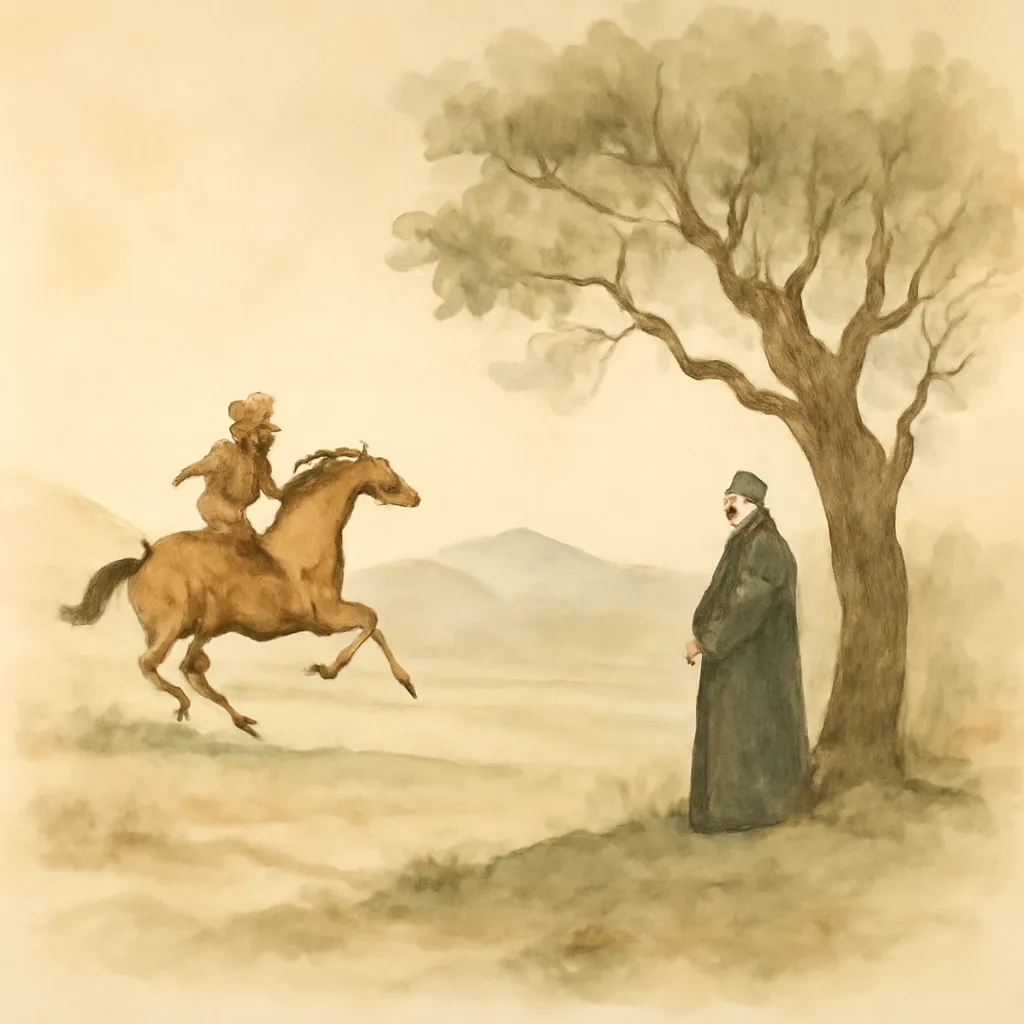
The dynamic between Margaret and the two male characters—referred to as 'the Boy' and the minister—provides a rich exploration of differing values and outlooks on life. The Boy, who rides alongside Margaret, embodies a sense of adventure and freedom, while the minister, Mr. West, represents a more rigid, traditional approach to faith and morality. As Margaret develops a bond with the Boy, she discovers a kindred spirit who understands her struggles and aspirations. In contrast, her interactions with the minister are fraught with tension, as she grapples with her disdain for his condescending attitude and his questionable beliefs. This contrast serves to highlight the complexity of human relationships and the varying ways individuals navigate their personal beliefs amid external challenges. The evolution of these relationships ultimately shapes Margaret's understanding of love, respect, and faith, illustrating how different perspectives can either uplift or undermine one's sense of self.
5.The Struggle for Acceptance
Margaret's journey is not just about her external challenges but also her internal struggle for acceptance within the community. As the new teacher, she faces skepticism and resistance from some of the local children and their families. The initial reluctance of her students to accept her authority reflects the broader theme of acceptance in a new environment. Margaret's determination to win over her students demonstrates her commitment to her role and her belief in the power of education. Through her patience and innovative teaching methods, she gradually earns their respect and affection. This process of gaining acceptance becomes a metaphor for Margaret's deeper quest for belonging and her desire to impact the lives of those around her positively. The journey illustrates that acceptance is a two-way street, requiring both the newcomer and the community to open their hearts and minds.
6.Faith Amidst Doubt
The novel explores the theme of faith as Margaret grapples with her beliefs in the face of disillusionment. The minister, Mr. West, embodies a skeptical view of faith, which challenges Margaret's convictions. His sermons, filled with philosophical jargon and devoid of genuine spiritual guidance, leave her feeling frustrated and confused. This struggle with faith is compounded by the harsh realities of frontier life, where survival often takes precedence over spiritual matters. Margaret's journey becomes a quest to reconcile her beliefs with the challenges she faces, ultimately leading her to a deeper understanding of her faith. This exploration of faith amidst doubt resonates with readers as it reflects the universal struggle to find meaning and purpose in life. Margaret's eventual realization that faith can coexist with uncertainty serves as a powerful reminder of the complexities of belief and the importance of personal conviction.
7.Community and Connection
As the story progresses, the importance of community and connection emerges as a central theme. Margaret's interactions with the residents of Ashland reveal the complexities of human relationships in a close-knit community. The camaraderie among the men at the bunkhouse contrasts sharply with the isolation Margaret initially feels. Through her efforts to engage with the community, she begins to forge meaningful connections that enrich her experience. The novel illustrates how community can serve as both a source of support and a source of conflict, reflecting the dual nature of human relationships. Margaret's growing bonds with her students and the townspeople highlight the transformative power of connection in overcoming adversity and finding one's place in the world. This theme underscores the notion that genuine relationships can foster resilience and enhance one's sense of belonging, ultimately shaping a person's identity.
8.Love as a Guiding Force
The theme of love permeates the narrative, influencing Margaret's decisions and relationships throughout the story. Her budding romance with the Boy serves as a catalyst for her personal growth, as she learns to navigate her feelings and desires. Their connection transcends the boundaries of their differing backgrounds, illustrating the idea that love can bridge gaps and foster understanding. Conversely, the minister's misguided attempts at love and authority highlight the dangers of possessiveness and control. Margaret's journey ultimately leads her to recognize that true love is rooted in mutual respect and understanding, rather than domination. This realization empowers her to make choices that align with her values, reinforcing the idea that love can be a guiding force in navigating life's challenges. The nuanced portrayal of love in its various forms—romantic, platonic, and familial—adds depth to the characters and enriches the narrative.
9.The Power of Education
Education plays a crucial role in 'A Voice in the Wilderness,' serving as a means of empowerment and transformation. Margaret's dedication to her students reflects her belief in the power of knowledge to change lives. Throughout the novel, she encounters various challenges in her role as a teacher, from gaining her students' respect to addressing their diverse needs. Her innovative teaching methods and genuine care for her students inspire them to embrace learning and strive for improvement. This emphasis on education underscores the novel's message that knowledge can be a powerful tool for change, not only for individuals but for entire communities. Margaret's commitment to her students ultimately fosters a sense of hope and possibility in a world that often feels harsh and unforgiving. This portrayal of education as a transformative force serves as a reminder of its fundamental importance in shaping future generations.
10.Finding One's Voice
Ultimately, 'A Voice in the Wilderness' is about Margaret's journey to find her voice in a world that often seeks to silence her. As she navigates the challenges of frontier life, she learns to assert her identity and beliefs amidst external pressures. Her interactions with the Boy and the minister serve as catalysts for this self-discovery, as she grapples with her values and desires. Through her experiences, Margaret emerges as a strong, independent woman who is unafraid to speak her truth and advocate for herself and her students. This theme of finding one's voice resonates deeply with readers, inspiring them to embrace their authenticity and navigate their unique journeys with courage and conviction. Margaret's growth serves as a powerful reminder that finding one's voice is an essential part of personal development and self-empowerment.