1.A Global Perspective Beyond Europe
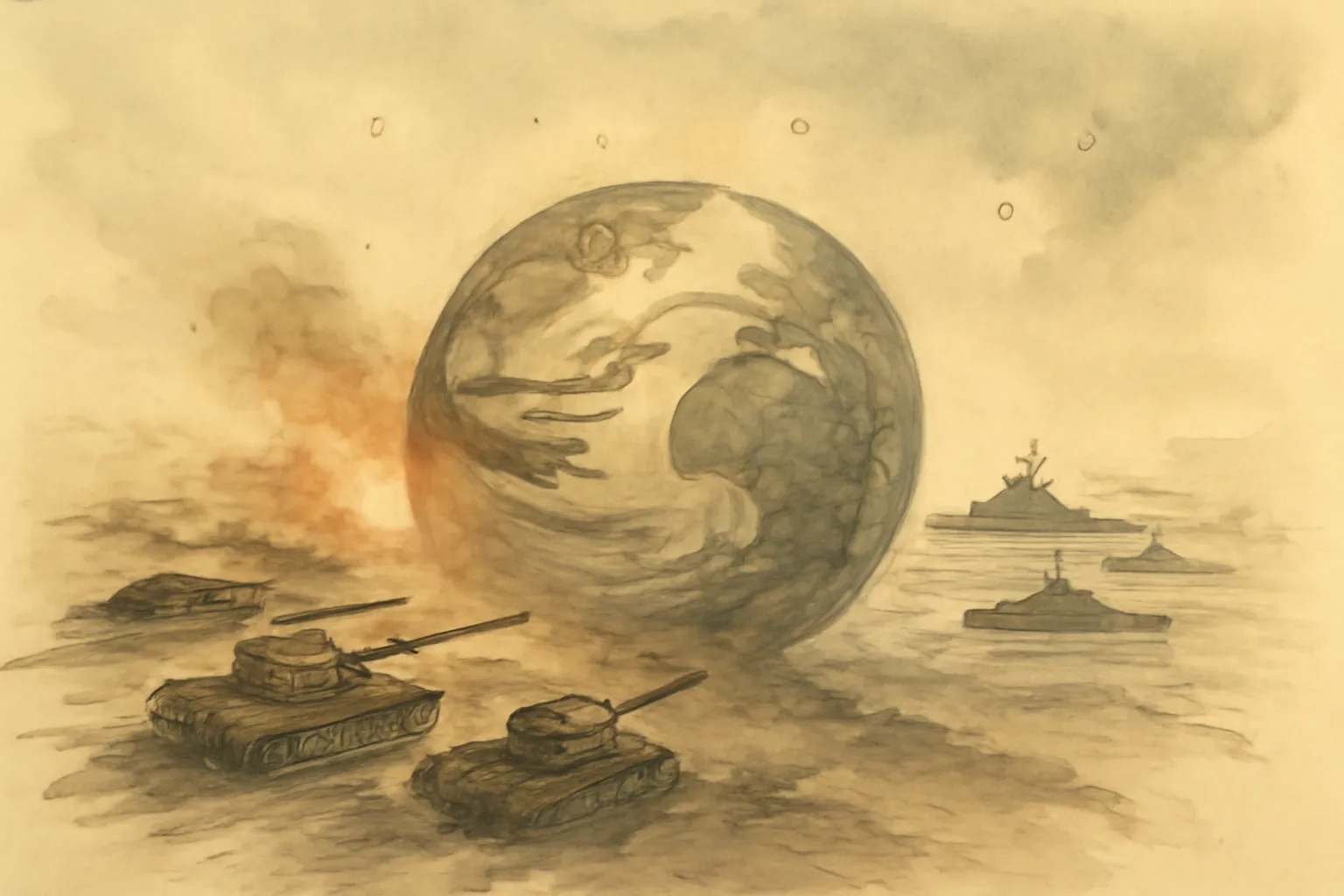
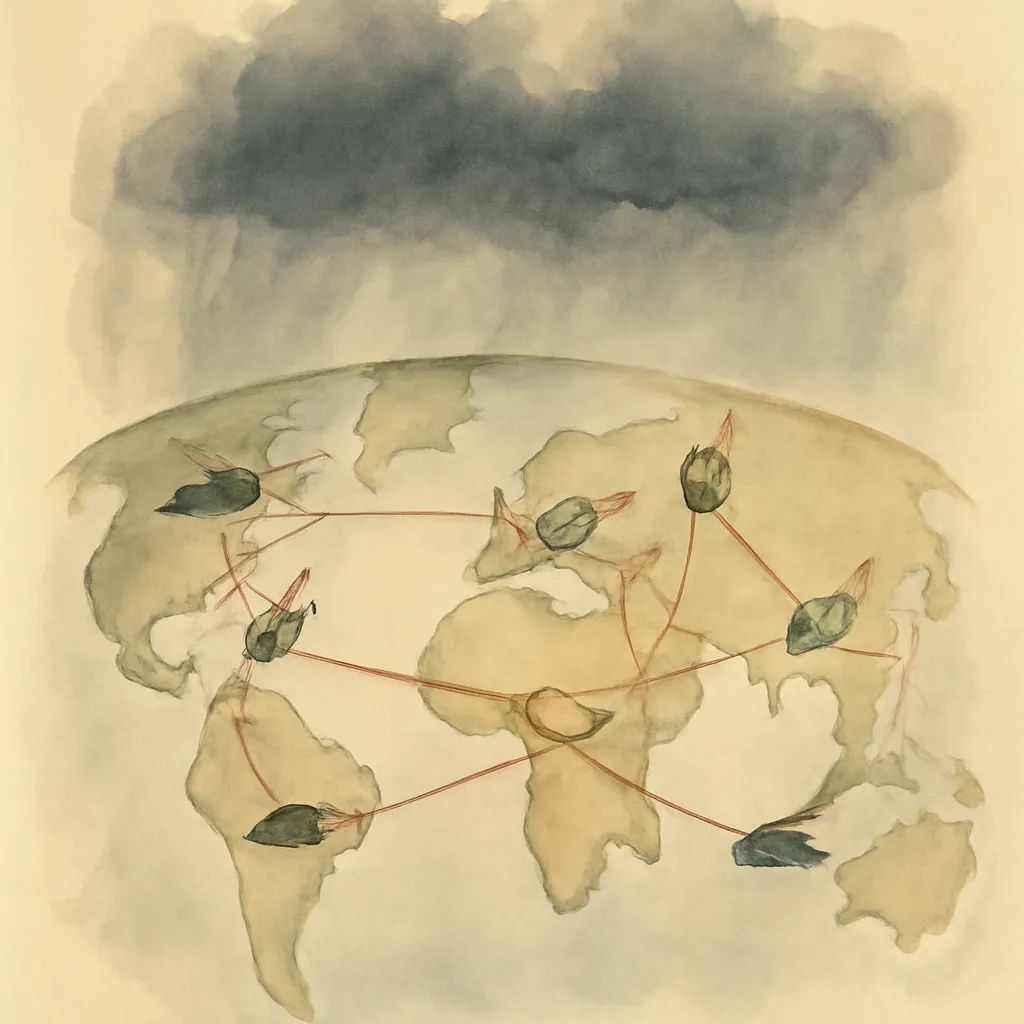
Weinberg’s central innovation is to treat World War II as a genuinely global conflict, not just a series of campaigns in Europe and the Pacific. He integrates events in Africa, Asia, the Americas, and even the neutral countries, showing how decisions and developments in one region reverberated across the world. This approach reveals the interconnectedness of military, political, and economic actions, and highlights the war’s impact on societies far from the main battlefields.
2.The War’s Origins in Interwar Instability
Rather than starting with the outbreak of hostilities in 1939, Weinberg traces the roots of the conflict to the unresolved tensions and political changes after World War I. He examines how the Treaty of Versailles, the economic depression, and the rise of radical ideologies set the stage for renewed global conflict. This context helps readers understand why the war spread so widely and why its stakes were so high.
3.Axis and Allied Decision-Making
A World at Arms delves deeply into the choices made by both Axis and Allied leaders, emphasizing contingency and uncertainty. Weinberg explores not only the grand strategies but also the internal debates, miscalculations, and improvisations that shaped the course of the war. By analyzing the motives and limitations of leaders like Hitler, Churchill, Roosevelt, and Stalin, he challenges simplistic narratives of inevitability.
4.The Home Fronts and Civilian Experience
Weinberg pays significant attention to the impact of the war on civilian populations, economies, and societies. He details how governments mobilized resources, managed propaganda, and coped with shortages, as well as the suffering caused by occupation, bombing, and genocide. This focus underscores that World War II was not just a clash of armies, but a total war involving entire societies.
5.The Role of Neutral and Minor Powers
Unlike many histories, this book gives serious attention to the actions and dilemmas of neutral and smaller countries. Weinberg demonstrates how their economic choices, diplomatic maneuvers, and sometimes shifting allegiances influenced the larger conflict. This perspective broadens the reader’s understanding of the war’s complexity and the global web of relationships.
6.The War’s End and Its Global Legacy
Weinberg concludes by examining how the war’s end reshaped the world, leading to decolonization, the Cold War, and new international institutions. He argues that the conflict’s global reach and the total mobilization of societies left a legacy that defined the second half of the twentieth century. The book invites readers to see World War II as a turning point not just for Europe, but for the entire world.