1.The Burden of Loss

Hester Thornton's journey begins with the profound grief of losing her mother, who was her guiding light and source of love. This loss shapes Hester's character, making her initially resistant to the idea of school and the constraints it imposes. She recalls her mother as a nurturing figure who understood her wild spirit, contrasting sharply with her stern father, who believes education will tame her. The emotional weight of her mother's absence is evident in Hester's struggle to connect with her new environment, where she feels isolated and misunderstood. As she grapples with her feelings of abandonment and sorrow, her relationship with her younger sister, Nan, becomes even more significant. Hester fears that Nan will forget her and the memories of their mother, intensifying her emotional turmoil. This internal conflict serves as a poignant exploration of the impact of grief on young children, illustrating how it can shape their identities and influence their actions as they navigate their formative years.
2.The Transition to School Life
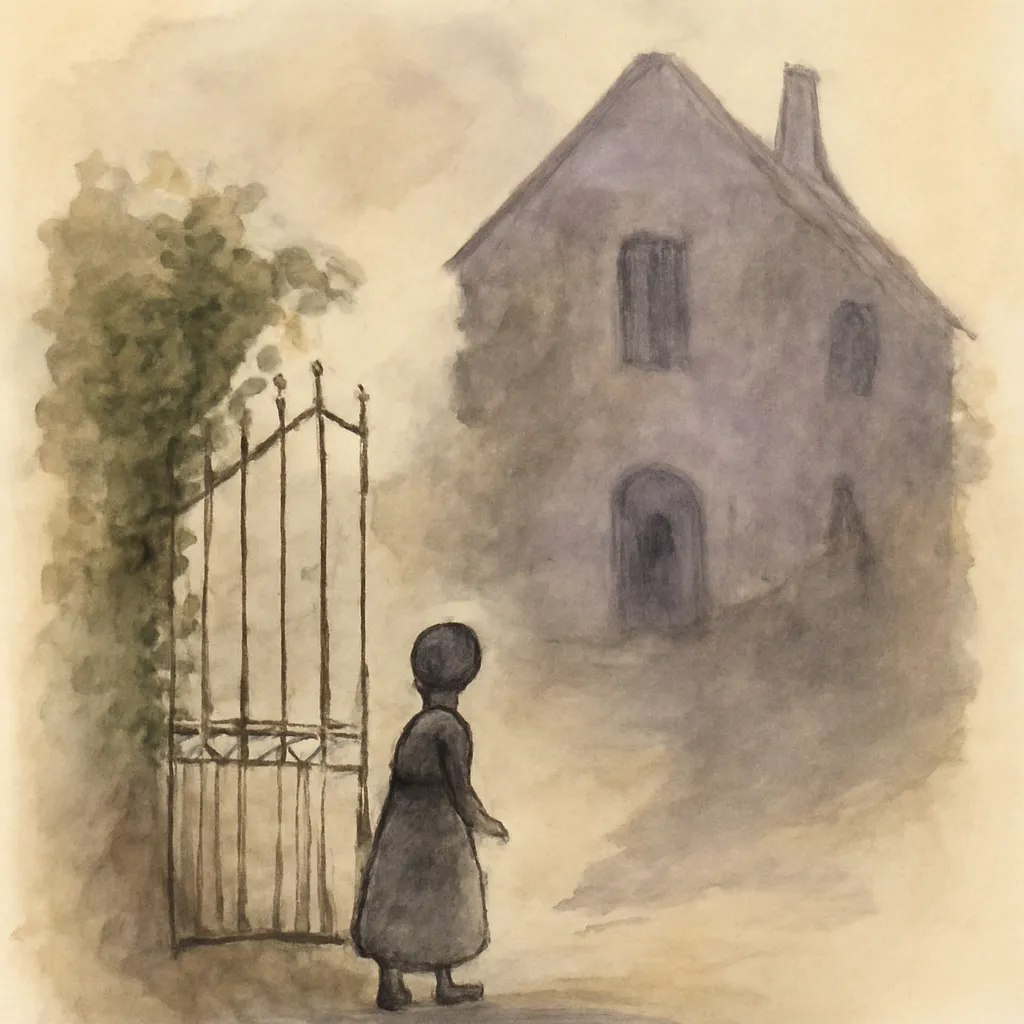
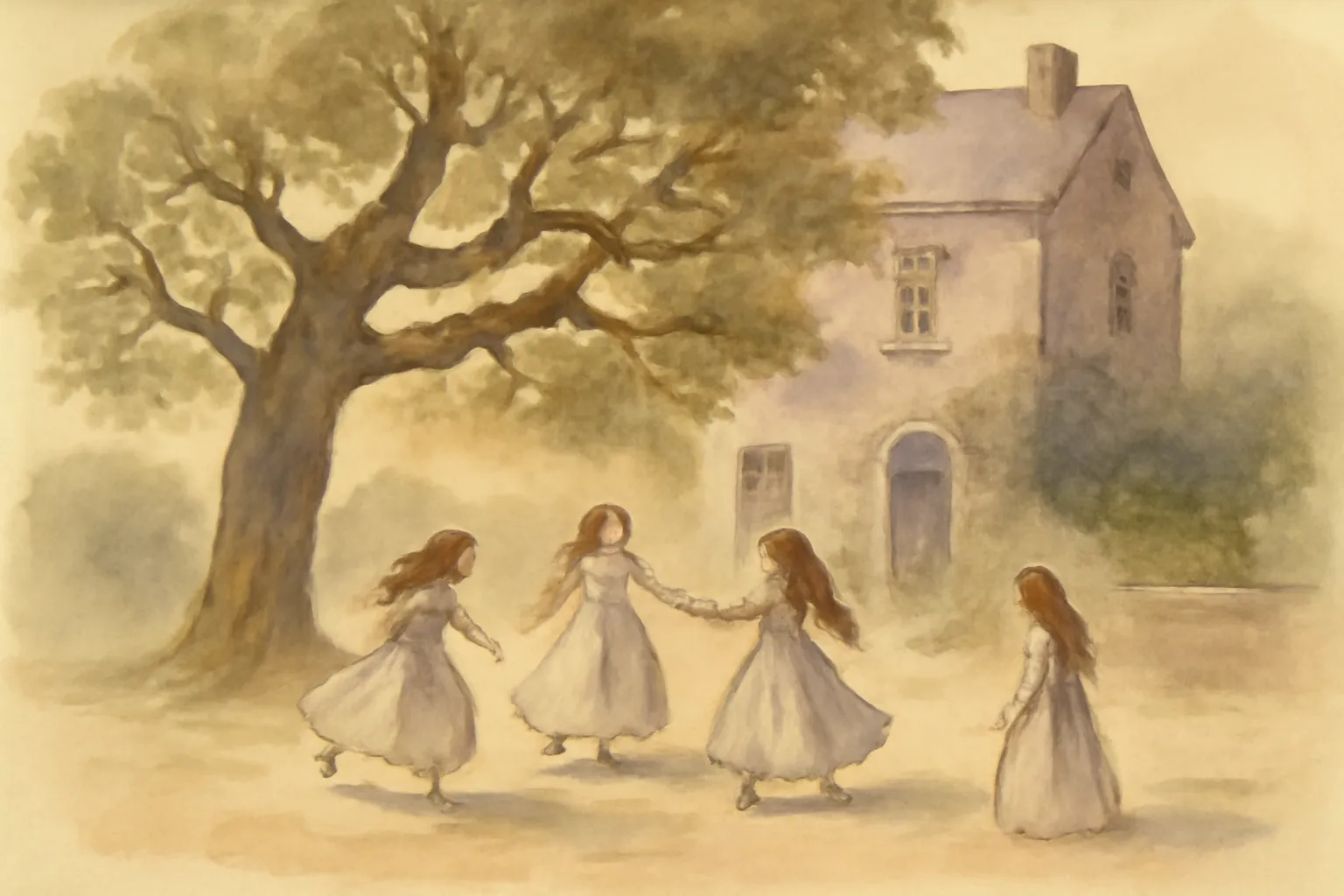
Hester's transition to Lavender House is marked by anxiety and apprehension, as she fears the loss of her freedom. Her initial perception of school as a prison reflects her inner turmoil and the challenges of adapting to a structured environment. Upon her arrival, she feels overwhelmed by the unfamiliar faces and the expectations placed upon her. The vivid description of her first night at school captures the essence of her dread, with Hester feeling like an outsider among her peers. However, as she begins to interact with the other girls, particularly the kind-hearted Cecil Temple and the mischievous Annie Forest, Hester starts to discover the potential for friendship and camaraderie. This shift from fear to acceptance serves as a pivotal moment in her journey, illustrating the transformative power of social connections. Hester's initial reluctance gradually gives way to moments of joy and laughter as she forms bonds with her classmates, emphasizing the importance of companionship in overcoming feelings of loneliness and despair.
3.Friendship and Rivalry
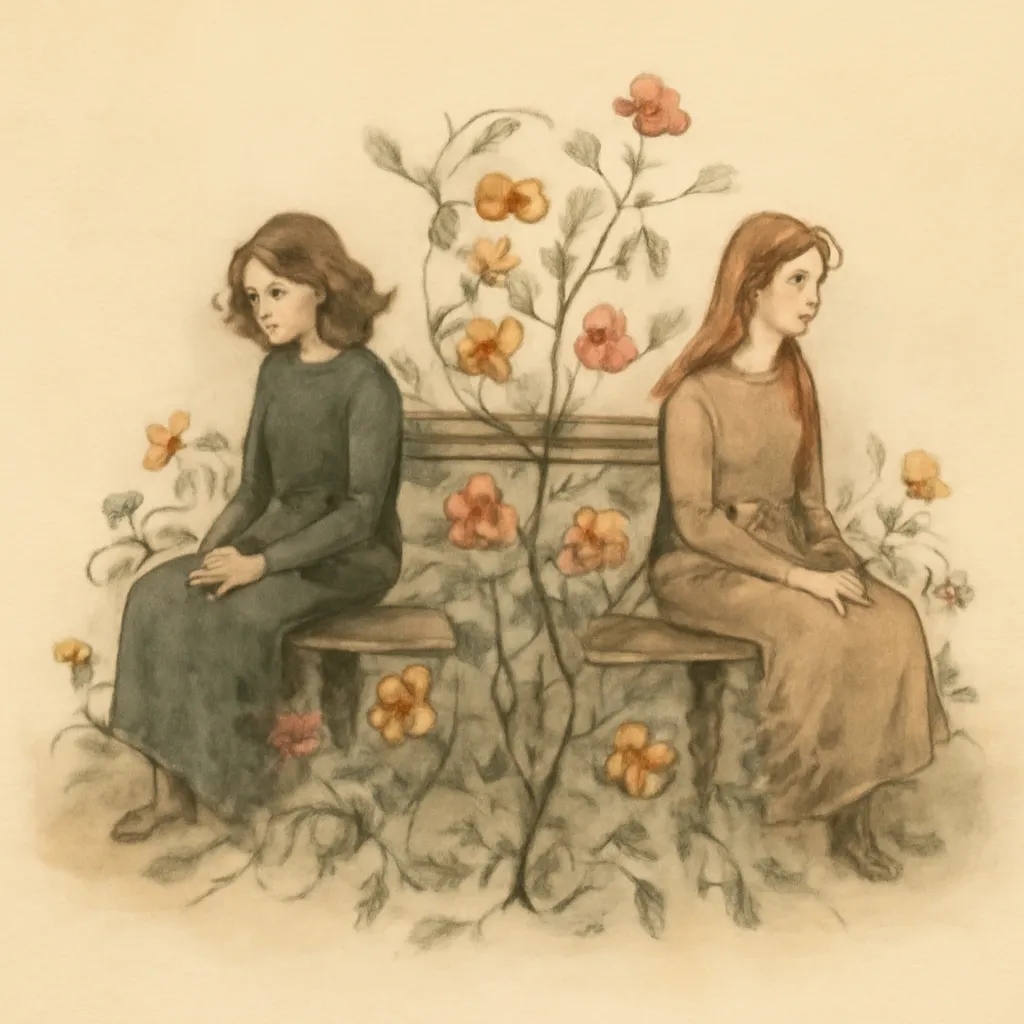
The dynamics of friendship and rivalry play a significant role in the narrative, particularly through Hester’s interactions with Annie Forest. Initially, Hester views Annie as a rival, believing her to be undisciplined and unworthy of admiration. However, as the story unfolds, Hester learns to appreciate Annie's vibrant personality and her ability to connect with their peers. Annie, with her charm and impulsive nature, becomes a focal point in the social hierarchy of Lavender House, drawing both admiration and envy from the other girls. The juxtaposition of Hester's reserved nature against Annie's boldness highlights the complexities of female friendships, where admiration can quickly turn into jealousy. This exploration of relationships reveals the underlying tensions and emotions that accompany growing up, emphasizing the importance of empathy and understanding in the face of rivalry. As Hester navigates her feelings toward Annie, she grapples with the duality of friendship and competition, ultimately leading to personal growth and a deeper understanding of herself.
4.The Role of Authority Figures

Mrs. Willis, the headmistress of Lavender House, embodies the complexities of authority within the school environment. Her compassionate yet firm approach to discipline sets the tone for the girls' education, allowing them a degree of freedom while maintaining order. Through her interactions with Hester and the other girls, Mrs. Willis demonstrates the delicate balance of nurturing young minds while enforcing rules. Her belief in the importance of trust and responsibility is evident in her management style, encouraging the girls to grow into independent individuals. The relationship between Mrs. Willis and her pupils serves as a microcosm of the broader societal expectations placed on young women during the Victorian era, highlighting the influence of authority on personal development and moral character. The headmistress's dedication to her students shines through in her efforts to understand their unique struggles, proving that effective leadership stems from empathy and a genuine desire to foster growth.
5.The Power of Imagination
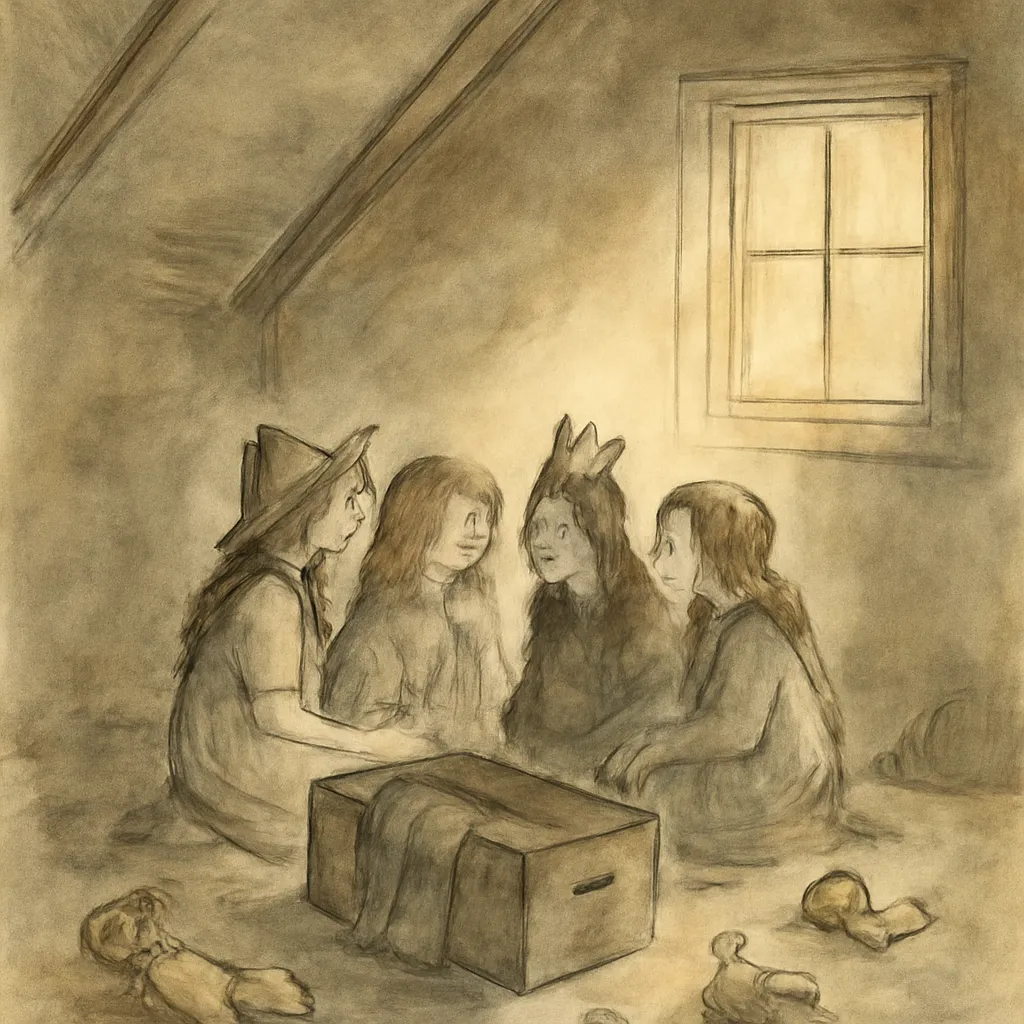
Imagination serves as a crucial theme in the lives of the girls at Lavender House, allowing them to escape the confines of their reality. Hester and her friends often engage in imaginative play, creating elaborate stories and scenarios that provide a temporary reprieve from the pressures of school life. This creative outlet not only fosters friendship but also encourages personal expression and emotional exploration. The narrative captures moments of whimsy and fantasy, where the girls' dreams and aspirations take flight, reflecting their innermost desires. Meade illustrates how imagination can be a powerful tool for coping with loss, fear, and the challenges of growing up, emphasizing its role in shaping identity and resilience. The moments of play serve as a reminder of the importance of creativity in childhood, reinforcing the notion that imagination can cultivate hope and joy, even in difficult times.
6.Identity and Self-Discovery
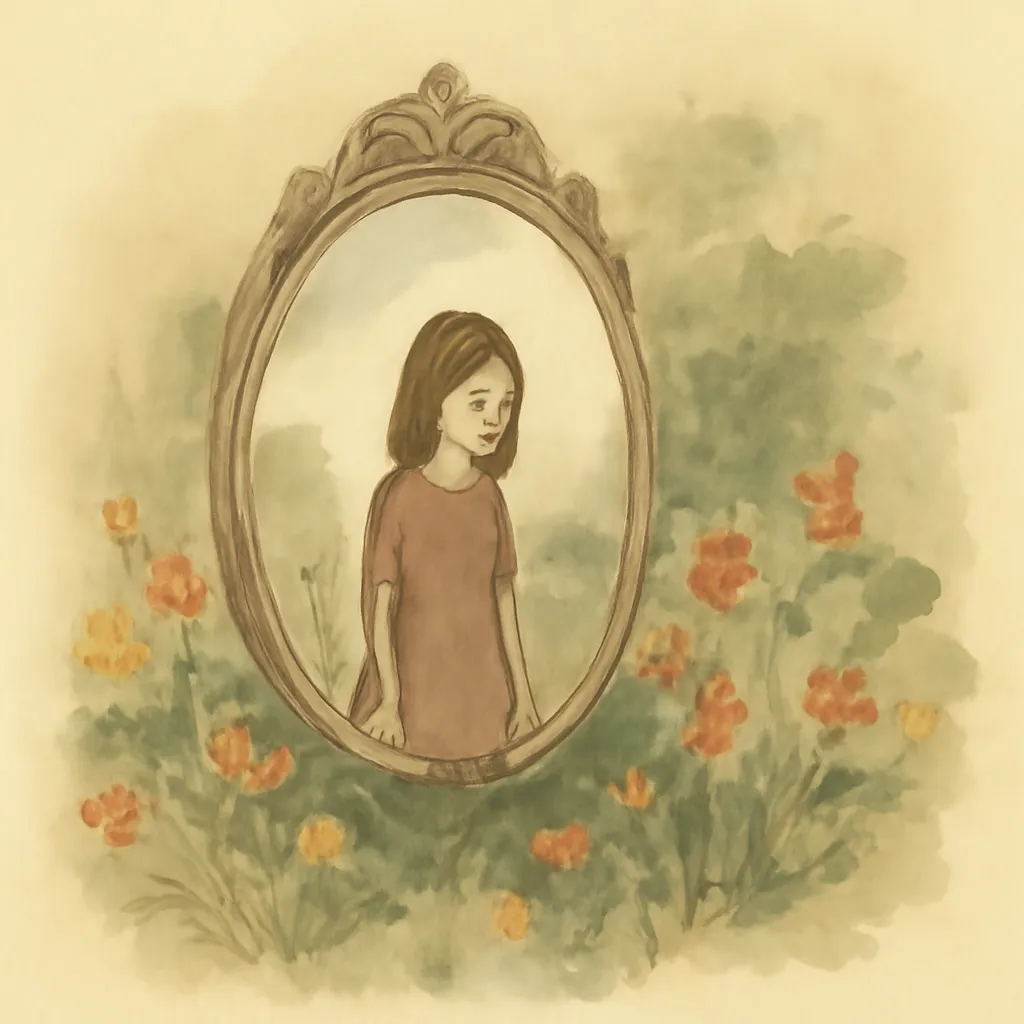
Hester's journey at Lavender House is also one of self-discovery, as she navigates her place within the school and her own evolving identity. As she interacts with her peers, Hester begins to confront her insecurities and the expectations placed upon her. The narrative delves into her internal conflicts, revealing her desire to remain true to herself while also seeking acceptance from her classmates. This struggle is particularly evident in her relationship with Annie, where Hester grapples with feelings of admiration and resentment. Through various trials and tribulations, Hester ultimately learns the importance of embracing her individuality and the value of genuine connections with others. This theme of self-discovery resonates with readers, encouraging them to reflect on their own journeys of identity formation. The exploration of Hester's character serves as a reminder that self-acceptance and authenticity are essential components of personal growth, guiding individuals through the complexities of adolescence.
7.The Complexity of Morality
The moral landscape of Lavender House is intricate, as the girls grapple with issues of right and wrong in their interactions. The discovery of a forbidden book in the schoolroom serves as a catalyst for exploring themes of guilt, shame, and accountability. Hester's initial reaction to the incident reveals her rigid moral compass, as she believes in strict adherence to rules. However, as the situation unfolds, she begins to question her own judgments and the motivations of her peers. The narrative challenges the notion of absolute morality, suggesting that context and intent play significant roles in determining right from wrong. This exploration of morality encourages readers to consider the complexities of ethical dilemmas and the nuances of human behavior. Meade's portrayal of the girls' moral struggles serves to highlight the importance of empathy and understanding in navigating the often murky waters of personal integrity.
8.The Influence of Peer Pressure
Peer pressure is a pervasive force within the school, shaping the girls' behaviors and choices. Hester's interactions with her classmates often reflect the tension between individuality and conformity as she navigates the expectations of her peers. The desire to fit in can lead to conflicts, particularly when it comes to loyalty and friendship. Meade illustrates how the girls' choices are influenced by their need for acceptance, sometimes leading them to compromise their values. This theme resonates with readers, as it highlights the universal struggle of balancing personal integrity with the desire for social belonging. The moments when Hester faces peer pressure reveal the complexities of adolescent dynamics, emphasizing the significance of self-awareness and the courage to stand by one's beliefs in the face of external pressures.
9.The Journey Towards Forgiveness
Forgiveness emerges as a central theme in the latter part of the narrative, as Hester grapples with her feelings towards Annie following a series of misunderstandings and conflicts. The tension between the two girls intensifies, leading to moments of betrayal and hurt. However, as the story progresses, Hester learns the importance of empathy and understanding in the process of reconciliation. The journey towards forgiveness is portrayed as a gradual and often challenging experience, requiring introspection and vulnerability. Meade illustrates how forgiveness can lead to healing and renewal, ultimately strengthening the bonds of friendship. This theme resonates with readers, as it encourages reflection on their own relationships and the power of forgiveness in overcoming adversity. The culmination of Hester's emotional journey reinforces the idea that forgiveness is not merely an act but a transformative process that fosters deeper connections.