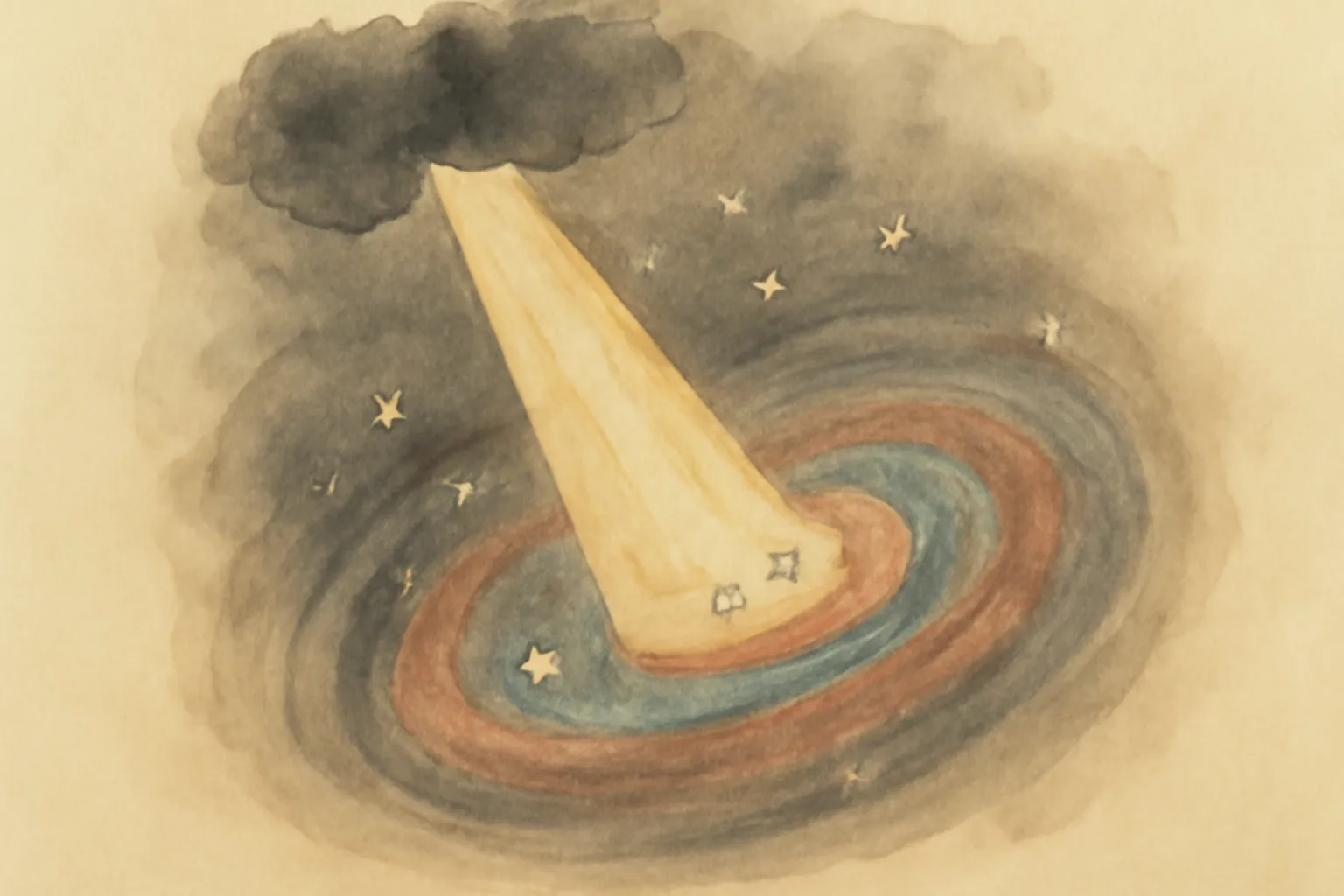
1.The Triumph of Love Over Darkness
At its core, the novel is a battle between forces of light and darkness, both literally and metaphorically. Meg Murry’s journey to rescue her father is not just a physical quest but a test of emotional strength. The story insists that love—especially the fierce, imperfect love of family—is the most potent weapon against evil and despair. L’Engle suggests that darkness thrives on fear, conformity, and apathy, but love breaks through these barriers, offering hope and redemption.
2.Celebrating Individuality and Flaws
Meg, the protagonist, is awkward, stubborn, and often feels out of place. Rather than being a liability, her flaws become her greatest strengths. The book champions the idea that being different is not just acceptable but essential. Each main character’s uniqueness is vital to the quest’s success, and Meg’s journey is about learning to accept and even embrace her own quirks. L’Engle’s message is clear: individuality is a source of power, not shame.
3.The Dangers of Conformity
Camazotz, the planet ruled by IT, serves as a chilling allegory for the perils of enforced sameness and loss of free will. Here, everyone behaves identically, and any deviation is punished. Through this dystopian vision, L’Engle critiques societal pressures to conform and warns of the spiritual and intellectual stagnation that results when individuality is suppressed.
4.Science and Spirituality Intertwined
L’Engle weaves scientific concepts like tesseracts and fifth dimensions with spiritual and philosophical questions. The book doesn’t shy away from discussing faith, purpose, and the nature of good and evil, suggesting that science and spirituality can coexist and enrich each other. This blend encourages readers to approach the universe with both curiosity and wonder.
5.Courage in the Face of the Unknown
Throughout the novel, Meg, Charles Wallace, and Calvin face terrifying and unfamiliar challenges. Their courage is not the absence of fear, but the willingness to act despite it. L’Engle emphasizes that bravery often means moving forward even when the outcome is uncertain, and that true heroism lies in persistence and compassion.
6.The Power of Connection
Relationships—between siblings, friends, and mentors—are central to the characters’ survival and growth. The mysterious Mrs. Whatsit, Mrs. Who, and Mrs. Which guide the children, but it is their trust in one another that ultimately enables them to succeed. The novel suggests that connection and empathy are fundamental to overcoming adversity.