1.Blending Fiction and Fact
AI 2041 stands out by pairing ten speculative short stories with in-depth essays that unpack the AI technologies depicted. This dual approach makes complex concepts accessible, allowing readers to emotionally engage with possible futures while also gaining a solid understanding of the science and ethics behind them. The stories serve as thought experiments, while the essays ground them in current research and plausible trajectories.
2.AI’s Ubiquity in Daily Life
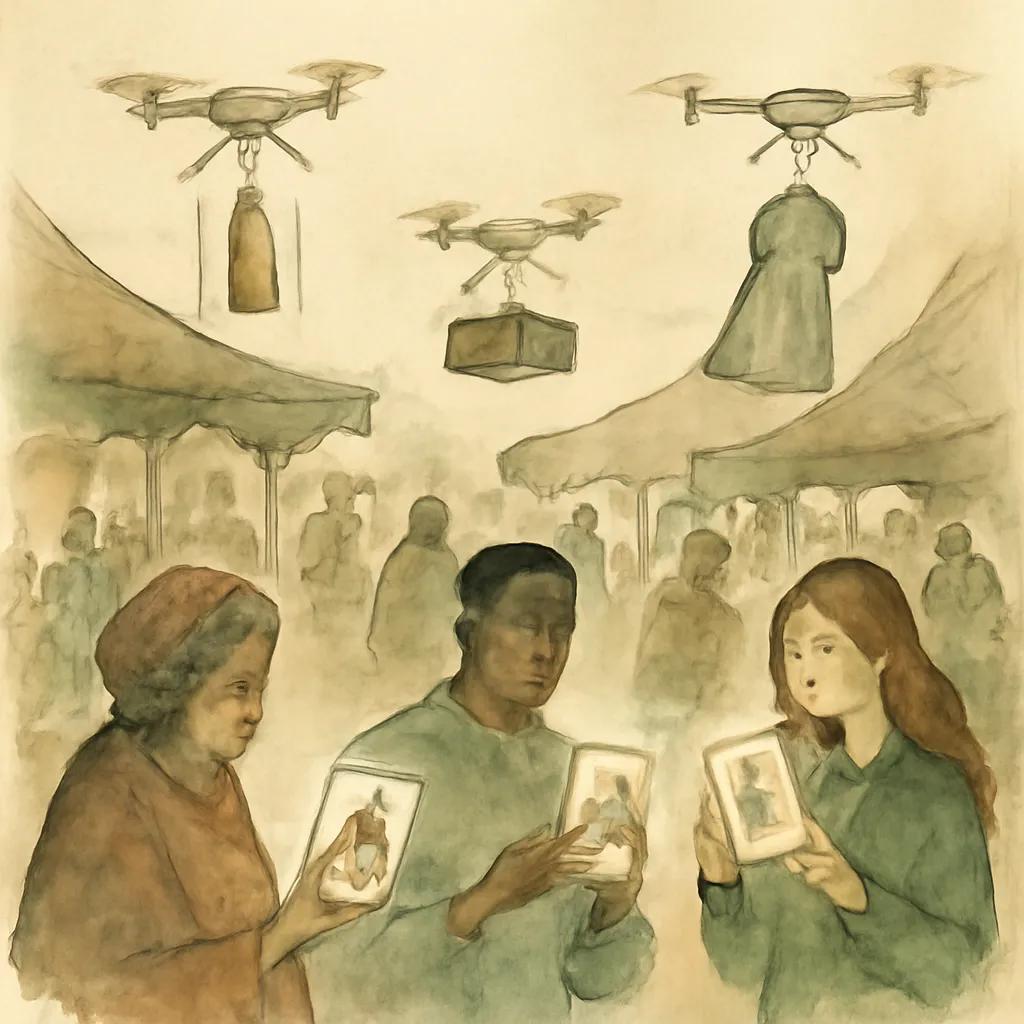
The book illustrates how AI will permeate every aspect of society—from healthcare and education to employment, entertainment, and even romance. Rather than focusing solely on robots or automation, Lee and Chen explore nuanced ways AI will augment human abilities, personalize experiences, and reshape social structures. This vision is neither utopian nor dystopian, but a nuanced exploration of both opportunity and disruption.
3.The New Economy and Job Disruption
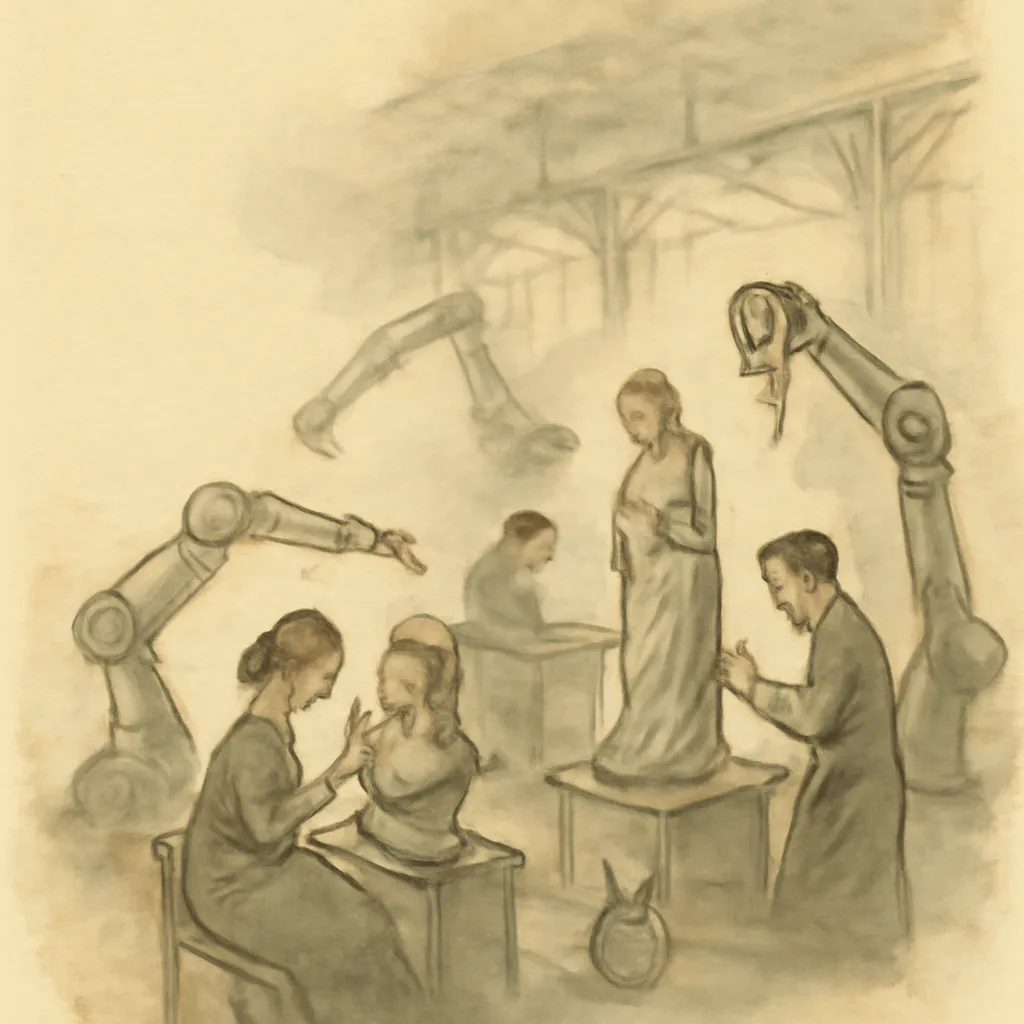
One of the central themes is how AI will impact the workforce. The authors predict significant disruption in routine and repetitive jobs, but also highlight the emergence of new roles requiring creativity, empathy, and complex problem-solving. They argue that societies must prepare for this transition through education reform, lifelong learning, and social safety nets to ensure broad-based prosperity.
4.Ethical and Social Challenges
AI 2041 doesn’t shy away from the darker side of technological progress. Issues like surveillance, bias, privacy, and inequality are woven into the stories and addressed directly in the essays. The book emphasizes the importance of proactive governance, ethical frameworks, and international cooperation to steer AI development toward the common good.
5.Global Perspectives and Diversity
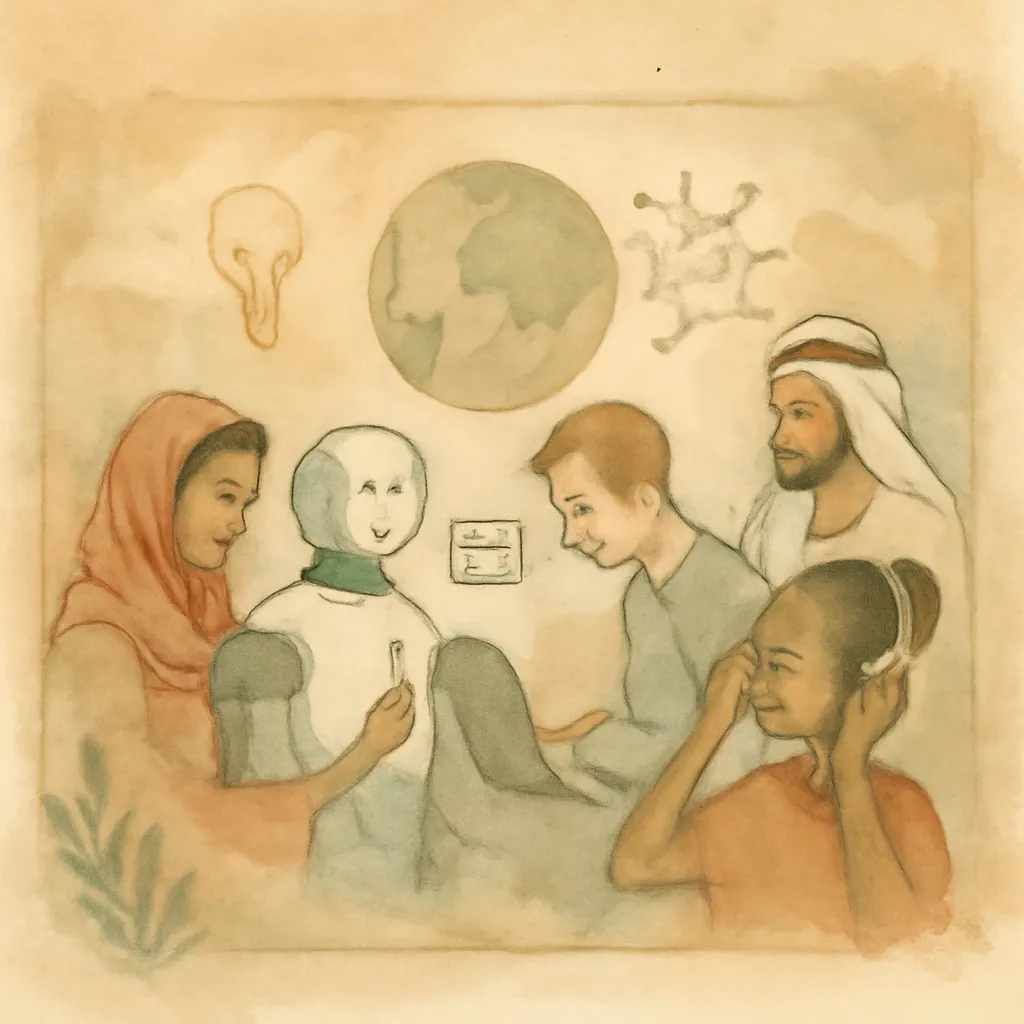
Unlike many Western-centric tech books, AI 2041 features stories set around the world, reflecting diverse cultures and socioeconomic contexts. This global lens highlights how AI’s impact will differ by region and underscores the importance of inclusive innovation that considers local values and needs.
6.Human-AI Collaboration
Rather than framing AI as a replacement for humans, the book envisions a future where humans and AI systems collaborate, each amplifying the strengths of the other. The most successful outcomes, the authors suggest, will come from partnerships that combine human creativity and empathy with machine efficiency and scale.