1.Intersectionality Before the Term
Long before 'intersectionality' became a buzzword, hooks analyzed how racism and sexism are inseparable in Black women’s lives. She argues that Black women’s oppression cannot be understood by looking at race or gender alone—both must be considered together, as they shape each other in complex ways. This insight challenges single-issue activism and calls for a feminism that centers those most marginalized.
2.Historical Roots of Stereotypes
hooks traces harmful stereotypes of Black women—like the 'mammy' and 'jezebel'—back to slavery. She shows how these images were used to justify exploitation and violence, and how they continue to affect Black women’s lives and self-image. By exposing these roots, hooks urges readers to recognize the enduring impact of history on contemporary attitudes and policies.
3.Critique of White Feminism
The book is a sharp critique of mainstream (white) feminism’s failure to address the specific needs and voices of Black women. hooks argues that white feminists often ignored or dismissed Black women’s experiences, reinforcing racial hierarchies even within movements for gender equality. She calls for a more inclusive, anti-racist feminism.
4.Impact of Sexism in Black Communities
hooks also turns a critical eye to Black liberation movements, showing how Black women were often subordinated or silenced in the fight for racial justice. She details how internalized sexism limited Black women’s leadership and participation, and how liberation requires confronting both racism and patriarchy within all communities.
5.Psychological Consequences of Oppression
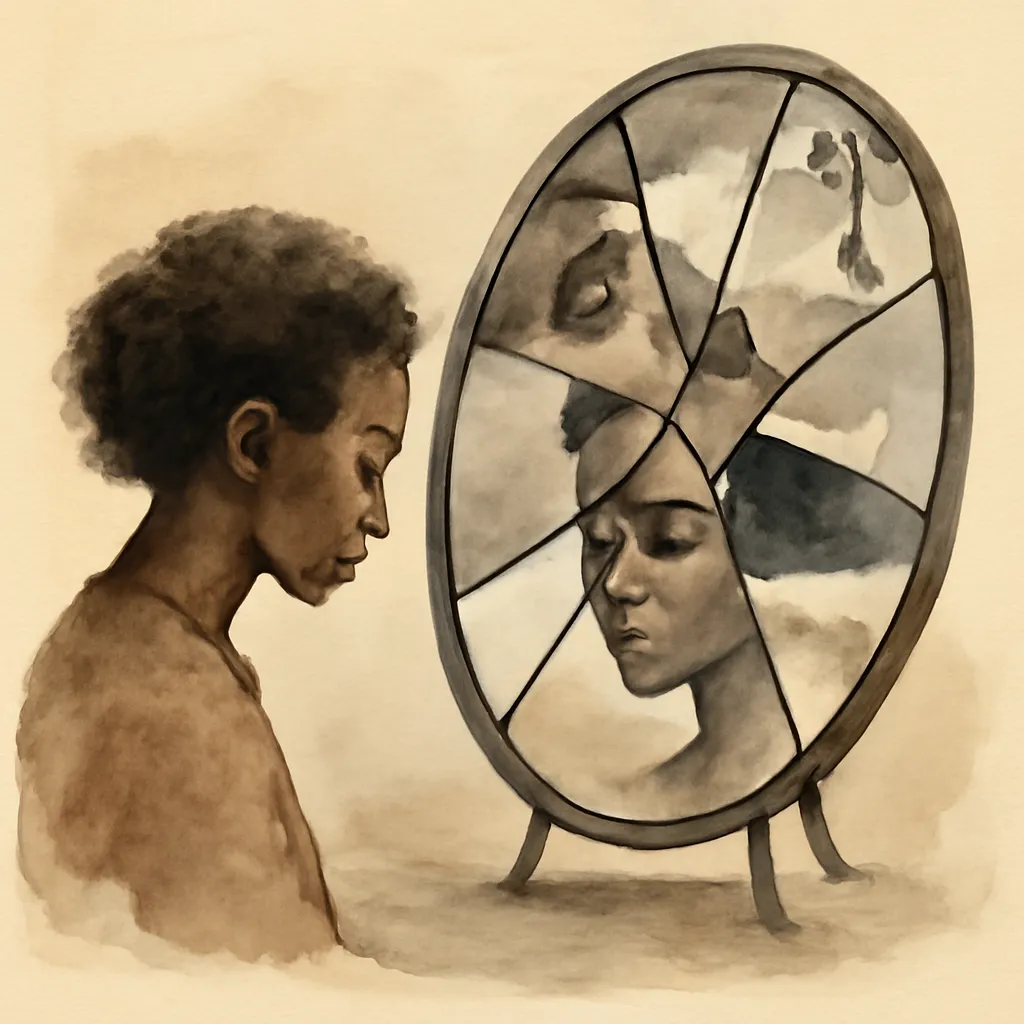
Ain't I a Woman explores the psychological toll of being doubly marginalized. hooks discusses how Black women have been denied self-worth and agency, both by white society and by Black men. She argues that reclaiming Black women’s voices and histories is essential for healing and for building a more just society.
6.Vision for Revolutionary Change
Rather than offering simple solutions, hooks calls for a radical rethinking of feminism and liberation. She insists that true social change must confront the intertwined systems of racism and sexism, and that Black women’s experiences and leadership are key to any transformative movement.