1.The Power of Personal Narrative
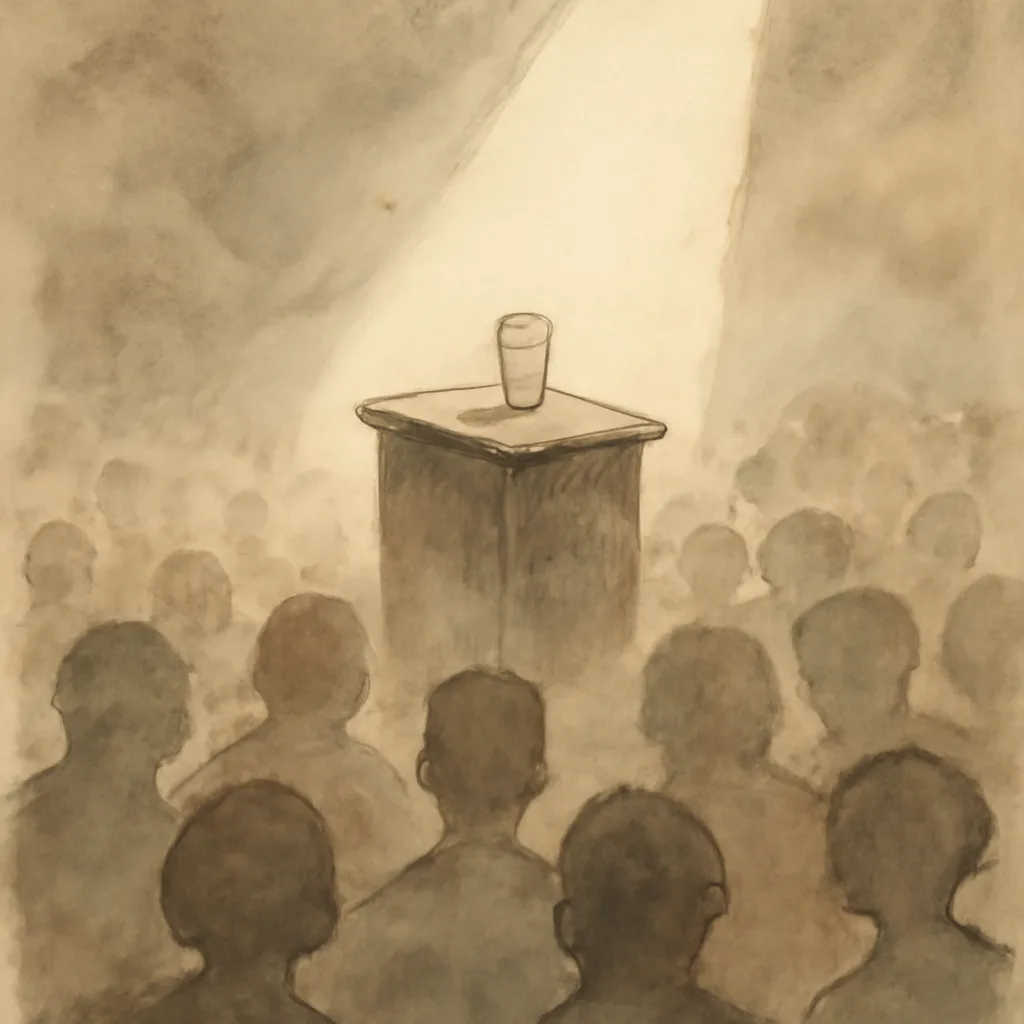
The novel opens in a dingy hall in Whitechapel, where the orator Paul Boriskoff captures the audience's attention with his heartfelt story. His tears and raw emotion resonate deeply with the diverse assembly, highlighting how personal narratives can transcend barriers and unite people. This scene sets the tone for the entire book, illustrating the power of storytelling as a means of expressing suffering and injustice. Boriskoff's recounting of his life—marked by loss of wealth and liberty—serves as a catalyst for the characters' actions, emphasizing the need for a voice in a world often characterized by silence and oppression. The audience's reaction underscores the importance of empathy and understanding in the face of shared struggles, reinforcing that personal stories are not just individual experiences but universal cries for justice and acknowledgment.
2.Love and Yearning Amidst Despair
Alban Kennedy's relationship with Lois Boriskoff is steeped in innocence and longing, representing a glimmer of hope in an otherwise bleak existence. Their conversations reveal Lois's desperation to escape her oppressive life, while Alban's reluctance to act on his feelings reflects his internal conflict. This dynamic illustrates how love can be both a source of inspiration and a burden, as Alban grapples with his inability to fully commit to Lois amidst his own struggles. Their connection serves as a poignant reminder of the transformative power of love, even when constrained by societal expectations and personal fears. The tension between their desires and the harsh realities of their surroundings encapsulates the emotional core of the narrative, putting into perspective the weight of hope against the backdrop of despair and highlighting how yearning for a better life can be both a motivator and a source of pain.
3.The Allure of the West End
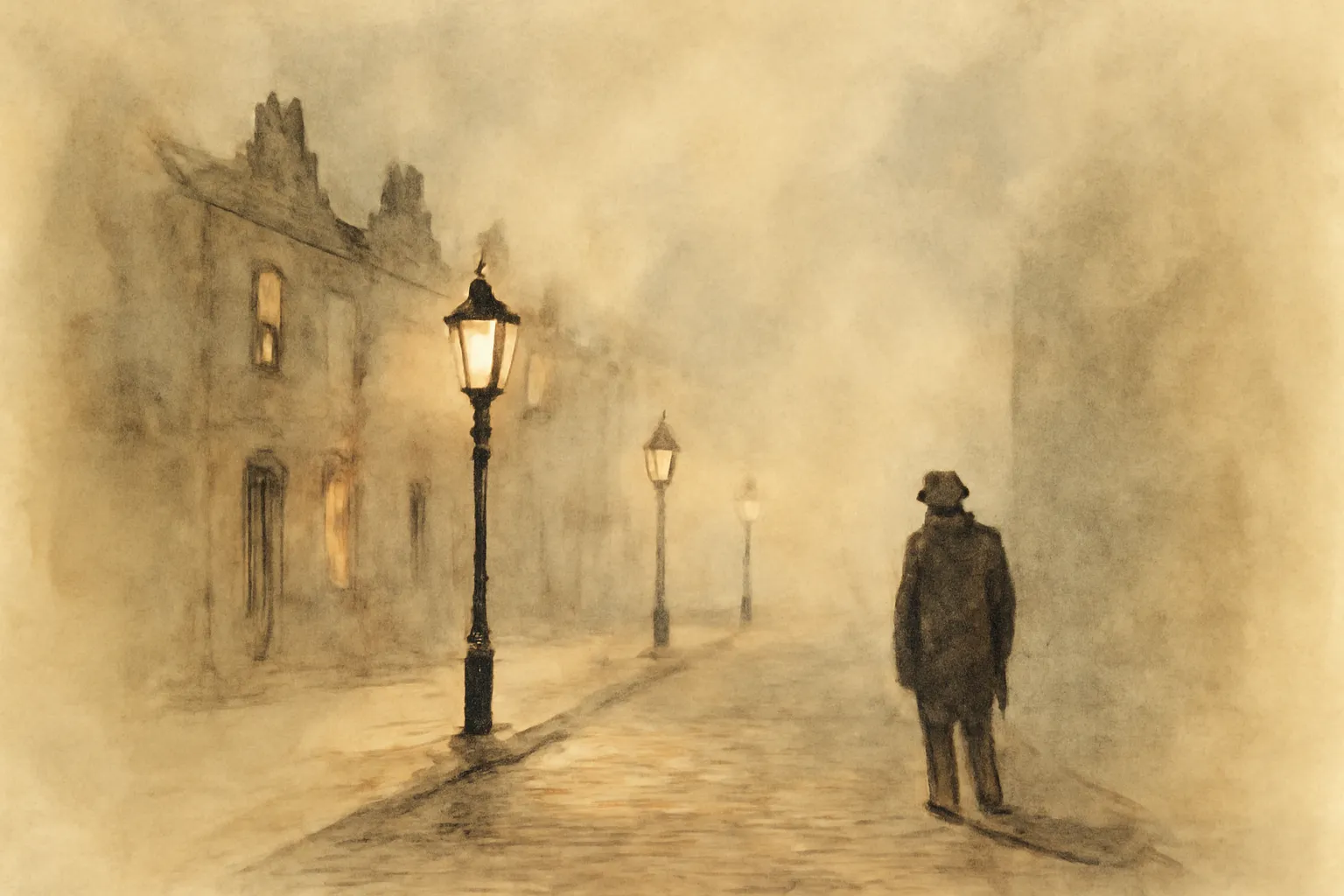
Alban's fascination with the West End of London highlights the stark contrast between wealth and poverty. His excursions into this world serve as a form of escapism, allowing him to momentarily detach from the grim realities of his life in the East End. Pemberton vividly describes Alban's experiences as he envisions himself as part of the elite society he observes, emphasizing the allure of wealth and the dreams it inspires. However, this allure is juxtaposed with his awareness of the struggles faced by those in his own community, creating a sense of internal conflict. The West End symbolizes both aspiration and disillusionment, reminding readers that the pursuit of happiness often comes at a cost. Alban's dream is to transcend his circumstances, yet he is constantly reminded that the life he yearns for is built upon the suffering of others, complicating his desires with guilt and responsibility.
4.The Caves: A Metaphor for Despair
The labyrinthine caves beneath London serve as a powerful metaphor for the hidden struggles of society's outcasts. These subterranean spaces are inhabited by the destitute and marginalized, reflecting the darker side of urban life. Alban's fascination with the caves reveals his morbid curiosity and his desire to understand the lives of those who dwell in the shadows. As he encounters various characters in these depths, he gains insight into the complexities of human existence and the harsh realities faced by those who are often overlooked. The caves represent both a refuge and a prison, illustrating the duality of human experience and the struggle for survival in a city that thrives on inequality. Pemberton uses these dark spaces to contrast Alban's aspirations with the stark truth of those living in the margins, emphasizing that while some may seek the light, others are forever trapped in darkness.
5.Class Struggles and Social Commentary
Pemberton's narrative is rich with social commentary, particularly regarding the class struggles that define early 20th-century London. Through characters like Richard Gessner, the wealthy banker, and the Boriskoffs, Pemberton critiques the moral ambiguity of the upper class, juxtaposing their wealth with the suffering of the working poor. Gessner's complex character embodies the contradictions of privilege; while he offers kindness to Alban, he is also implicated in the systemic injustices that oppress others. This tension invites readers to question the ethical implications of wealth and the responsibilities of those in power. The exploration of class dynamics serves as a poignant reminder of the social disparities that persist in society, as Pemberton illustrates how economic disparity leads to moral and ethical dilemmas and how those in power often fail to recognize the humanity of those they exploit.
6.The Search for Identity

Alban's journey is also one of self-discovery as he grapples with his identity amidst conflicting influences. His experiences in the West End and the caves force him to confront his values and aspirations, challenging him to define who he truly is. The contrast between his life in Hampstead and his past in the East End creates a sense of dislocation, prompting him to reconcile these disparate aspects of his identity. His interactions with characters like Anna Gessner and Willy Forrest further complicate his journey, as each represents different facets of society and ambition. The search for identity also reflects the notion that personal aspirations are often connected to societal expectations, and Alban must navigate these waters carefully, balancing his dreams with the realities of his circumstances and the people around him. Alban's quest highlights the universal struggle for self-definition in a world that often imposes labels and limitations on individuals.
7.The Role of Women
The female characters in 'Aladdin of London' are portrayed with depth and nuance, challenging traditional gender roles of the time. Lois Boriskoff's struggle for autonomy amidst her father's oppressive control showcases the limited agency afforded to women in society. Similarly, Anna Gessner embodies both privilege and entrapment, as her beauty and wealth do not shield her from the emotional turmoil of her relationships. Pemberton's portrayal of these women reveals the complexities of their desires and the societal expectations that confine them. Through their narratives, the novel critiques the patriarchal structures that dictate women's lives, inviting readers to consider the broader implications of gender inequality. Both Lois and Anna's journeys serve as poignant reminders that women's struggles for independence and recognition often play out against a backdrop of male dominance, complicating their relationships and defining their paths.
8.Betrayal and Loyalty
The theme of betrayal looms large in the narrative, particularly in the relationships between Alban, Gessner, and the Boriskoffs. As Alban becomes more entangled in Gessner's world, he faces moral dilemmas that challenge his loyalty to his friends. The tension between ambition and integrity is palpable as Alban grapples with the consequences of his choices. Gessner's manipulations and the political machinations surrounding the Boriskoffs reveal the fragility of trust in a world marked by self-interest. Pemberton deftly explores the complexities of loyalty, illustrating how the characters' actions are often driven by desperation and the desire for survival. This exploration of betrayal highlights the precarious nature of human relationships, especially in a society where one's ambitions can often lead to the sacrifice of personal connections.
9.The Impact of Political Turmoil
Set against the backdrop of political upheaval in Warsaw, the novel reflects the broader implications of revolutionary fervor and its impact on individuals. The characters' lives are irrevocably altered by the events unfolding in their homeland, illustrating how political struggles ripple through personal narratives. Alban's journey to Warsaw underscores the interconnectedness of individual and collective experiences, as he seeks to navigate a landscape fraught with danger and uncertainty. Pemberton's exploration of political themes serves as a reminder of the power of history to shape lives, prompting readers to consider how current events continue to influence personal destinies. The narrative's intertwining of personal and political struggles serves as a stark reminder that the quest for justice and freedom is often perilous, demanding sacrifices from those who dare to fight for change.
10.Redemption and Justice
Ultimately, 'Aladdin of London' is a story about redemption and the quest for justice. Alban's journey is marked by a desire to right the wrongs of the past, particularly in relation to Lois and her father. His determination to rescue them from their plight reflects a broader yearning for justice in a world rife with inequality and suffering. Pemberton's portrayal of Alban's moral awakening invites readers to reflect on their own responsibilities in seeking justice for others. The novel culminates in a powerful exploration of the transformative potential of compassion and the impact of individual actions on the larger societal fabric. Alban's quest for redemption not only seeks to save others but also serves as a path to his own salvation, illustrating the notion that true justice is often a collective pursuit requiring courage and empathy.