1.Hamilton’s Immigrant Origins and Ambition
Chernow emphasizes Hamilton’s rise from illegitimate, impoverished beginnings in the Caribbean to the pinnacle of American power. This outsider status shaped his relentless drive and his belief in meritocracy over inherited privilege. The biography makes clear that Hamilton’s ambition was not just personal but was rooted in a vision for a dynamic, upwardly mobile America. His story challenges the notion that the Founding Fathers were a homogeneous elite, highlighting the diversity of backgrounds and ideas that forged the nation.
2.The Architect of American Finance
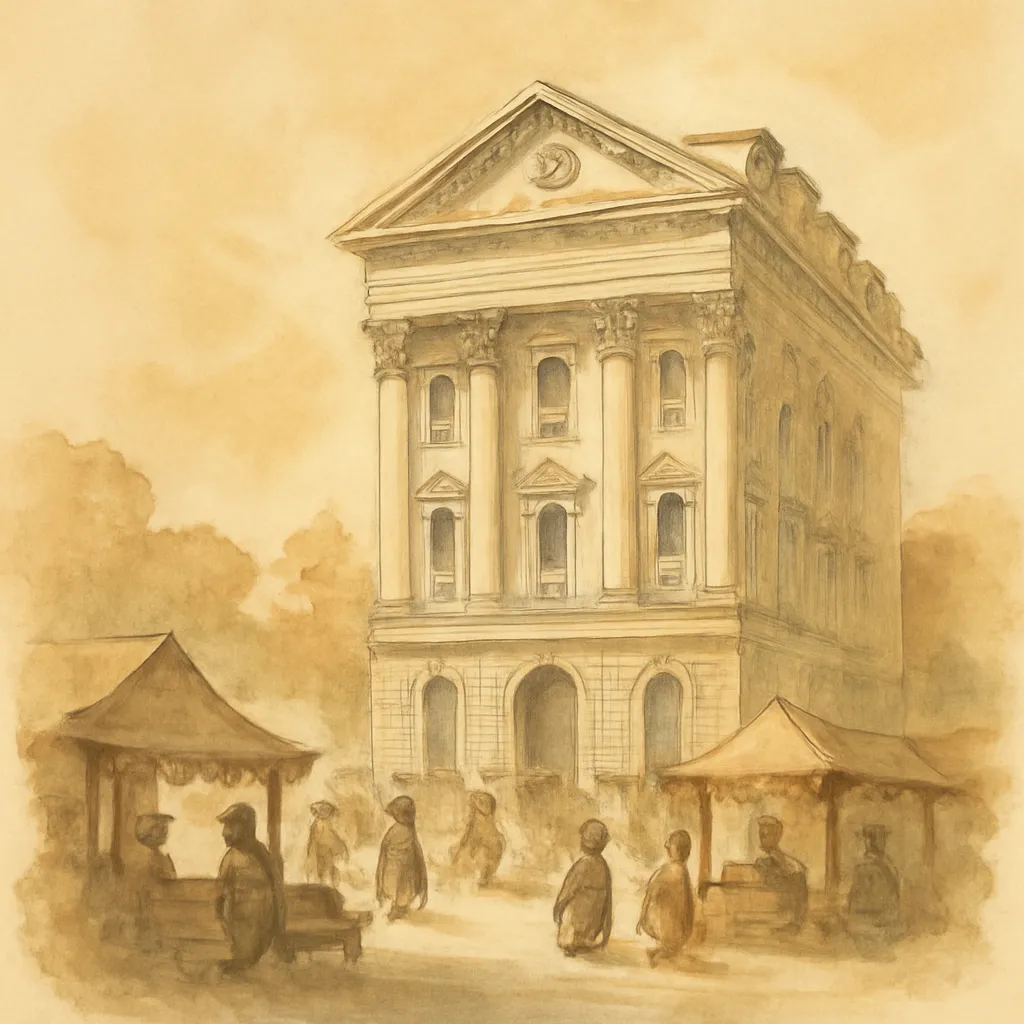
A central theme is Hamilton’s creation of the modern American financial system. Chernow details how Hamilton, as the first Secretary of the Treasury, established the national bank, managed the federal debt, and laid the groundwork for a robust economy. These innovations were controversial in their time, but Chernow argues that they were essential to national survival and prosperity. The biography explores the fierce political battles over these policies, showing Hamilton’s willingness to take bold, sometimes unpopular, stands for what he believed was the country’s future.
3.Political Genius and Polarization
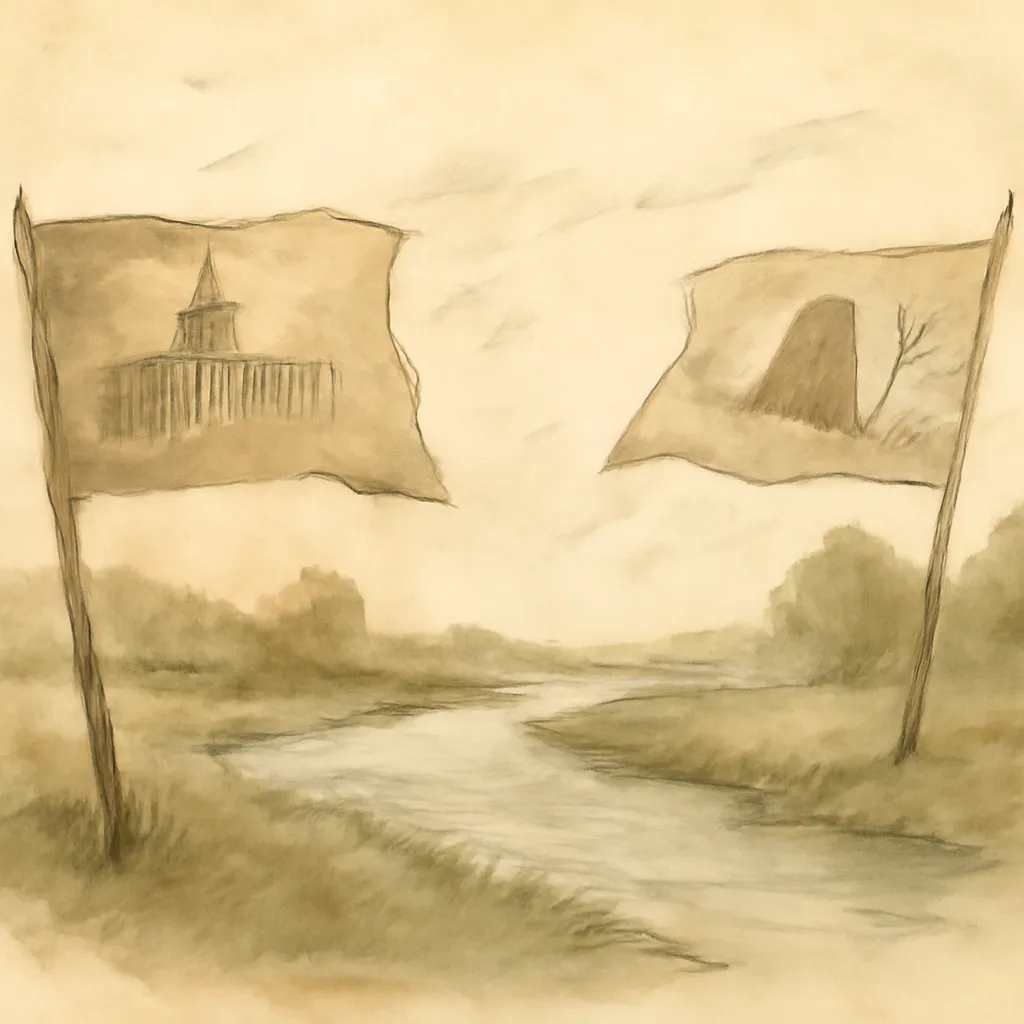
Chernow portrays Hamilton as both a brilliant political strategist and a lightning rod for controversy. His vision of a strong central government clashed with Thomas Jefferson’s agrarian ideals, igniting the first great partisan divide in American politics. The book explores how Hamilton’s combative style and uncompromising principles made him both indispensable and deeply divisive, laying the groundwork for America’s enduring two-party system.
4.Personal Flaws and Public Scandals
The biography doesn’t shy away from Hamilton’s personal shortcomings—his impulsiveness, pride, and involvement in the nation’s first major sex scandal. Chernow examines how Hamilton’s personal life intertwined with his public role, often to his detriment. These flaws humanize Hamilton, making his achievements all the more remarkable given the obstacles he created for himself, and showing how personal character can shape—and sometimes undermine—public legacy.
5.Legacy and Relevance Today
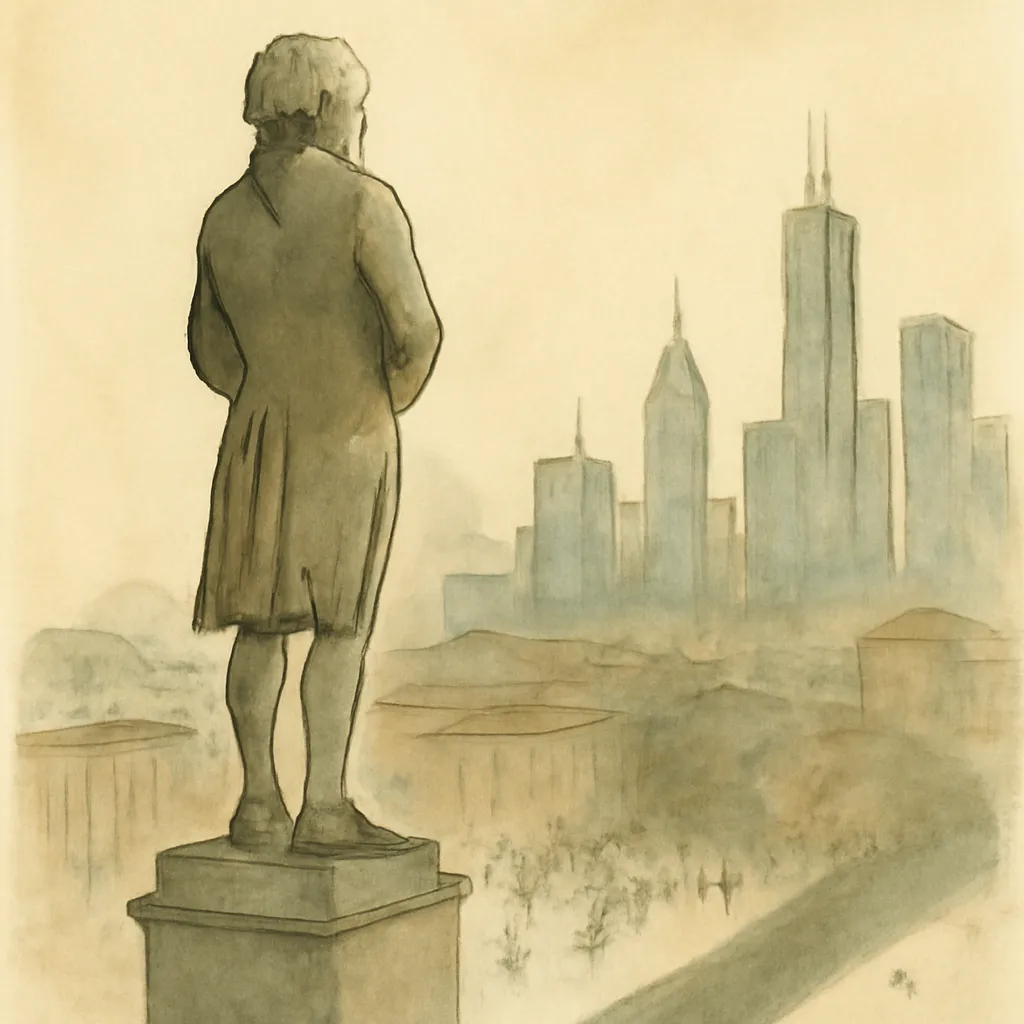
Chernow argues that Hamilton’s ideas—on finance, federal power, and America’s place in the world—are foundational to the modern United States. The book contends that to understand contemporary debates about government, economics, and citizenship, one must grapple with Hamilton’s legacy. Chernow’s Hamilton is not just a figure of the past, but a lens through which to view present-day America.