1.Mathematics as a Universal Language
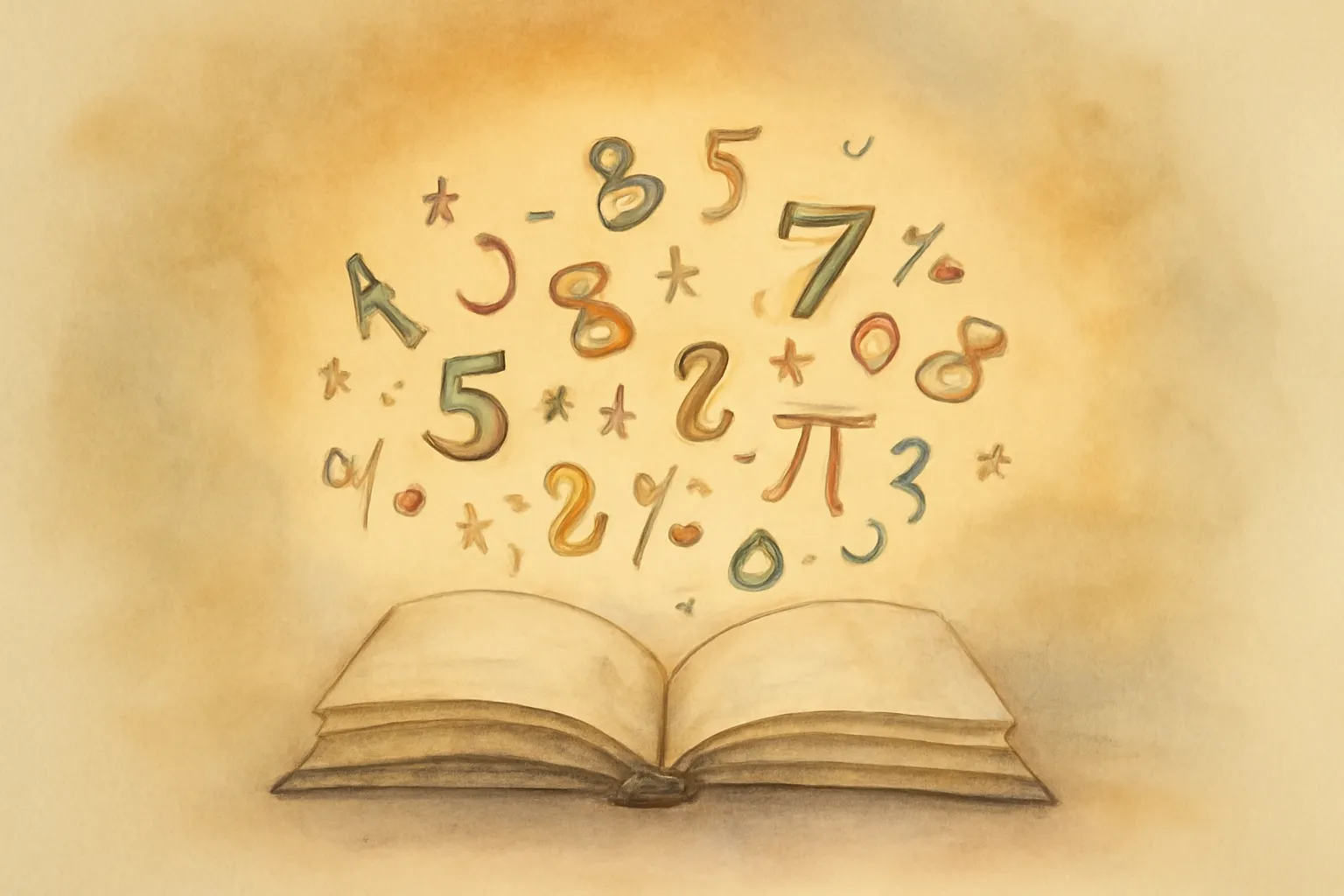
Bellos illustrates how mathematics transcends cultural and linguistic barriers, acting as a universal language that connects people across time and geography. Through anecdotes and examples from different cultures, he demonstrates how basic mathematical ideas—like counting, patterns, and shapes—are found everywhere, yet are interpreted in unique ways. This universality not only highlights the shared human experience but also the creativity inherent in mathematical thinking.
2.The Joy of Mathematical Curiosity
A central theme is the sheer delight that comes from mathematical discovery. Bellos brings to life the playful side of math, from puzzles and games to surprising paradoxes. He invites readers to approach math with curiosity rather than anxiety, emphasizing that the subject is less about rote calculation and more about exploration, questioning, and wonder. This reframing helps demystify math and makes it approachable for readers of all backgrounds.
3.Historical and Cultural Perspectives
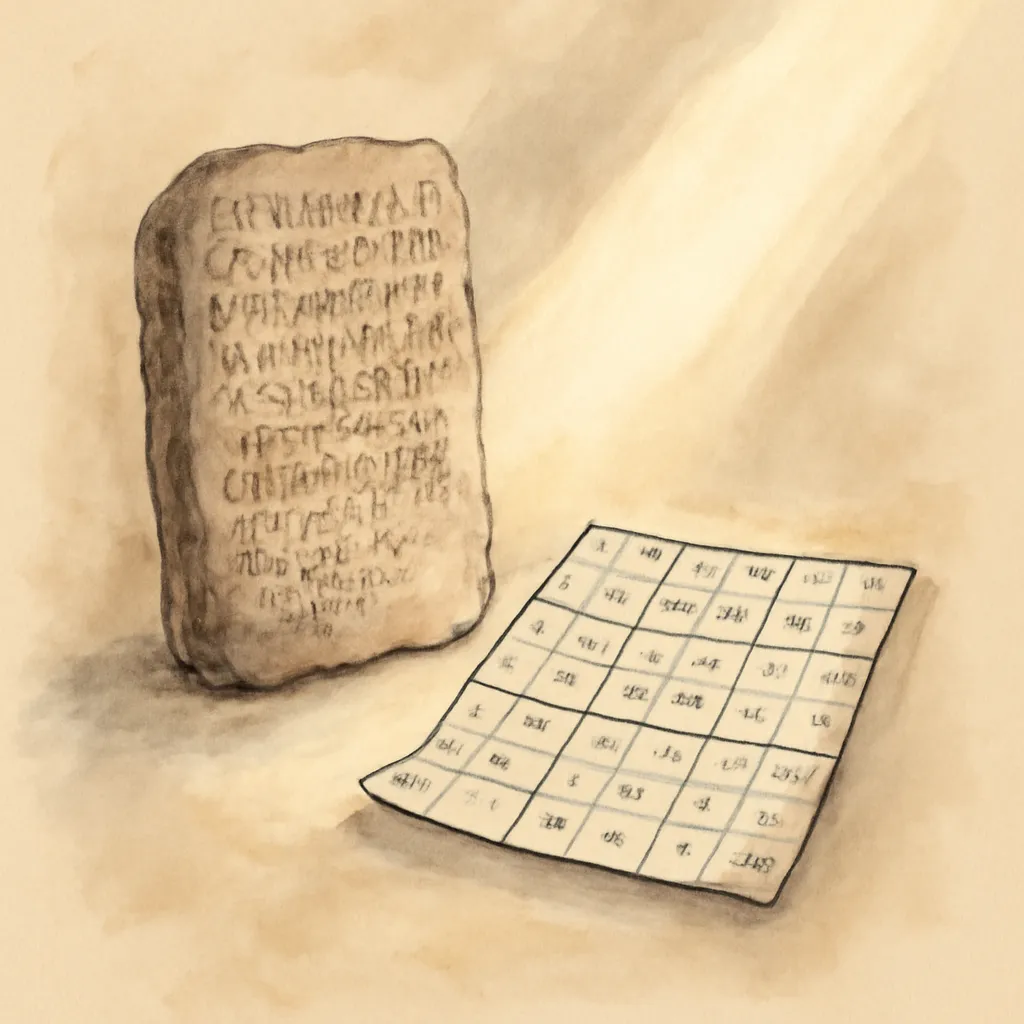
The book is rich with stories about how mathematical ideas developed across civilizations, from ancient Babylonian number systems to modern-day Sudoku. Bellos traces the evolution of concepts like zero, infinity, and probability, showing how they emerged in response to practical needs and philosophical questions. By situating math within its historical and cultural context, he reveals its deep relevance to human progress.
4.The Power and Limits of Numbers
Bellos explores both the strengths and the pitfalls of relying on numbers to understand the world. He discusses how numbers can clarify, quantify, and predict, but also how they can mislead or oversimplify complex realities. Through engaging examples—like lottery odds, voting systems, and statistics—he encourages readers to think critically about the numbers they encounter in daily life.
5.Mathematics in Everyday Life
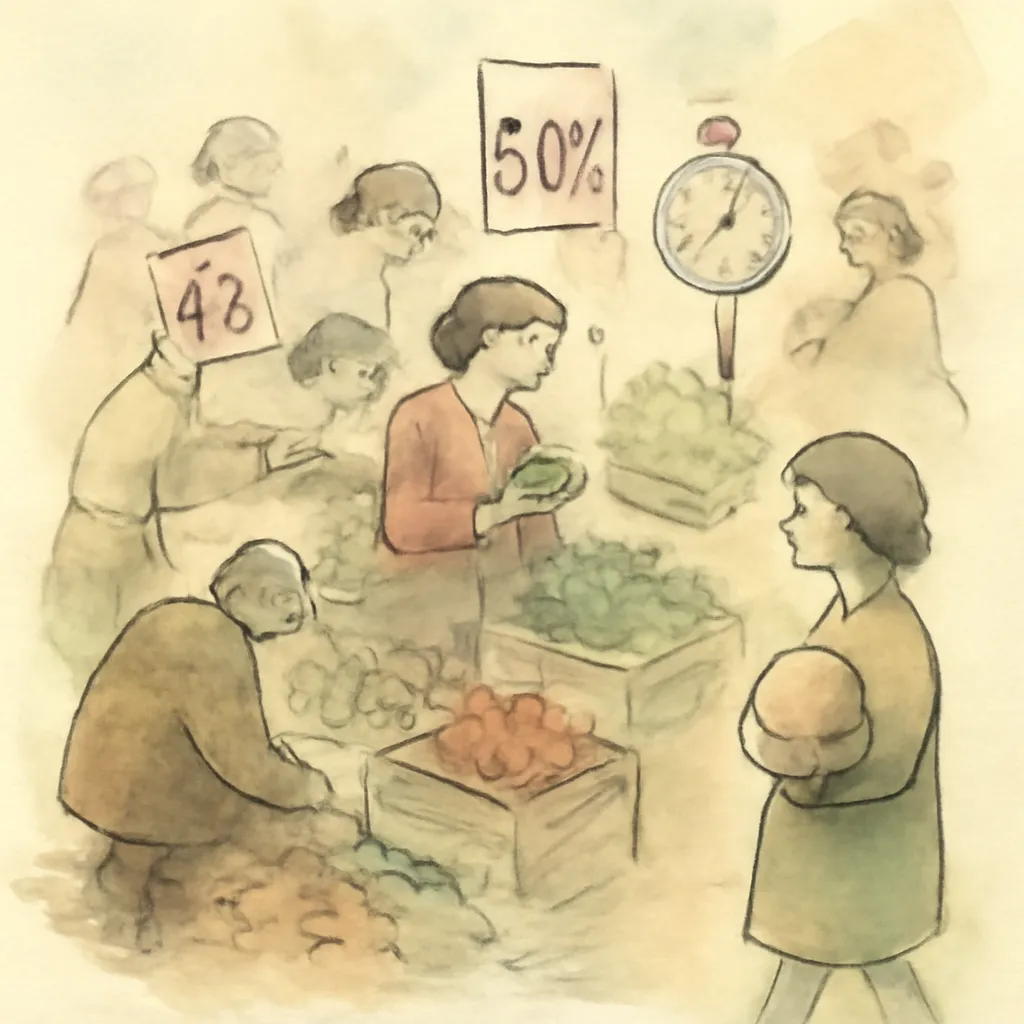
Far from being an abstract discipline, mathematics is shown to be woven into the fabric of everyday experiences. Bellos uncovers the math behind familiar activities like shopping, cooking, and sports, making the subject immediately relevant. This practical angle helps readers appreciate math not just as an academic subject, but as a toolkit for navigating the world.
6.The Beauty and Creativity of Math
The narrative emphasizes the aesthetic side of mathematics—its patterns, symmetry, and elegance. Bellos shares stories of mathematicians who are driven by a sense of beauty, and he highlights puzzles and problems that have captivated thinkers for centuries. This focus on beauty helps readers see math as an art form as much as a science.