1.The Beauty of Evelyn Cameron
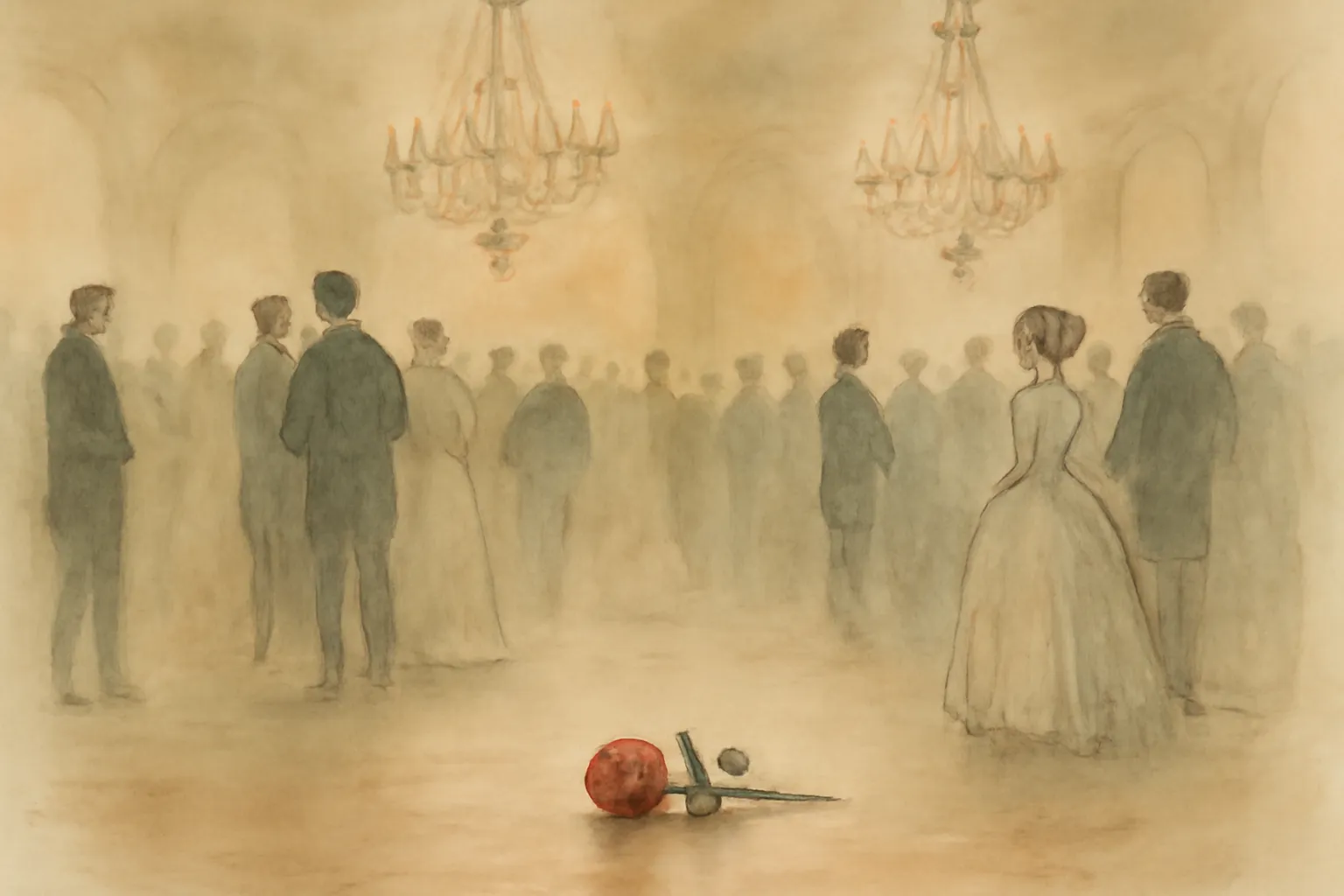
Evelyn Cameron is depicted as the epitome of beauty, possessing a charm that captivates those around her. Her beauty is not merely physical; it emanates from her kind heart and affectionate nature, which draws people in. Lytton illustrates that true beauty lies in the goodness of the soul, as Evelyn's character is defined by her innocence and warmth. The contrast between her genuine nature and the superficial judgments of society highlights the theme that external beauty can often mask deeper complexities. Evelyn's interactions with others reveal how her beauty affects their perceptions and expectations, leading to both admiration and envy. The way she engages with her surroundings, whether in the tranquil Devonshire cottage or alongside the sea, emphasizes her connection to nature and her pure spirit. This beauty becomes both a blessing and a curse, as it attracts attention but also places her under societal scrutiny.
2.Lady Vargrave's Inner Conflict
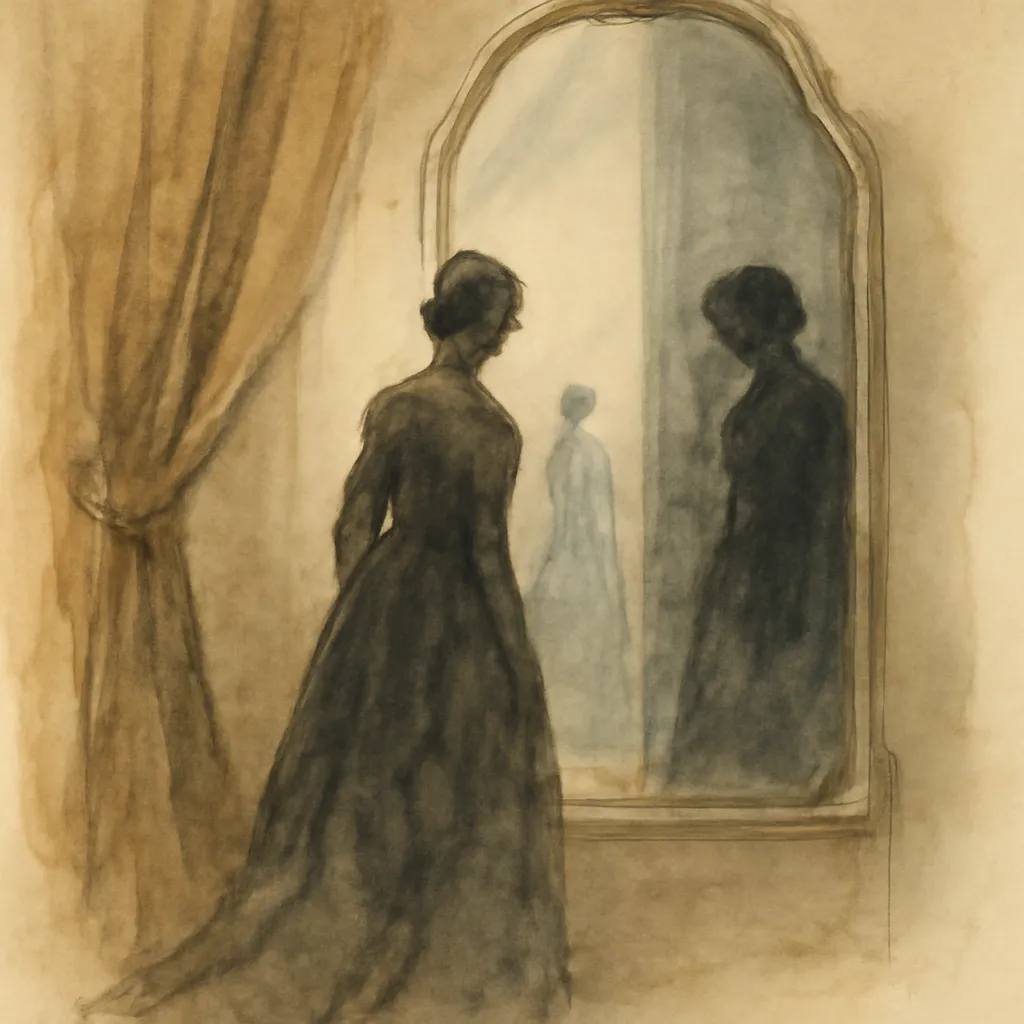
Lady Vargrave embodies the tension between societal expectations and personal desires. As a widow devoted to her daughter, she grapples with the weight of her past while trying to secure a future for Evelyn. Her character reflects the struggles many women faced in a patriarchal society, where their worth was often tied to marriage and social standing. Lytton delves into Lady Vargrave's emotional landscape, showcasing her love for Evelyn and her desire to protect her from the harsh realities of the world. This internal conflict is further complicated by her own unfulfilled dreams, making her a poignant representation of the sacrifices women make for their families. Lady Vargrave's longing for companionship and her hesitance to engage with society reveal a deep-seated melancholy, suggesting that her past choices haunt her. The complexity of her character underscores the novel's exploration of the constraints placed on women, as she navigates her relationships and the desire to remain relevant in a world that often overlooks older women.
3.The Role of Friendship
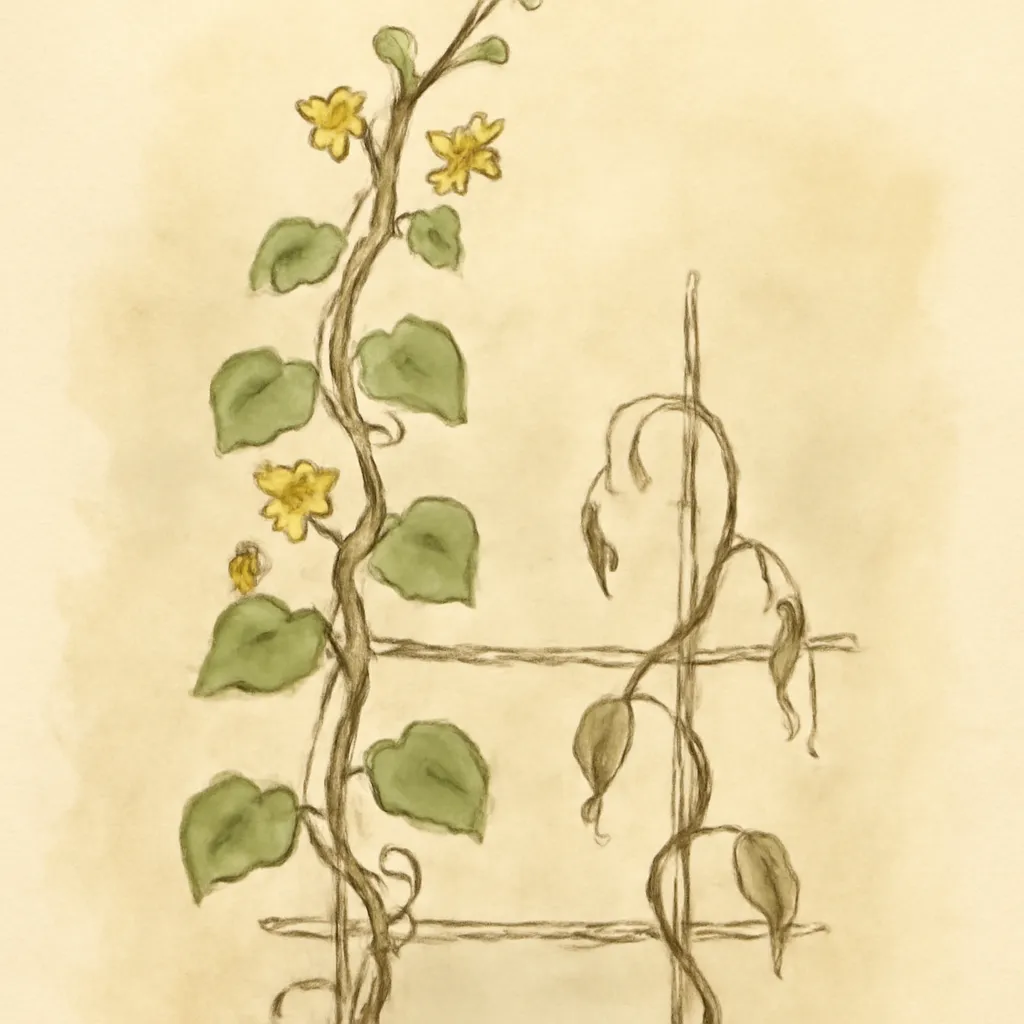
Friendship plays a crucial role in the development of the characters, particularly between Evelyn and Caroline Merton. Their relationship highlights the contrasts between their backgrounds and personalities, as Caroline brings a worldly perspective that challenges Evelyn's innocence. Through their interactions, Lytton explores themes of loyalty, rivalry, and the complexities of female friendships. Caroline's more experienced worldview often serves to enlighten Evelyn, yet it also introduces her to the potential pitfalls of societal expectations. This dynamic serves as a vehicle for Evelyn's growth, as she learns to navigate the intricacies of social life and the expectations placed upon her. The frequent exchanges between the two young women reveal how friendship can be both uplifting and competitive, illustrating the duality of female relationships in a society that often pits women against each other. Their bond, marked by shared experiences and contrasting viewpoints, allows for deeper character exploration, leaving readers to ponder the impacts of friendship on personal growth.
4.The Influence of Society
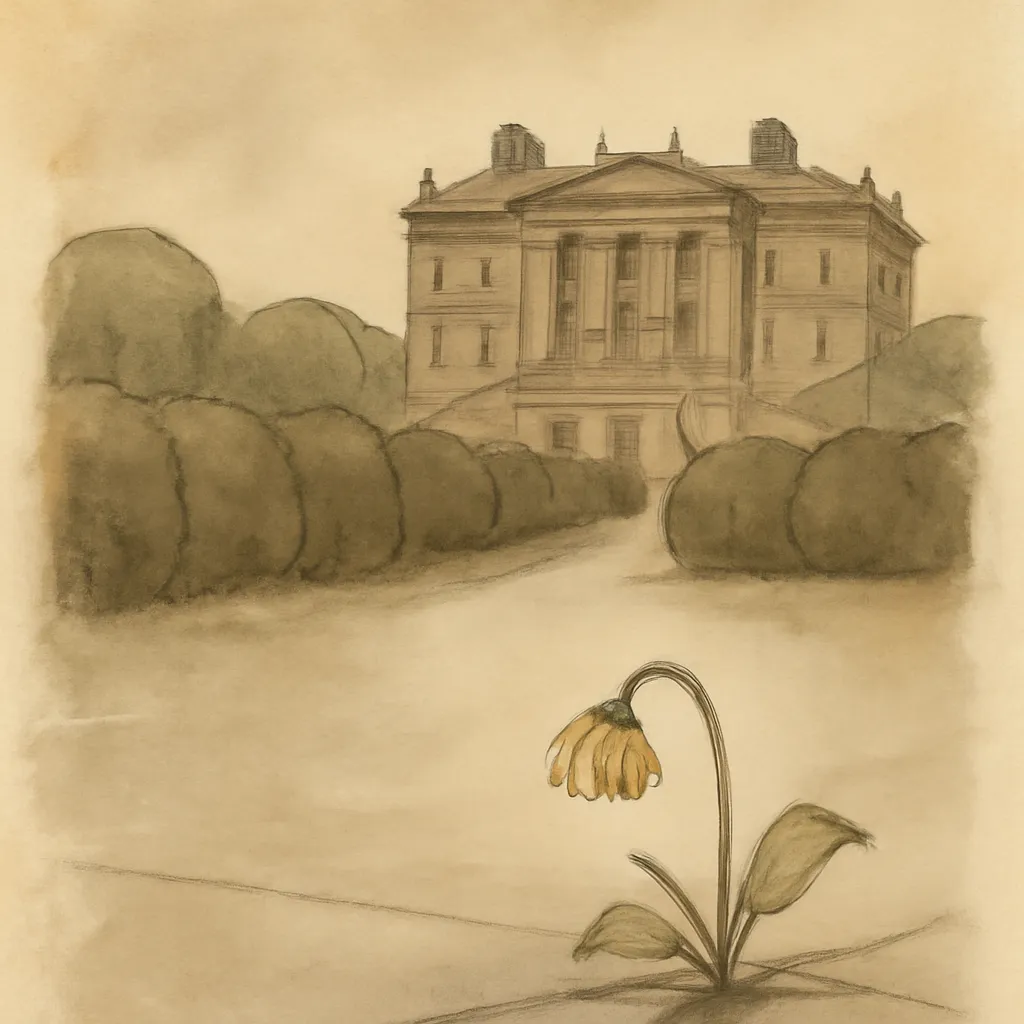
Lytton meticulously crafts a portrayal of Victorian society, emphasizing its rigid structures and the expectations that come with wealth and status. Characters like Lord Vargrave embody the ambitions and machinations of the upper class, where social maneuvering is often more important than genuine human connection. The pressure to conform to societal norms is palpable, as characters grapple with their desires while adhering to the constraints imposed by their social standing. Lytton critiques this society, revealing how it stifles individuality and authentic relationships, leading characters to make choices that are often at odds with their true selves. The expectations placed on Evelyn, as an heiress destined for marriage, illustrate the conflict between personal happiness and social obligation, highlighting how societal norms dictate not only actions but also emotions. This societal critique resonates throughout the novel, as the characters' struggles reflect the broader themes of conformity versus authenticity.
5.The Nature of Love

The novel intricately examines the nature of love through various relationships, particularly the complex feelings between Evelyn and Lord Vargrave. Love is portrayed as both a source of joy and a cause of turmoil, as characters navigate their emotions amidst societal expectations. Lytton suggests that love, while deeply transformative, can also lead to misunderstandings and heartache. The engagement between Evelyn and Lord Vargrave serves as a focal point for exploring the tensions between obligation and desire, highlighting how love can be both a binding force and a source of conflict. Vargrave's affections for Evelyn are complicated by his ambitions and societal aspirations, leading to a relationship marked by tension and uncertainty. Meanwhile, Evelyn's innocence and naivety create a barrier to her understanding of the true nature of their bond, setting the stage for potential conflict as she comes of age. This nuanced portrayal invites readers to reflect on the multifaceted nature of love and its impact on personal choices.
6.The Weight of Expectations
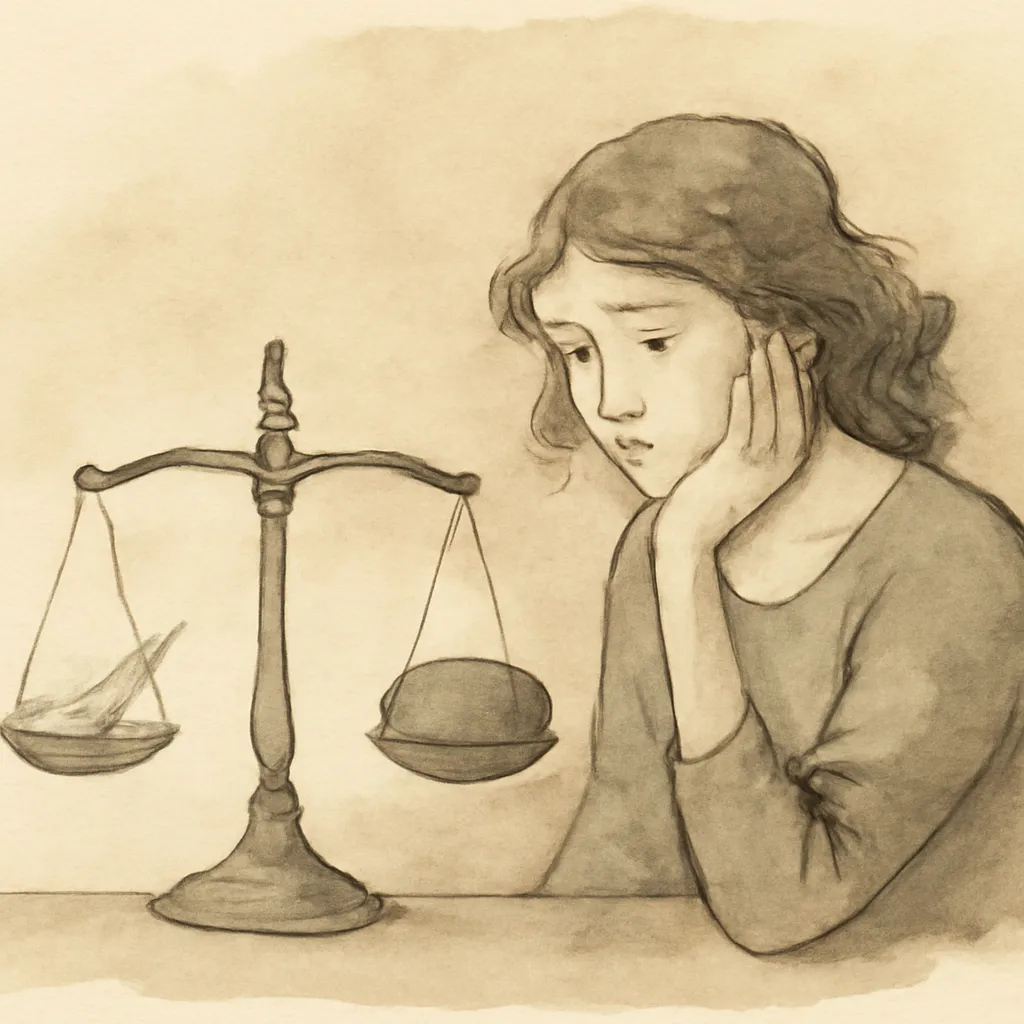
Evelyn's impending marriage to Lord Vargrave is laden with expectations that weigh heavily on her young shoulders. Lytton illustrates the pressure she feels to fulfill her late benefactor's wishes, even as her heart pulls her in different directions. The societal expectation that women marry well for security and status creates a tension that permeates Evelyn's thoughts and actions. This pressure is not only external but also internal, as Evelyn grapples with her own desires and the fear of disappointing those she loves. The narrative highlights the often-unseen burdens placed on women, exploring how these expectations can shape their identities and choices. As Evelyn navigates her feelings for Vargrave, the conflict between duty and desire becomes increasingly pronounced, leading her to question what it truly means to love and be loved in return. Lytton poignantly captures the struggle between personal happiness and societal obligation, inviting readers to consider the consequences of such expectations.
7.The Dichotomy of Innocence and Experience
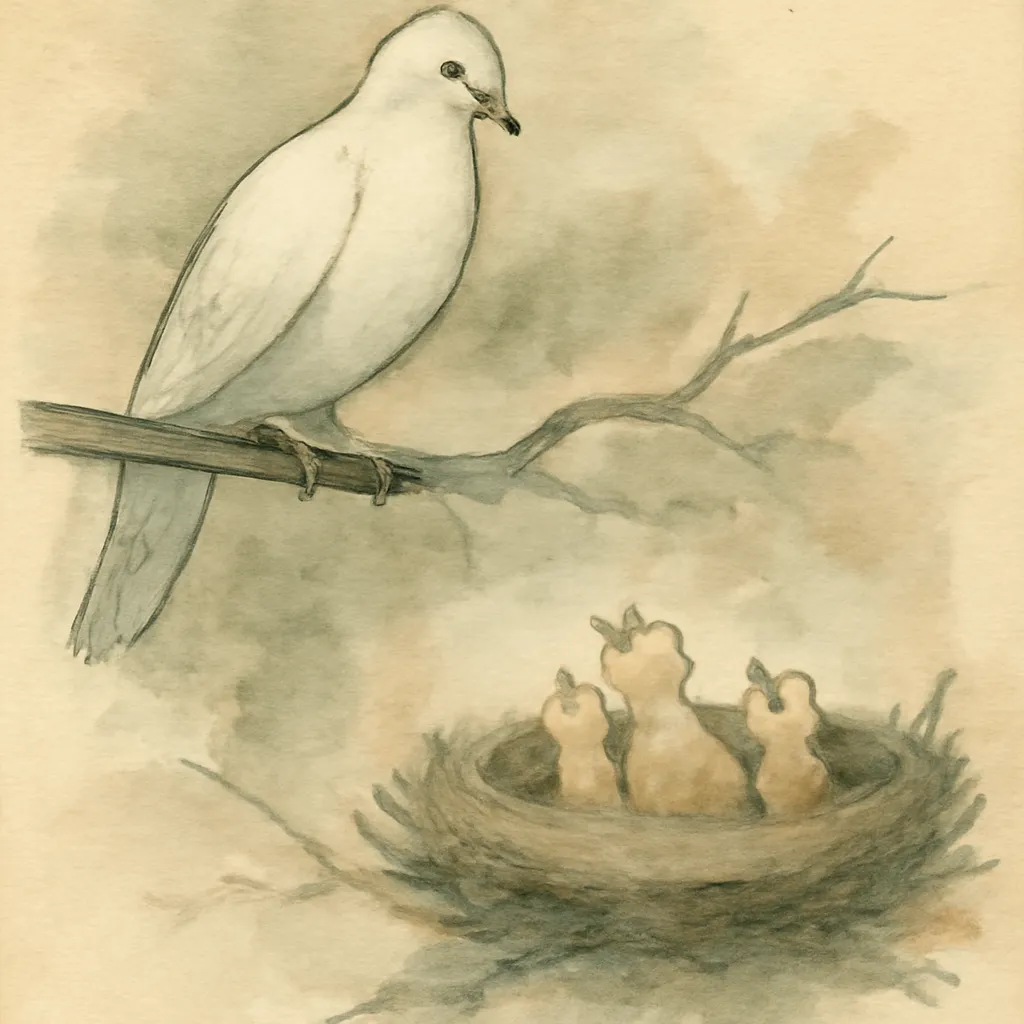
The contrast between innocence and experience is a recurring theme in the novel, particularly embodied in the characters of Evelyn and Caroline. Evelyn's naivety is both a source of her charm and a hindrance as she navigates the complexities of adult relationships. In contrast, Caroline's worldly experience often leads her to adopt a more cynical view of love and friendship. Lytton uses this dichotomy to explore the different ways women approach their roles in society, suggesting that innocence can be both a blessing and a curse. As Evelyn's experiences deepen, she begins to confront the realities of her world, leading to a transformation that underscores the novel's central message about growth and self-discovery. The tension between the two characters creates a rich narrative dynamic that not only enhances character development but also serves to reflect the multifaceted experiences of women in a restrictive society. Ultimately, Lytton paints a vivid picture of how innocence can be preserved or lost, depending on one's experiences and choices.
8.Parental Influence and Legacy
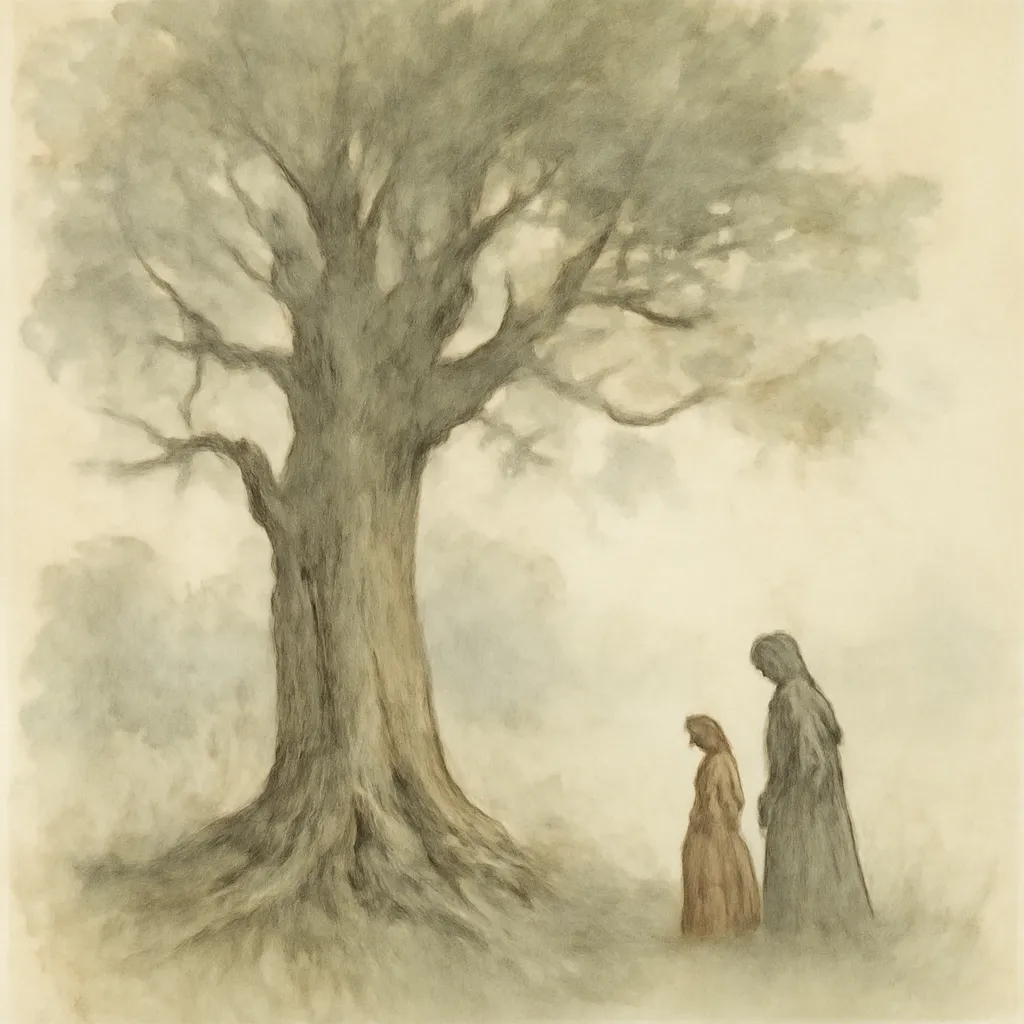
The legacy of parental expectations looms large in the lives of the characters, particularly in the relationship between Lady Vargrave and Evelyn. Lady Vargrave's past choices and sacrifices shape her daughter's future, illustrating the weight of familial obligation. Lytton poignantly captures the complexities of this dynamic, as Lady Vargrave's desire to protect Evelyn often clashes with her need to let her daughter forge her own path. The interplay between past and present becomes a driving force in the narrative, highlighting how the decisions of one generation impact the next. This theme resonates with readers, inviting reflection on the enduring influence of family legacies. As Lady Vargrave struggles with her own regrets and desires, her relationship with Evelyn becomes a mirror reflecting the challenges of motherhood and the sacrifices that often accompany it. Lytton's exploration of this legacy serves as a reminder of the importance of understanding one's roots while also carving out an individual identity.
9.The Search for Identity
As the characters navigate their relationships and societal expectations, they embark on a profound search for identity. Lytton explores how personal desires and societal roles often conflict, leading characters to question who they are beyond their titles and relationships. Evelyn's journey toward self-discovery is particularly compelling, as she confronts the realities of her engagement and the expectations that accompany it. The search for identity is not limited to Evelyn; other characters, including Lord Vargrave, grapple with their own sense of self amidst the pressures of ambition and societal norms. This exploration of identity underscores the novel's depth, as it reveals the struggles individuals face in reconciling their true selves with external expectations. The narrative's focus on identity invites readers to reflect on the nature of self-discovery and the importance of authenticity in a world that often demands conformity.
10.The Role of Nature
Nature serves as a powerful backdrop throughout the novel, symbolizing both freedom and introspection for the characters. The tranquil Devonshire setting contrasts sharply with the tumultuous emotions of the characters, providing moments of solace and reflection. Lytton uses the changing seasons and the beauty of the landscape to mirror the internal struggles of Evelyn and Lady Vargrave, suggesting that nature can be a source of healing and inspiration. The relationship between the characters and their natural surroundings emphasizes the theme of connection to the earth, illustrating how the beauty of the world can influence one's emotional state and decisions. This interplay between nature and character development invites readers to consider the impact of the environment on human experience, reinforcing the idea that solace can often be found in the natural world amidst societal turmoil.