1.The Quest for Identity
Alice's journey through Wonderland serves as a metaphor for the quest for identity that many face during childhood and adolescence. As she encounters various characters, she grapples with questions about who she is and how she fits into this strange world. The Caterpillar's probing question, 'Who are you?' highlights this struggle, prompting Alice to reflect on her own sense of self. Throughout her adventures, Alice undergoes physical transformations, growing and shrinking in size, which symbolizes the fluid nature of identity during formative years. Her attempts to assert herself and make sense of her surroundings mirror the challenges faced by young people as they navigate the complexities of growing up and discovering their own identities amidst external expectations.
2.The Absurdity of Adult Logic
Carroll's Wonderland is a realm where the logic of the adult world is turned upside down, revealing the absurdity that often underlies adult reasoning. Characters like the Mad Hatter and the March Hare engage in nonsensical conversations that defy conventional logic, challenging Alice's understanding of how the world should operate. For instance, the Hatter's riddle, 'Why is a raven like a writing desk?' exemplifies the playful nature of language and the often arbitrary connections that adults make. This absurdity serves as a critique of the rigid structures and expectations imposed by society, inviting readers to question the validity of accepted norms and to embrace the whimsical nature of life. Through Alice's eyes, we see the limitations of adult reasoning and the importance of maintaining a sense of wonder and curiosity.
3.Curiosity and Exploration
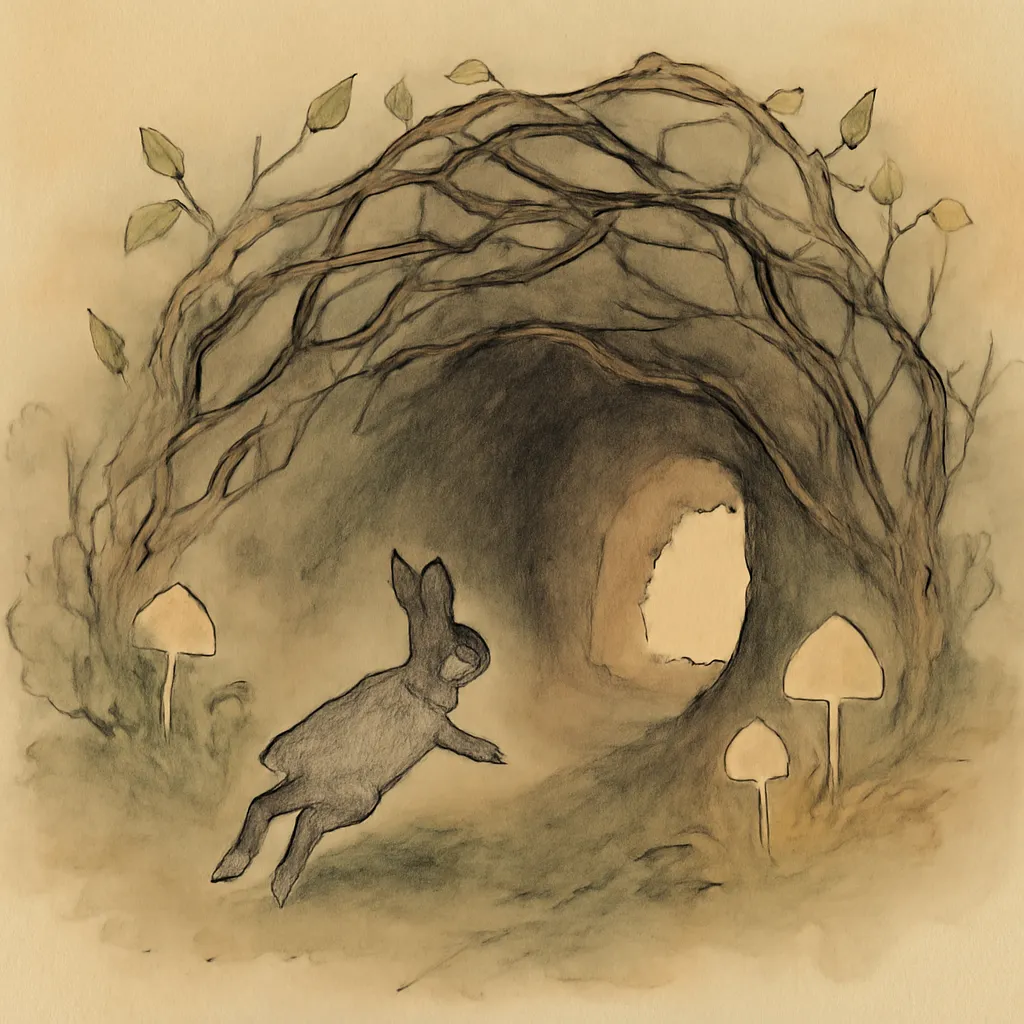
Alice's relentless curiosity drives her to explore Wonderland, leading her to discover new experiences and learn valuable lessons. Her initial encounter with the White Rabbit sparks her adventurous spirit, as she decides to follow him down the rabbit hole despite the uncertainty of where it will lead. This theme of curiosity is a powerful motivator, highlighting the importance of exploration and the willingness to step outside one's comfort zone. As Alice navigates through various encounters, from the grumpy Caterpillar to the whimsical Tea Party, her inquisitive nature allows her to adapt and respond to the challenges she faces. This encourages readers to embrace their own curiosity and to seek out new experiences, reminding us that growth often comes from exploration and the willingness to ask questions.
4.The Nature of Reality
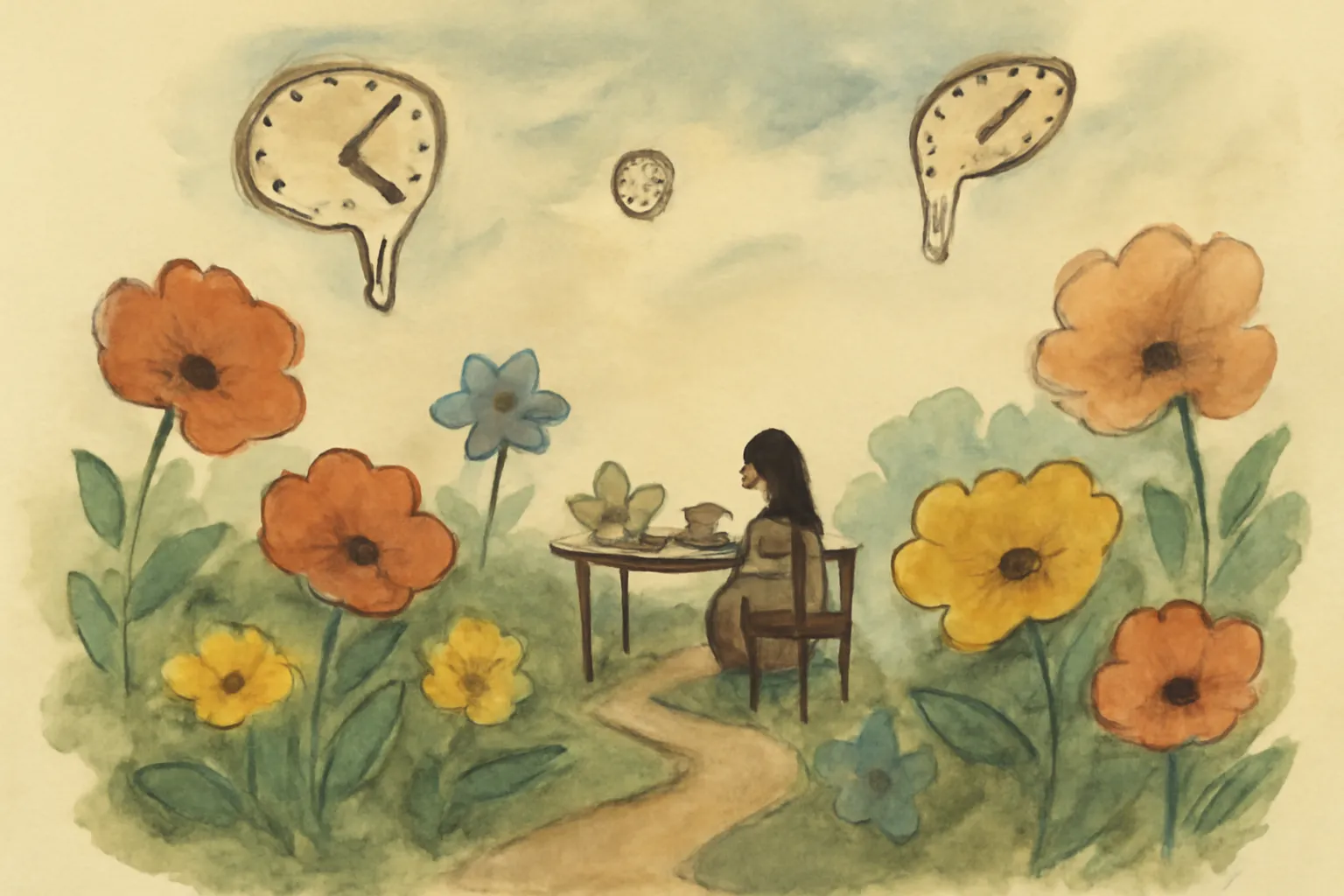
Throughout her adventures, Alice grapples with the nature of reality, often questioning what is real and what is merely a figment of her imagination. The fluidity of time and space in Wonderland blurs the lines between reality and fantasy, prompting Alice to reconsider her understanding of the world. For example, the chaotic nature of the Mad Tea Party and the nonsensical conversations challenge her perceptions, leading her to question the reliability of her senses. This exploration of reality reflects the complexities of human perception and invites readers to consider how much of what we experience is shaped by our own interpretations. Carroll's narrative encourages us to embrace ambiguity and to recognize that reality can be multifaceted, shaped by perspective and imagination.
5.The Role of Authority
In Wonderland, authority figures such as the Queen of Hearts and the King embody arbitrary power and the often nonsensical nature of governance. The Queen's frequent exclamations of 'Off with their heads!' showcase her capriciousness and the absurdity of her rule, reflecting the arbitrary nature of authority in the real world. Alice's interactions with these figures reveal her growing understanding of power dynamics and the importance of questioning authority. As she navigates the trials and tribulations imposed by the Queen, Alice learns to assert herself and stand up against unjust authority. This theme resonates with readers, encouraging them to think critically about the power structures in their own lives and to challenge the status quo when necessary.
6.Friendship and Connections
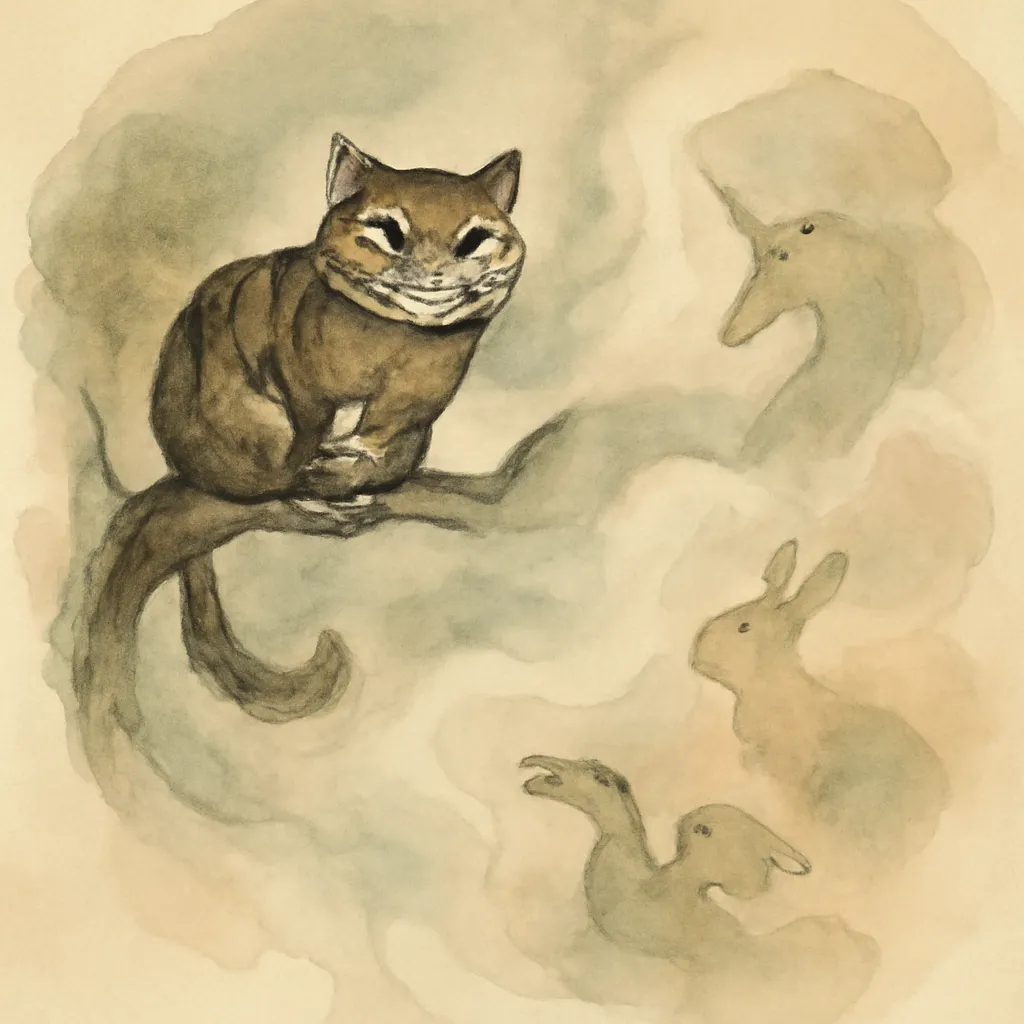
Alice's encounters with various characters in Wonderland highlight the importance of friendship and connections, even in the most unlikely circumstances. From her camaraderie with the Cheshire Cat to her interactions with the Dormouse, each relationship reflects different aspects of companionship and the complexities of social interactions. The Cheshire Cat's ability to appear and disappear at will symbolizes the transient nature of friendships, reminding Alice that connections can be fleeting yet impactful. Through these relationships, Alice learns to navigate the social landscape of Wonderland, gaining insights into the value of support and understanding. This theme underscores the significance of forming connections and the role that friendships play in shaping our experiences and perceptions of the world.
7.The Power of Imagination
Imagination is a central theme in Alice's Adventures in Wonderland, as it allows characters to transcend the limitations of reality and engage in fantastical experiences. Carroll's vivid descriptions of Wonderland's whimsical landscapes and bizarre inhabitants invite readers to unleash their own imaginations, encouraging creative thinking and exploration. Alice's ability to adapt to the absurdities around her showcases the power of imagination in overcoming challenges and embracing the unknown. The narrative serves as a reminder that imagination is not merely a child's pastime but a vital tool for problem-solving and innovation. By celebrating the power of imagination, Carroll inspires readers to cultivate their own creativity and to view the world through a lens of possibility.
8.Time and Change
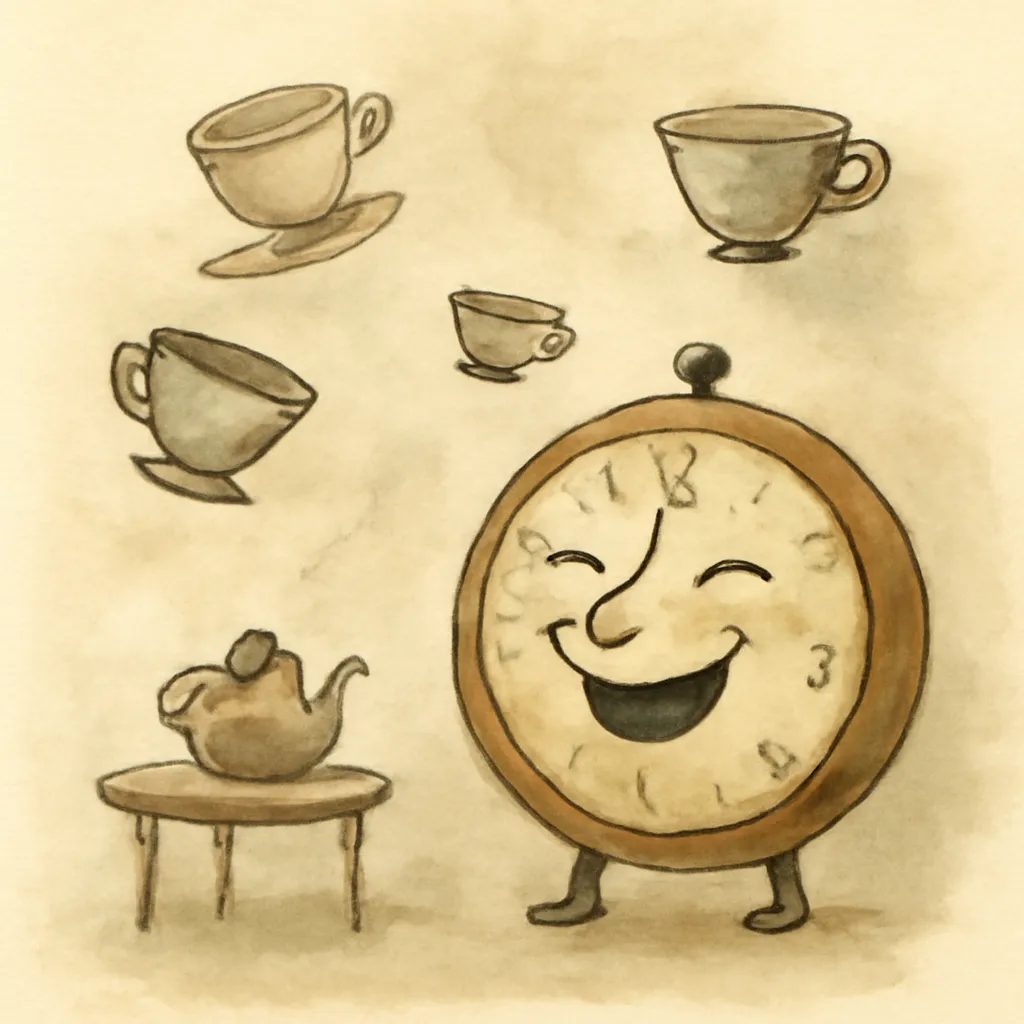
The concept of time plays a significant role in Alice's Adventures in Wonderland, presenting a fluid and often distorted perception of reality. Characters like the Mad Hatter and the March Hare exist in a perpetual state of tea time, defying conventional notions of time and highlighting its arbitrary nature. Alice's experiences challenge her understanding of time, as she navigates a world where the past, present, and future seem to intertwine. This theme of time and change reflects the inevitability of growth and the transient nature of experiences. As Alice learns to adapt to the ever-shifting landscape of Wonderland, readers are reminded that change is a fundamental aspect of life, encouraging them to embrace the journey of growth and transformation.
9.Nonsense and Humor
Carroll's use of nonsense and humor throughout the narrative serves to engage readers and provoke thought while entertaining them. The playful language, absurd situations, and whimsical characters create a lighthearted atmosphere that invites laughter and reflection. For instance, the nonsensical conversations at the Mad Tea Party and the absurd trials highlight the absurdity of societal norms and expectations. This humor serves as a vehicle for deeper commentary on the complexities of life, encouraging readers to find joy in the absurd and to embrace a sense of playfulness. By blending humor with profound themes, Carroll creates a narrative that resonates with readers of all ages, reminding us of the importance of laughter and lightness in navigating life's challenges.
10.The Journey of Self-Discovery
Alice's adventures in Wonderland can be seen as a journey of self-discovery, as she confronts her fears, challenges her beliefs, and ultimately learns to embrace her individuality. Each encounter with the eccentric inhabitants of Wonderland forces Alice to question her understanding of herself and the world around her. As she navigates through the chaos and absurdity, she gains confidence in her ability to assert herself and make decisions. This journey reflects the universal experience of growing up, where individuals must confront the complexities of identity and self-acceptance. Carroll's narrative encourages readers to embrace their own journeys of self-discovery, reminding them that the path to understanding oneself is often filled with challenges but ultimately leads to empowerment and growth.