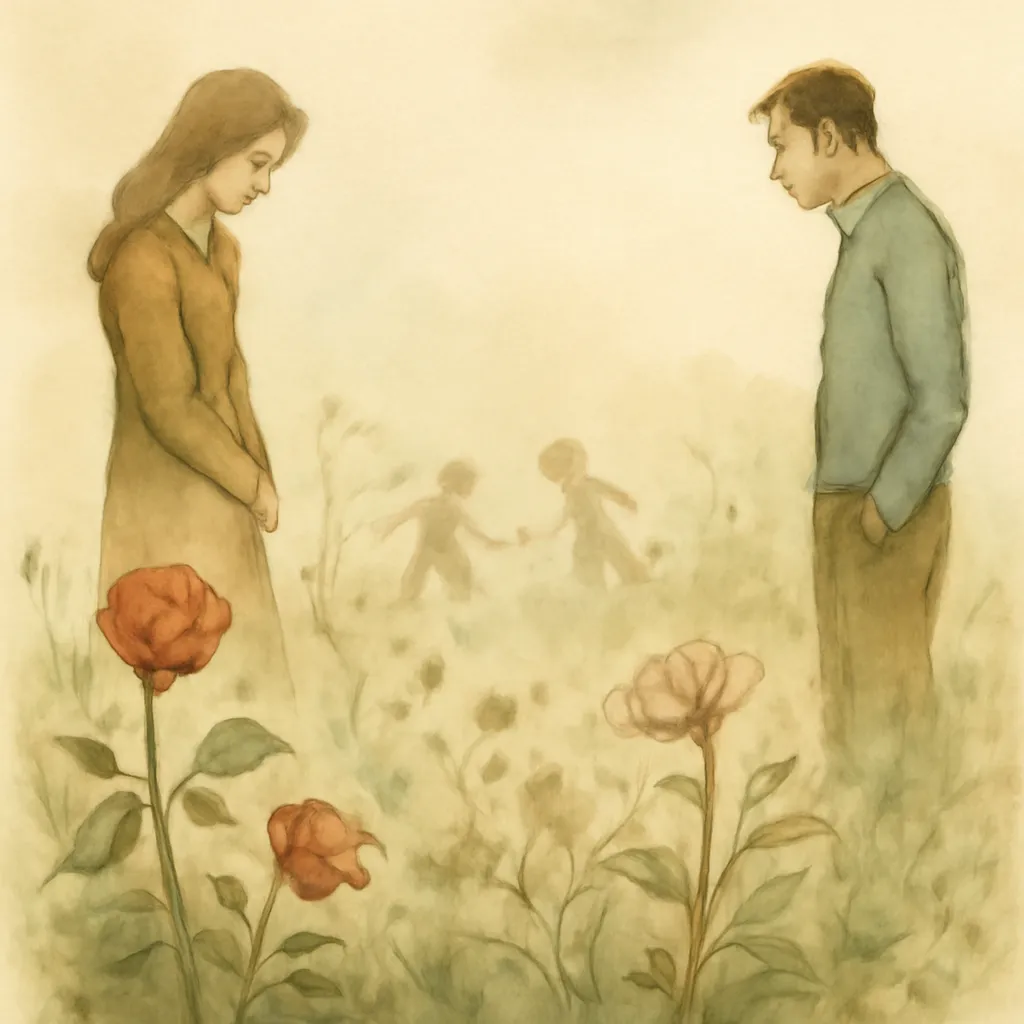
1.The Shift from Parenting to Parenthood
Jennifer Senior distinguishes between the act of parenting—focused on child-rearing techniques—and the broader, less examined experience of parenthood, which encompasses how having children changes adults’ lives. She argues that understanding the effects of children on parents is crucial, as it reveals the emotional, social, and psychological transformations adults undergo. This shift in focus invites readers to consider not just what parents do for their children, but how children fundamentally alter their parents’ identities and daily realities.
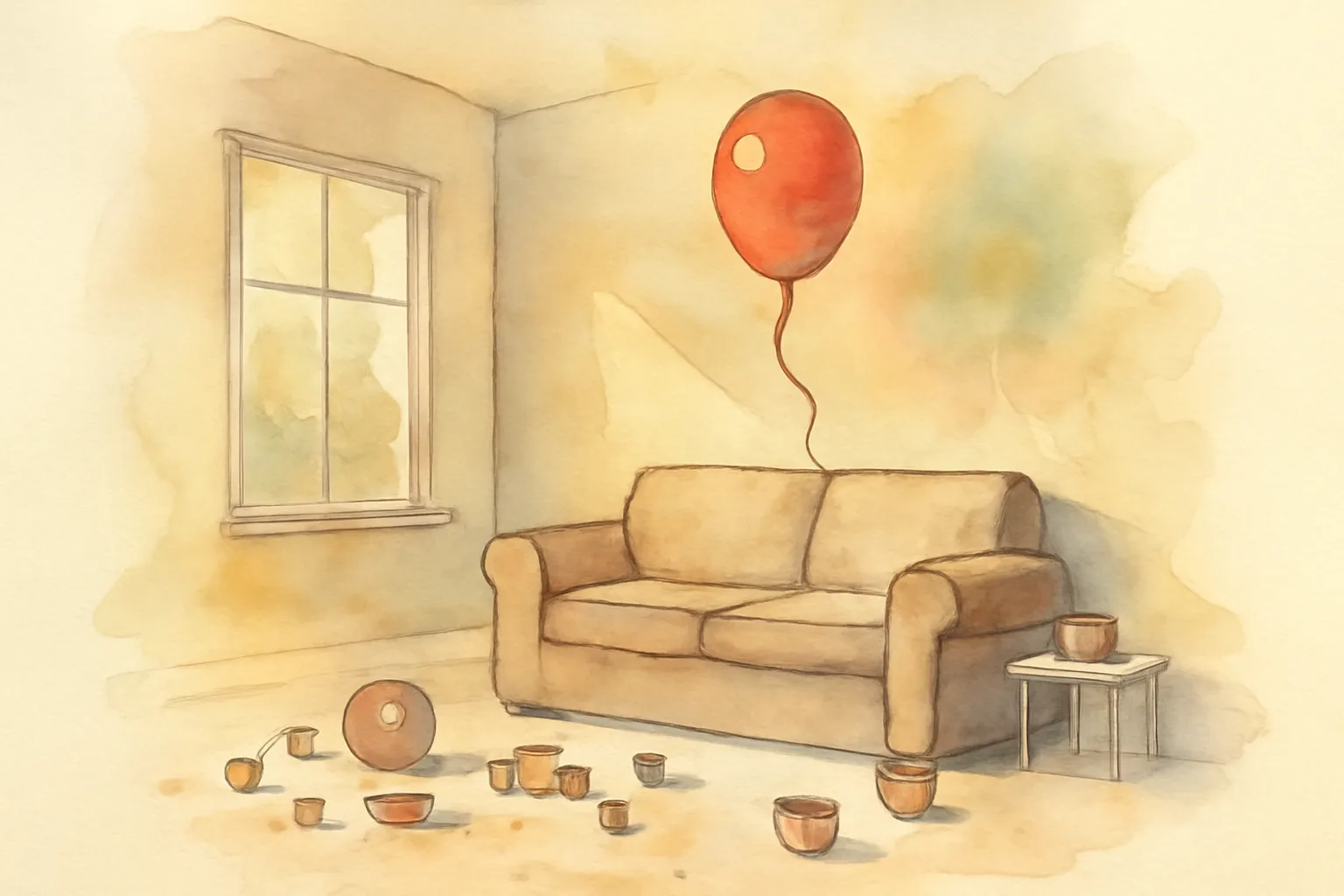
2.Joy Versus Fun: The Paradox of Modern Parenting
Senior’s title encapsulates a key theme: raising children brings deep, meaningful joy but often little day-to-day fun. Parents report moments of transcendence and purpose, yet also describe the routines as exhausting and monotonous. This paradox is heightened by contemporary pressures to maximize children’s happiness and achievement, leaving parents feeling both fulfilled and depleted. The book explores how these conflicting emotions coexist and why they are more pronounced in today’s culture.
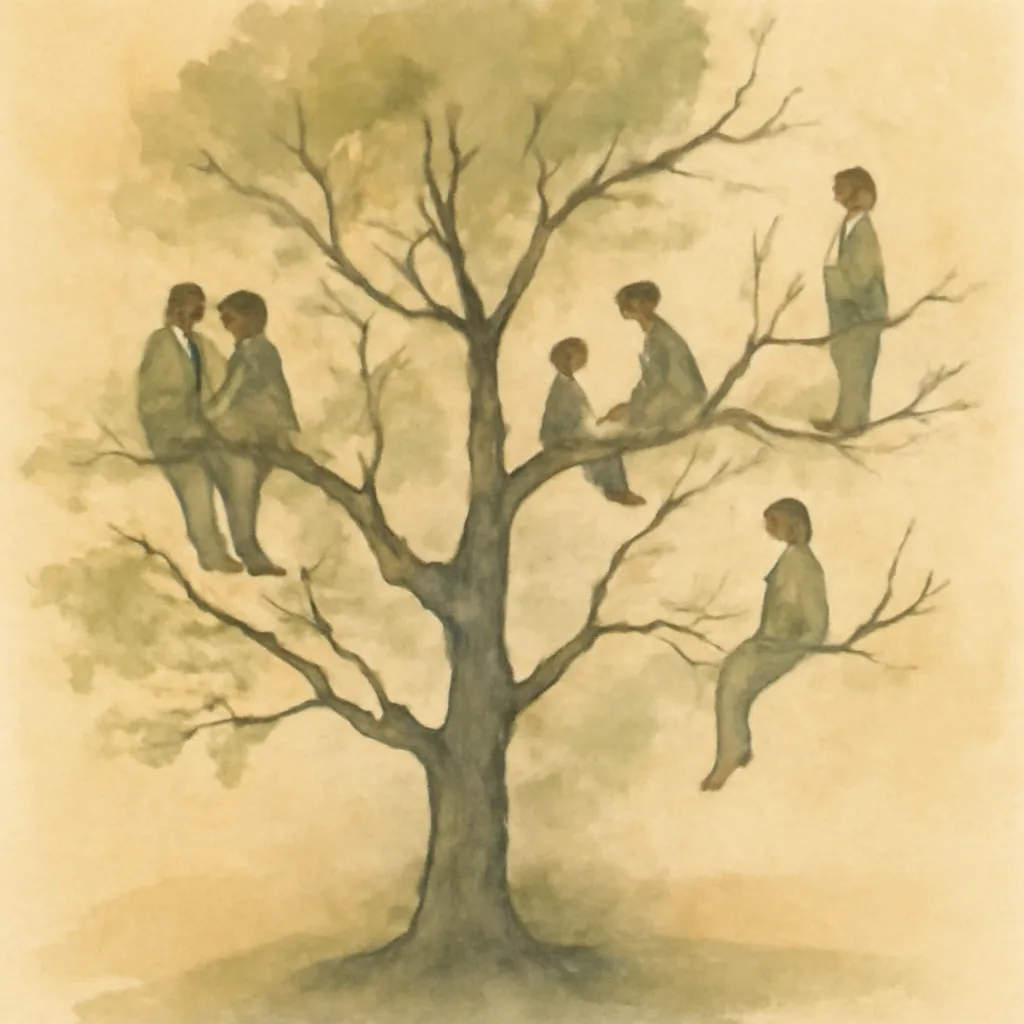
3.The Changing Landscape of Family Roles
Over the past half-century, the expectations and structures of family life have shifted dramatically. Senior examines how increased gender equality, dual-income households, and the decline of extended family support have made parenting more complex and ambiguous. Parents today must navigate new roles without clear scripts, often feeling isolated or uncertain about what is ‘right.’ This context shapes the anxieties and satisfactions of modern parenthood.
4.Marriage and the Parent Trap
One of the book’s central insights is how children affect marital relationships. Senior draws on research and interviews to show that the arrival of children often strains marriages, redistributing attention, affection, and time. While children can deepen a couple’s bond, they also introduce stress and reduce opportunities for intimacy. The book encourages honest conversations about these challenges, normalizing the difficulties many couples face.
5.Identity and Selfhood in the Age of Intensive Parenting
Modern parents are expected to be deeply involved in their children’s lives, often at the expense of their own interests and identities. Senior explores how this ‘intensive parenting’ culture can lead adults to lose touch with their pre-parent selves, while also providing opportunities for personal growth and reinvention. The tension between self-sacrifice and self-fulfillment is a recurring theme, prompting readers to reflect on their own balancing acts.
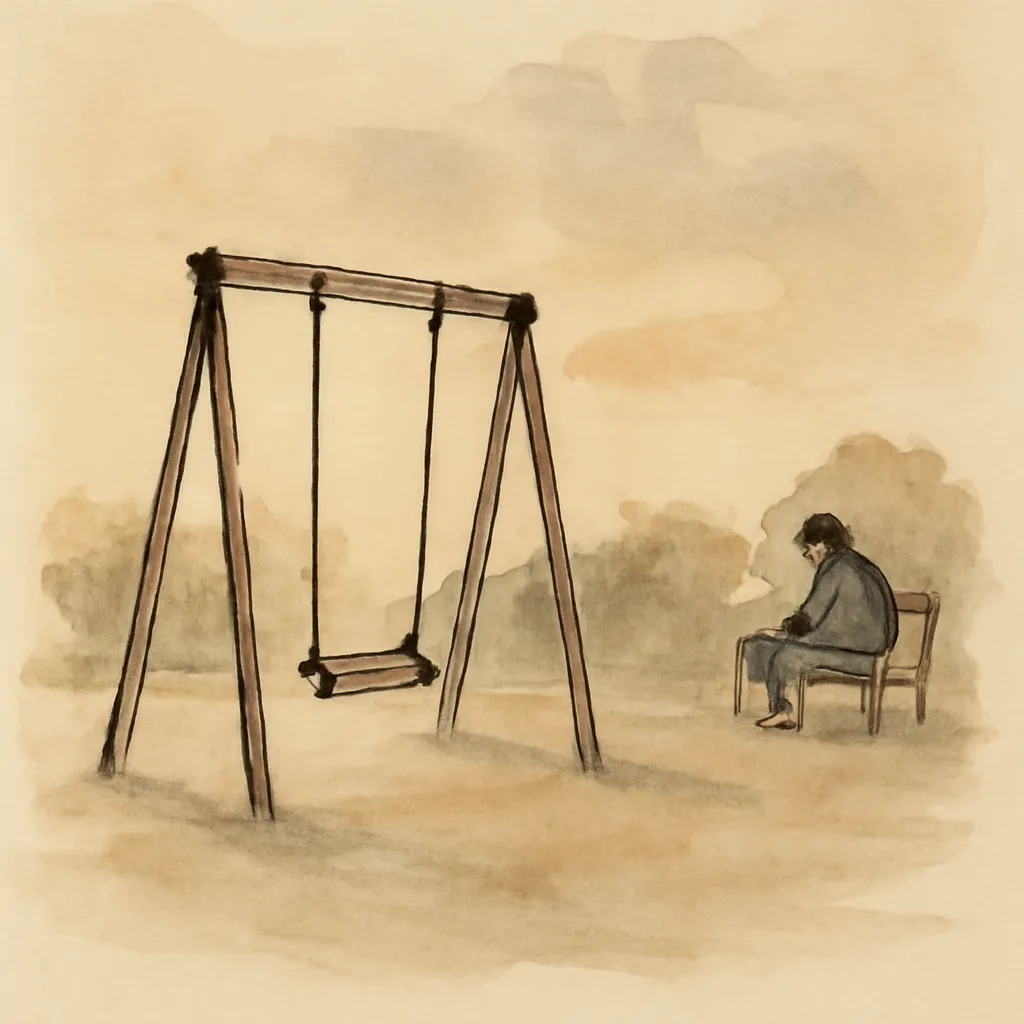
6.The Social Isolation of Parents
Despite the ubiquity of parenting, many parents feel surprisingly isolated. The decline of communal child-rearing and the rise of individualized parenting philosophies can leave adults feeling unsupported and judged. Senior highlights the importance of community, friendship, and shared experience in mitigating loneliness and fostering resilience among parents.