1.Crime as a Mirror of Community
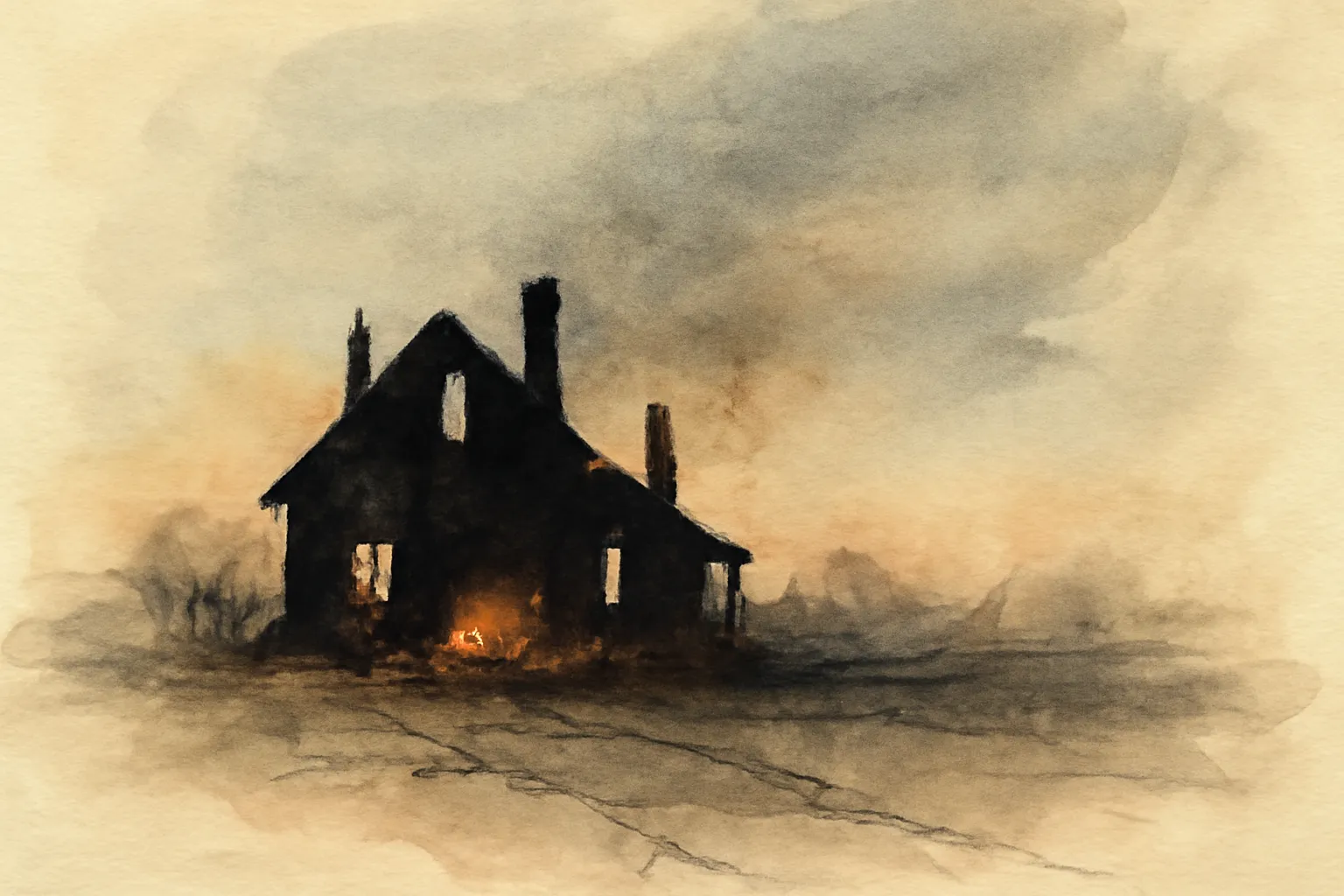
Hesse uses the arson spree as a lens to examine the social and economic realities of Accomack County. The fires expose the vulnerabilities of a rural community already weakened by job loss, depopulation, and a sense of abandonment. The crimes force residents to confront not only the identity of the arsonist but also their own relationships with each other and with the place they call home. The book suggests that crime is never just about the act itself; it reflects deeper fractures and anxieties within a community.
2.The Human Story Behind the Headlines
Rather than focusing solely on the mechanics of the investigation, Hesse delves into the personal lives of the arsonists—Charlie Smith and Tonya Bundick. Their tumultuous relationship, marked by passion, addiction, and a desperate search for meaning, becomes a central thread. The book argues that understanding crime requires empathy for the complicated motives and emotions that drive individuals, not just a catalog of their actions.
3.Economic Decline and Its Consequences
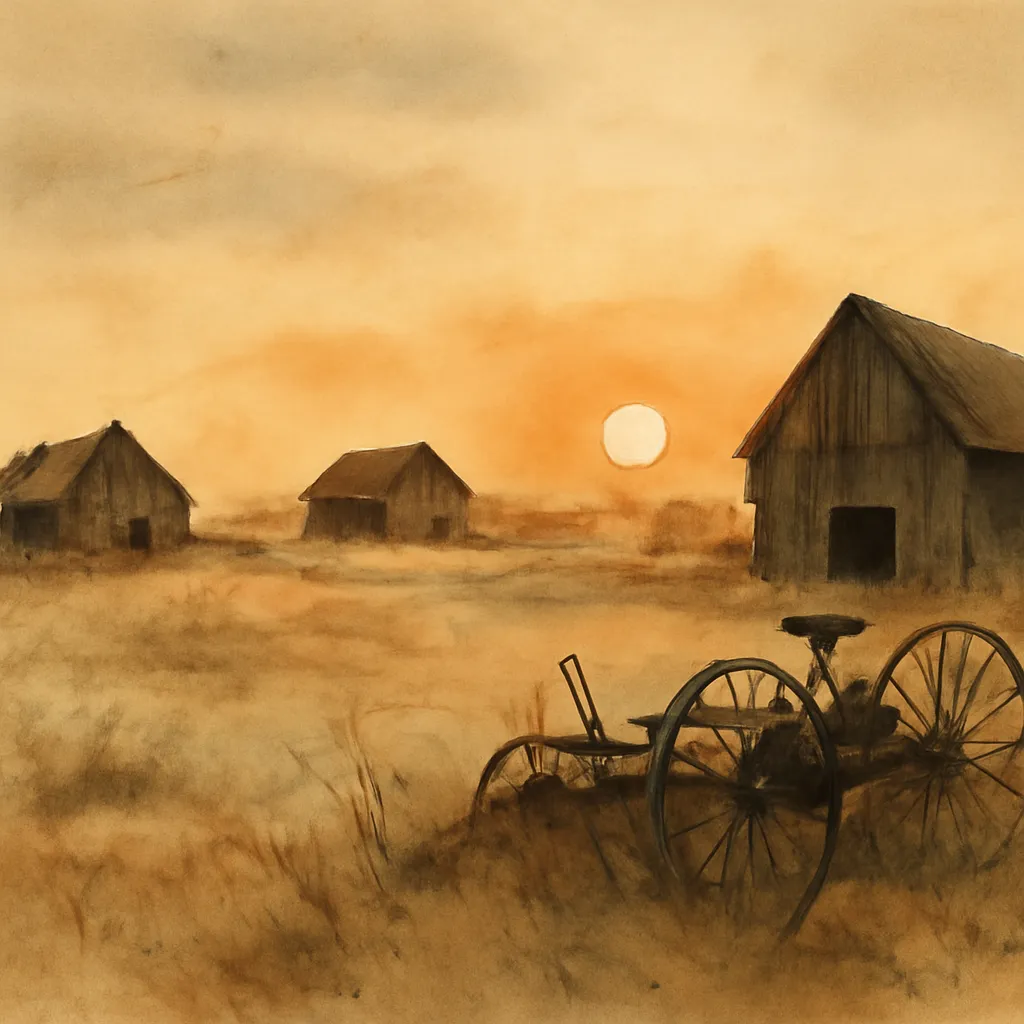
Accomack County's landscape—dotted with hundreds of abandoned buildings—serves as a symbol of rural America's economic struggles. Hesse draws a direct line between the county's decline and the conditions that allowed the arsons to flourish. The story becomes a case study in how economic hardship can erode not just infrastructure, but also trust, pride, and hope in a community.
4.Media, Mythmaking, and the Search for Meaning
The book explores how media coverage and local gossip shape the narrative of the arson spree. As the fires continue, the community constructs its own myths, suspects, and heroes. Hesse examines the ways in which stories—true or not—help people make sense of chaos, assign blame, and find comfort, even as they sometimes distort reality.
5.The Thin Line Between Vigilance and Paranoia
As fear spreads, the residents of Accomack County move from solidarity to suspicion. Volunteer patrols and neighborhood watches morph into a climate of paranoia, where everyone becomes a potential suspect. Hesse highlights how crisis can both galvanize and fracture a community, revealing the delicate balance between collective action and mistrust.
6.Justice, Forgiveness, and Moving Forward
The resolution of the case forces the community to grapple with questions of justice and forgiveness. Hesse does not offer easy answers, but instead shows how the aftermath of crime leaves lasting scars—on individuals, relationships, and the collective memory of a place. The book invites readers to consider what healing looks like in the wake of betrayal and loss.