1.The Power of Belief
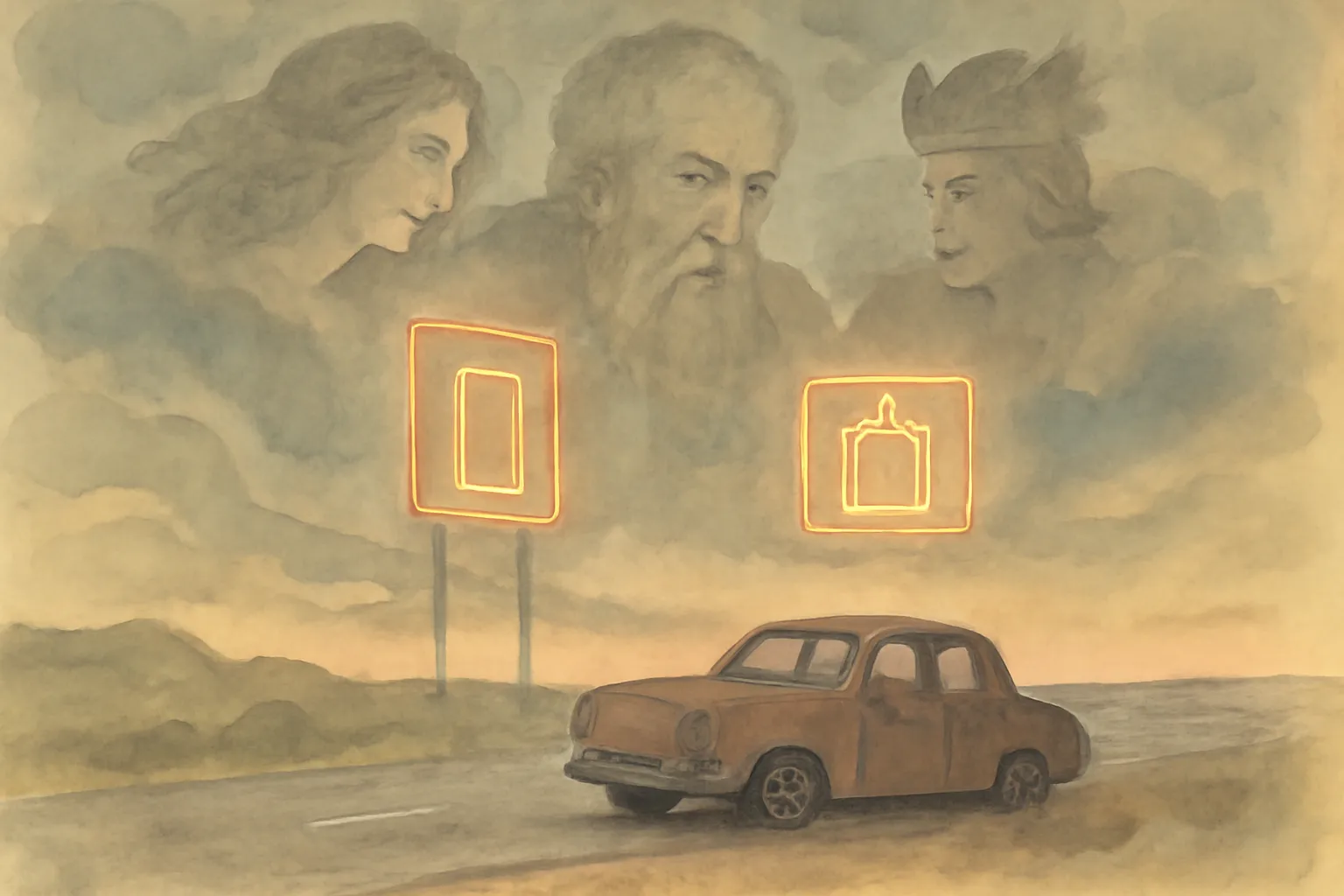
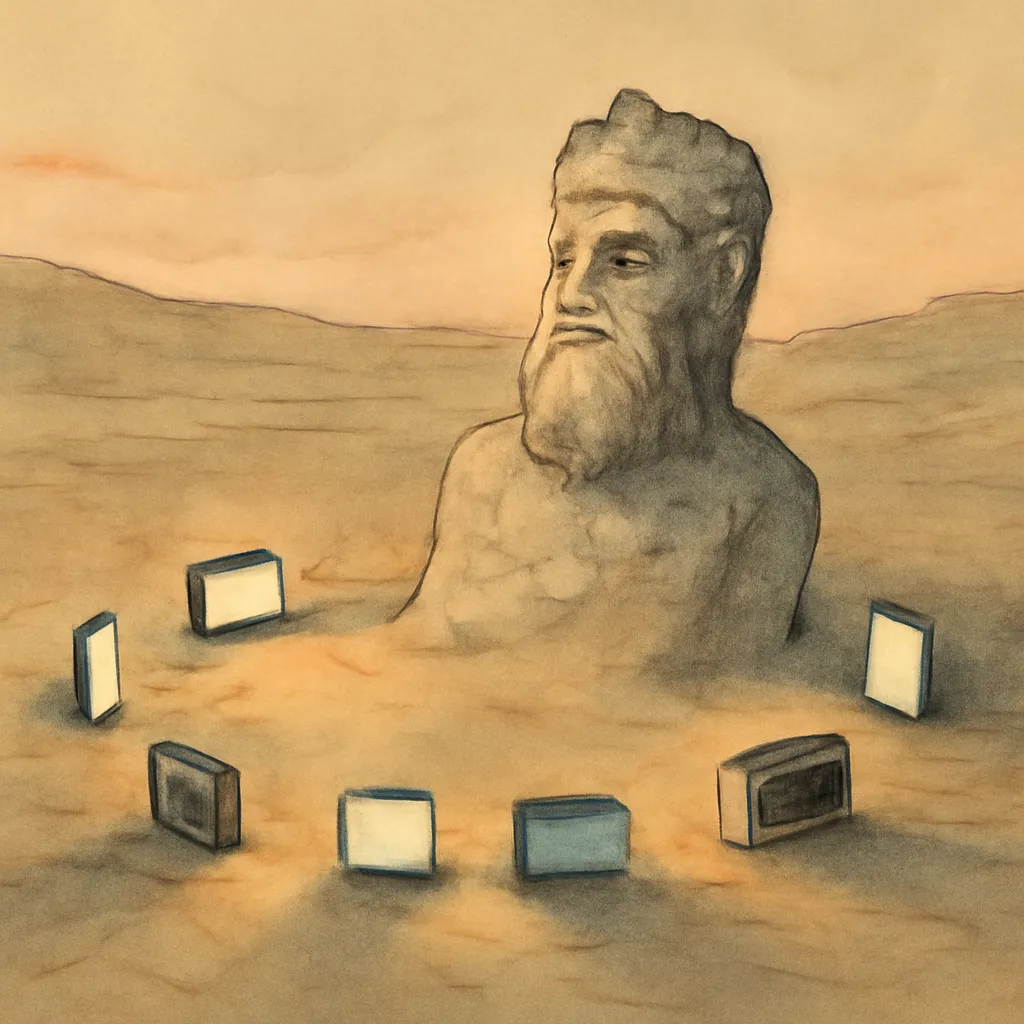
At its core, American Gods investigates how belief—collective or individual—gives life and power to gods and ideas. The old gods, brought to America by immigrants, are fading as people forget them, while new gods representing technology, media, and globalization rise in their place. Gaiman uses this dynamic to ask what happens to myths in a world that no longer needs them, and what modern society truly venerates.
2.America as a Land of Reinvention
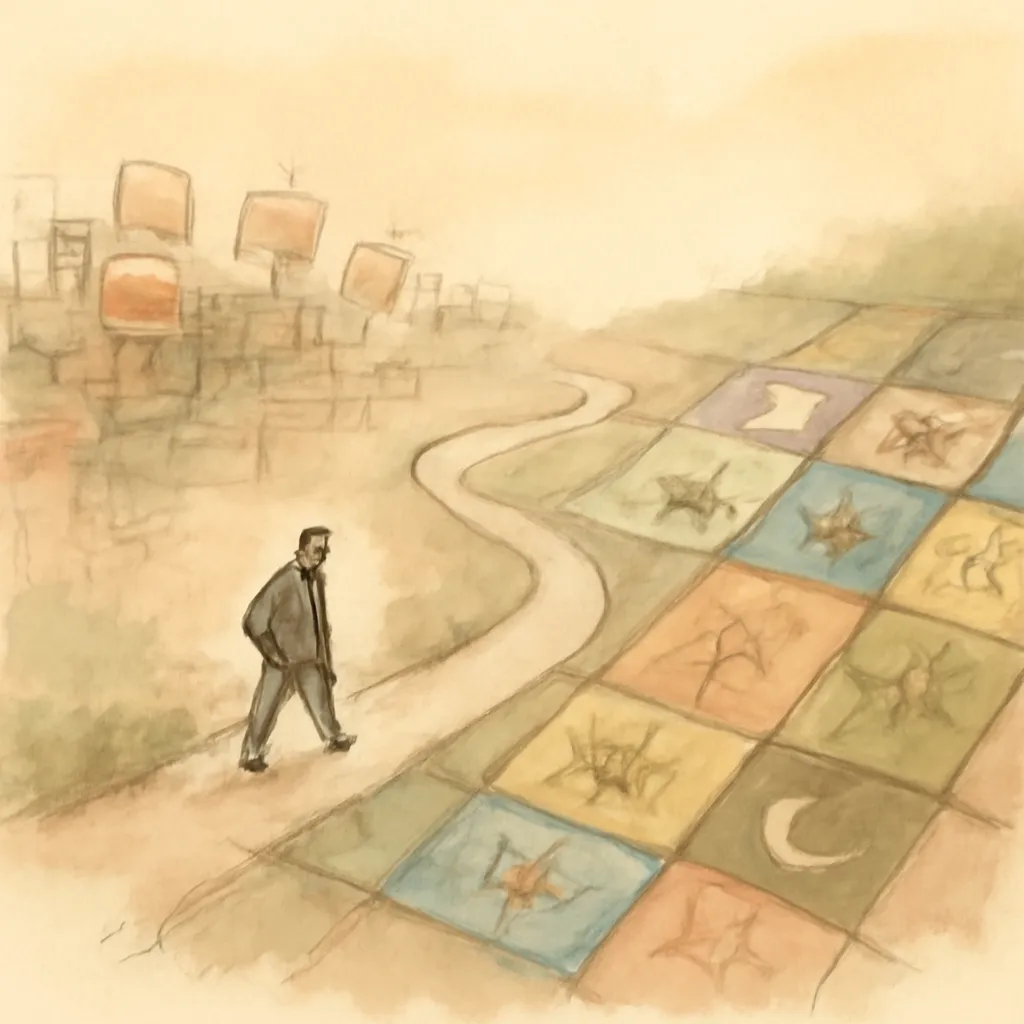
The novel treats America not just as a setting, but as a character shaped by constant reinvention. Shadow's journey mirrors the immigrant experience, with gods and people alike forced to adapt, change identities, or be forgotten. Gaiman explores how the American landscape is haunted by stories both imported and homegrown, and how the search for meaning is an ongoing, restless process.
3.The Road Trip as Mythic Quest
American Gods is structured as a road novel, echoing the classic American motif of journey and discovery. Shadow and Mr. Wednesday's travels take them through small towns, roadside attractions, and hidden corners of the country, each with its own strange magic. This journey serves as both a literal quest and a metaphor for personal and cultural transformation.
4.Identity, Shadow, and the Self
Shadow, the protagonist, is aptly named: he is a man shaped by others’ expectations, searching for his own identity amid chaos. His ambiguous heritage and uncertain loyalties make him a stand-in for the reader, questioning who we are when stripped of our past and forced to confront the unknown. The novel uses Shadow’s journey to probe the nature of selfhood in a fragmented, pluralistic world.
5.Mythology in the Modern World
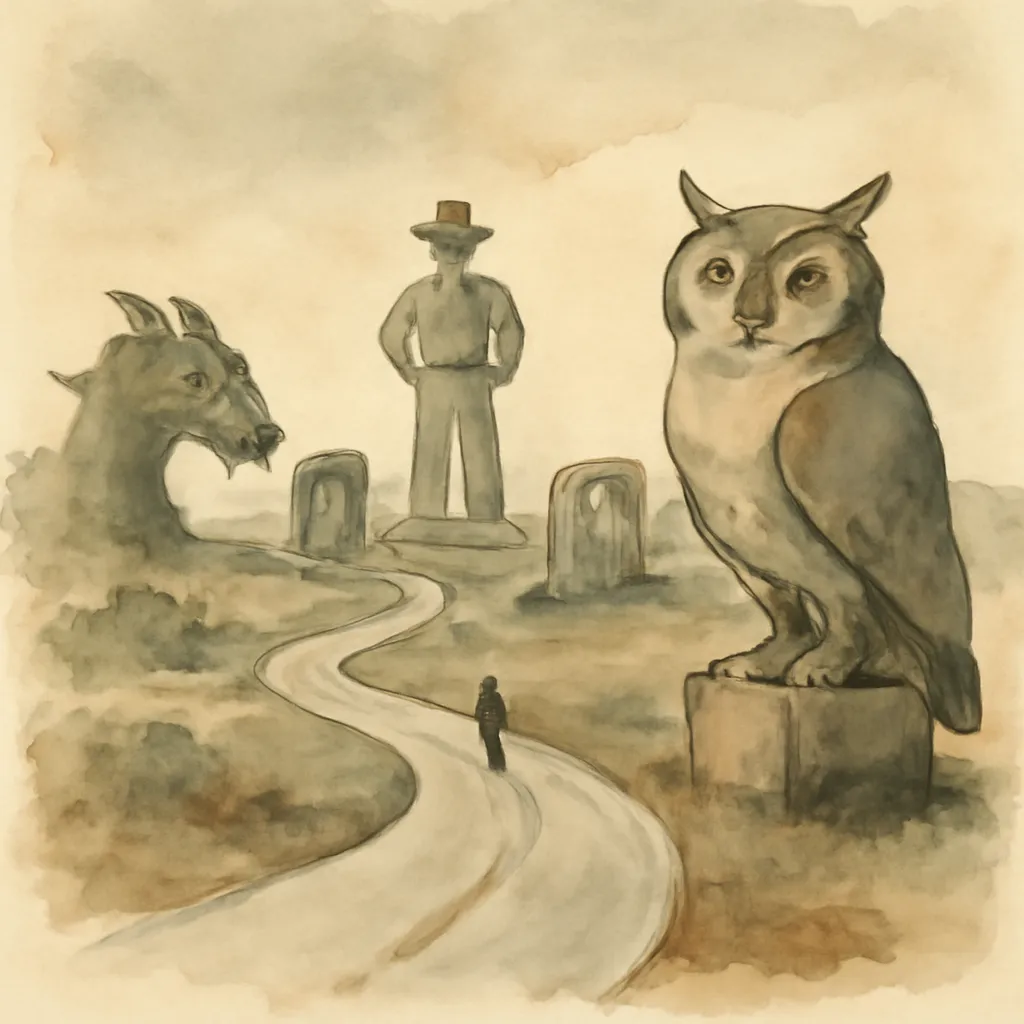
Gaiman weaves together Norse, Slavic, African, Native American, and other mythologies, showing how these ancient stories persist and mutate in new contexts. The clash between old and new gods dramatizes the tension between tradition and progress, suggesting that myths are not relics but living forces that adapt to the needs of each era.
6.The Cost of Forgetting
A recurring theme is the danger of cultural amnesia—what is lost when societies forget their stories, rituals, and roots. The fading gods are a metaphor for neglected histories and marginalized identities. Gaiman warns that progress without memory can leave us rootless, vulnerable, and spiritually impoverished.