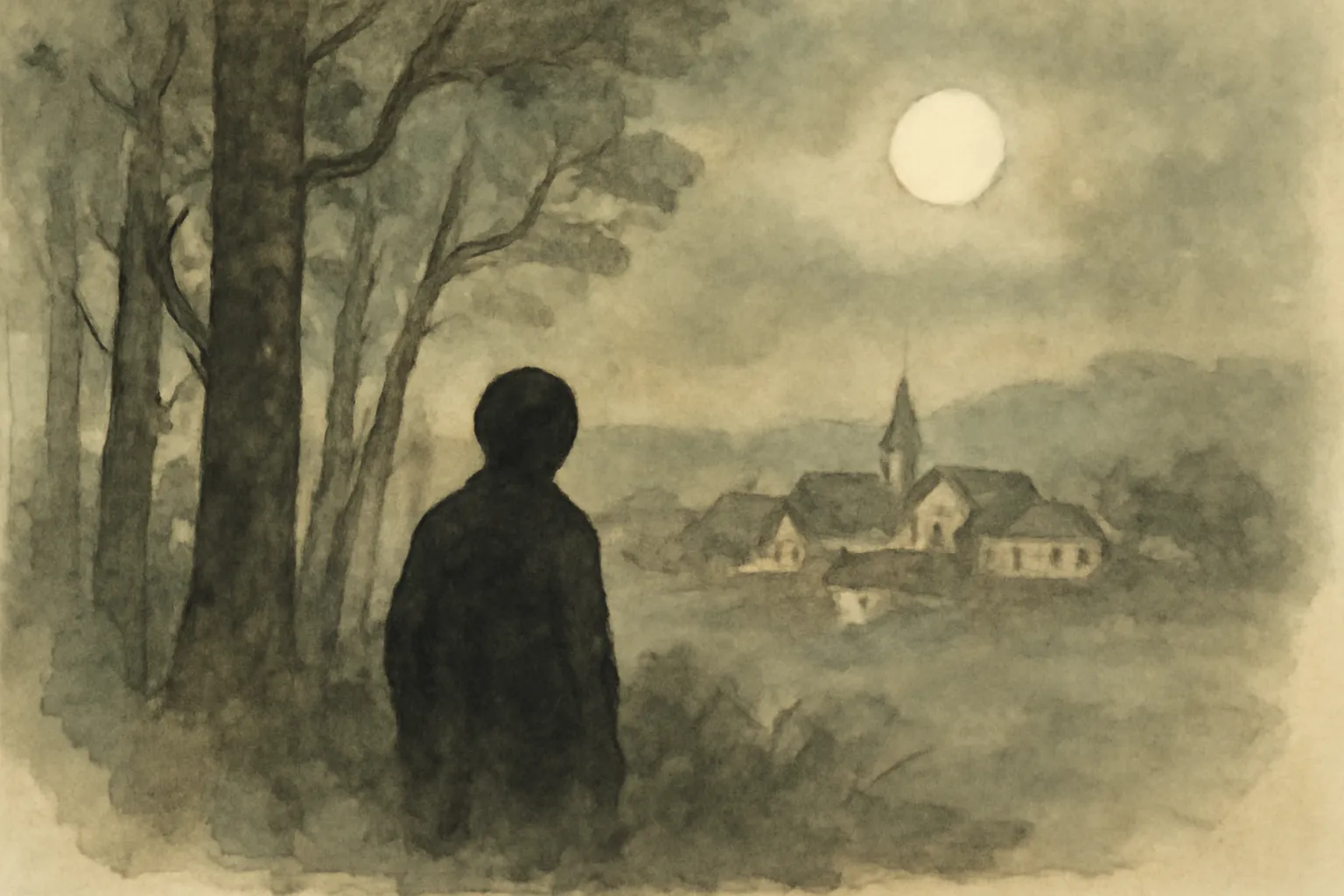
1.The Unseen Predator
Israel Keyes was able to commit a string of brutal murders across the United States while maintaining the façade of an ordinary, even upstanding, citizen. Callahan’s analysis highlights how Keyes’s anonymity—his ability to blend into society, hold steady employment, and maintain relationships—was his greatest weapon. This challenges the stereotype of the 'obvious' criminal and forces readers to confront the unsettling reality that some of the most dangerous people are those who appear most normal.
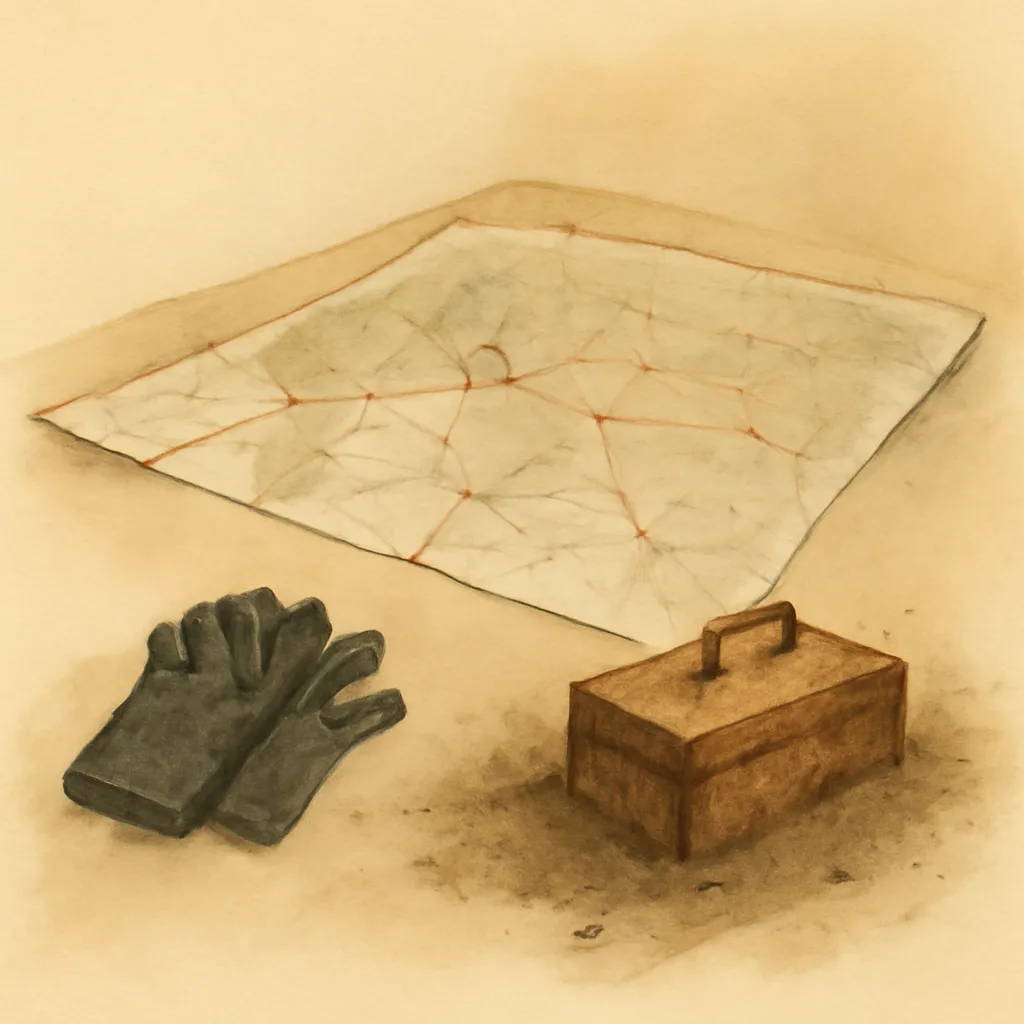
2.Meticulous Planning and Mobility
Keyes’s crimes were marked by extraordinary planning and a chilling patience. He buried 'kill kits'—caches of weapons and tools—years in advance, often thousands of miles from his home, and would travel vast distances to commit his crimes. This level of preparation made his actions almost impossible to predict or connect, exposing the limitations of law enforcement’s traditional approaches to serial crime, which often rely on geographic profiling and patterns.
3.Law Enforcement’s Blind Spots
The book scrutinizes the investigative missteps and systemic weaknesses that allowed Keyes to evade detection for so long. Callahan details bureaucratic infighting, lack of communication between agencies, and a general underestimation of the threat Keyes posed. These failures serve as a cautionary tale about the dangers of complacency and the need for better coordination in criminal investigations.
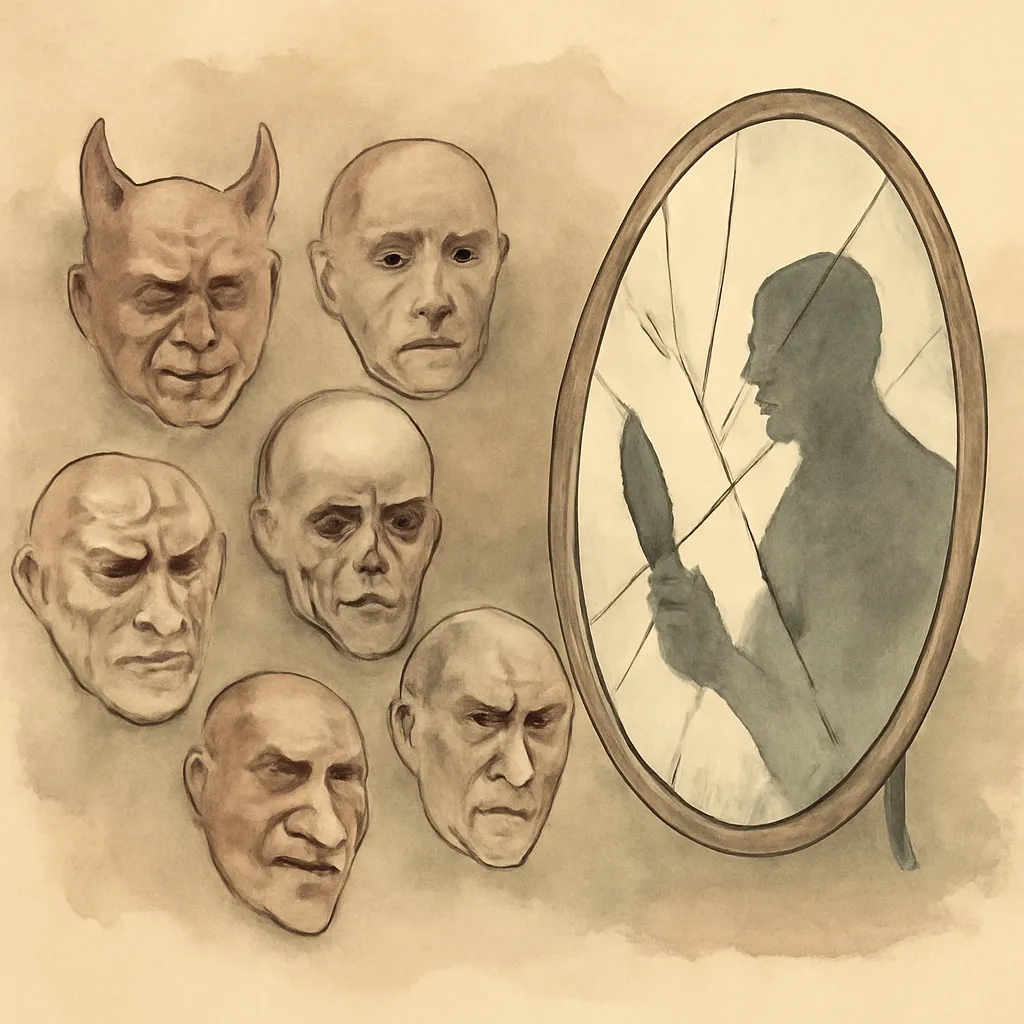
4.The Psychology of Evil
Callahan delves into Keyes’s psyche, presenting a portrait of a man who seemed to kill for the sheer thrill of it, without any clear motive or victim profile. This randomness made him especially terrifying and difficult to track. The book invites readers to grapple with the concept of 'pure evil'—a force that defies easy explanation or understanding, challenging our desire to rationalize horrific acts.
5.Victims and the Ripple Effect
While the focus is often on Keyes, Callahan does not lose sight of the victims and their families. She emphasizes the long-lasting trauma inflicted not only by the crimes themselves but also by the uncertainty and lack of closure that plagued many cases. The book is a reminder of the human cost behind the headlines and statistics.
6.The Ethics of True Crime Storytelling
By choosing to spotlight a relatively unknown killer, Callahan raises questions about how and why certain crimes capture public attention. She balances the need to inform with sensitivity, avoiding sensationalism while still conveying the horror of Keyes’s actions. This approach prompts readers to consider their own consumption of true crime and the responsibilities of journalists in this genre.