1.Consumerism as Dehumanization
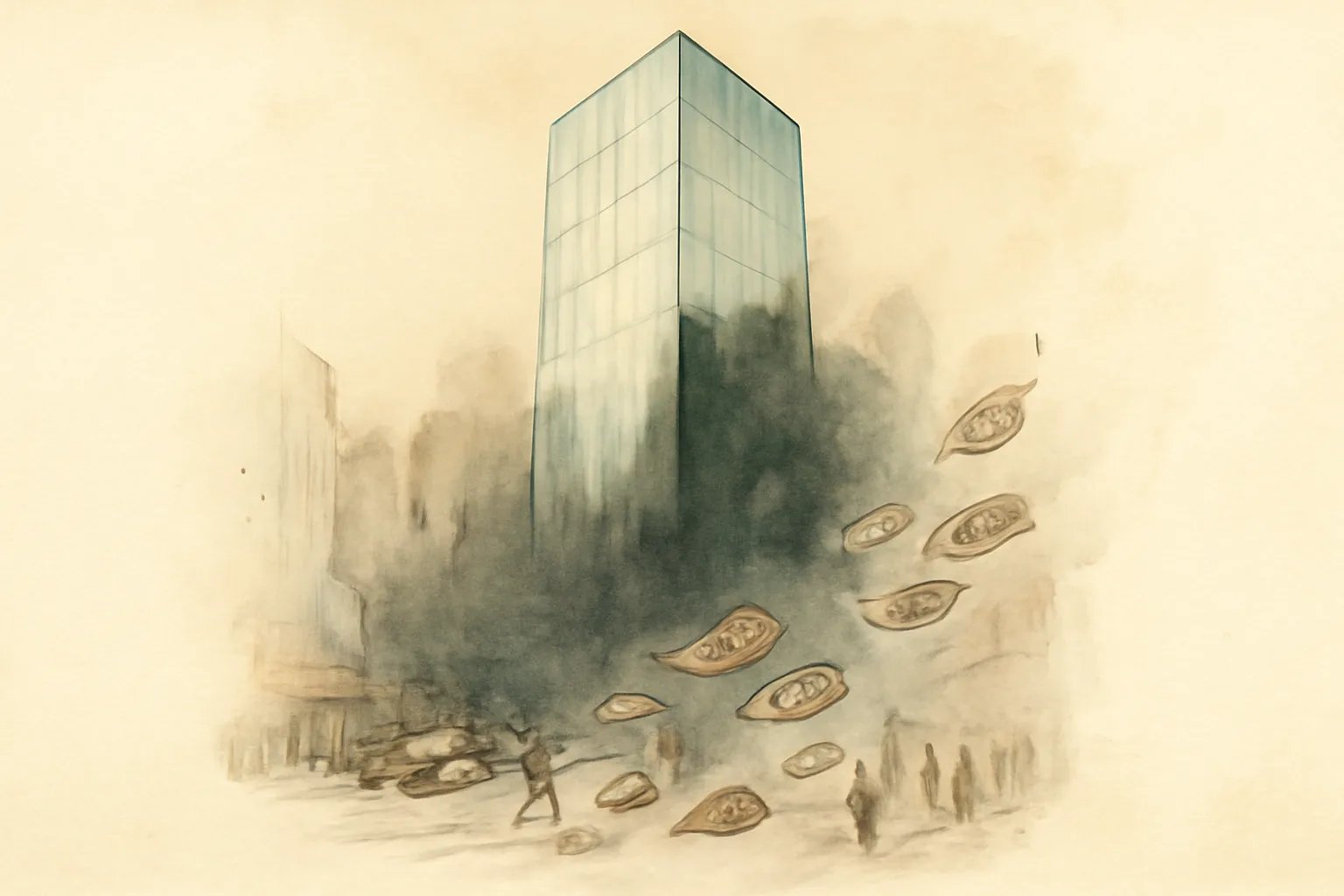
Ellis uses Bateman’s obsession with brands, status, and surface appearances to critique 1980s consumer culture. The relentless cataloging of designer labels and restaurant reservations is not just satire—it’s a symptom of a society that values image over substance. As Bateman’s identity dissolves into a parade of products, the novel suggests that unchecked materialism erodes empathy and humanity, turning people into interchangeable, hollow shells.
2.Unreliable Narrator and Reality Distortion
Bateman’s narration is fragmented, repetitive, and often surreal, blurring the line between reality and delusion. The ambiguity of his crimes—whether they truly happen or are fantasies—forces readers to question the nature of truth and perception. This narrative instability mirrors the disconnection and alienation at the heart of both Bateman’s psyche and the culture he inhabits.
3.Violence as Social Critique
The novel’s graphic violence is intentionally shocking, serving as a metaphor for the emotional brutality and moral vacancy of Bateman’s world. Ellis doesn’t glamorize the horror; instead, he confronts readers with the consequences of a society that prizes power, wealth, and superficiality above compassion. The violence is both literal and symbolic—a reflection of the era’s spiritual emptiness.
4.Masculinity and Identity Crisis
Bateman and his peers are trapped in rigid, performative models of masculinity, defined by competition, sexual conquest, and emotional detachment. The novel exposes the fragility and anxiety beneath this façade, suggesting that such roles are both destructive and unsustainable. Bateman’s inability to connect or feel genuine emotion underscores a broader crisis of identity.
5.Satire of Yuppie Culture
Ellis skewers the self-obsessed, status-driven world of 1980s New York finance. The characters’ conversations are vapid, their relationships transactional, and their moral compasses nonexistent. Through biting satire, the novel lays bare the absurdities and dangers of a culture obsessed with appearance and profit at any cost.
6.Alienation and Moral Void
Despite his wealth and privilege, Bateman is profoundly isolated. The people around him fail to notice his confessions or his crimes, highlighting a society so self-absorbed it’s blind to suffering. The novel’s chilling suggestion is that in such an environment, monstrous acts can go unnoticed—and perhaps even be inevitable.