1.The Human Cost of Energy Extraction
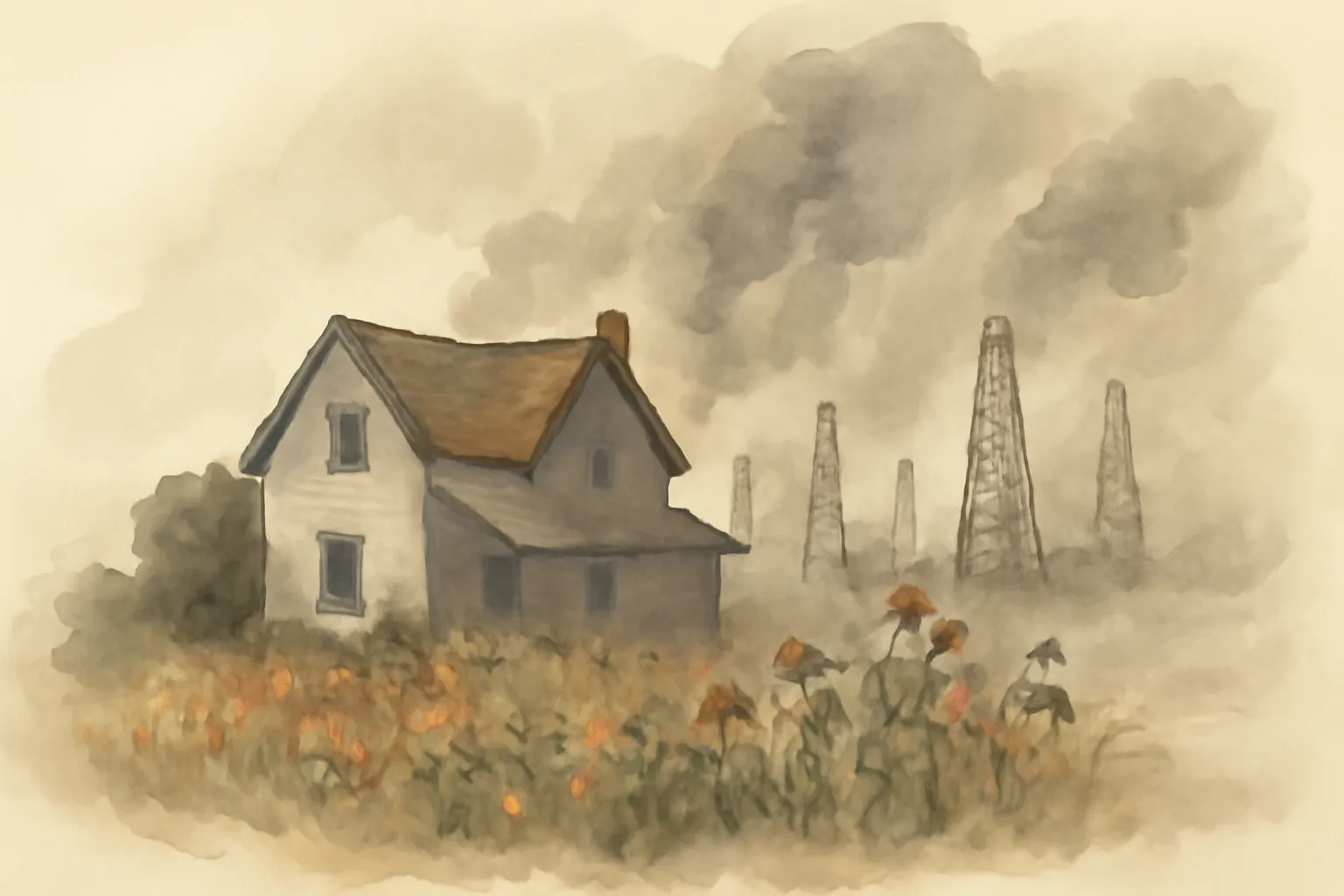
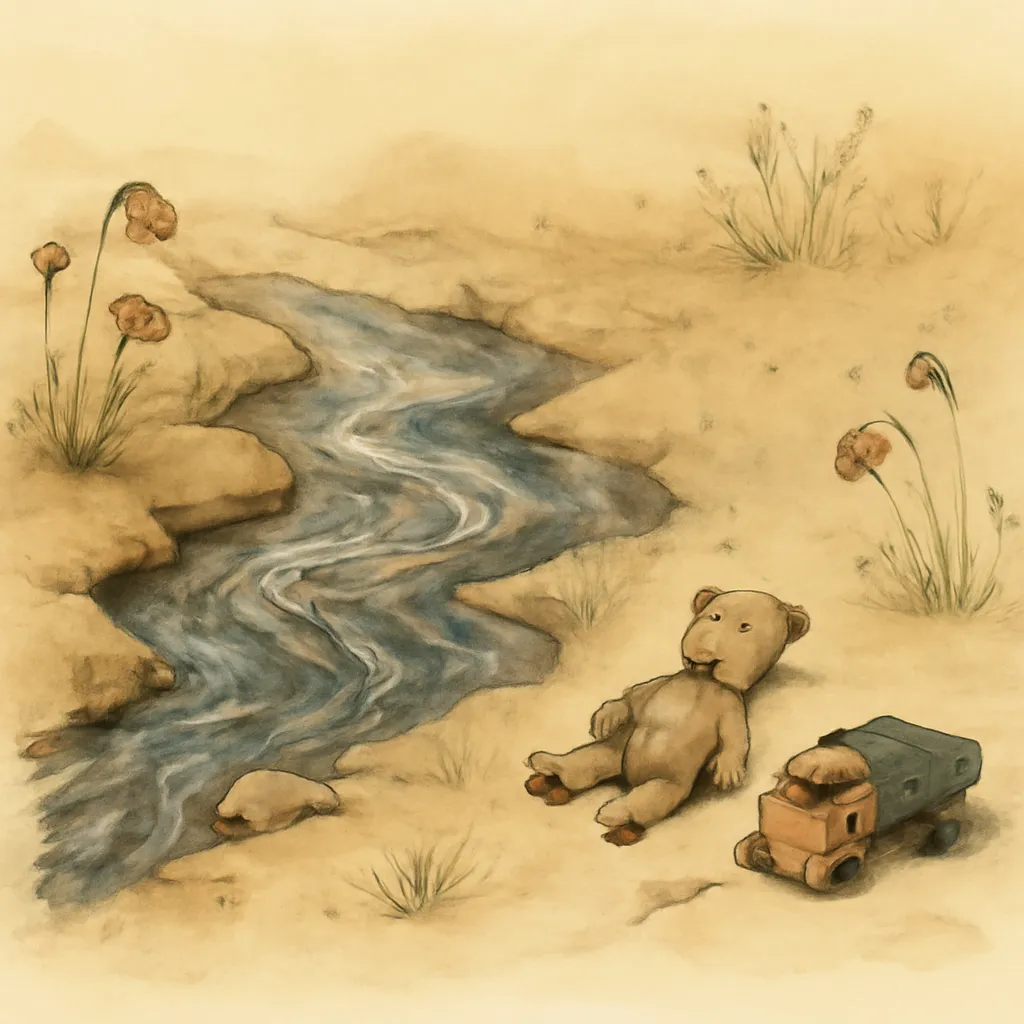
At its heart, the book is a human story: Stacey Haney’s journey from hopeful leaseholder to embattled activist illustrates how the costs of fracking—contaminated water, sick children, dying animals—are borne by ordinary people. Griswold shows how these costs are not abstract, but immediate and devastating, challenging the narrative that energy booms are unqualified blessings for struggling communities.
2.Promises of Prosperity and the Reality of Inequality
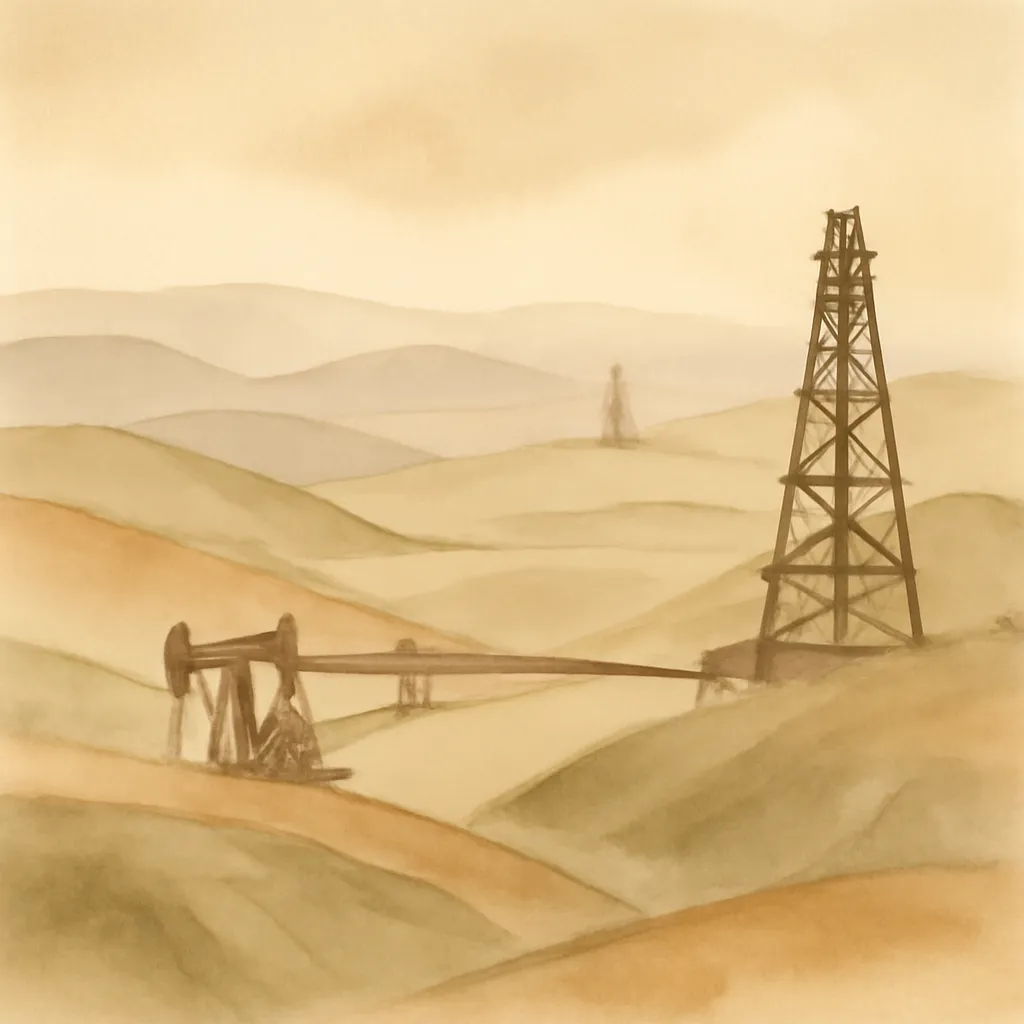
The title itself—Amity and Prosperity—captures the tension between the hope for economic uplift and the uneven distribution of its benefits. Griswold documents how the wealth generated by fracking rarely reaches those most affected by its downsides, exacerbating existing inequalities and leaving families like the Haneys worse off than before.
3.Community Divisions and Social Fracture
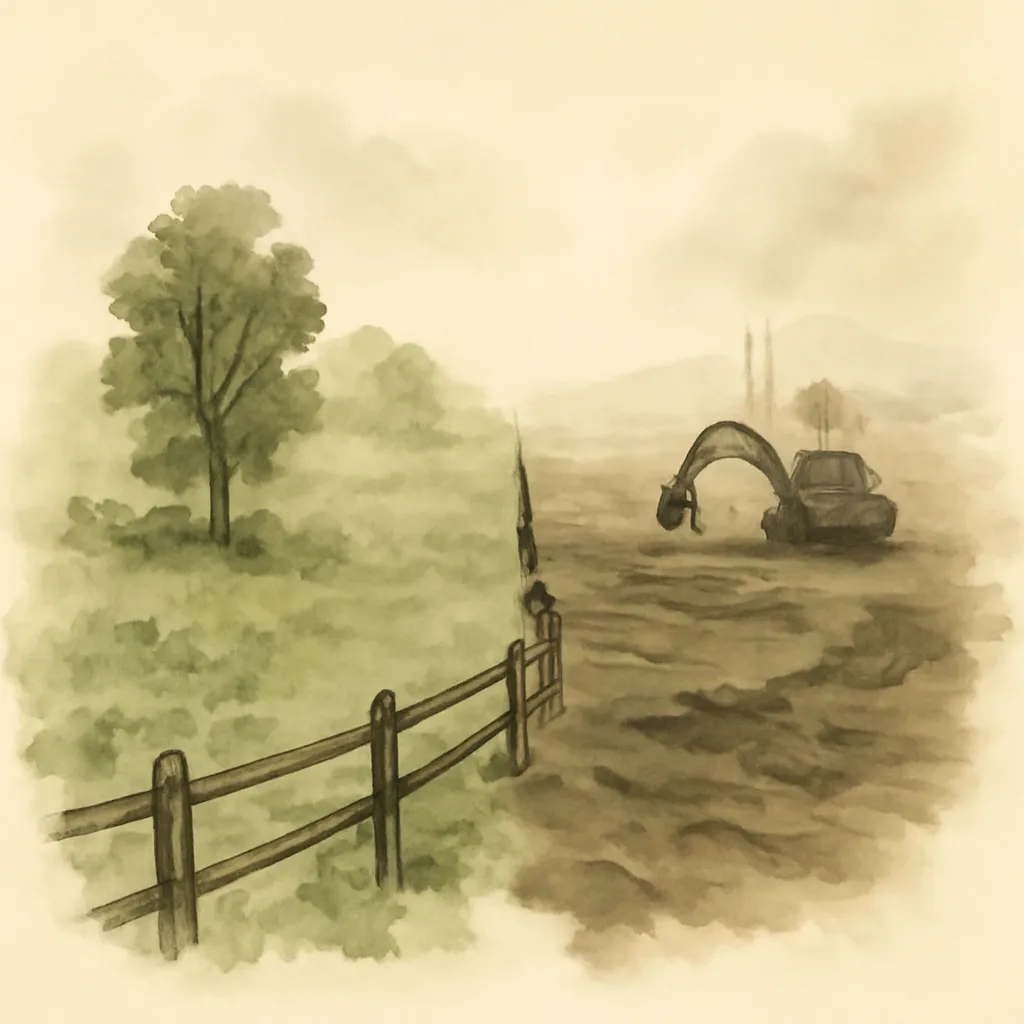
The arrival of the fracking industry doesn’t just impact the environment; it fractures the social fabric of Amity and Prosperity. Griswold explores how neighbors turn against each other, some defending the industry as a lifeline, others blaming it for their suffering. This division mirrors larger national rifts over trust, expertise, and the meaning of progress.
4.The Challenge of Environmental Justice
The book highlights the difficulty of holding powerful actors accountable in rural America. Legal and regulatory systems often favor corporations, leaving residents to fight uphill battles for recognition and redress. Griswold details the painstaking work of the Haneys’ legal team, underscoring how environmental justice is often out of reach for those without resources or connections.
5.Resilience and Grassroots Activism
Despite daunting odds, Haney and her allies persist, transforming personal grievance into collective action. Griswold shows how ordinary citizens, armed with determination and the support of committed advocates, can challenge entrenched interests. The story is ultimately one of resilience and the potential for grassroots activism to effect change, even in the face of systemic obstacles.
6.The Broader American Story
While rooted in one family’s experience, the book resonates far beyond Pennsylvania. Griswold uses the Haneys’ struggle as a lens to examine wider questions about rural decline, the costs of progress, and the meaning of justice in contemporary America. The story is both particular and universal, illuminating the fractures—literal and metaphorical—that define the nation.