1.The Medium Shapes the Message
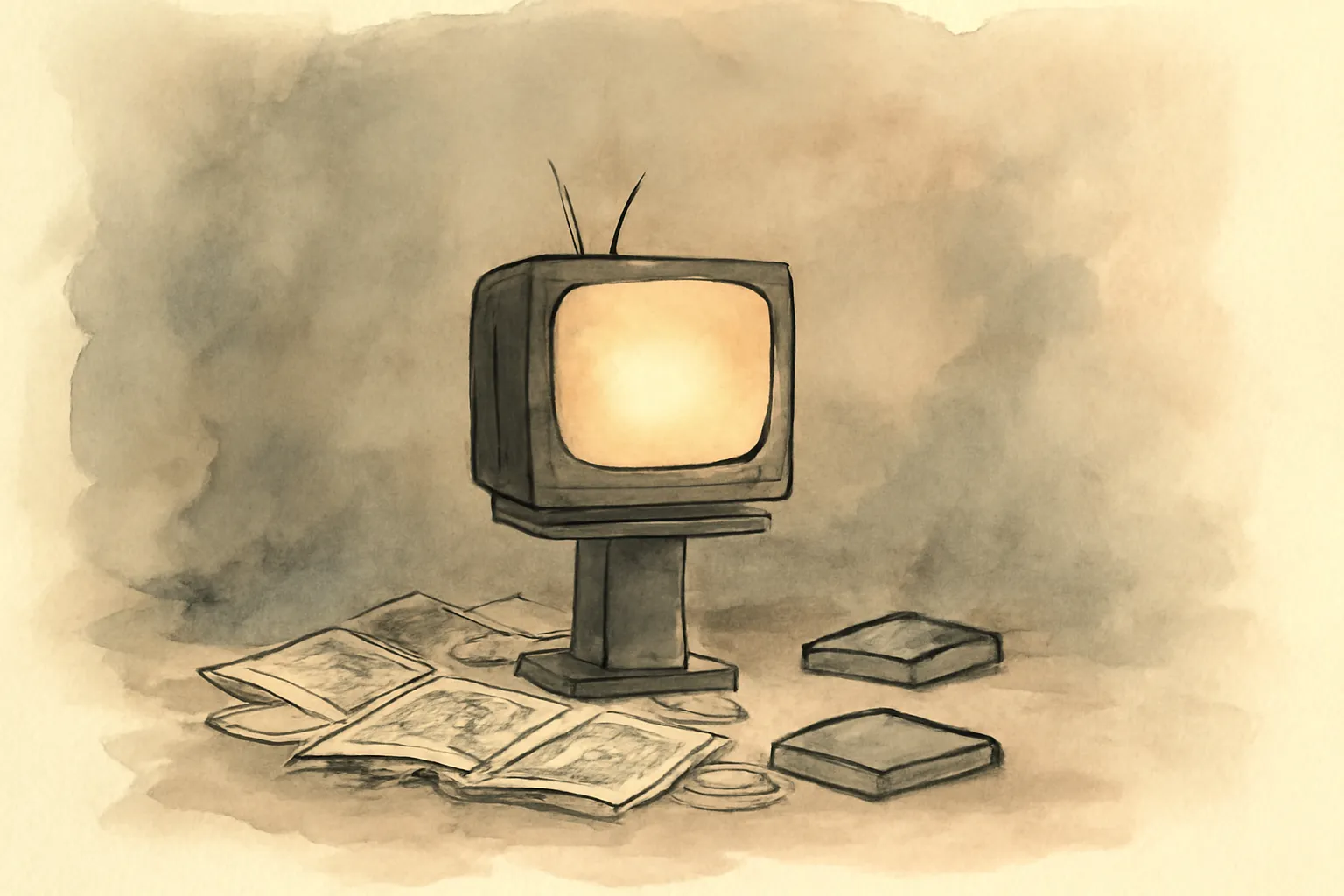
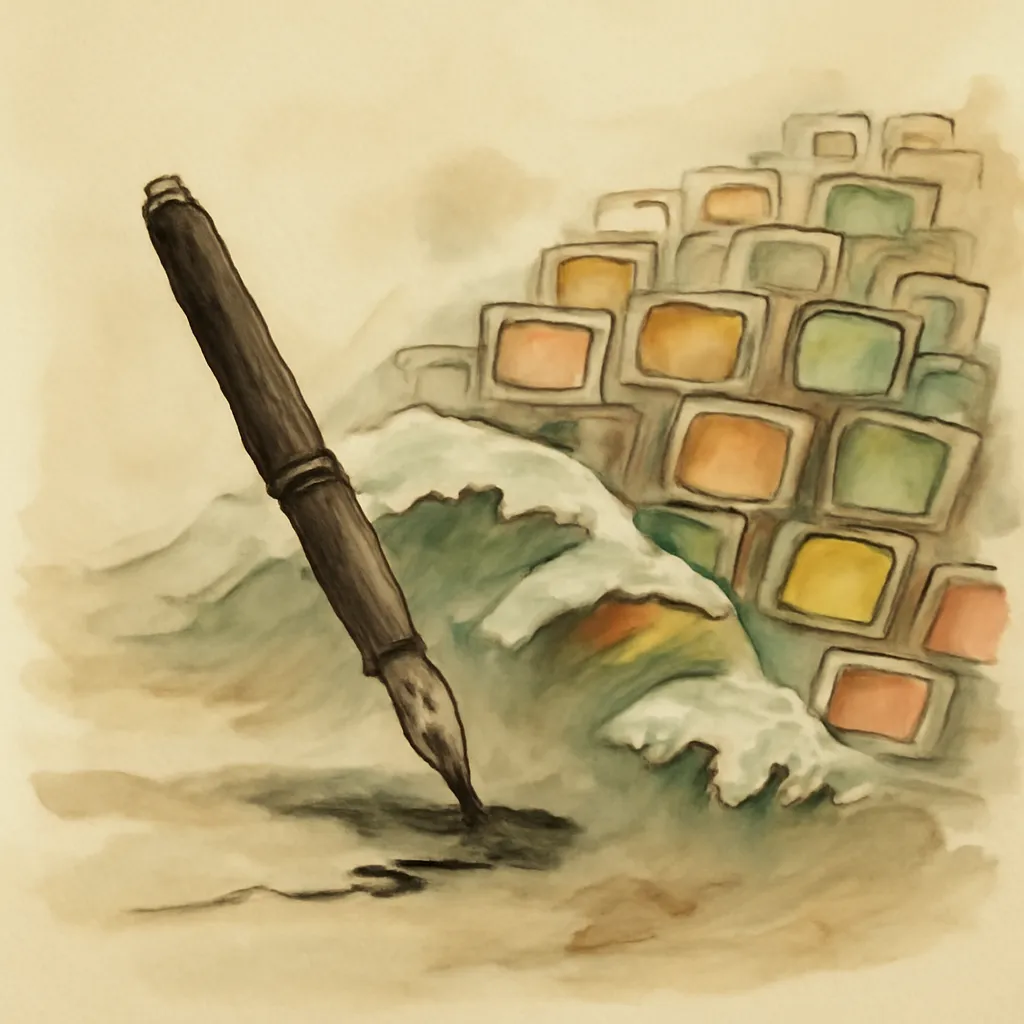
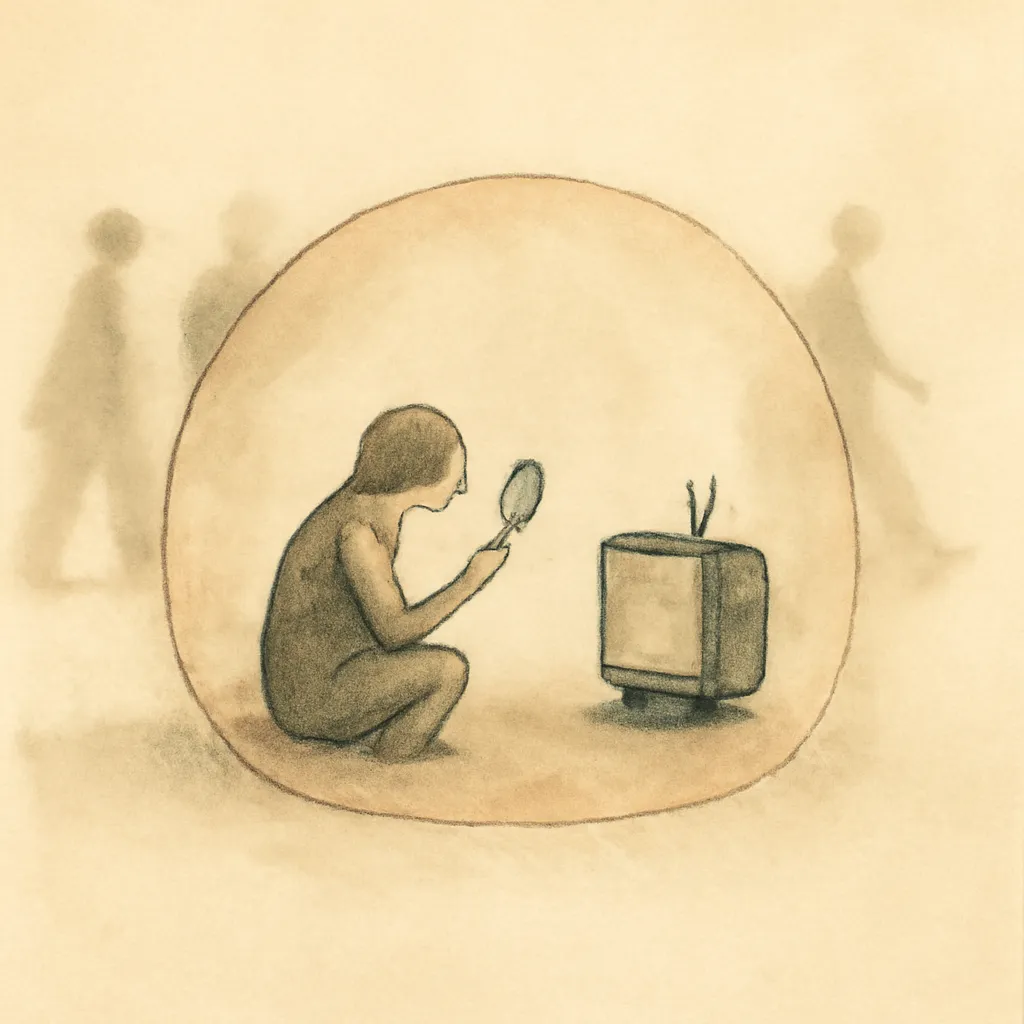
Postman argues that every medium of communication inherently shapes the kind of content it can best convey. Print culture, with its emphasis on logic and sequence, encouraged rational debate and critical thinking. In contrast, television privileges visual stimulation and brevity, favoring entertainment over depth. This shift is not just about style, but fundamentally alters the substance of public discourse.
2.The Rise of Entertainment as a Cultural Value
Television, according to Postman, has made entertainment the dominant lens through which all information is filtered. News, politics, religion, and education are increasingly packaged to amuse rather than to inform or challenge. This transformation erodes the seriousness with which society approaches important issues, as even grave matters are presented with the same gloss as light entertainment.
3.The Decline of Rational Public Discourse
Postman contrasts the age of print—where public debates were lengthy, reasoned, and text-based—with the age of television, where discourse is fragmented and superficial. He contends that television’s format discourages sustained argument or complexity, making it difficult for viewers to engage in meaningful analysis or deliberation.
4.Politics as Show Business
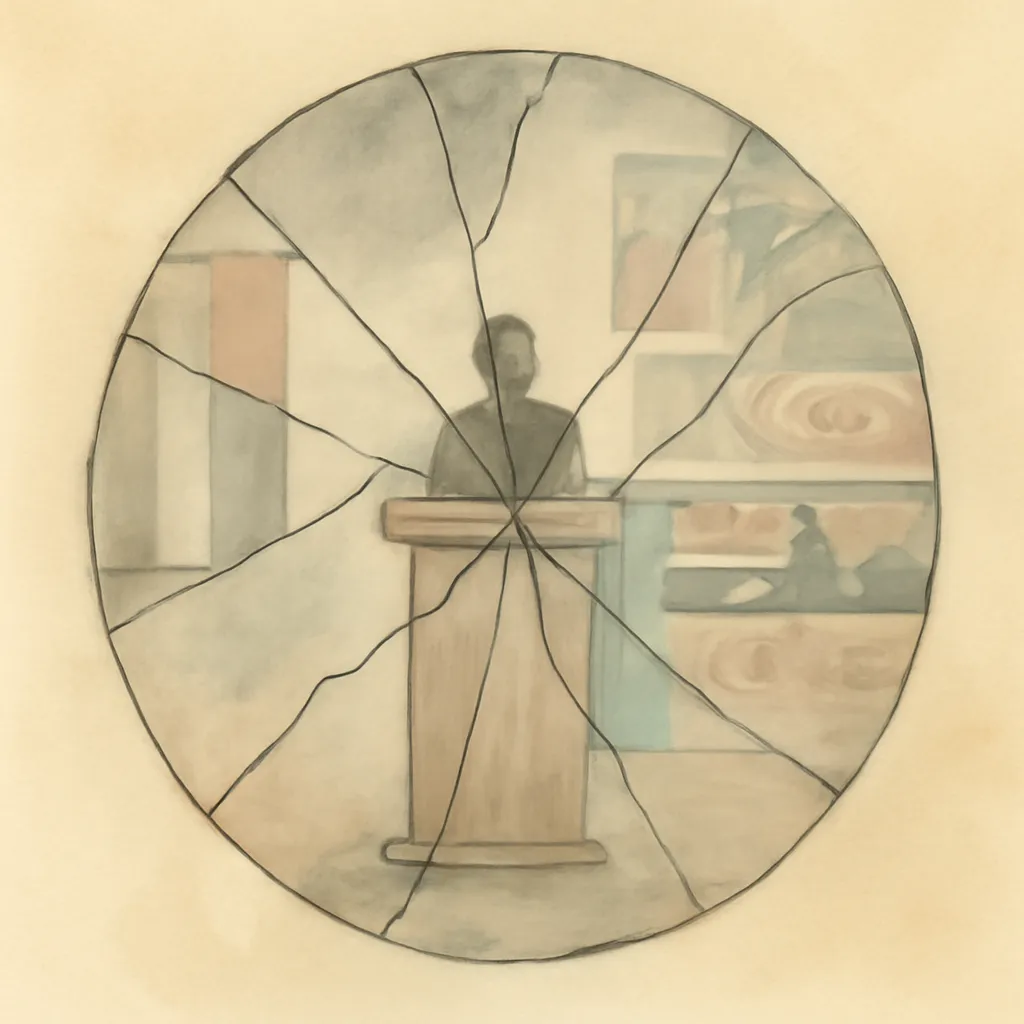
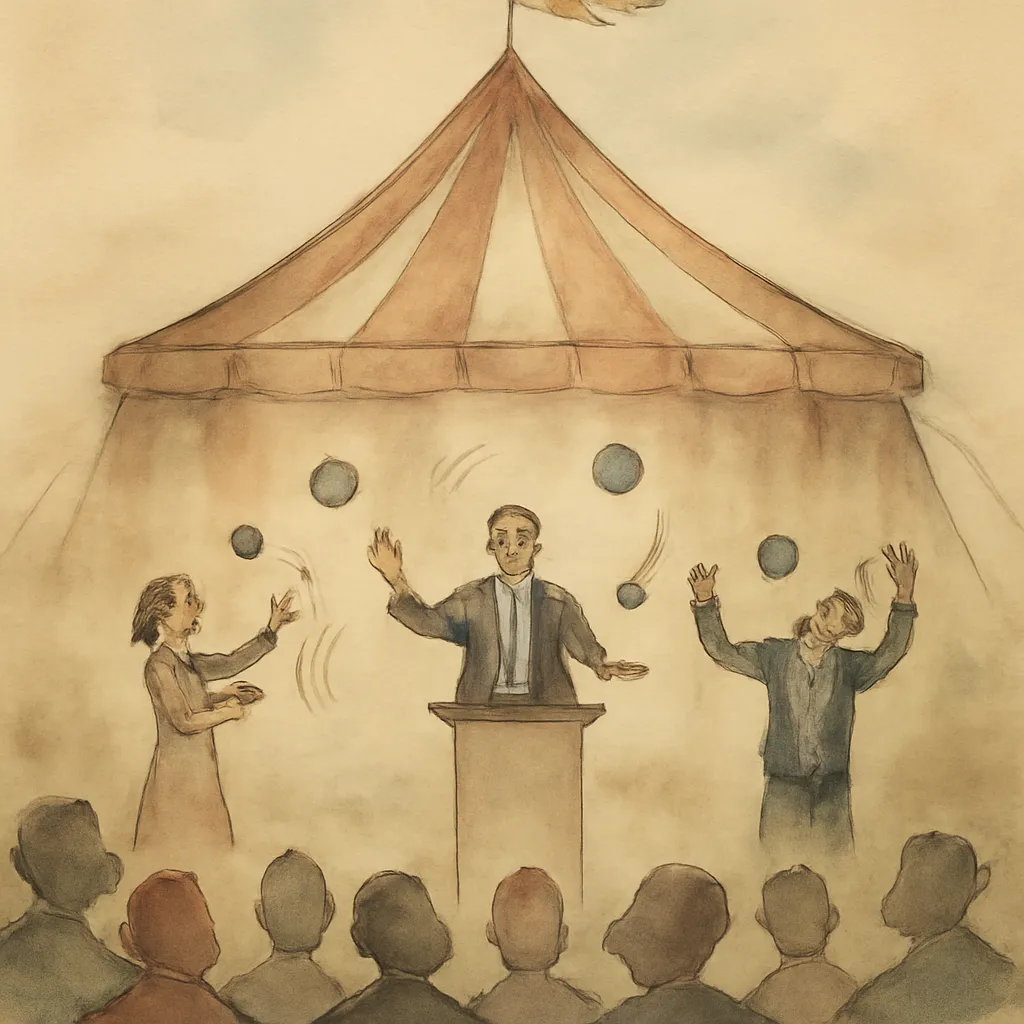
The book highlights how political communication has adapted to fit the demands of television. Candidates are judged on image, charisma, and sound bites rather than policies or ideas. Debates become performances, and elections are covered as spectacles. This shift undermines informed citizenship and reduces politics to a contest of personalities.
5.The Limits of Media Critique
Postman warns that simply being aware of television’s influence is not enough to counteract it. Because media environments are so pervasive, their effects become invisible and normalized. He urges readers to actively question and resist the entertainment imperative, and to seek out forms of communication that promote reflection and critical engagement.
6.A Blueprint for Media Literacy
While the book is critical, Postman also offers hope: by understanding how media shape our perceptions, we can make more conscious choices about what we consume and how we participate in public life. He advocates for education that fosters media literacy, enabling citizens to navigate the complexities of modern communication.