1.Medicine as Big Business
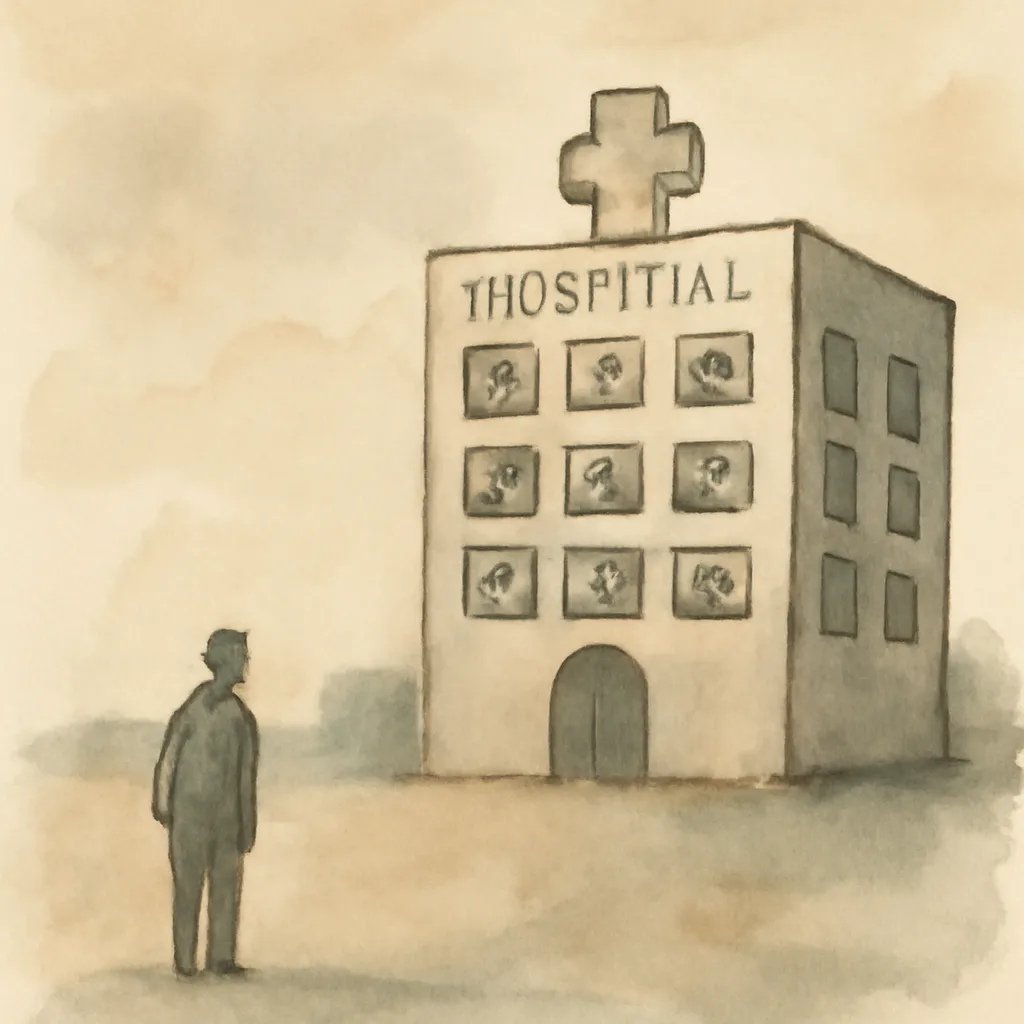
Rosenthal argues that the U.S. healthcare system has shifted from a service-oriented model to one driven by profit at every turn. Hospitals, insurers, drug companies, and even doctors often prioritize financial gain over patient well-being. This profit-first mentality has led to skyrocketing costs, opaque billing, and a system where the incentives are misaligned with patient health.
2.Fragmentation and Lack of Transparency
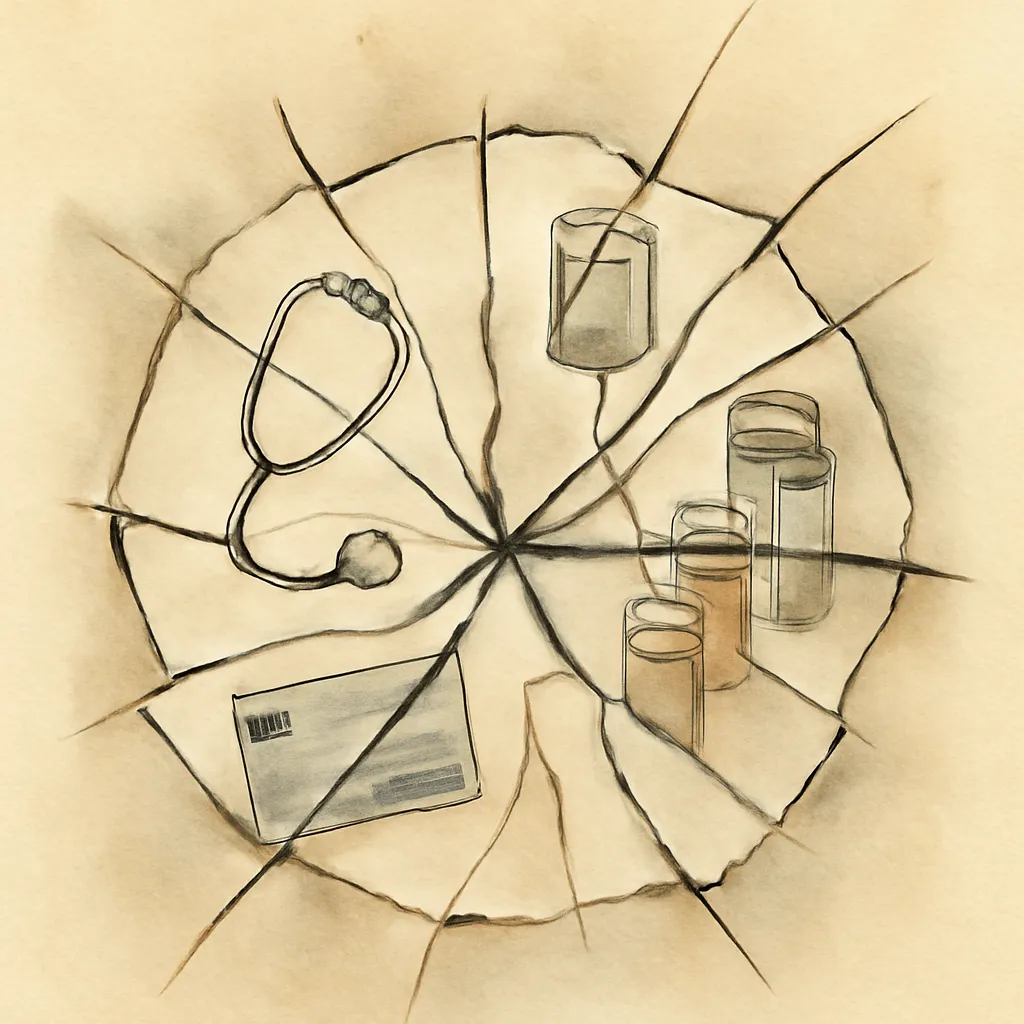
A central theme is how the healthcare industry is fragmented into competing sectors—hospitals, insurers, pharmaceutical companies, device makers—each maximizing its own revenue. This fragmentation makes pricing opaque and billing incomprehensible to patients, who are often blindsided by unexpected costs and denied the information they need to make informed decisions.
3.Perverse Incentives and Overcharging
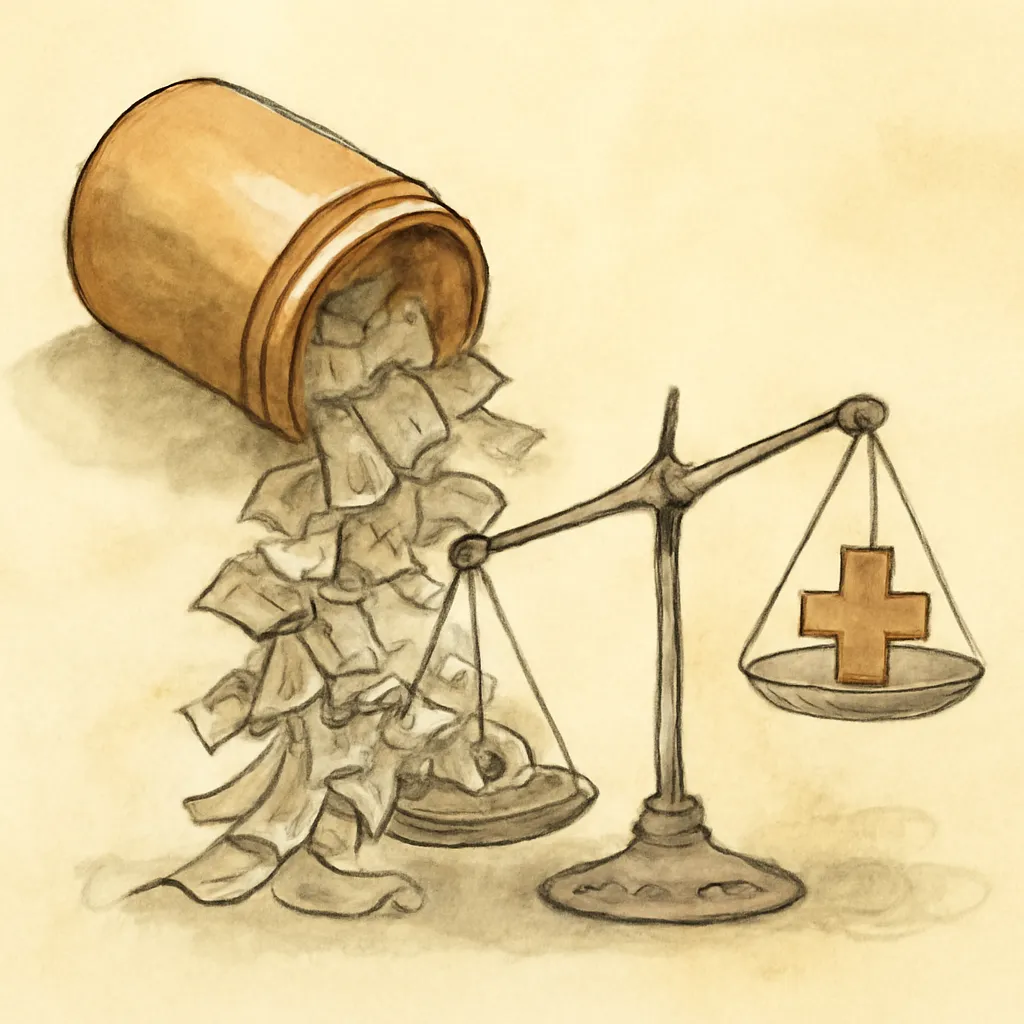
Rosenthal details how perverse financial incentives—like fee-for-service billing and upcoding—drive unnecessary tests, procedures, and inflated prices. She shows how hospitals and providers exploit loopholes, charge exorbitant facility fees, and bill for services that may not improve patient outcomes, all while patients are left footing the bill.
4.Insurance: Protection or Profit?
The book scrutinizes the insurance industry’s evolution from mutual protection to profit-driven enterprise. Rosenthal explains how insurers use complex policies, narrow networks, and high deductibles to limit payouts, often leaving patients underinsured and exposed to financial risk despite paying high premiums.
5.Pharmaceutical and Device Pricing
Rosenthal exposes the mechanisms behind soaring drug and device prices, including lack of price negotiation, patent manipulation, and aggressive marketing. She shows how these industries leverage regulatory gaps and market exclusivity to set prices far above what’s charged elsewhere in the world, with little relation to actual value or innovation.
6.Empowering Patients and Advocating for Reform
Importantly, Rosenthal doesn’t just diagnose the problem—she offers practical advice for patients to navigate the system, challenge unfair bills, and make cost-effective choices. She also calls for collective action and policy reform, arguing that meaningful change requires both personal vigilance and systemic overhaul.