1.The Unreliability of Memory
Ishiguro crafts Ono as a deeply unreliable narrator, whose recollections shift and contradict as the story unfolds. This ambiguity forces readers to question not only the truth of Ono’s past but also the ways in which people reconstruct their own histories to suit changing circumstances or to shield themselves from guilt. The novel suggests that memory is not a fixed record but a malleable tool, shaped by self-preservation and regret.
2.Art and Moral Responsibility
Ono’s career as an artist is inseparable from the rise of Japanese militarism, and the novel probes the ethical responsibilities of artists within society. Ishiguro raises difficult questions: Can art ever be apolitical? What is the artist’s duty when their work is co-opted for harmful purposes? Ono’s struggle to reconcile pride in his achievements with the consequences of his influence is at the heart of the novel’s moral inquiry.
3.Postwar Identity and Cultural Change
Set during Japan’s reconstruction, the novel captures a society in flux, where old hierarchies and values are being questioned. Ono’s generation, once respected, now faces suspicion and blame from the younger generation. Ishiguro uses this generational divide to explore how societies process collective guilt and redefine themselves after catastrophe.
4.Pride, Shame, and Self-Deception
Ono’s narrative is marked by a tension between pride in his past and a growing sense of shame. He often downplays or justifies his actions, revealing the psychological mechanisms by which individuals avoid confronting uncomfortable truths. The novel examines how pride can blind people to the harm they cause, and how shame can be both destructive and redemptive.
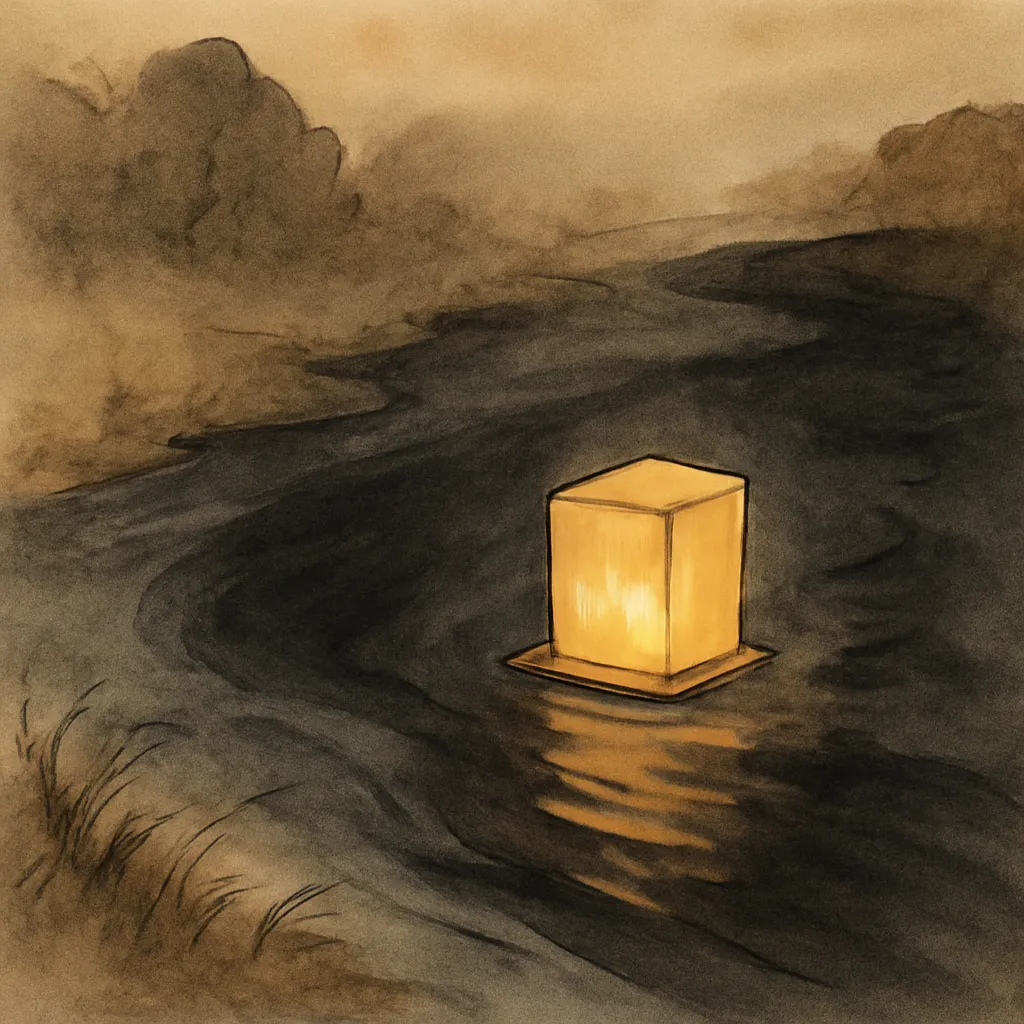
5.The Floating World: Impermanence and Escape
The title refers to the 'floating world' (ukiyo) of pleasure districts, but also evokes the transience of life and the temptation to escape reality. Ono’s memories of the floating world are tinged with nostalgia and regret, symbolizing both the allure and the dangers of detachment from moral consequences. Ishiguro uses this motif to meditate on impermanence, both personal and cultural.
6.Silence and Communication
Much of the novel’s tension arises from what is left unsaid—between family members, between generations, and within Ono himself. Ishiguro masterfully depicts how silence can serve as both a shield and a weapon, shaping relationships and perpetuating misunderstandings. The novel invites readers to consider the costs of what is never spoken.