1.Oppression and Resistance
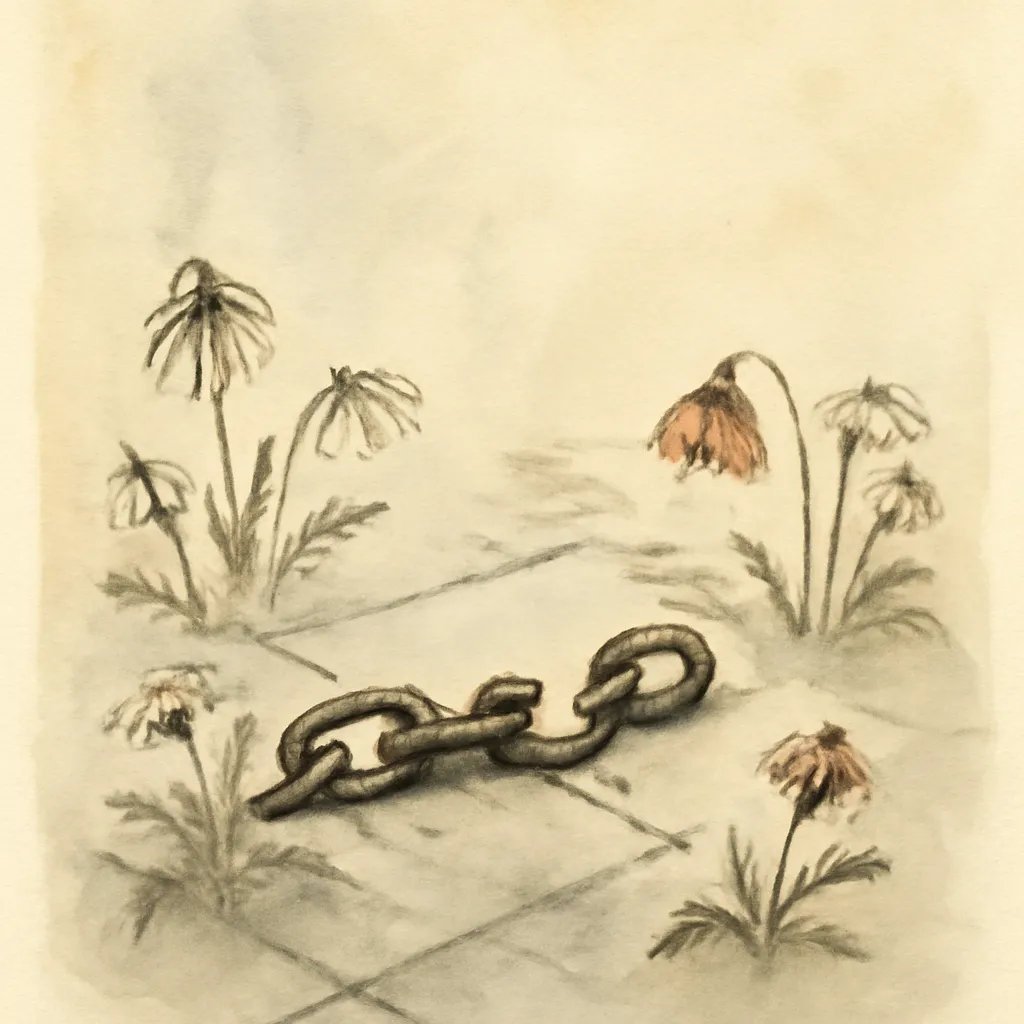
At its core, the novel explores life under a merciless regime, where the Martial Empire subjugates the Scholar class with violence and fear. Through Laia’s desperate quest to save her brother and Elias’s struggle against his own role as an enforcer, Tahir examines the psychological and societal costs of oppression. The story asks what it takes to resist, and whether survival is possible without sacrificing one's soul.
2.Moral Ambiguity and Choice
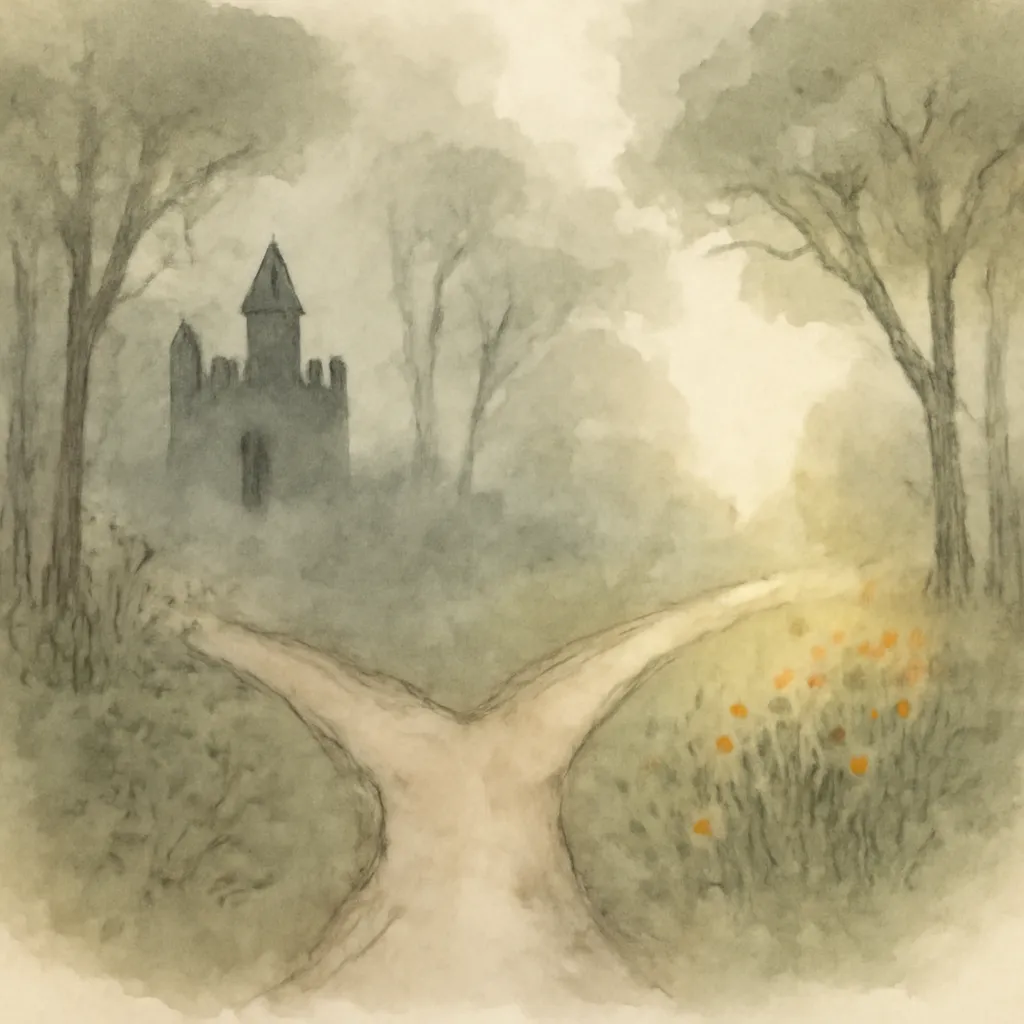
Characters in An Ember in the Ashes are constantly confronted with impossible choices—between loyalty and survival, love and duty, vengeance and mercy. Tahir refuses to offer easy answers, instead highlighting how even the best intentions can lead to tragic consequences. This moral complexity gives the narrative a sense of realism and urgency, making readers question what they would do in similar circumstances.
3.Identity and Transformation
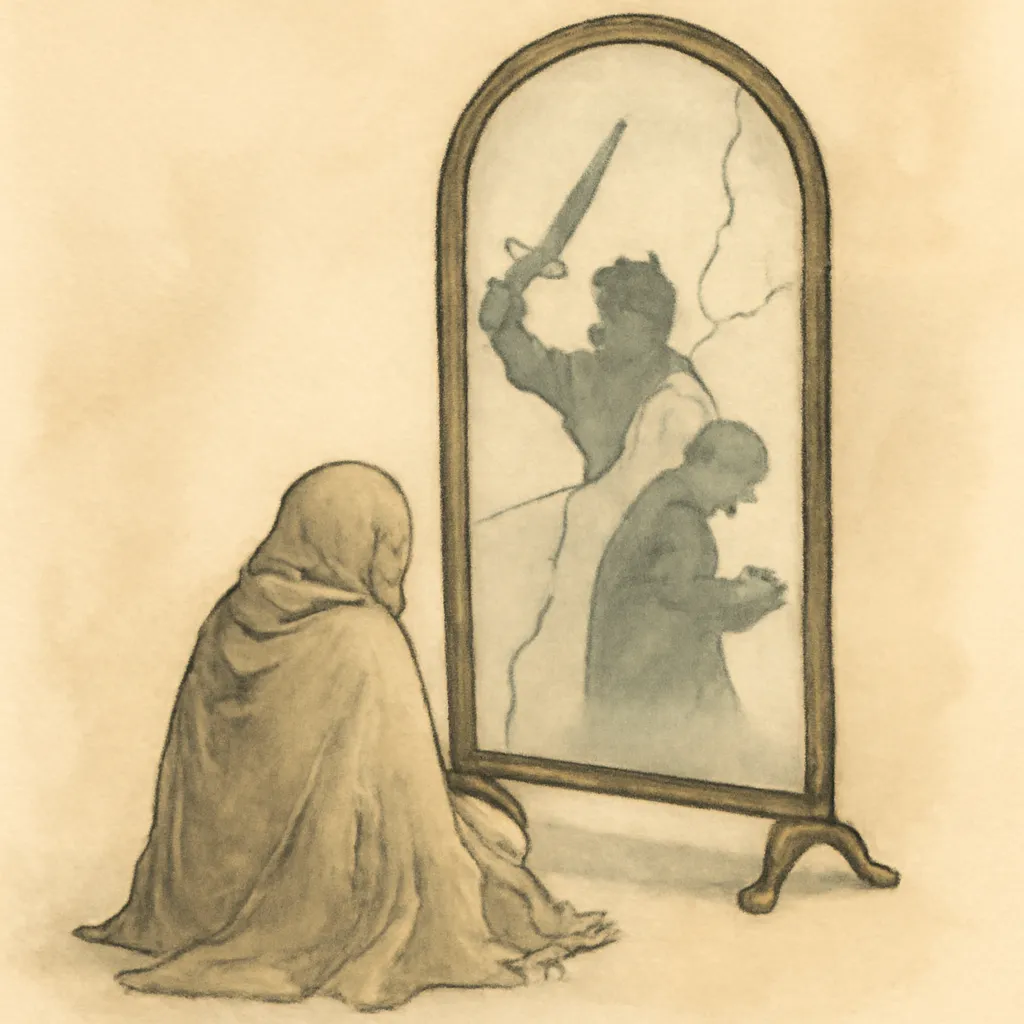
Both Laia and Elias are shaped by the roles society has forced upon them—Laia as a powerless Scholar, Elias as a Mask (elite soldier). Their journeys are about breaking free from these identities, discovering inner strength, and redefining themselves. The book suggests that true transformation is painful but necessary in the fight for freedom and meaning.
4.Power, Corruption, and Fear
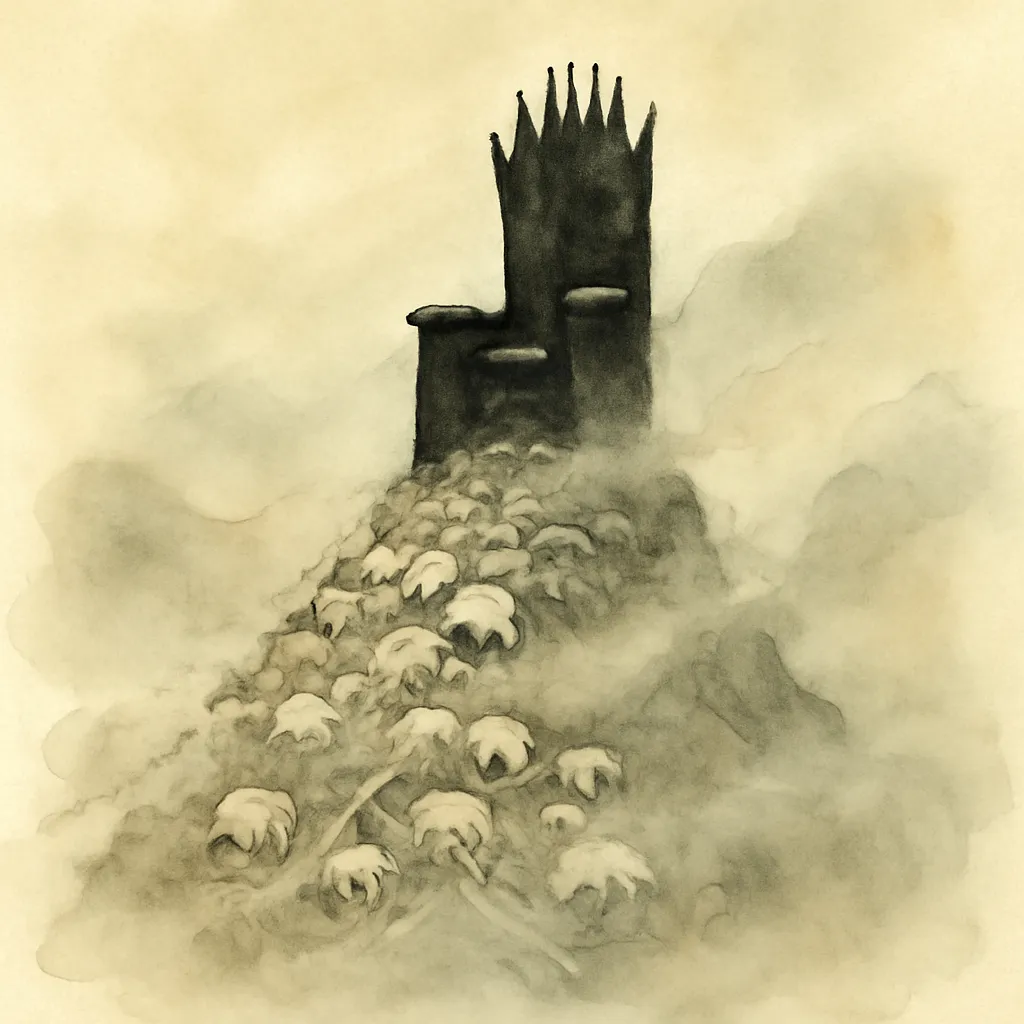
Tahir’s world is one where power is maintained through terror, and those in authority are often corrupted by it. The Commandant, the ruthless head of Blackcliff Academy, embodies the dangers of unchecked power. The novel interrogates how fear is used as a tool of control, and how individuals can either perpetuate or resist systems of abuse.
5.The Cost of Courage
Acts of bravery in the novel rarely come without sacrifice. Whether it’s Laia risking her life to spy for the rebels or Elias defying the empire’s expectations, courage is shown to be both necessary and costly. The story honors those who dare to act despite their fear, while acknowledging the pain and loss that often accompany such choices.
6.Hope as Rebellion
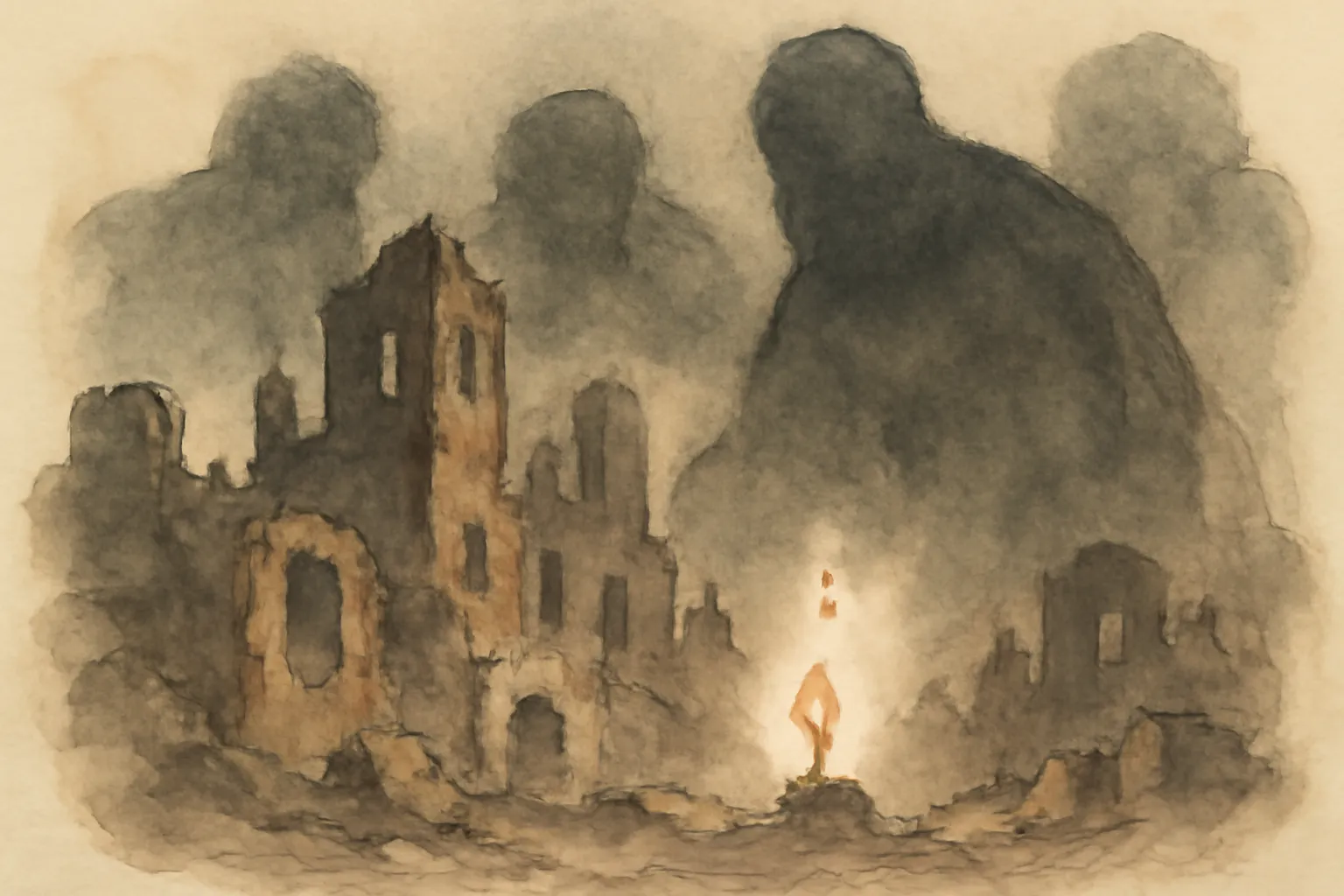
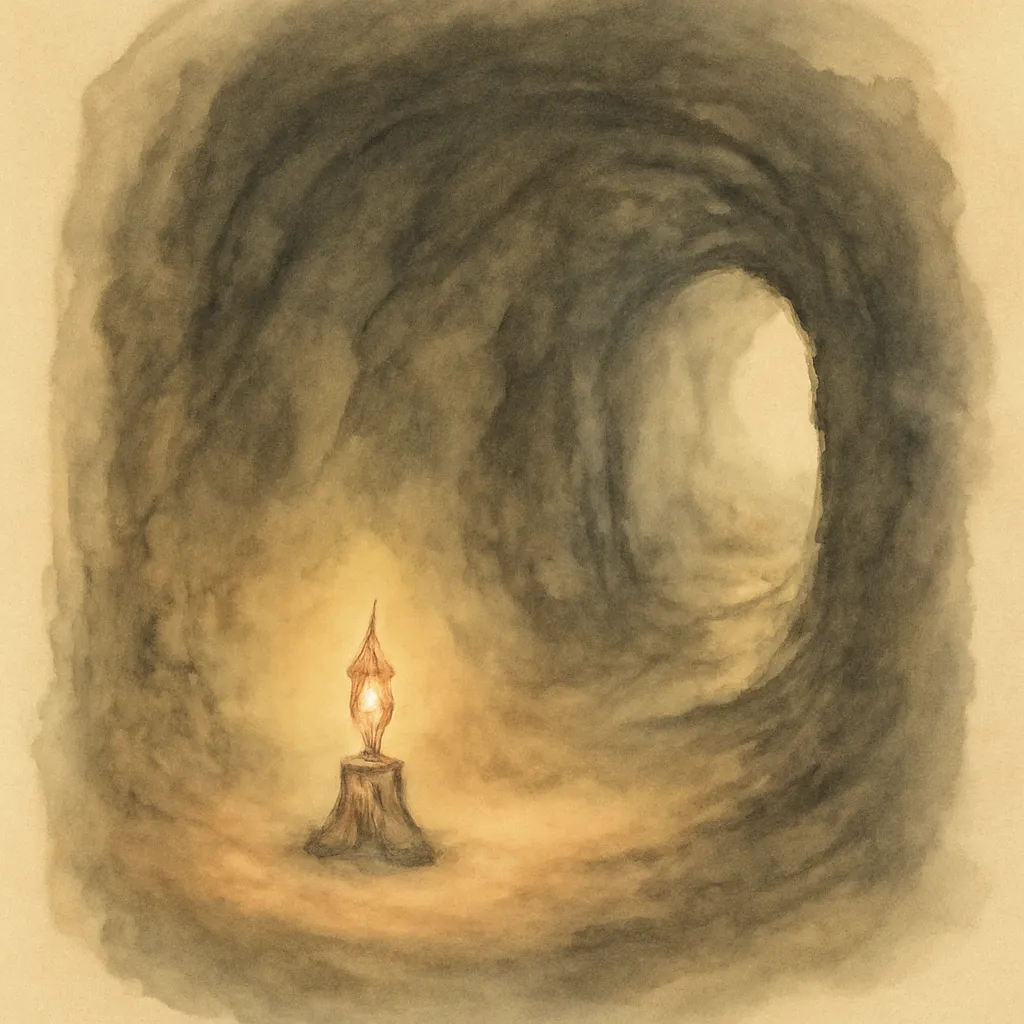
In a world designed to crush hope, holding onto it becomes a radical act. The title itself is a metaphor for the spark of resistance that can grow into a blaze. Tahir weaves hope throughout the bleakness, suggesting that even the smallest ember can ignite change if it is protected and nurtured.