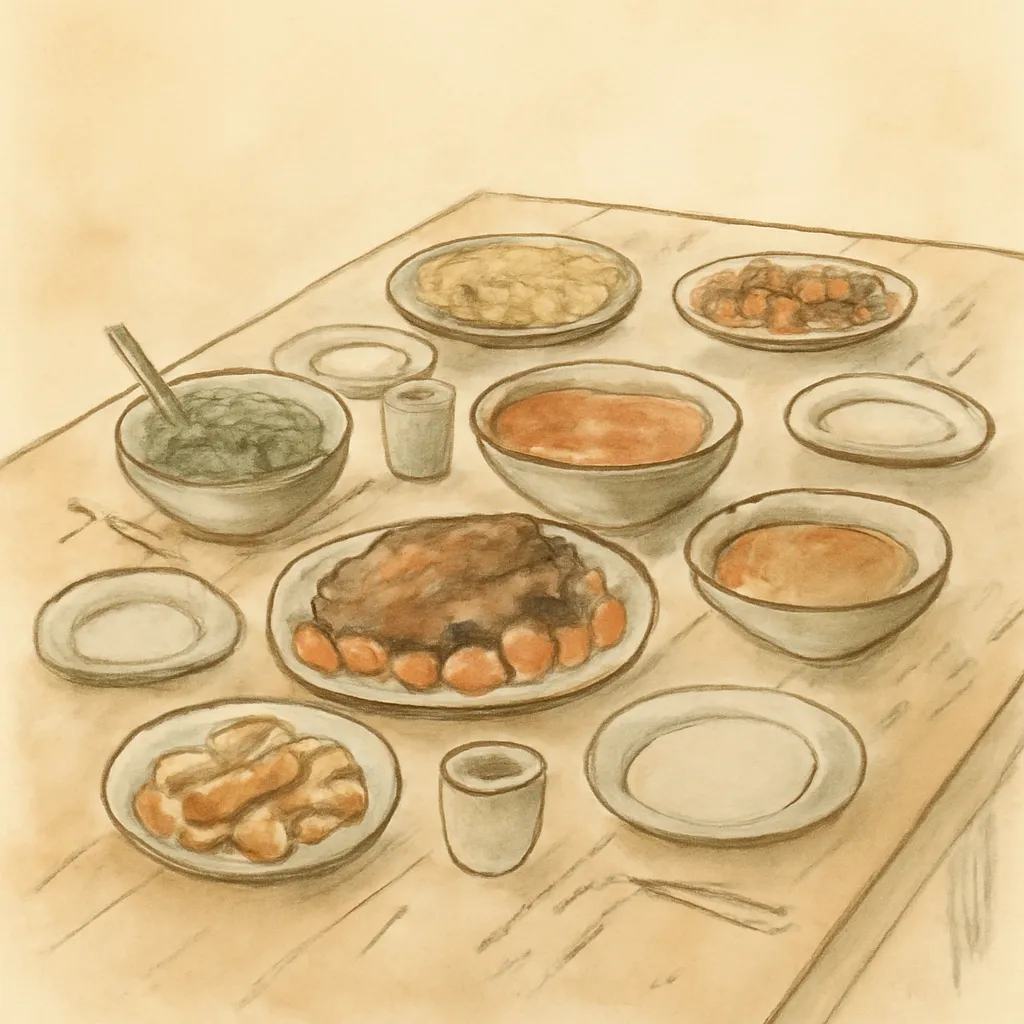
1.Cooking as an Everyday Act
Adler reframes cooking from a daunting, rule-bound task into a daily, life-affirming ritual. She argues that cooking should be woven seamlessly into everyday life, not reserved for special occasions or elaborate recipes. By demystifying the process, she encourages readers to find pleasure and meaning in preparing food, regardless of skill level or circumstance. This perspective makes the kitchen a place of creativity and nourishment rather than stress.
2.Resourcefulness Over Recipes
Rather than focusing on strict recipes, Adler champions adaptability and resourcefulness. She teaches readers to use what they have on hand, transforming leftovers and scraps into delicious new meals. This approach not only reduces food waste but also fosters a sense of confidence and ingenuity. By learning to trust their senses and instincts, readers can improvise and make the most of every ingredient.
3.The Beauty of Simplicity
Adler finds elegance in simplicity, showing that the most satisfying meals often come from humble beginnings. She highlights the value of basic techniques—like boiling, roasting, and sautéing—and the transformative power of seasoning. Through her writing, Adler demonstrates that good food doesn’t require exotic ingredients or complicated steps; rather, attention and care elevate the simplest fare.
4.Cooking as an Ongoing Cycle
A central theme is the cyclical nature of cooking: today’s meal becomes tomorrow’s foundation. Adler illustrates how to carry flavors and ingredients forward, turning leftovers into soups, salads, or new dishes. This mindset not only conserves resources but also encourages creativity and continuity in the kitchen, making cooking a sustainable and evolving practice.
5.Philosophy Meets Practicality
Blending poetic reflection with hands-on guidance, Adler’s writing is as much about how to think about food as how to cook it. She draws on literary and historical references, weaving them into actionable advice. This synthesis of philosophy and practicality helps readers cultivate both a thoughtful and functional approach to cooking, making the kitchen a site of both nourishment and contemplation.
6.Cooking for Nourishment and Connection
Adler emphasizes the social and emotional dimensions of cooking. Meals are opportunities for connection—with oneself, with others, and with the broader rhythms of life. By focusing on the act of feeding and being fed, she reminds readers that cooking is an act of care and generosity, not just a means to an end.