1.The Collision of Science and Religion
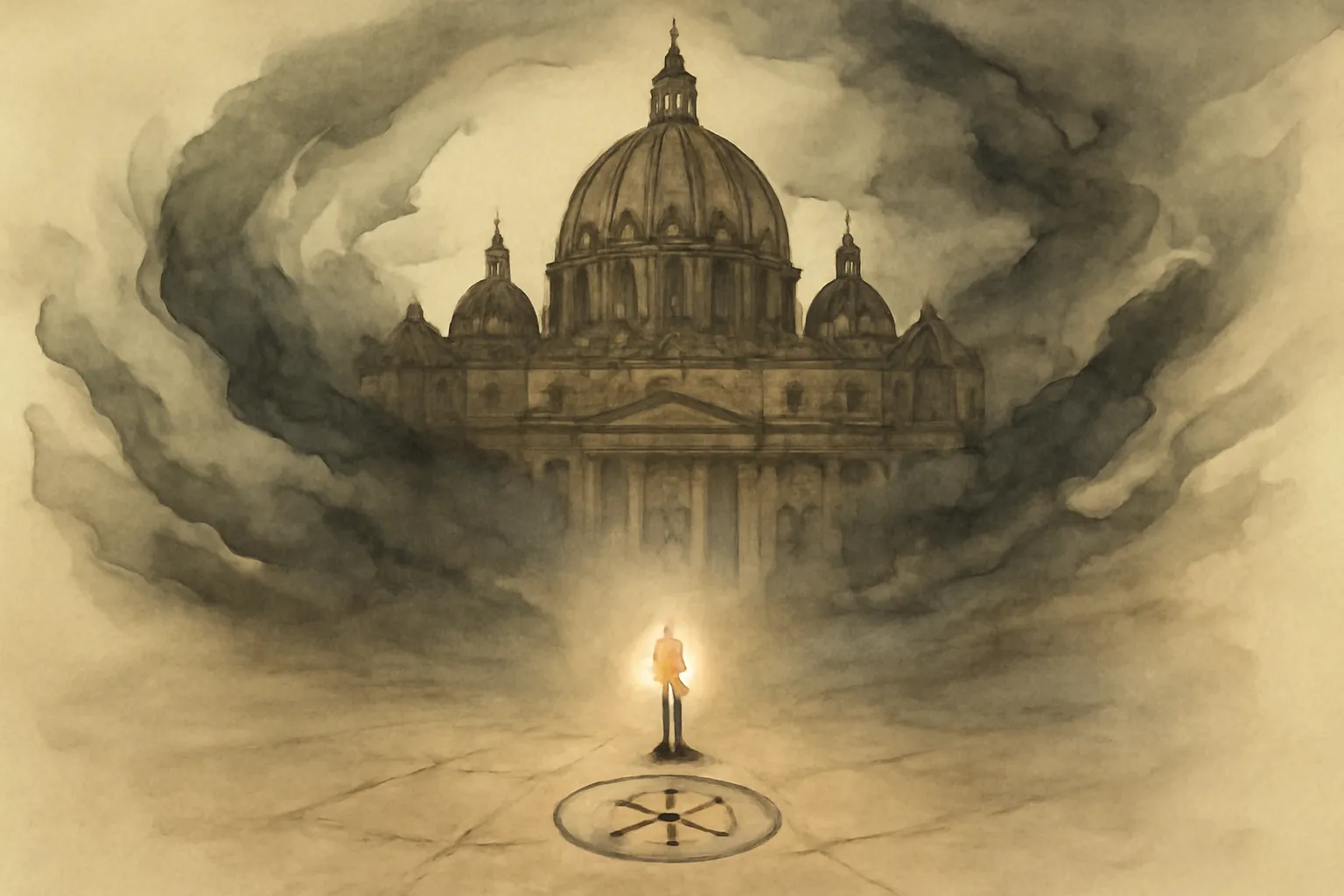
At its core, Angels & Demons explores the longstanding conflict and surprising parallels between scientific progress and religious belief. The plot is driven by the theft of antimatter—a cutting-edge scientific discovery—by a group claiming to be the Illuminati, a legendary secret society with roots in the Enlightenment. Brown uses this premise to interrogate whether science and faith are truly at odds, or if they share a deeper, more complex relationship. The characters themselves embody this debate: Robert Langdon, the symbologist, approaches mysteries rationally, while Vittoria Vetra, a scientist, is motivated by both scientific curiosity and a sense of spiritual wonder.
2.The Power and Mystery of Symbols
Symbols, codes, and hidden meanings are central to the novel, both as plot devices and as metaphors for the ways humans seek understanding. Langdon’s expertise in symbology allows the narrative to delve into the history and significance of ancient signs, especially those associated with the Illuminati and the Catholic Church. The novel suggests that symbols can both conceal and reveal truth, depending on who interprets them, and that the search for meaning is as much about the journey as the solution.
3.Secret Societies and Institutional Power
Brown’s narrative is propelled by the mythos of the Illuminati, a secret society allegedly dedicated to undermining the Catholic Church. The book examines how institutions—whether religious, scientific, or clandestine—wield power, protect secrets, and shape history. By blurring the lines between fact and fiction, Brown invites readers to question how much of what we accept as truth is constructed by those in power, and how conspiracy theories can both illuminate and obscure reality.
4.The Vatican as a Character
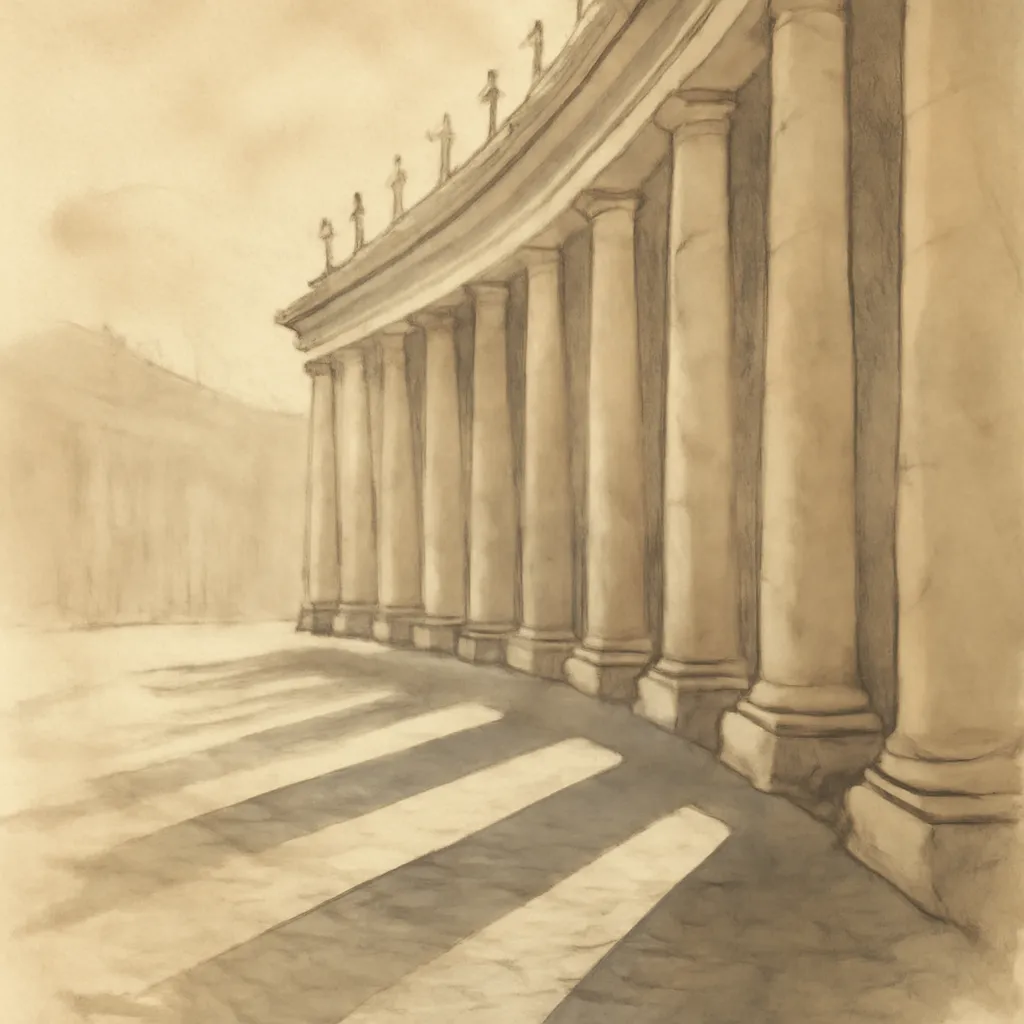
The setting of Vatican City is more than a backdrop; it is integral to the story’s tension and atmosphere. Brown meticulously details its architecture, rituals, and political machinations, immersing readers in a world where tradition and secrecy reign. The labyrinthine passages, ancient chapels, and ceremonial grandeur all serve to heighten the sense of urgency and mystery, making the Vatican itself feel like a living, breathing participant in the drama.
5.The Nature of Faith and Doubt
Throughout the novel, characters grapple with their beliefs in the face of extraordinary events. The crisis at the heart of the story forces both individuals and institutions to confront their certainties and doubts. Brown uses this tension to explore the idea that faith is not the absence of doubt, but the willingness to act despite it. This theme resonates beyond the narrative, prompting readers to reflect on their own convictions and the forces that challenge them.
6.Pacing and the Art of the Thriller
Angels & Demons is renowned for its relentless pacing, unfolding over a single, action-packed day. Brown crafts cliffhangers, puzzles, and plot twists that keep readers hooked, making the book a masterclass in suspenseful storytelling. This structure mirrors the urgency of the characters’ quest and underscores the high stakes of the conflict, ensuring that philosophical questions are never far from immediate danger.