1.The Search for Truth Amid Chaos
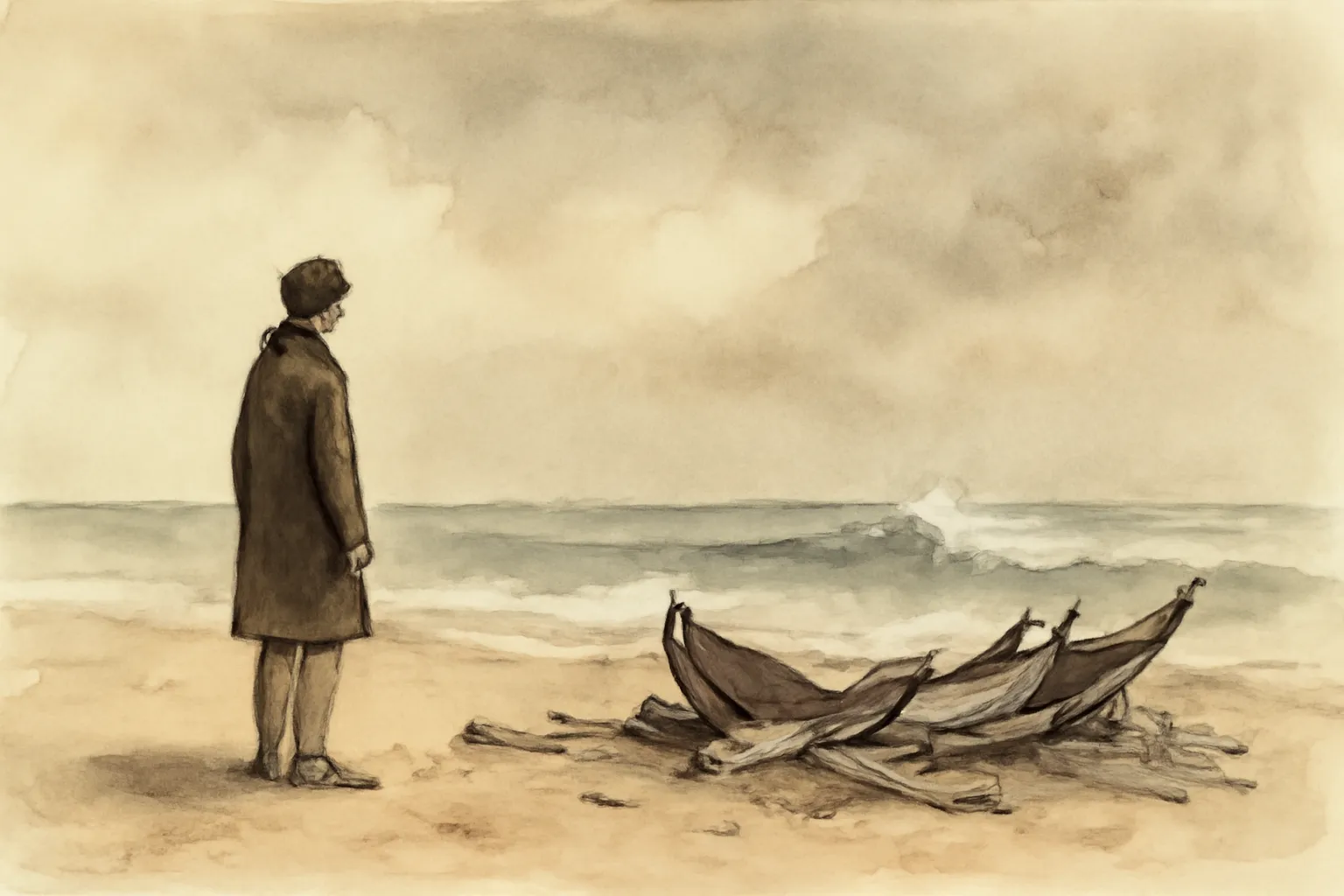
At its core, Anil’s Ghost is about the pursuit of truth in a landscape where facts are obscured by fear, violence, and political agendas. Anil, a forensic anthropologist, represents the rational, scientific approach to uncovering hidden atrocities. Yet, the novel reveals how truth is contested, manipulated, and sometimes dangerous to pursue. Ondaatje interrogates whether objective truth is possible in a society traumatized by war, and what it costs those who seek it.
2.Identity and Displacement
Anil’s return to Sri Lanka after years abroad highlights the complexities of identity for those caught between cultures. She is both insider and outsider, struggling to reconnect with her homeland while maintaining the perspective of someone shaped by the West. The novel explores how war disrupts personal and collective identities, and how individuals negotiate belonging in fractured societies.
3.The Legacy of Violence
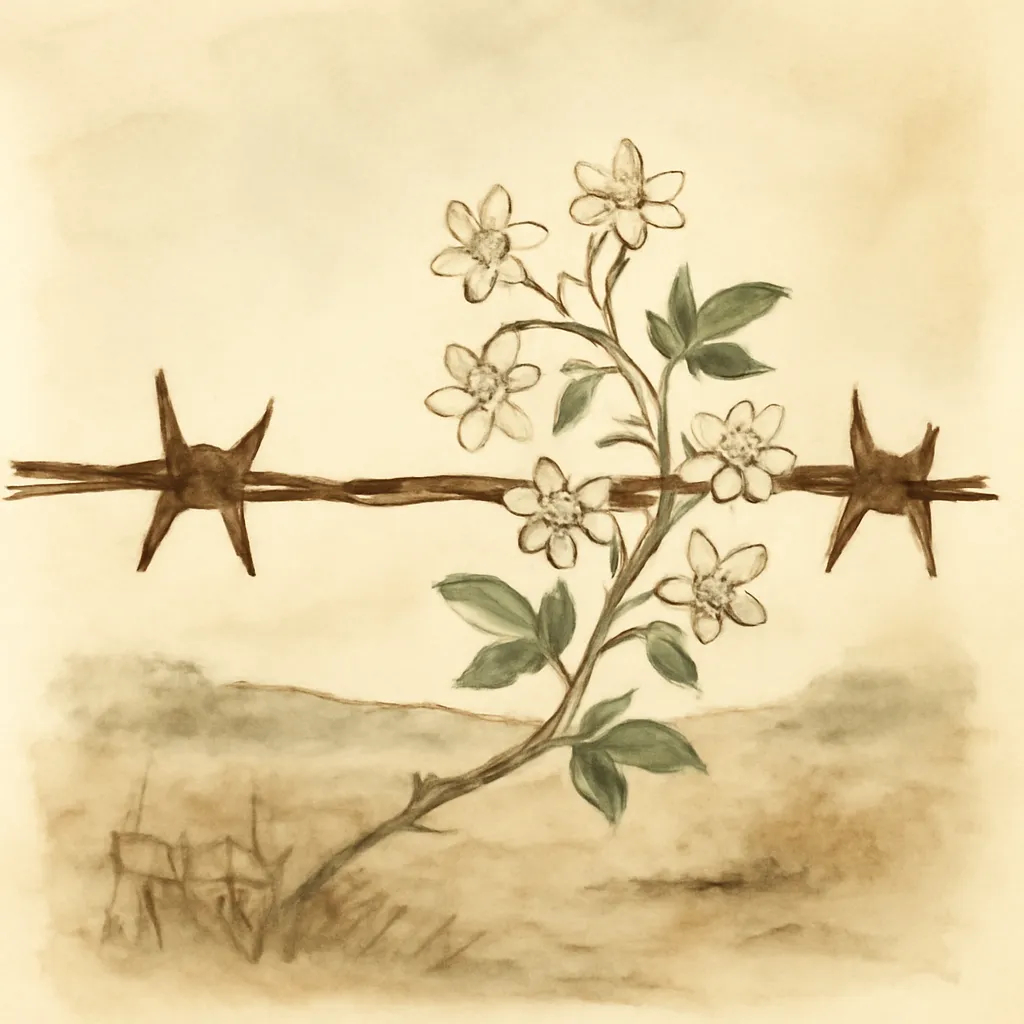
Ondaatje’s Sri Lanka is a place where violence is both recent and ancient, woven into the landscape and psyche of its people. The novel examines the lingering effects of trauma—on families, communities, and the nation itself. Through its characters, Anil’s Ghost asks how people survive, remember, and sometimes forget the horrors they have witnessed.
4.Art, Ritual, and Healing
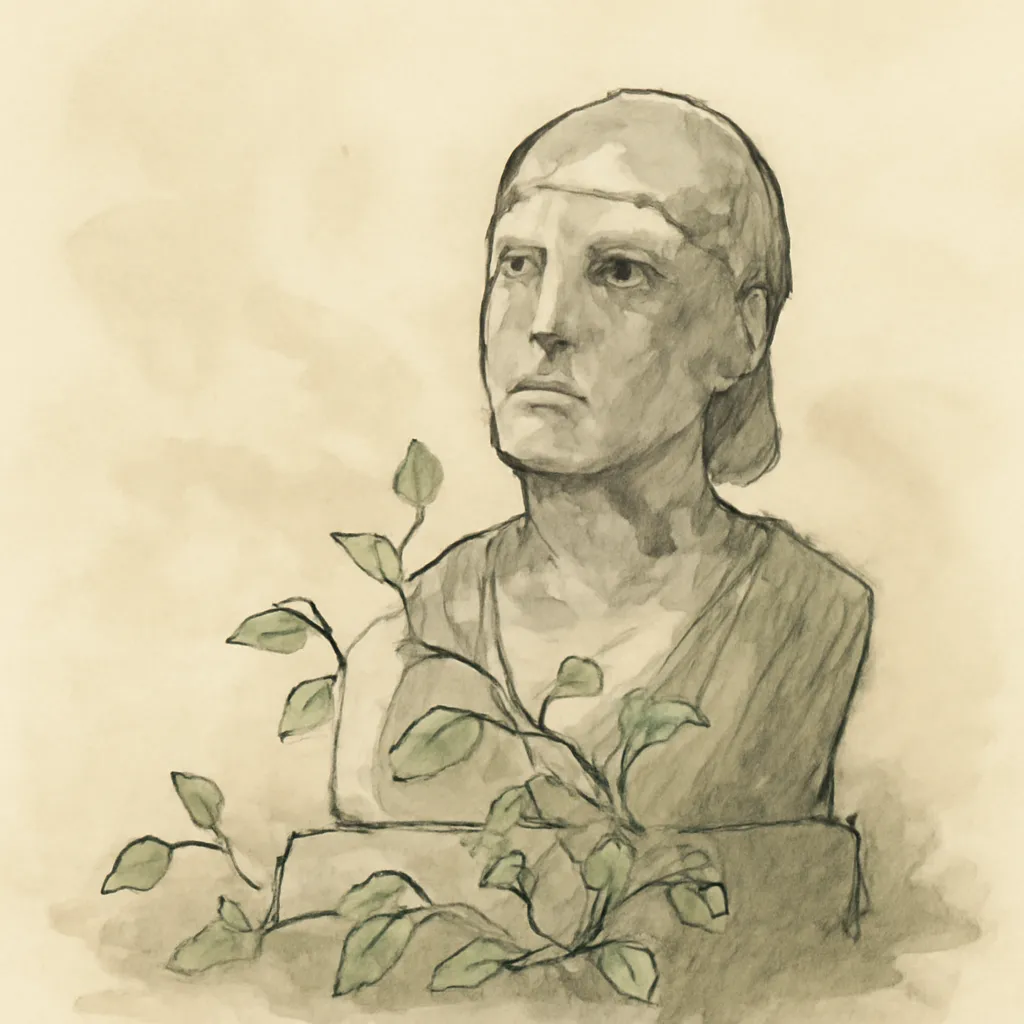
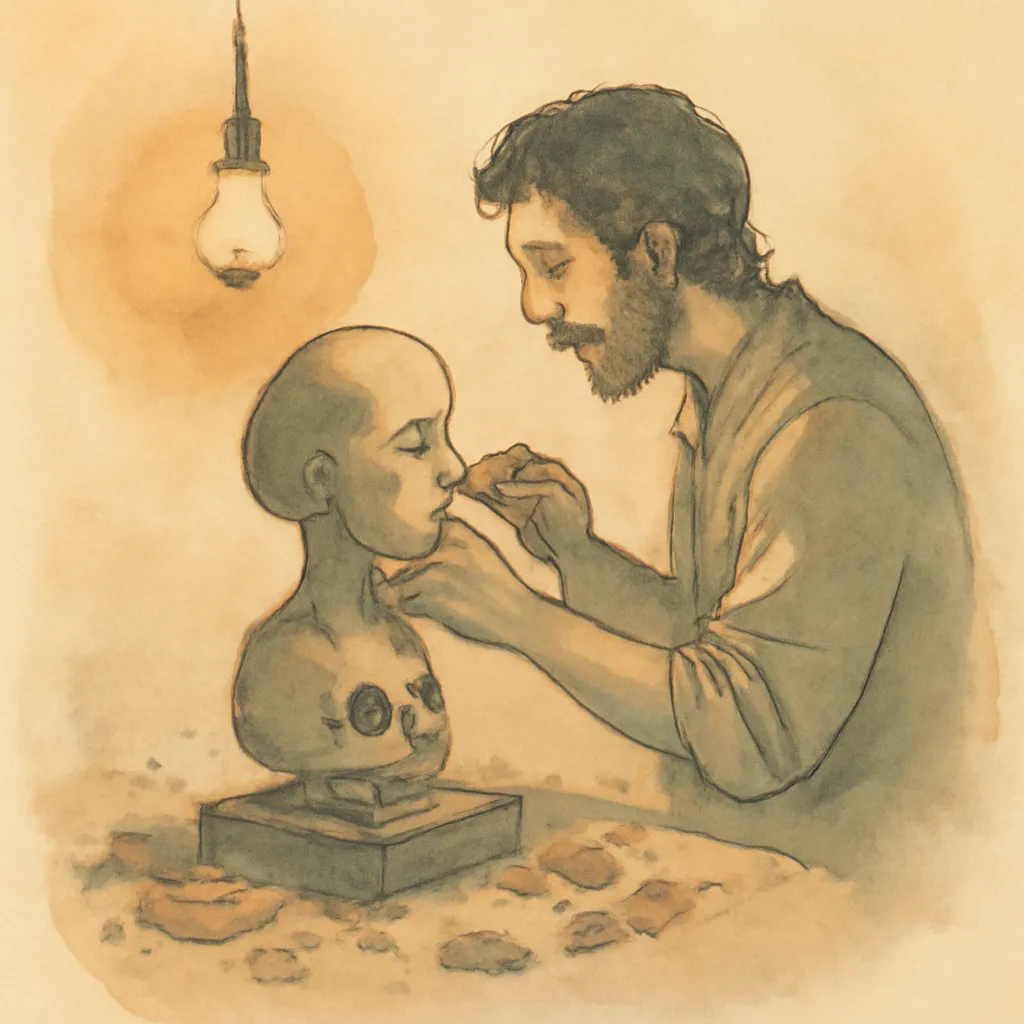
Amid the brutality, Ondaatje foregrounds the roles of art, ritual, and tradition in making sense of suffering. The character of Ananda, a sculptor tasked with reconstructing a face from a skull, symbolizes the act of restoring humanity to the nameless dead. The novel suggests that art and ritual can offer solace, preserve memory, and help individuals and societies heal.
5.The Limits of Intervention
Anil’s position as an international investigator raises questions about the efficacy and ethics of outside intervention in local conflicts. The novel scrutinizes the limitations of human rights work, the dangers of imposing external solutions, and the complexities of bearing witness in a context where justice is elusive.
6.Ambiguity and the Unknowable
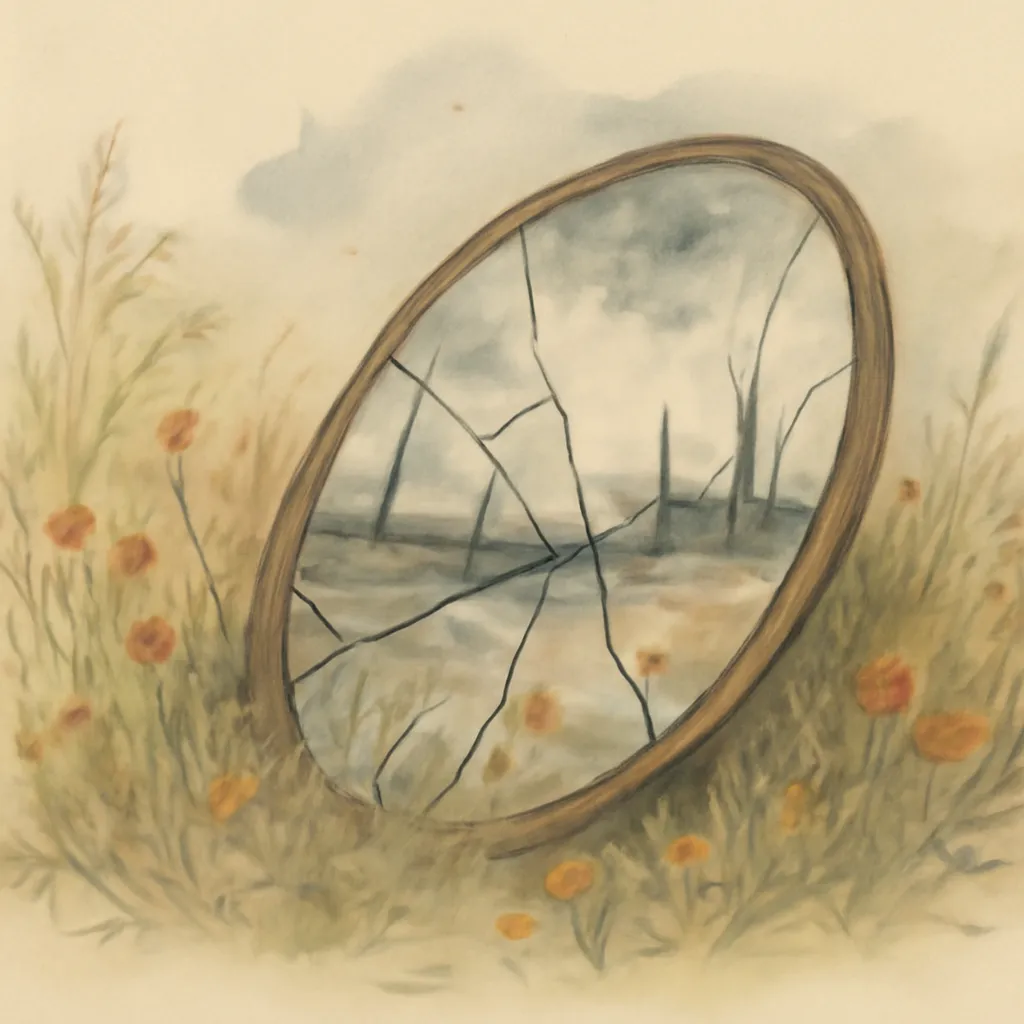
Ondaatje resists easy answers, embracing ambiguity both in narrative structure and moral resolution. The story is layered, nonlinear, and often leaves mysteries unresolved, mirroring the uncertainties of war and the impossibility of fully understanding another’s experience. This ambiguity invites readers to reflect on their own relationship to knowledge, empathy, and history.