1.The Role of 'Animal Spirits'
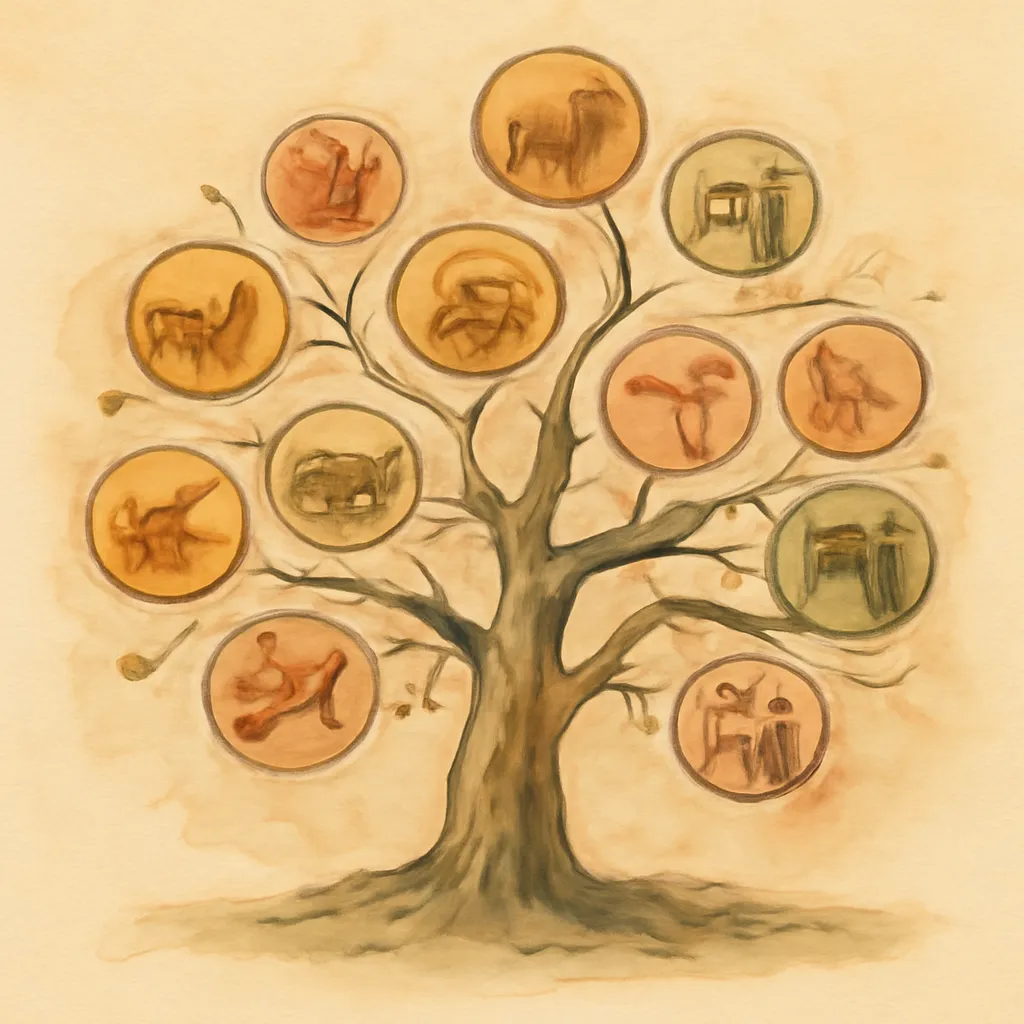
Akerlof and Shiller revive John Maynard Keynes’s concept of 'animal spirits'—the human emotions and instincts that drive economic decision-making. They argue that confidence, fear, and narrative shape consumer and investor behavior, influencing everything from spending to investment. This psychological dimension explains why markets can swing wildly and why purely rational models often fail to predict real-world outcomes.
2.Five Key Psychological Factors
The authors identify five core psychological forces: confidence, fairness, corruption and bad faith, money illusion, and stories. Each of these elements disrupts the neat predictions of classical economics. For instance, people’s sense of fairness can lead to wage rigidity, while money illusion (confusing nominal and real values) can cause misjudgments about inflation or wages.
3.Why Markets Fail and Need Intervention
By highlighting the unpredictability introduced by animal spirits, the book makes a case for government intervention. Left unchecked, markets can spiral into crises because individuals and institutions act on fear, herd behavior, and misleading narratives. The authors argue that policy must account for these psychological realities, not just theoretical rationality.
4.Rethinking Unemployment and Recessions
Traditional economics often struggles to explain persistent unemployment. Akerlof and Shiller show how loss of confidence and negative narratives can deepen and prolong recessions, as people and businesses pull back spending and investment. This insight helps explain the severity of downturns like the Great Depression and the 2008 crisis.
5.The Power of Stories in Economics
Narratives—shared stories about the economy—play a critical role in shaping expectations and actions. Whether optimistic or pessimistic, these stories can become self-fulfilling prophecies, amplifying booms or busts. Recognizing the influence of economic storytelling is key to understanding market swings and policy effectiveness.
6.Implications for Policy and Economics
Animal Spirits calls for a rethinking of macroeconomic policy. If human psychology is central, then stabilizing the economy requires more than technical fixes—it demands attention to confidence, trust, and the stories people believe. The book thus bridges economics and behavioral science, urging policymakers to address both numbers and narratives.