1.The Nature of Power and Its Corruptions
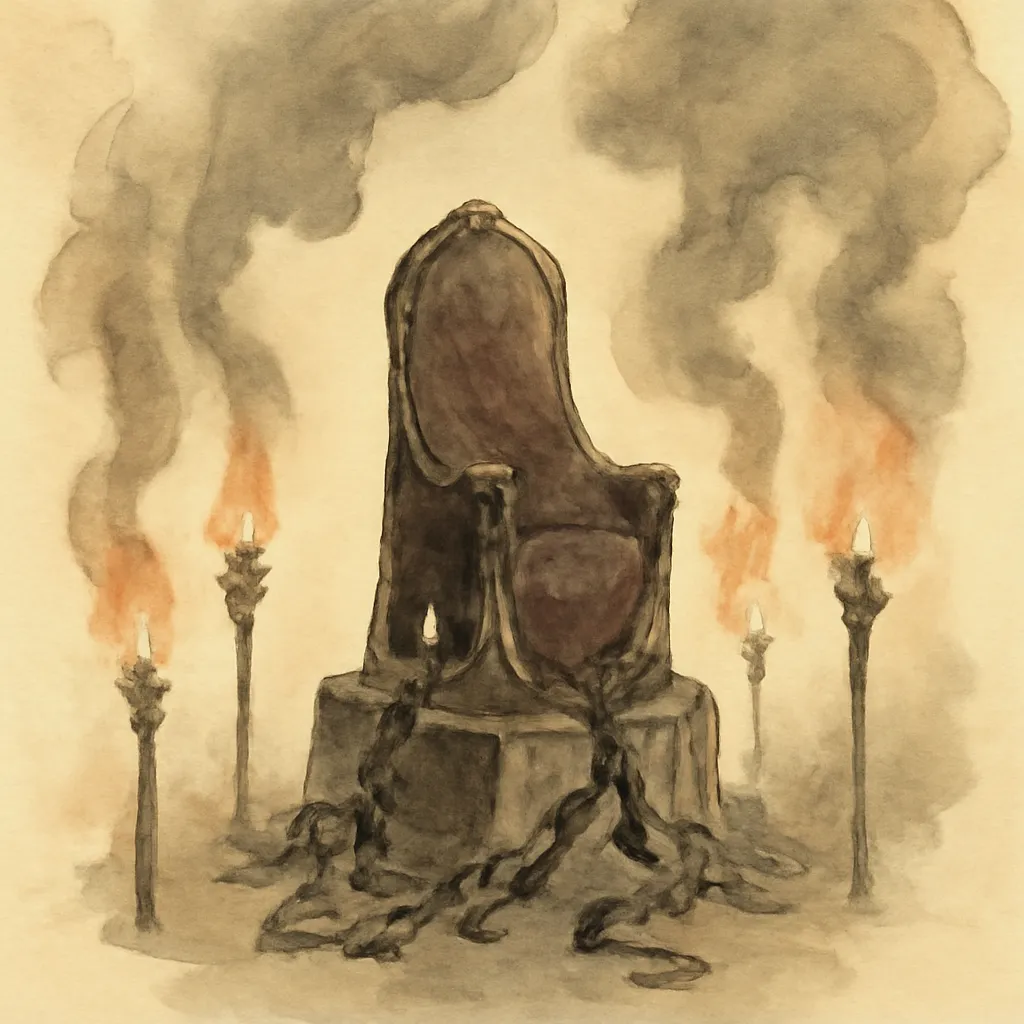
Tacitus relentlessly explores how absolute power transforms rulers and those around them. Through his portraits of emperors like Tiberius and Nero, he illustrates how suspicion, paranoia, and cruelty become endemic in autocratic systems. Tacitus suggests that even well-intentioned individuals are warped by the pressures and temptations of unchecked authority, leading to cycles of betrayal, repression, and violence that undermine both rulers and the state.
2.The Fragility of Liberty
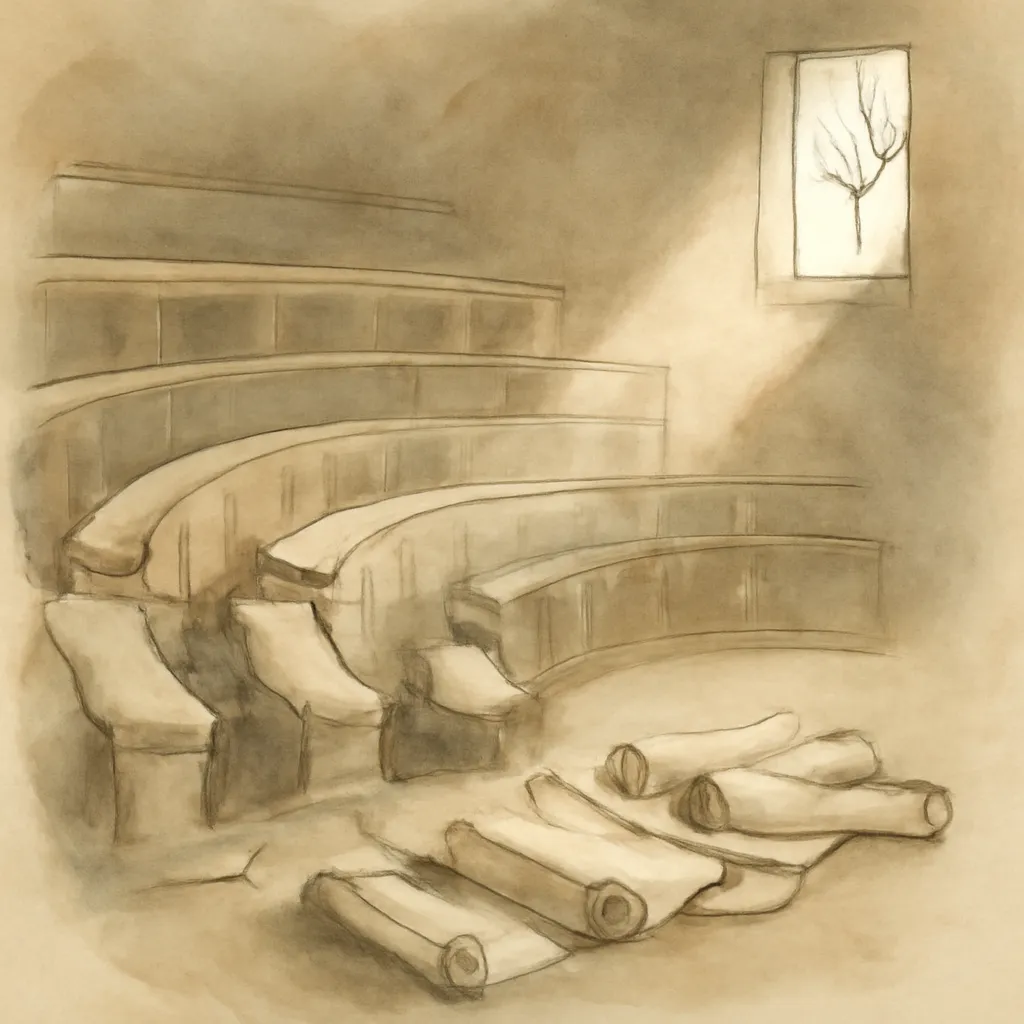
A recurring theme in the Annals is the erosion of Roman liberty under the emperors. Tacitus contrasts the relative freedoms of the earlier Republic with the fear and conformity that dominate imperial politics. He laments the loss of open debate and civic virtue, showing how the Senate and other institutions become hollowed out under despotic rule. This theme resonates as a warning about the ease with which freedoms can be lost when citizens and elites become complicit or apathetic.
3.The Unreliability of History
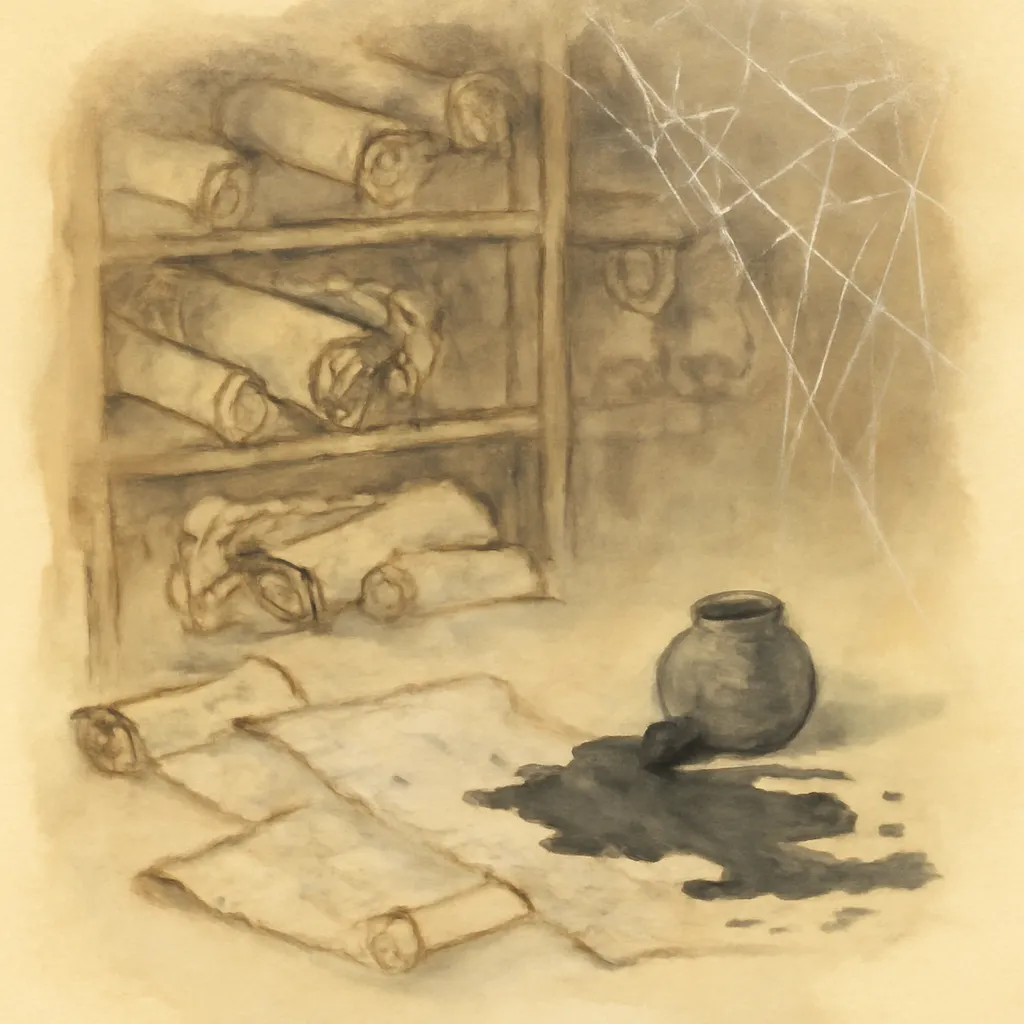
Tacitus is acutely aware of the difficulties in writing truthful history, especially when sources are biased or censored. He often notes the gaps, contradictions, and silences in the records he uses. By drawing attention to these limitations, Tacitus invites readers to question official narratives and to recognize the ways in which history is shaped by those in power. His skepticism about historical certainty remains strikingly modern.
4.Morality Versus Survival
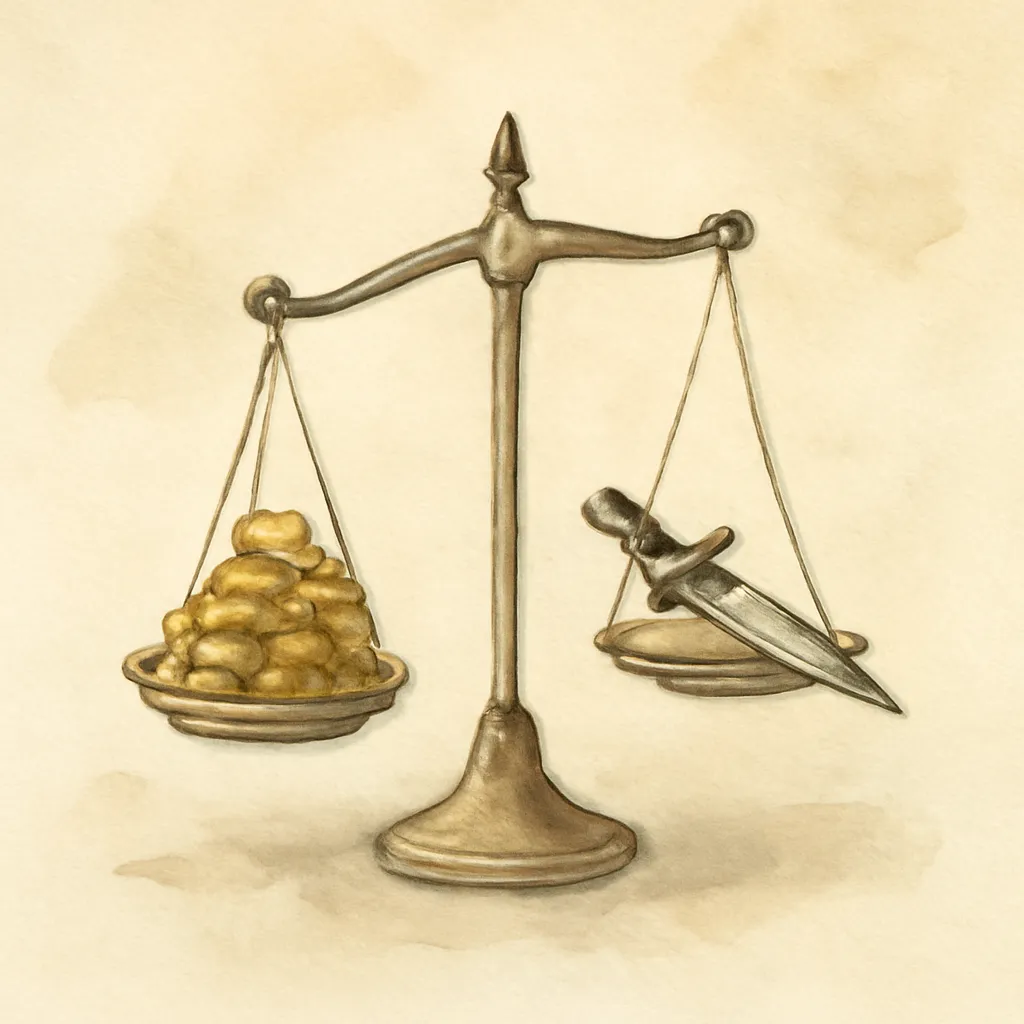
Throughout the Annals, Tacitus probes the moral compromises made by individuals trying to survive in a dangerous political environment. He depicts senators, generals, and even emperors making choices between integrity and expediency, often with tragic consequences. Tacitus neither idealizes nor wholly condemns his subjects, but instead reflects on the human costs of living under tyranny.
5.Spectacle, Scandal, and the Public Eye
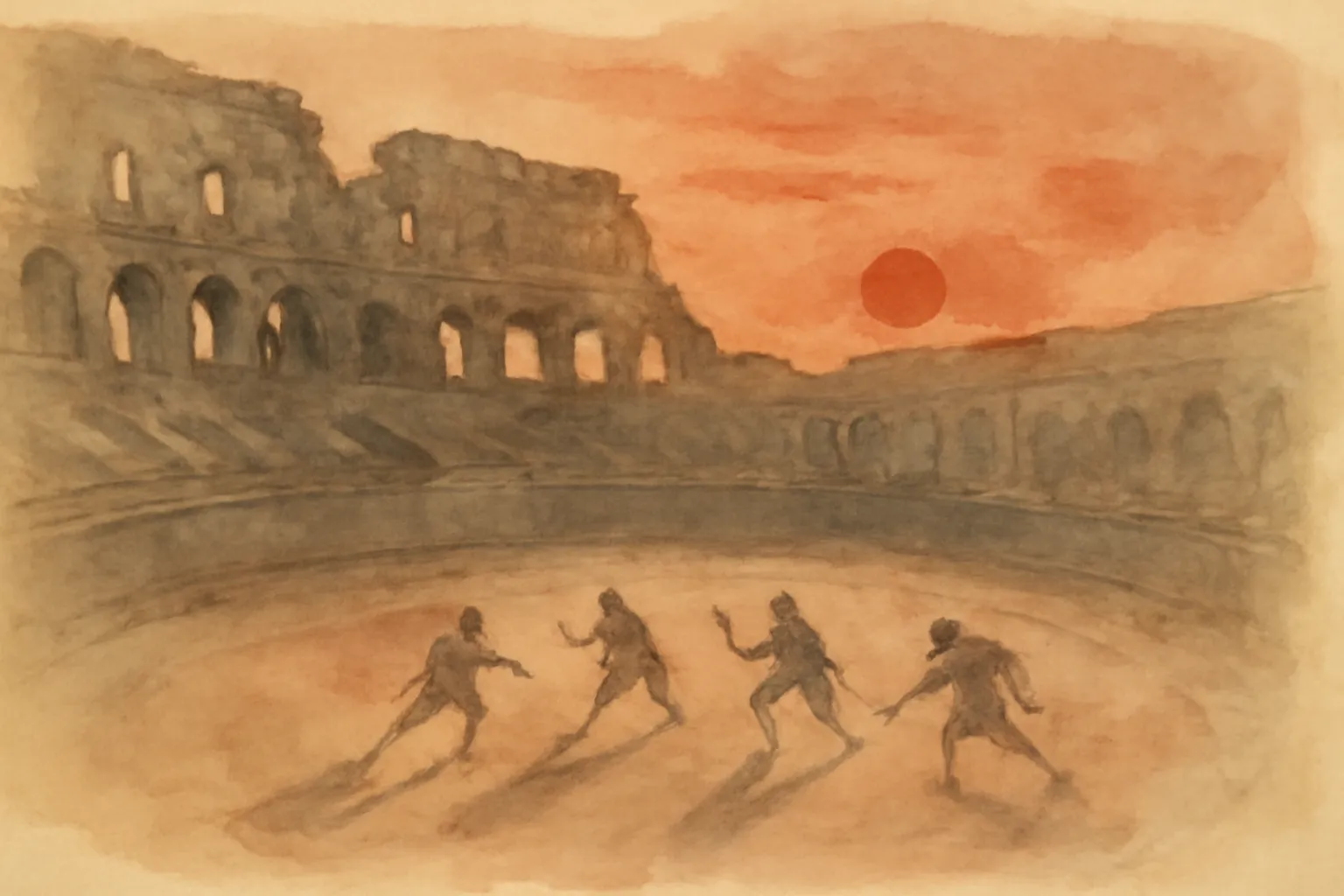
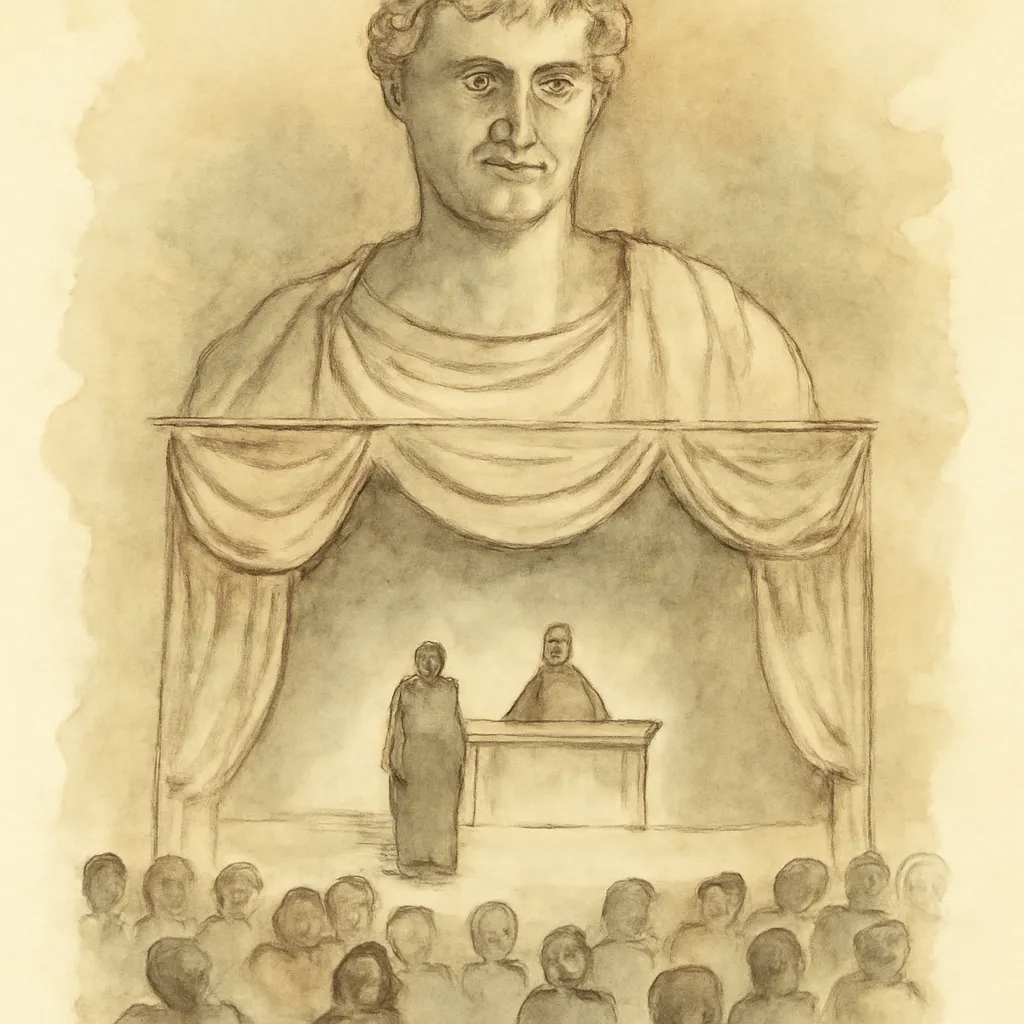
The Annals is filled with dramatic episodes—assassinations, conspiracies, and public trials—that reveal how spectacle and scandal are used to control or distract the populace. Tacitus shows how emperors manipulate public opinion through staged events and punishments, and how the Roman people themselves are both victims and participants in the culture of spectacle.
6.The Role of Fate and Character
Tacitus often reflects on the interplay between fate and individual character in shaping history. While he acknowledges the power of circumstance, he also emphasizes the decisive role played by personal ambition, weakness, and virtue. His nuanced portraits suggest that history is not just the product of impersonal forces, but also of the choices and flaws of individuals.