1.The Power of Imagination
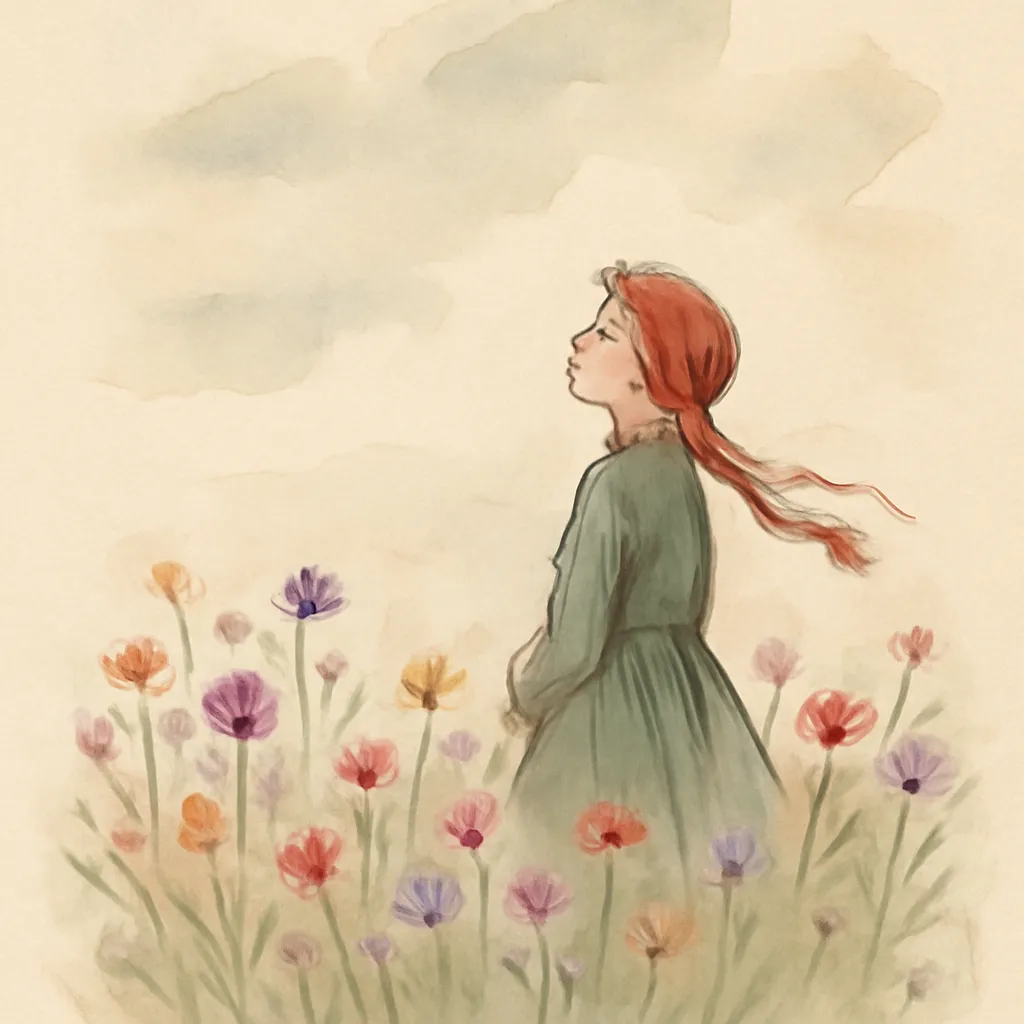
Anne Shirley's imagination is her most defining trait, allowing her to create beauty in the mundane and find joy in her surroundings. From the very first chapters, Anne's ability to see the world through a lens of wonder and possibility captivates both readers and the residents of Avonlea. Whether she's naming the brook 'The Lake of Shining Waters' or dreaming up elaborate stories about the landscapes around her, Anne's imaginative spirit serves as a reminder of the importance of creativity in everyday life. This imaginative outlook not only helps her cope with the difficulties of her past as an orphan but also inspires those around her to see the world differently. For instance, her vivid descriptions of nature and her emotional responses to beauty encourage Marilla and Matthew to appreciate their own surroundings anew, demonstrating how imagination can enrich lives.
2.Finding a Sense of Belonging
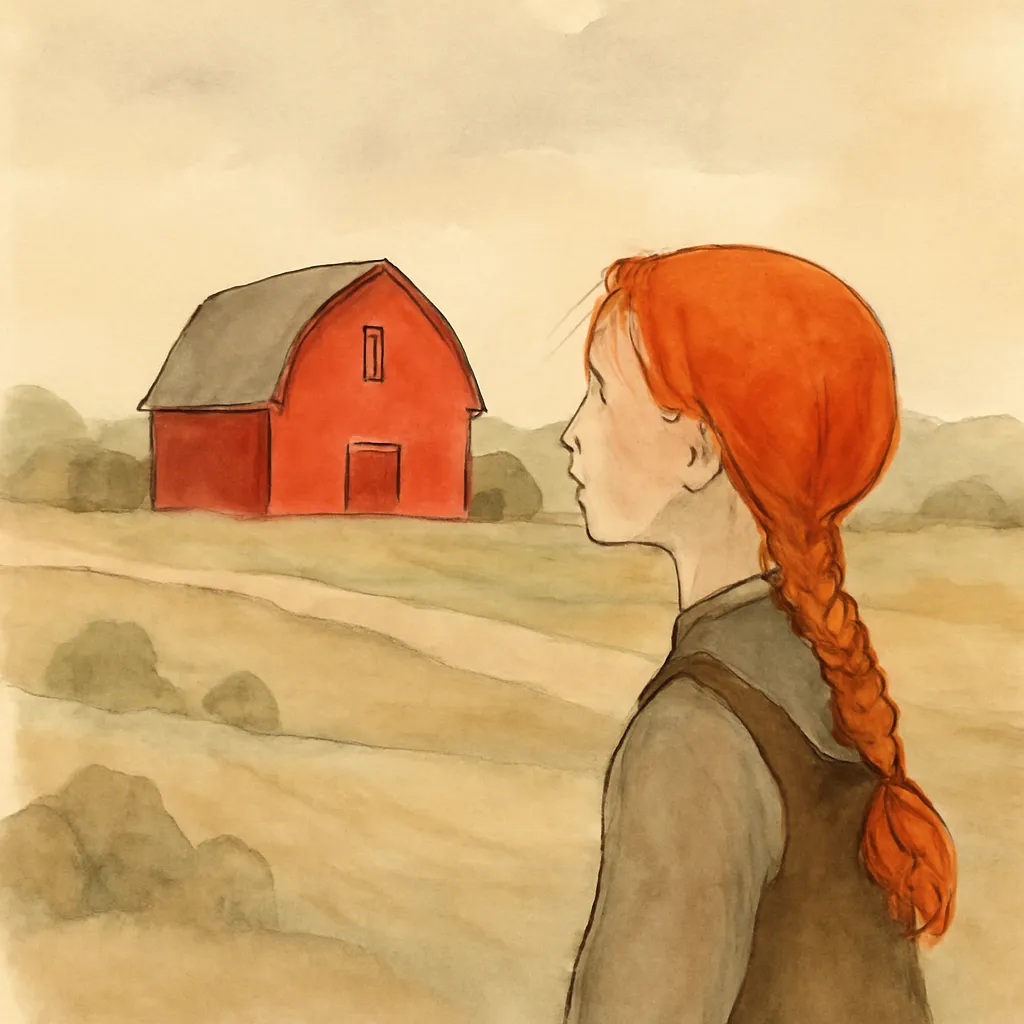
At the heart of Anne's journey is her quest for belonging. Arriving at Green Gables, she is initially met with confusion and rejection, as Marilla and Matthew had expected a boy. Anne's fears of being unwanted resurface throughout her early experiences, particularly as she grapples with her identity as an orphan. However, as she begins to forge connections with the Cuthberts and the community, she discovers that family can be found in unexpected places. Her friendship with Diana Barry becomes a pivotal part of her life, offering her a sense of kinship and support. The narrative illustrates that belonging is not solely about biological ties but rather about the bonds of love, friendship, and shared experiences. As Anne becomes an integral part of Avonlea, her journey highlights the importance of acceptance and understanding in forming a true sense of home.
3.The Importance of Friendship
Anne's relationships, particularly with her bosom friend Diana Barry, underscore the significance of friendship in her life. The bond between Anne and Diana is characterized by a deep emotional connection, shared dreams, and mutual support. Their adventures together, from imaginative play to navigating the trials of school and social expectations, showcase the joys and challenges of childhood friendship. When Diana's mother forbids her from associating with Anne due to an unfortunate incident involving raspberry cordial, the emotional turmoil illustrates how friendships can be tested. Yet, Anne's unwavering loyalty and Diana's eventual reconciliation demonstrate the resilience of true friendship. This theme resonates throughout the novel, reminding readers that friends can offer solace, understanding, and a sense of belonging, particularly during difficult times.
4.Navigating Social Expectations
Anne's spirited nature often clashes with the conservative social norms of Avonlea, highlighting the tension between individuality and societal expectations. Marilla Cuthbert, who embodies the traditional values of propriety and decorum, frequently finds herself at odds with Anne's free-spirited behavior. Whether it's her imaginative antics at school, her unconventional dress choices, or her tendency to speak her mind, Anne challenges the status quo, often provoking disapproval from figures like Mrs. Rachel Lynde. Yet, her charm and authenticity gradually win over even the staunchest critics. The novel explores how conformity can stifle creativity and individuality, while also illustrating the importance of embracing one's true self. Anne's journey encourages readers to question societal norms and to value authenticity over conformity, celebrating the beauty of diversity in personality and expression.
5.Identity and Self-Acceptance
Throughout 'Anne of Green Gables', Anne grapples with her identity as an orphan and her desire to be accepted for who she is. Her fiery red hair becomes a symbol of her struggle; it is both a source of insecurity and a badge of uniqueness. Anne's journey towards self-acceptance is marked by moments of vulnerability, particularly when she faces bullying at school or when she feels like an outsider. Yet, her resilience shines through as she learns to embrace her individuality and to see her differences as strengths rather than weaknesses. The support she receives from Marilla and Matthew, who gradually come to appreciate her quirks, further reinforces her journey of self-discovery. This theme resonates deeply, reminding readers that self-acceptance is a crucial part of personal growth and that embracing one's uniqueness can lead to a richer, more fulfilling life.
6.The Role of Nature
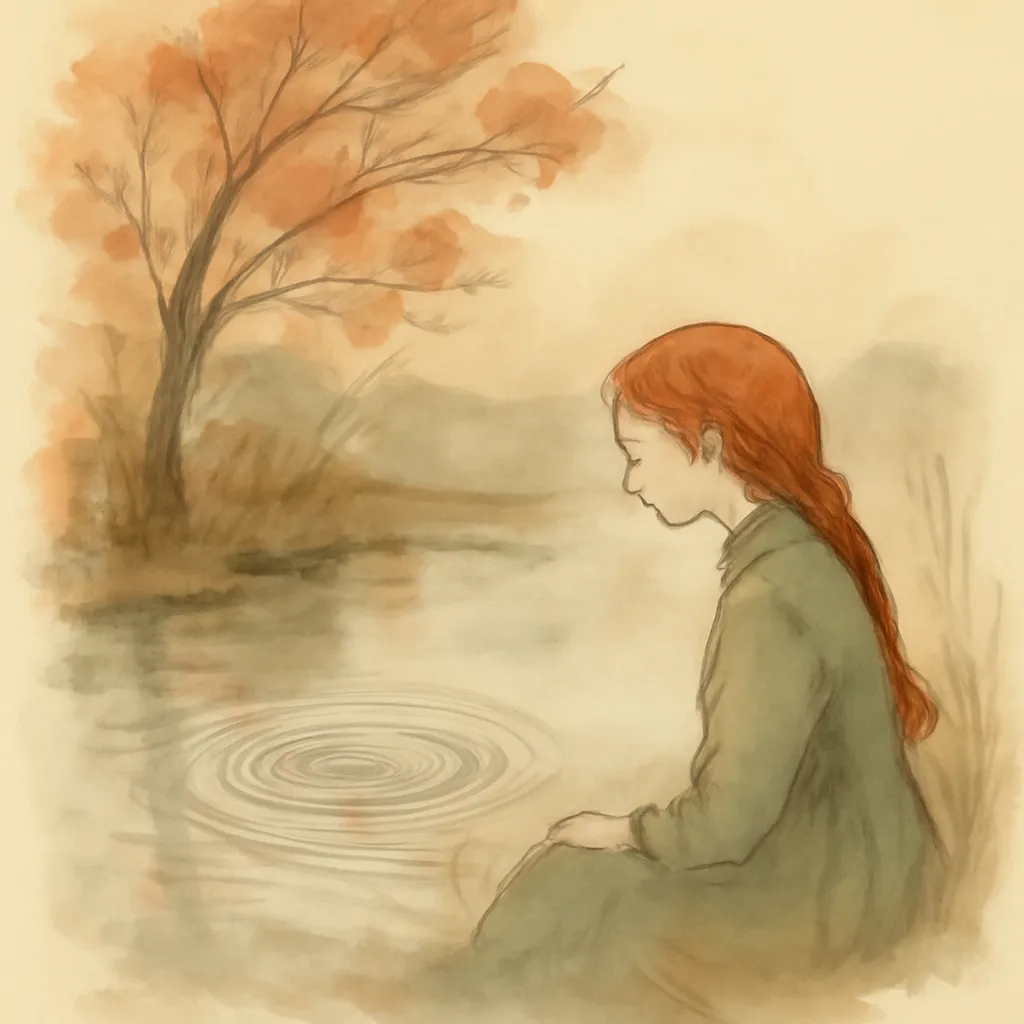
Nature plays a significant role in shaping Anne's character and her experiences at Green Gables. The lush landscapes of Prince Edward Island serve as a backdrop for her adventures, fueling her imagination and providing solace during difficult times. Anne's descriptions of the natural world are filled with poetic beauty, reflecting her deep appreciation for the environment. Whether she is climbing the cherry tree outside her window or exploring the woods, nature becomes a source of inspiration and comfort for Anne. The connection she feels to the land also highlights the theme of harmony between humanity and nature. As Anne learns to navigate her emotions and relationships, the beauty of her surroundings serves as a reminder of the simple joys in life. This relationship with nature encourages readers to appreciate the world around them and to find peace in its beauty.
7.The Value of Education
Education is a recurring theme in 'Anne of Green Gables', representing both a means of personal development and a pathway to acceptance within the community. Anne's enthusiasm for learning is infectious; she approaches her studies with curiosity and a desire to excel. Her experiences at school, particularly her interactions with Miss Stacy, reveal the importance of supportive educators in nurturing students' potential. Miss Stacy's innovative teaching methods inspire Anne and her classmates, fostering an environment where creativity and critical thinking are valued. However, the challenges Anne faces, including her struggles with geometry and her tumultuous relationship with her former teacher, Mr. Phillips, serve to highlight the complexities of education. The novel emphasizes that education extends beyond academics; it encompasses personal growth, social development, and the cultivation of meaningful relationships.
8.Forgiveness and Redemption
Anne's journey is also marked by themes of forgiveness and redemption, illustrating the importance of understanding and compassion in human relationships. Throughout the story, Anne makes mistakes—whether it’s her imaginative mischief or her misunderstandings with others. These moments of error often lead to feelings of guilt and regret, prompting her to seek forgiveness from those she has wronged. The turning point in her relationships comes when she learns to forgive herself and others. For instance, after the incident with Diana's raspberry cordial, Anne feels immense remorse but ultimately seeks reconciliation, demonstrating the power of forgiveness in restoring friendships. This theme underscores that everyone is capable of growth and change, and that compassion can heal wounds and strengthen bonds.
9.The Influence of Gender Roles
The novel subtly critiques the gender roles prevalent in Anne's society, illustrating the limitations placed on women and the expectations they must navigate. Marilla, as a traditional woman, embodies the societal expectations of propriety, often imposing them on Anne. In contrast, Anne's spirited personality and aspirations challenge these conventional roles. Her desire for independence, creativity, and self-expression often puts her at odds with Marilla's expectations. This tension highlights the struggles many women faced in the early 20th century, where their identities were often defined by domesticity and societal norms. However, Anne's journey toward self-actualization serves as a beacon of hope, showing that women can break free from restrictive roles and forge their own paths. The narrative encourages readers to reflect on the evolution of gender roles and the importance of supporting individuality over conformity.
10.The Legacy of Love and Family
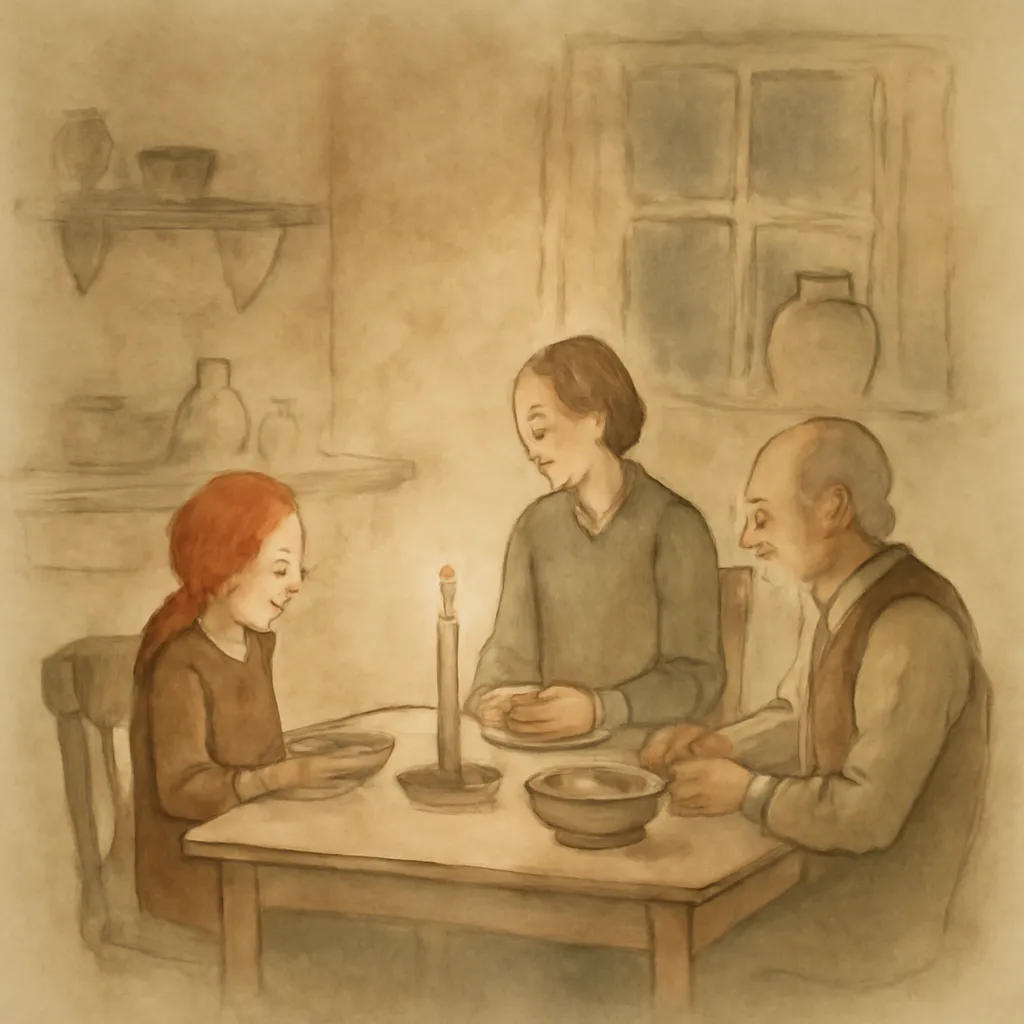
Ultimately, 'Anne of Green Gables' is a celebration of love, family, and the bonds that tie people together. Despite her tumultuous beginnings, Anne finds a family in the Cuthberts, who come to accept her as one of their own. The warmth of their relationship serves as a testament to the transformative power of love. Matthew's gentle encouragement and Marilla's gradual acceptance of Anne's quirks reflect the idea that family is not solely defined by blood but by the love and care shared among individuals. As Anne grows, she learns to appreciate the family she has created, which includes not only the Cuthberts but also her friends and the Avonlea community. This theme resonates deeply, reminding readers that the connections we forge with others, through love and support, shape our identities and enrich our lives.