1.The Allure and Hardship of the Empty Quarter
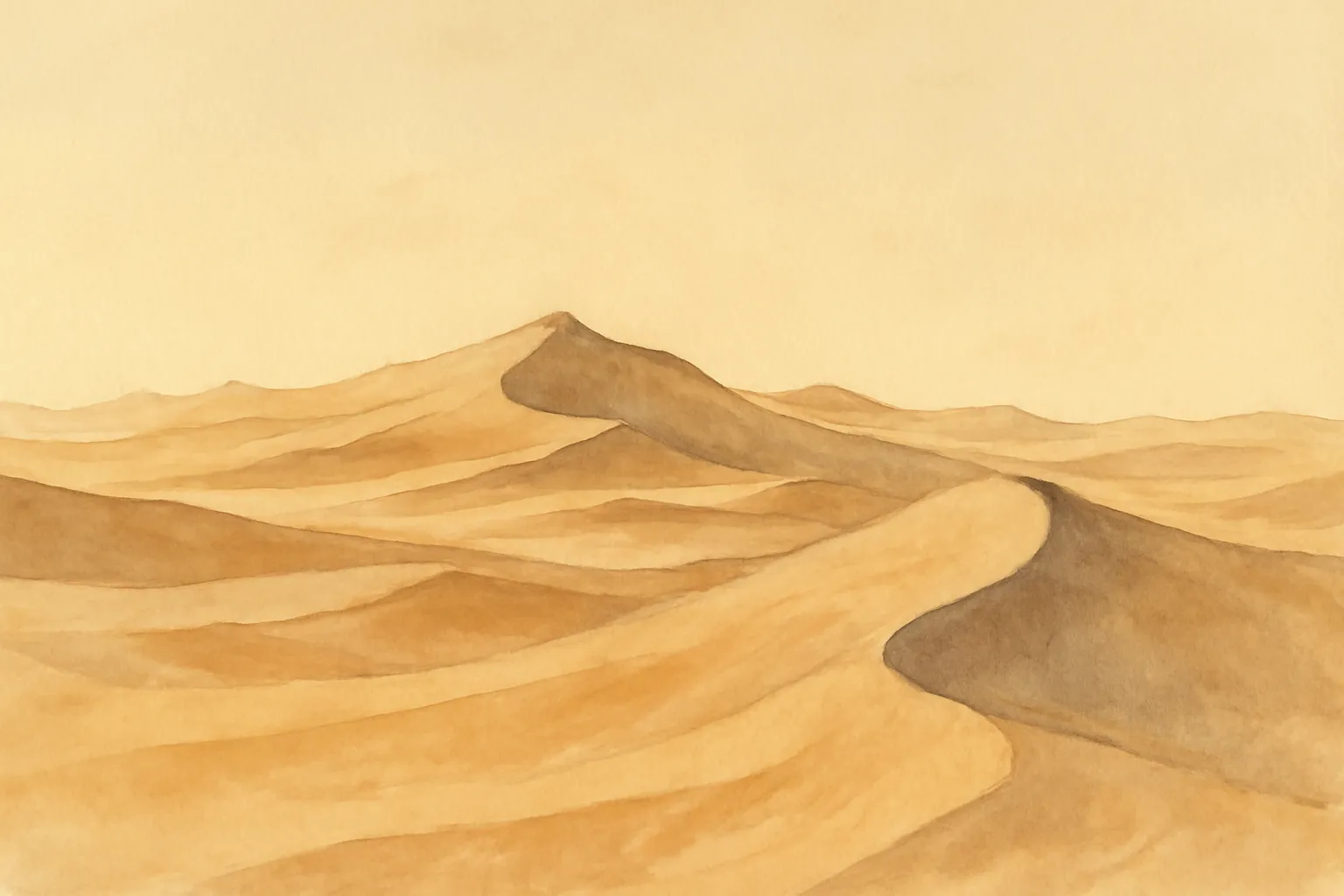
Thesiger’s travels across the Rub’ al Khali, or Empty Quarter, are not just a test of endurance but a meditation on the pull of wild, uncharted places. He conveys both the physical dangers—thirst, heat, and isolation—and the spiritual satisfaction of surviving in one of the world’s harshest environments. The desert becomes a character itself, shaping the lives and values of those who traverse it.
2.Bedu Culture and Values
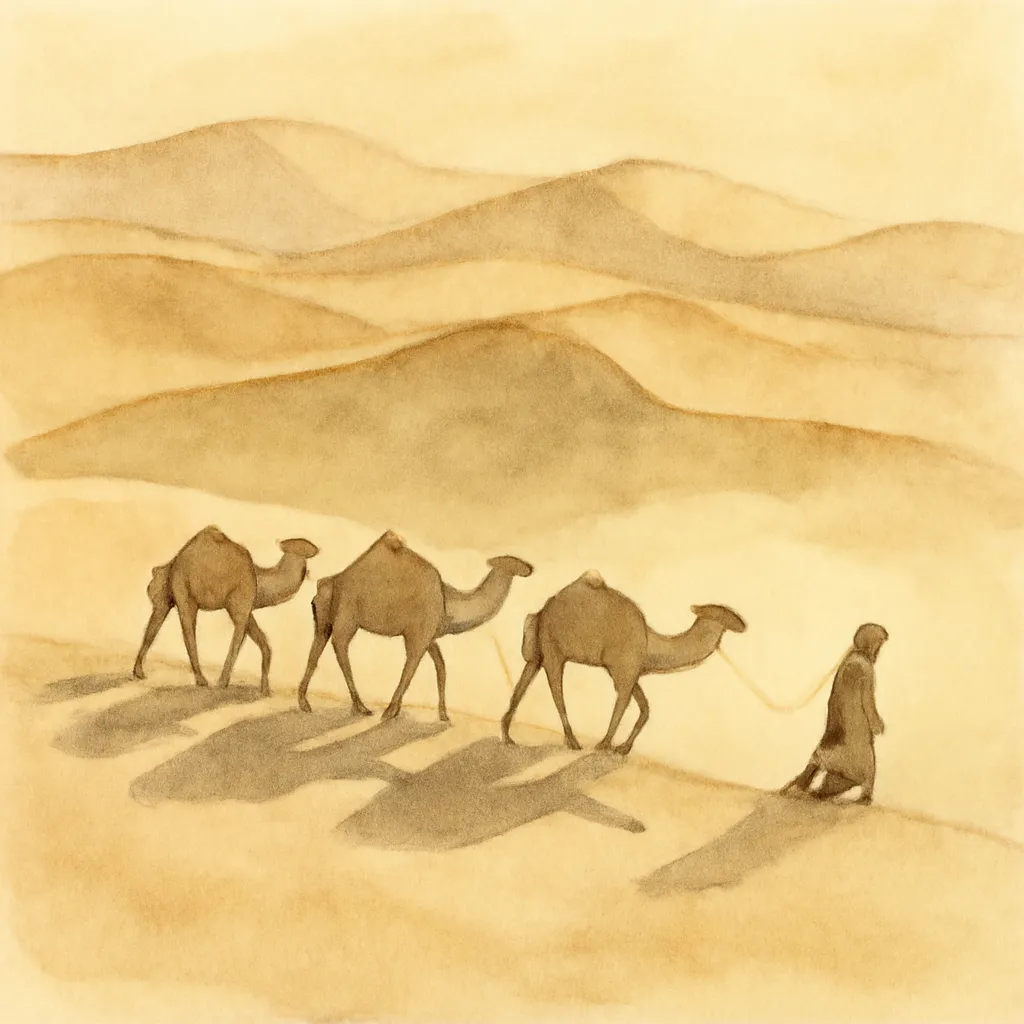
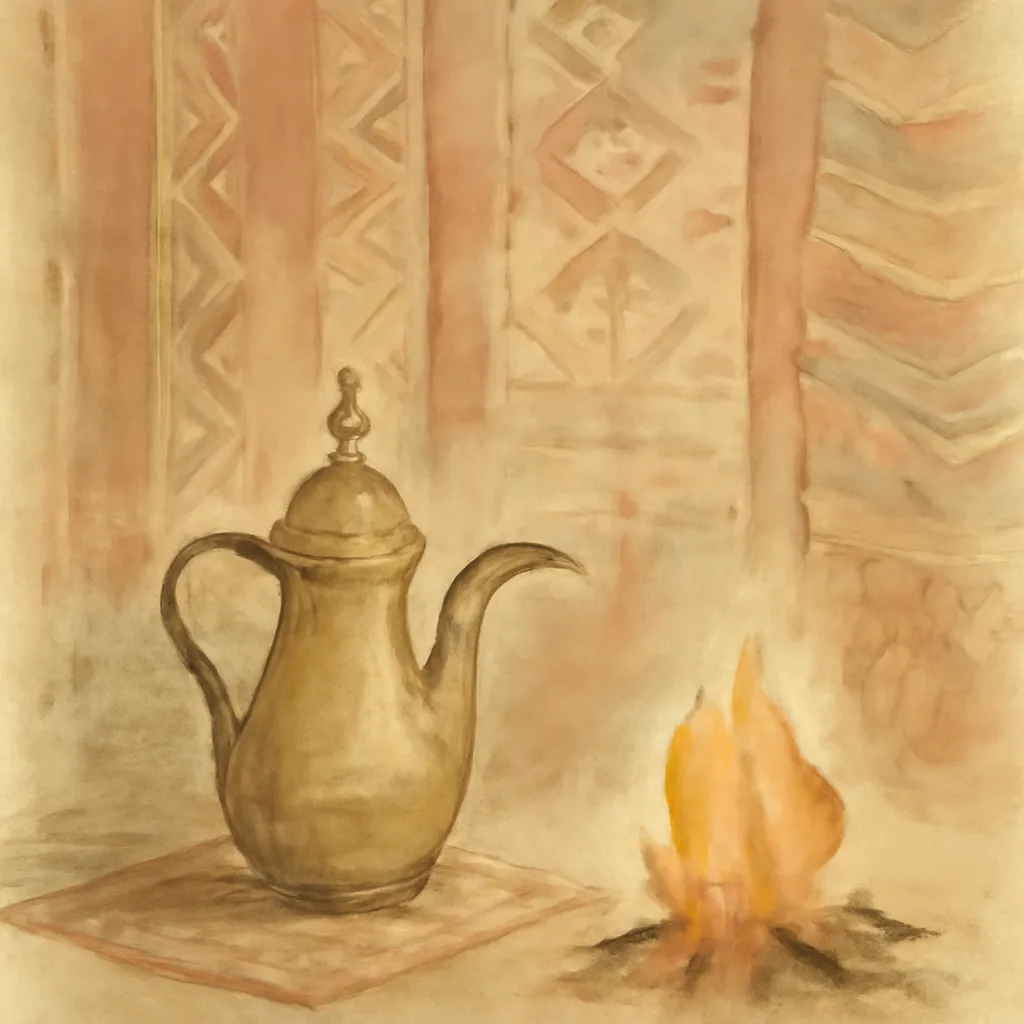
A central theme is Thesiger’s deep respect for the Bedu, whose hospitality, honor, and resilience he admires. He documents their strict codes of conduct, their relationship with the land, and their social structures. Thesiger is acutely aware that he is witnessing the twilight of a traditional way of life, threatened by the encroachment of modernity and oil wealth.
3.The Limits of Western Understanding
Thesiger is conscious of his outsider status and grapples with the limits of what he can truly know about Bedu life. He resists romanticizing or judging, instead striving for a nuanced portrayal that acknowledges both the hardships and the dignity of his hosts. The book is as much about the author’s self-examination as his observations of others.
4.The Meaning of Exploration
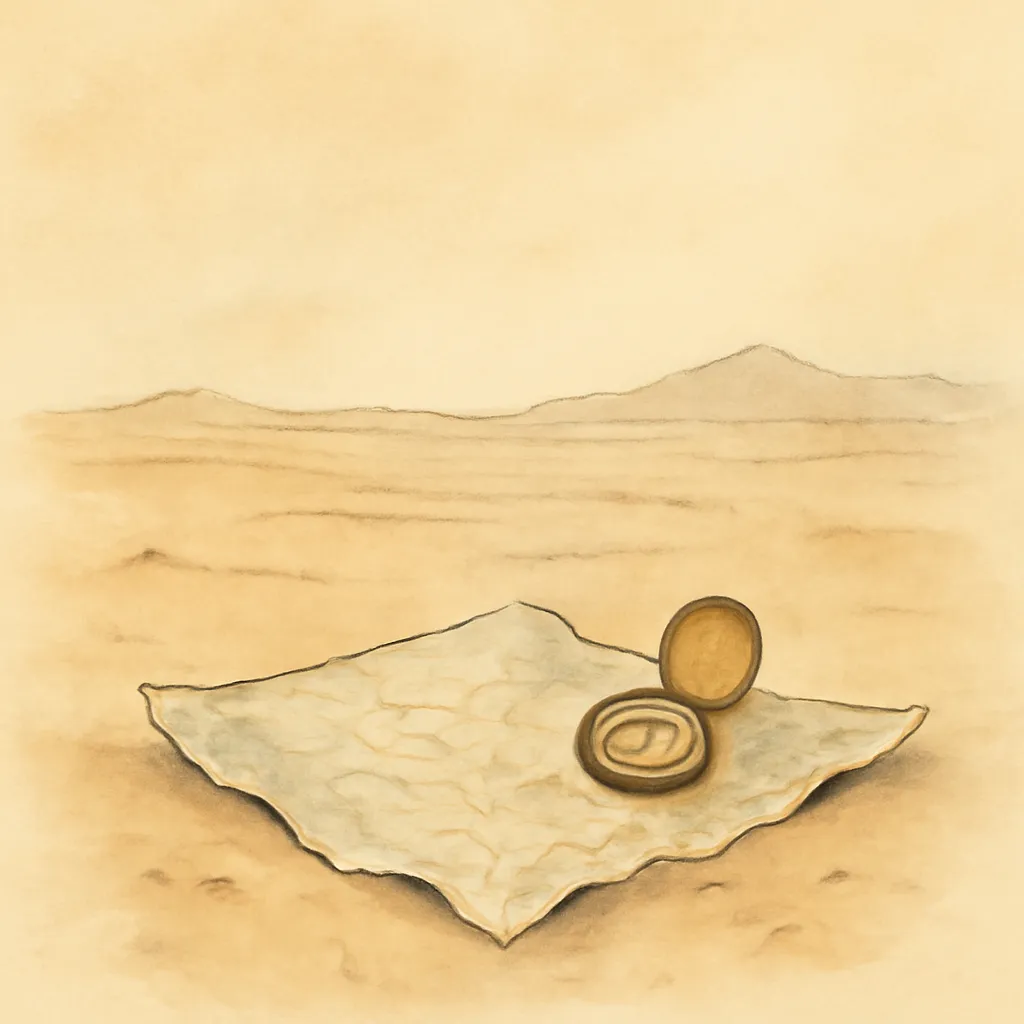
Arabian Sands is a reflection on why people are drawn to exploration. For Thesiger, it is not about conquest or fame, but about testing oneself and forging deep connections with unfamiliar peoples and places. The journey is transformative, challenging his assumptions and broadening his sense of what it means to live fully.
5.A World on the Brink of Change
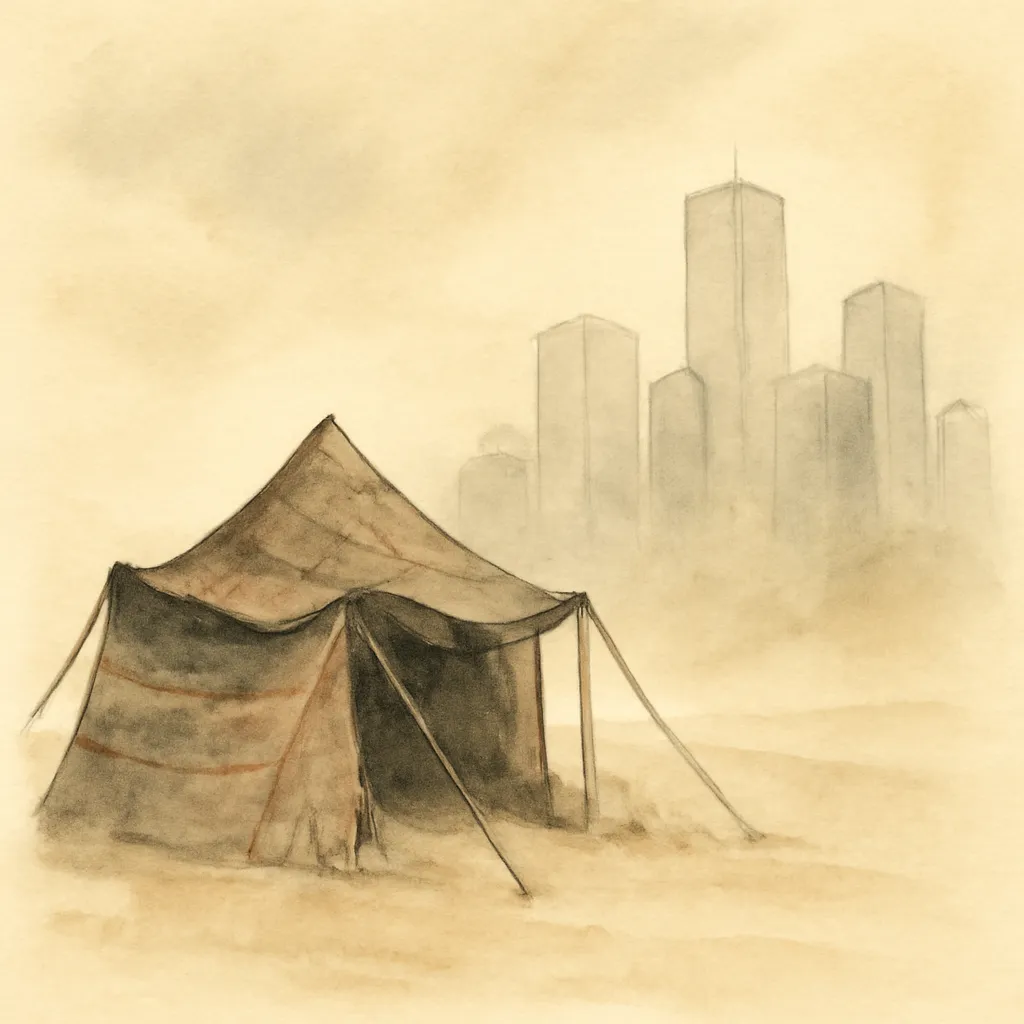
Written in the mid-20th century, the book captures a pivotal moment just before the rapid modernization of Arabia. Thesiger’s narrative is tinged with nostalgia and a sense of urgency to record a vanishing culture. He is both witness and participant in a world soon to be irrevocably altered by technology and geopolitics.
6.The Ethics of Travel and Observation
Thesiger reflects on the responsibilities of an outsider documenting another culture. He is aware of the potential for misunderstanding or misrepresentation, and he strives to approach his subjects with humility and empathy. This self-awareness adds depth to his account and invites readers to consider their own roles as observers.