1.Participant Observation: A New Method
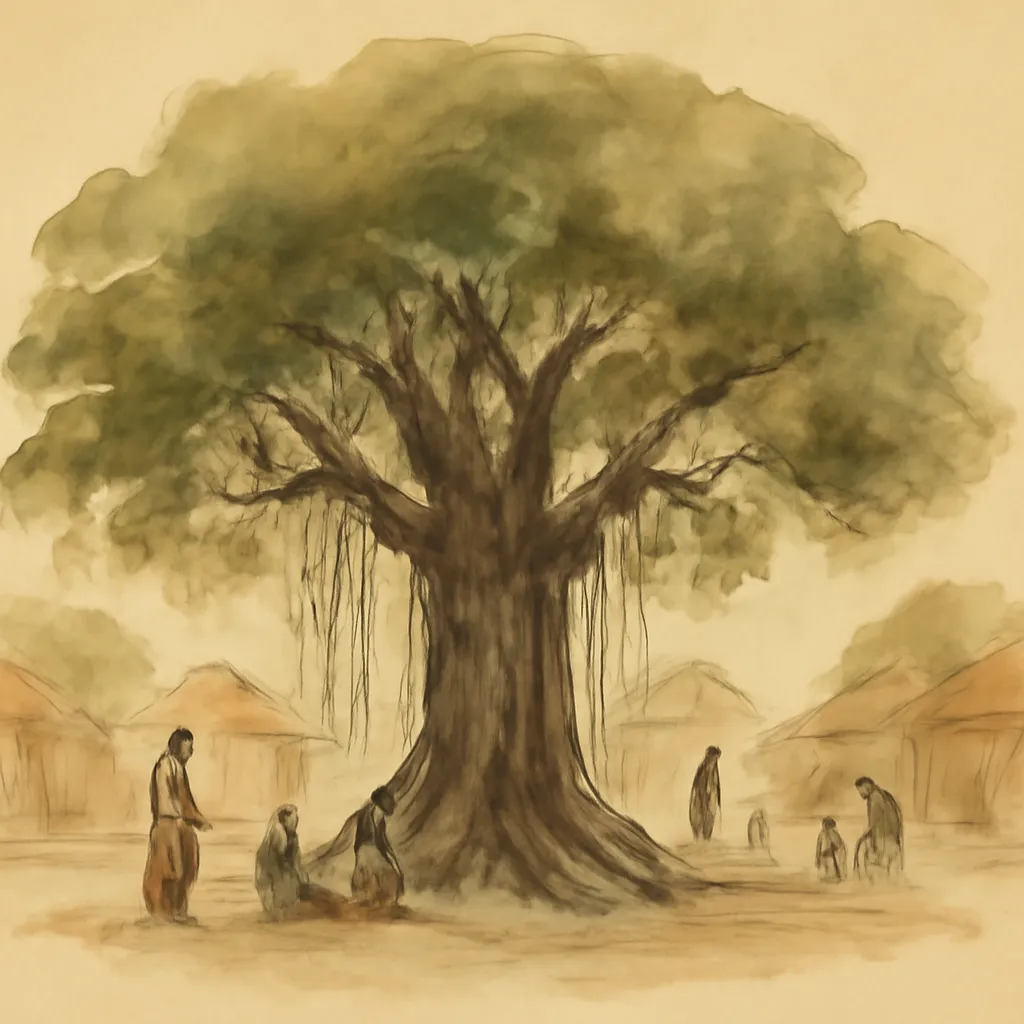
Malinowski revolutionized anthropology by advocating for participant observation—living among the people studied, learning their language, and engaging in daily life. This approach went beyond armchair theorizing or secondhand accounts, allowing for a deeper, more authentic understanding of social practices. His insistence on grasping the 'native’s point of view' became a central tenet of modern anthropology, emphasizing empathy, immersion, and rigorous documentation.
2.The Kula Ring: Exchange Beyond Economics
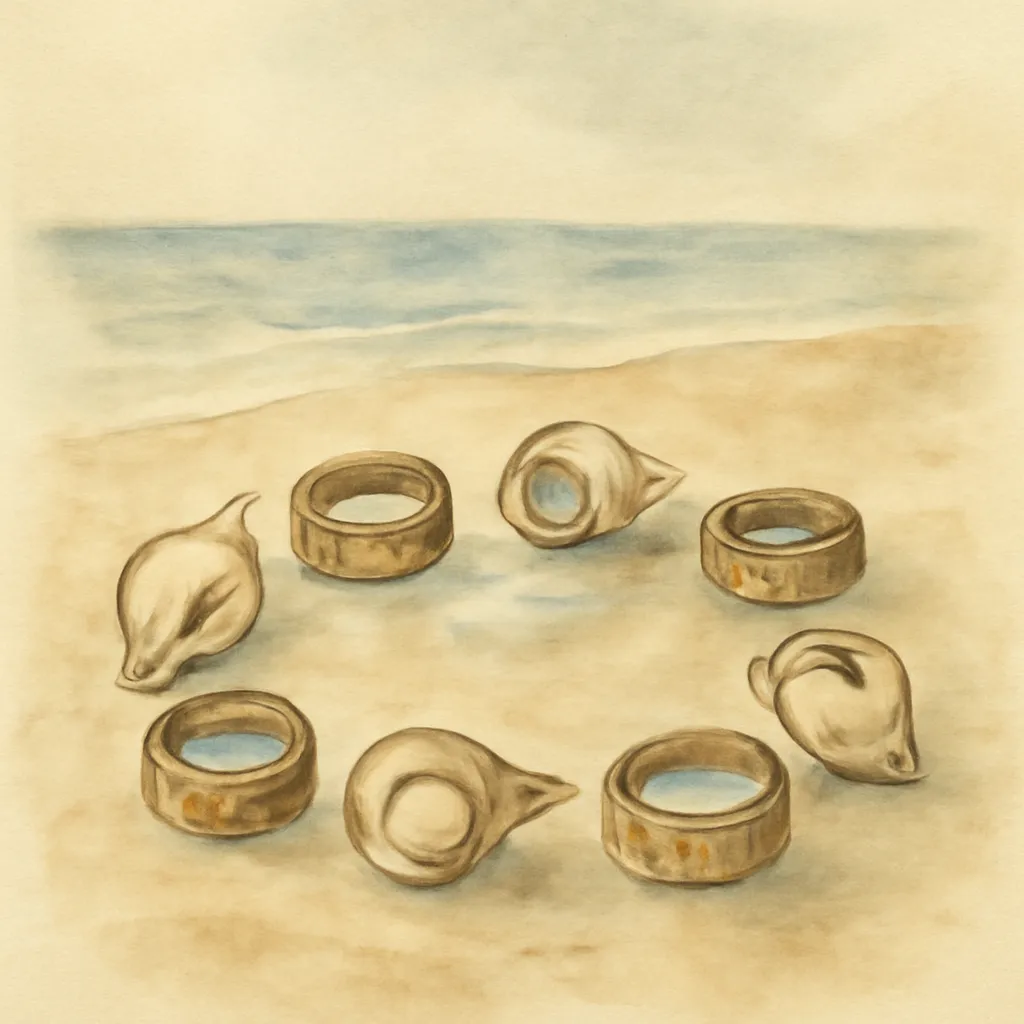
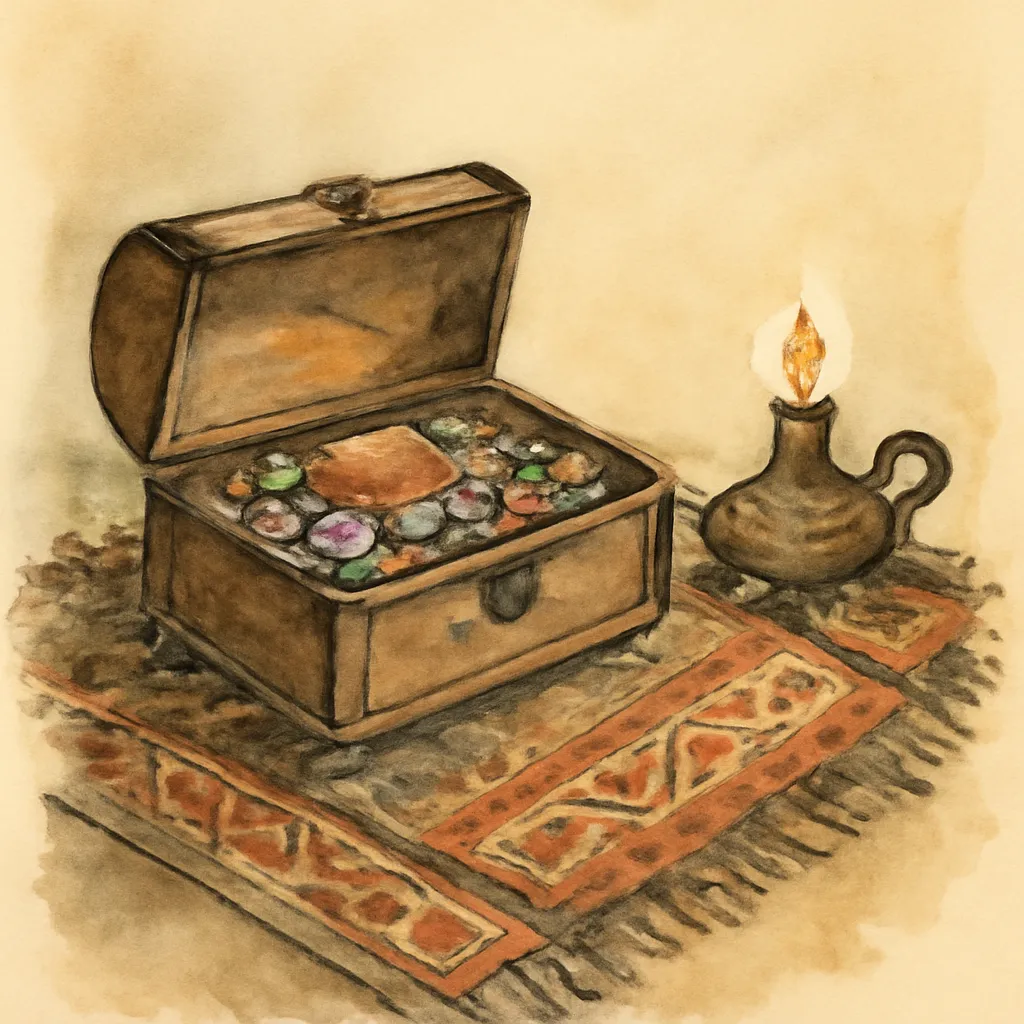
The Kula ring is a ceremonial exchange system among the Trobriand Islanders, involving the circulation of shell necklaces and armbands across a vast network of islands. Malinowski shows that these exchanges are not primarily economic transactions, but are embedded in social relationships, prestige, and ritual. The Kula demonstrates how exchange can create and maintain complex social bonds, challenging Western assumptions about the universality of market-driven motives.
3.Magic, Myth, and Practical Life
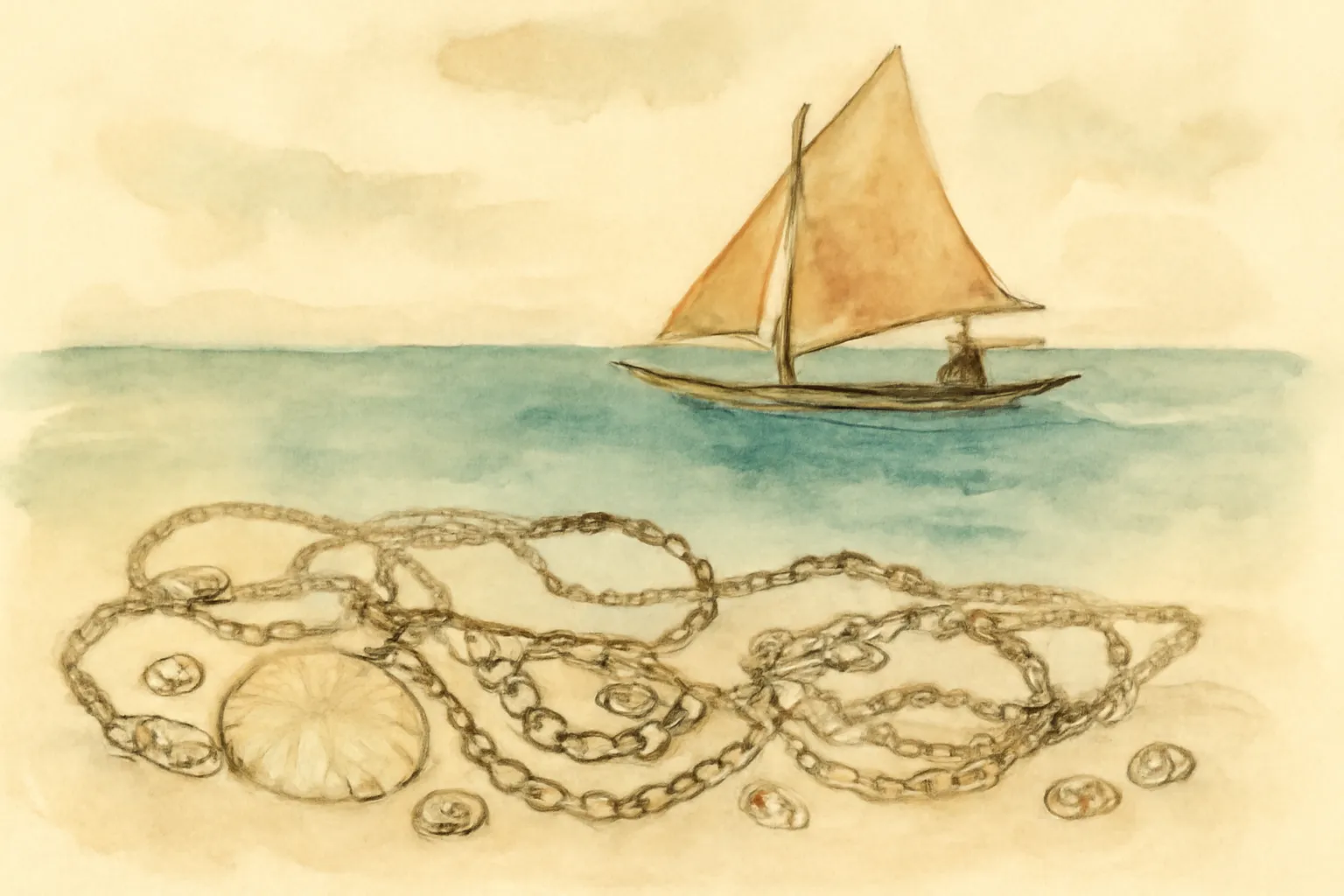
Malinowski explores how magic and myth are woven into the fabric of Trobriand life, especially in the context of risky or uncertain activities like ocean voyages. Rather than dismissing these beliefs as irrational, he shows how they provide psychological comfort, social cohesion, and practical guidance. This nuanced view paved the way for later studies on the functions of belief systems in society.
4.Functionalism: Understanding Institutions in Context
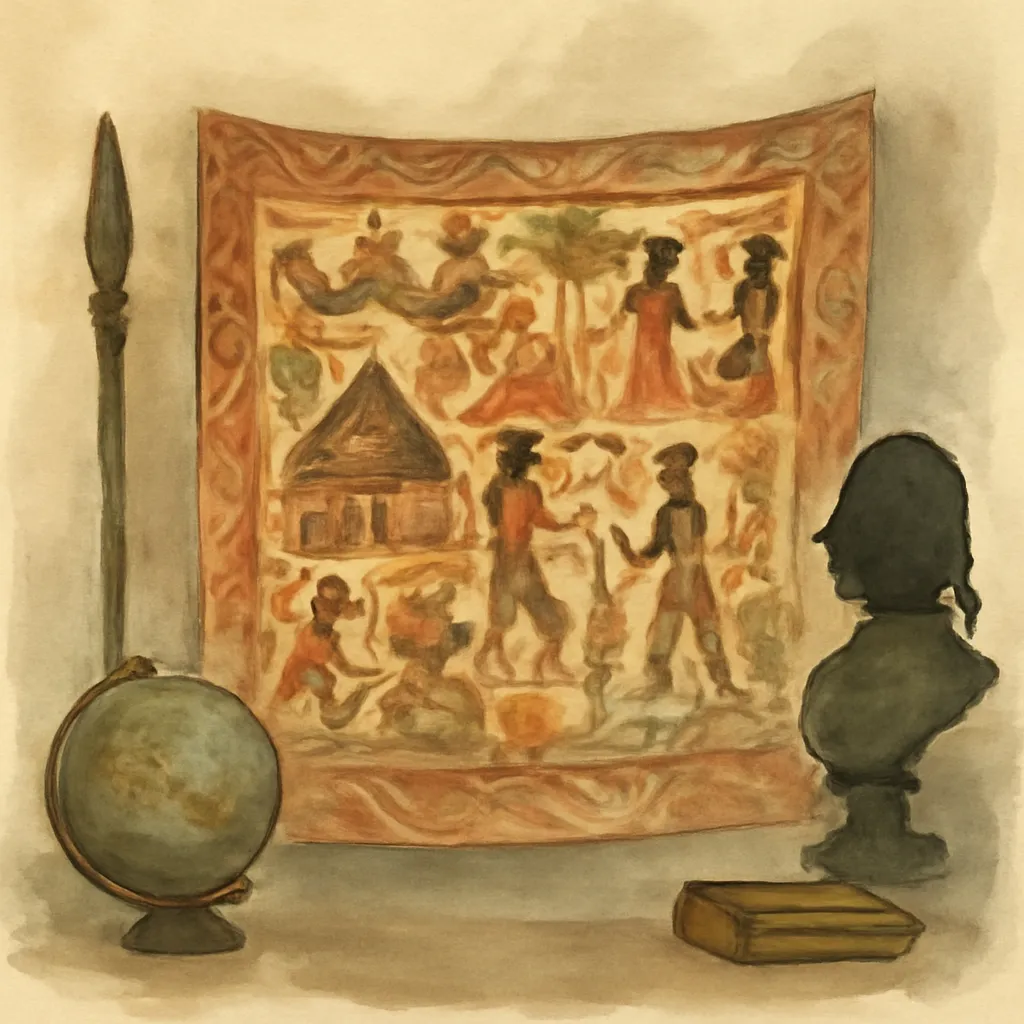
Malinowski’s functionalist perspective argues that every custom, institution, or belief serves a purpose within the society’s broader structure. By meticulously documenting daily activities, rituals, and exchanges, he demonstrates how each element contributes to the survival and cohesion of the group. This holistic approach encourages readers to see cultures as integrated wholes rather than collections of oddities.
5.Ethnography as Storytelling and Science
Argonauts is notable for its vivid, detailed narrative style, blending scientific rigor with evocative storytelling. Malinowski’s descriptions of canoe-building, feasts, and negotiations bring the Trobriand world to life, making the book accessible and engaging. This balance set a standard for ethnographic writing, showing that anthropological analysis can be both systematic and richly human.
6.Challenging Colonial Stereotypes
By presenting Trobrianders as complex, rational actors with their own systems of logic and value, Malinowski counters the colonial-era tendency to depict indigenous peoples as primitive or irrational. His work invites readers to recognize the sophistication of non-Western societies and to question ethnocentric biases in both scholarship and everyday life.