1.The Purpose of Coursing
Coursing is depicted as more than just a sport; it is a means of engaging both body and mind. Arrian emphasizes that coursing allows for rational reflection and camaraderie among those who share a passion for the chase. The act of hunting with dogs fosters a unique bond between the courser and his hounds, enriching the experience beyond mere competition. As Markham articulates, coursing 'satisfies the mind and body in a joint motion,' suggesting that this activity serves as a holistic pursuit that encompasses physical exertion, social interaction, and intellectual engagement. The multifaceted experience is not limited to the thrill of the chase; it also includes moments of reflection during downtime, where hunters can discuss strategies, share stories, and deepen their understanding of the sport. This highlights the enduring appeal of coursing across centuries, as it continues to resonate with enthusiasts who seek both excitement and connection with nature. Thus, coursing becomes a vital part of the participants' social culture, integrating them into a community that values skill, knowledge, and a shared love for the hounds.
2.Historical Context and Cultural Significance
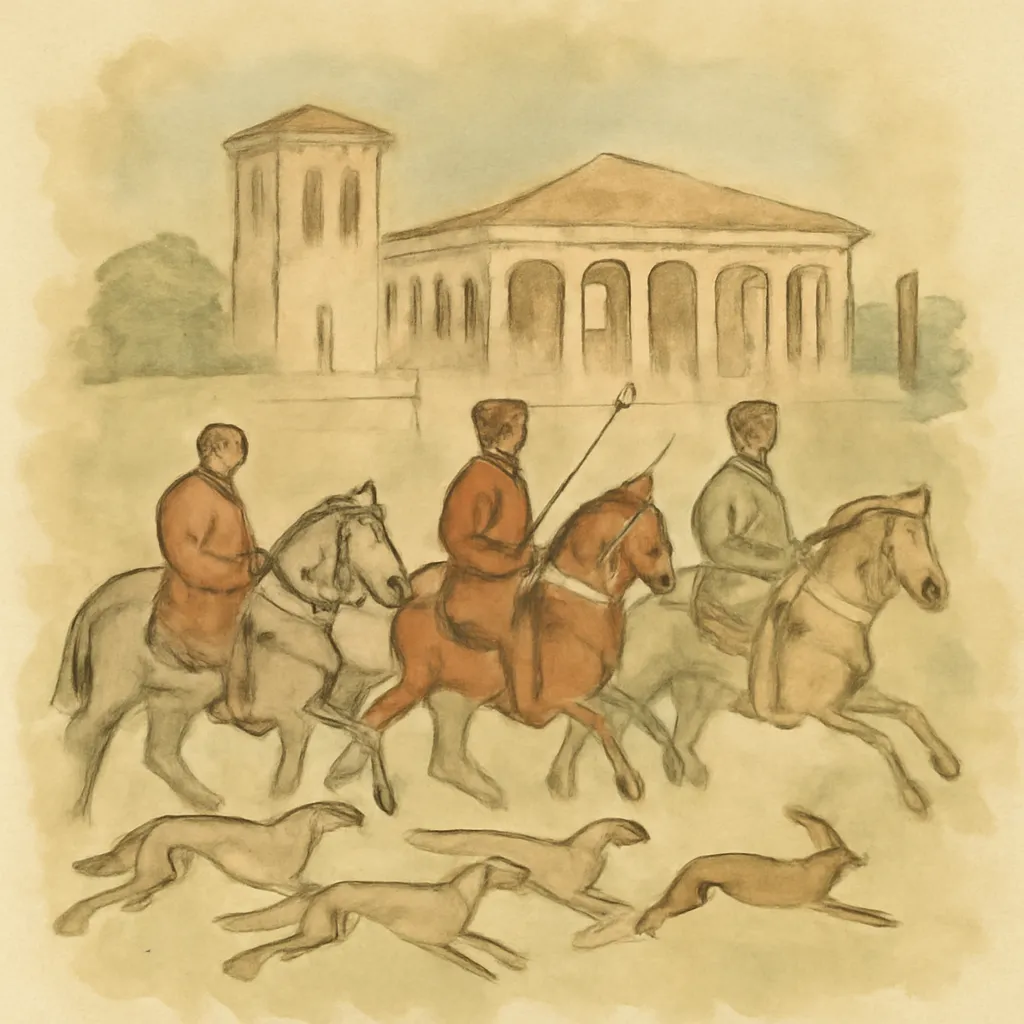
Arrian's Cynegeticus is set against the backdrop of Hadrian's Rome, a period when coursing was a highly regarded sport among the elite. The text reflects the cultural importance of hunting in ancient society, where it was associated with nobility, skill, and a deep understanding of nature. Coursing was not just a pastime; it was a demonstration of one's social status and an expression of one's relationship with the natural world. The deep-rooted traditions of coursing encapsulated the ideals of the time, where the ability to hunt effectively was synonymous with gentlemanly virtues. Arrian also addresses criticisms of hunting as a barbaric practice, countering these views by illustrating the refined techniques and ethical considerations involved in coursing. This philosophical stance reinforces the notion that coursing is not merely about the kill, but rather about engaging with nature, respecting its creatures, and honing one's skills. By examining the historical context, readers can appreciate how coursing served as a bridge between human civilization and the untamed wilderness, reinforcing the idea that hunting was an integral part of human identity and cultural heritage.
3.Training and Care of Greyhounds
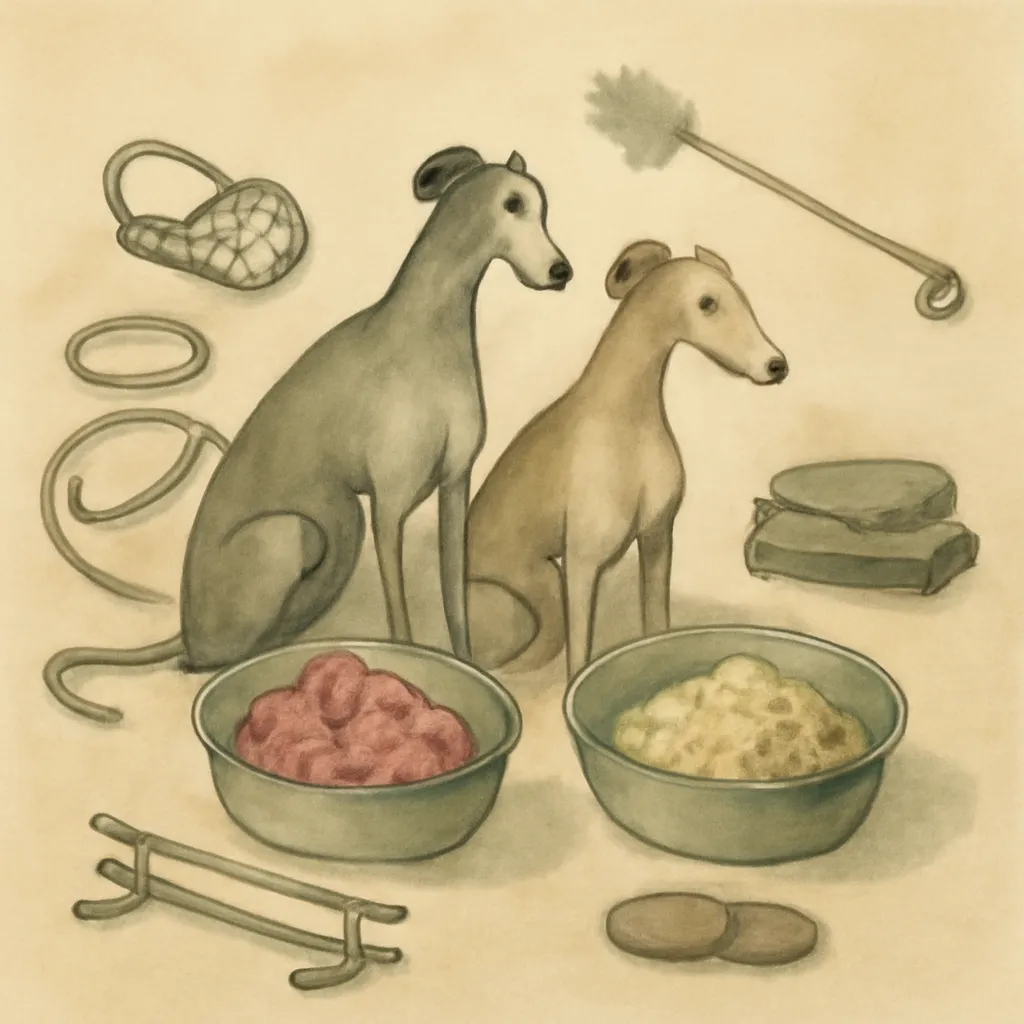
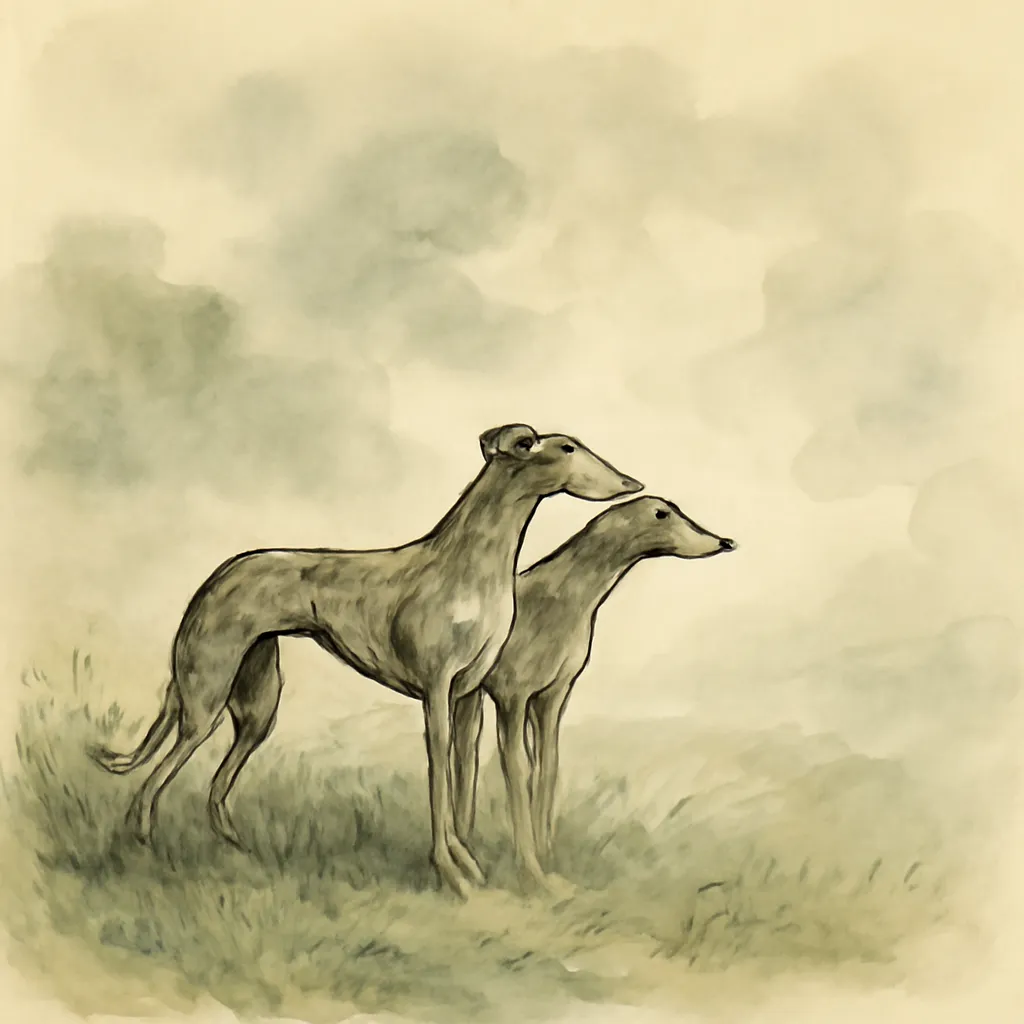
One of the central themes in Arrian's work is the meticulous training and care required for greyhounds, which are depicted as the elite athletes of the canine world. The manual provides detailed instructions on feeding, exercise, and even the psychological conditioning of hounds. For instance, Arrian advises on seasonal feeding practices, noting that in winter, dogs should be fed only once a day to prepare them for late-night coursing. This practice not only ensures that the dogs are conditioned for endurance but also helps in managing their weight and physical fitness. Additionally, during summer, special care is recommended to prevent exhaustion, highlighting the importance of understanding each dog's unique needs. This attention to detail underscores the importance of understanding a dog's physiology, feeding schedule, and overall health, which directly impacts their performance in the field. Moreover, Arrian emphasizes the significance of naming and training methods that enhance a dog's responsiveness, reflecting a sophisticated understanding of canine behavior that is still relevant for modern trainers. The relationship between the courser and his hounds is built on trust, respect, and mutual understanding, where proper care translates to successful hunts and a deeper bond.
4.Understanding the Quarry: Hares and Their Habitats
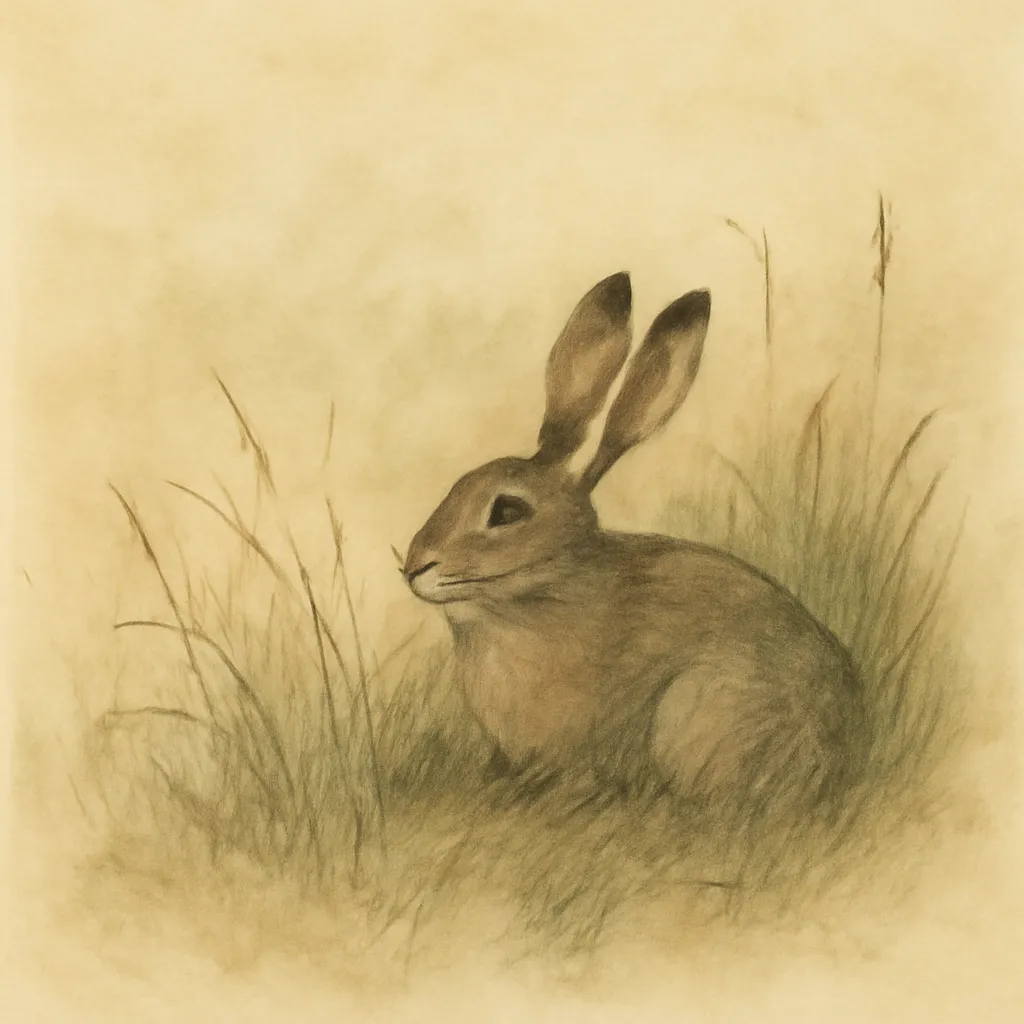
Arrian places significant emphasis on the knowledge of the quarry, particularly the hare, which is the primary target in coursing. He provides insights into the natural history of hares, including their feeding habits, habitats, and behavioral patterns. This knowledge is crucial for courser success; understanding a hare's movements and tendencies allows hunters to anticipate its actions during a chase. For example, Arrian notes that hares avoid open spaces and prefer areas with cover, which informs the tactics courser should employ. Moreover, he discusses the seasonal availability of hares, advising hunters on the best times to pursue them. This comprehensive understanding of the quarry not only enhances hunting success but also reflects a broader respect for the ecosystem and the animals within it. By recognizing the habits and habitats of hares, courser can develop more effective strategies that respect the natural behaviors of their prey, fostering an ethical hunting practice that appreciates the delicate balance of the ecosystem.
5.The Role of Dogs in Coursing
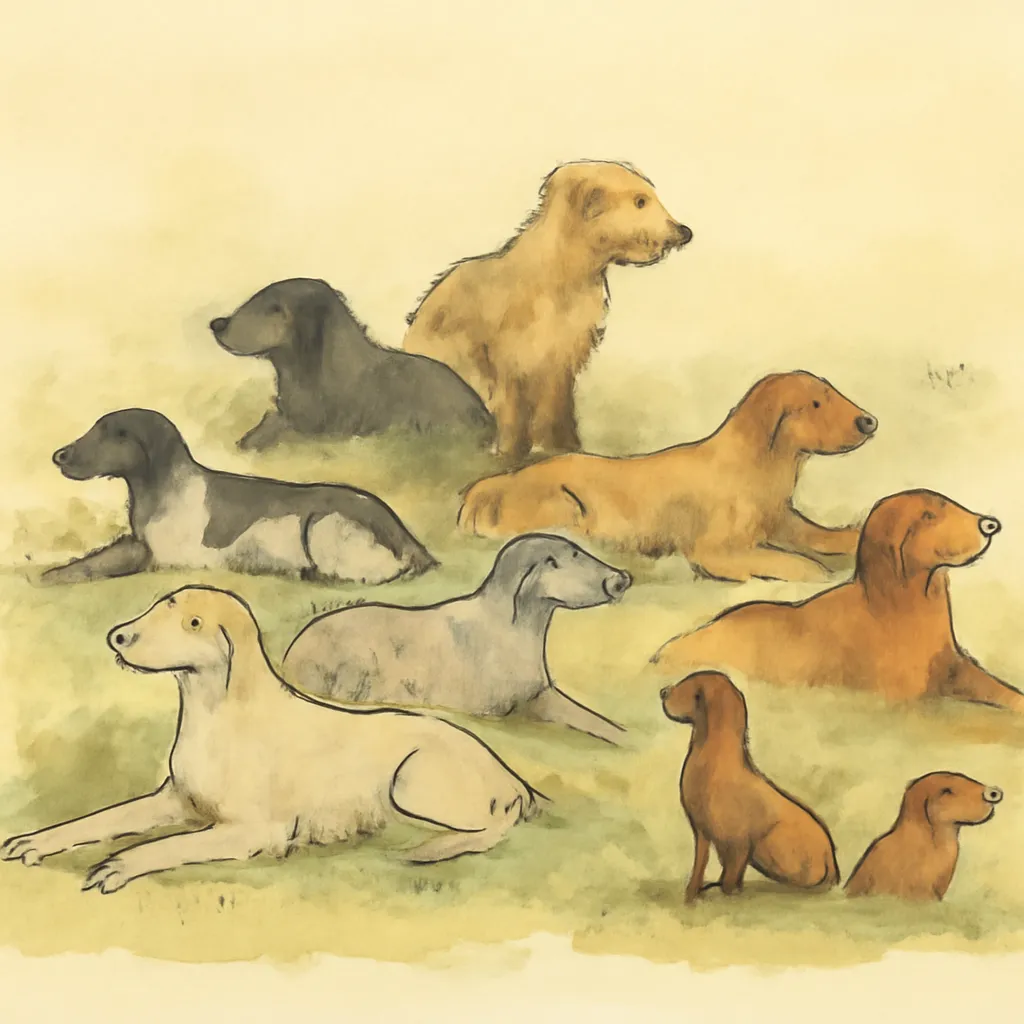
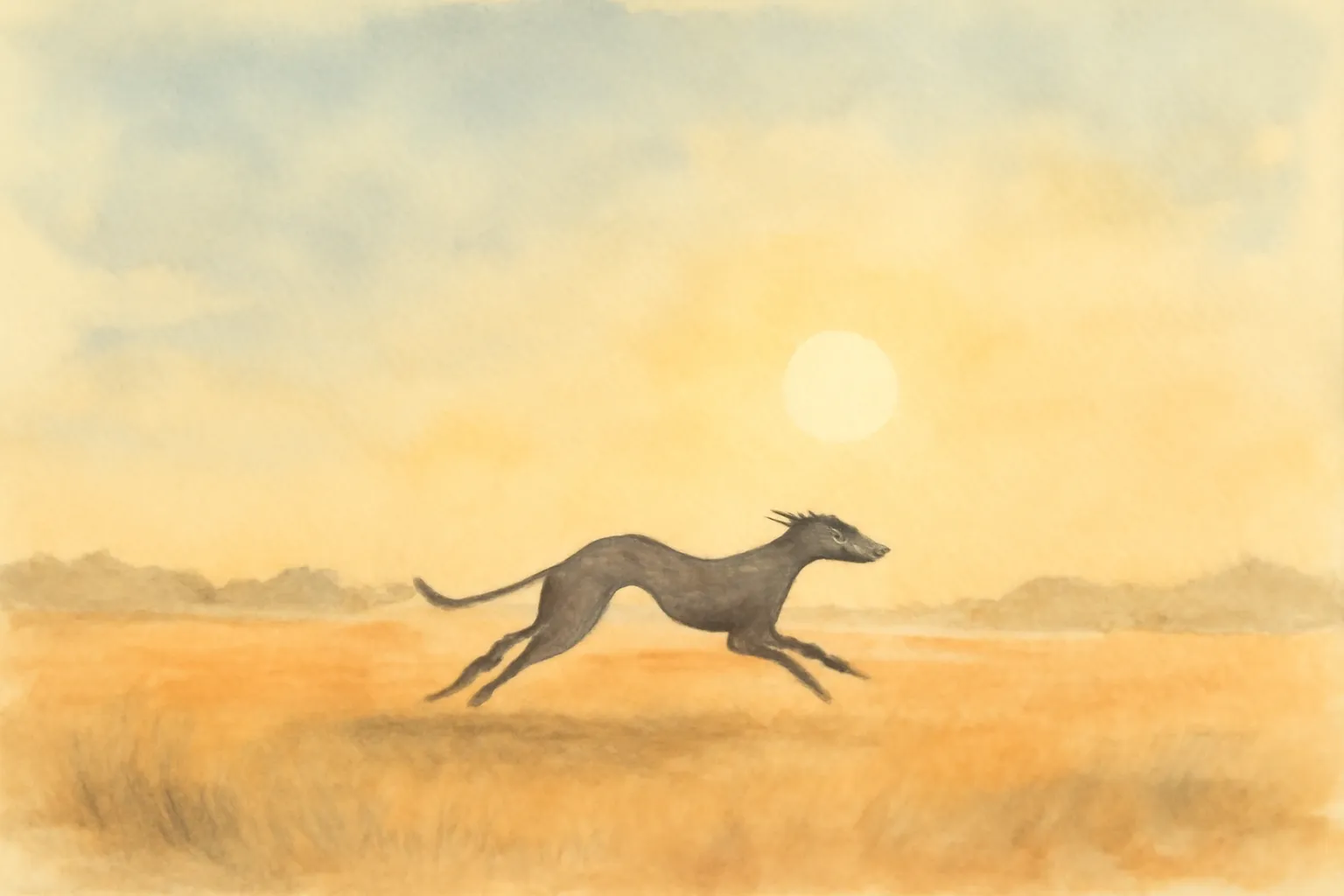
The relationship between courser and dog is central to Arrian's treatise, illustrating a bond built on mutual trust and respect. He categorizes dogs into various types, each with specific attributes suited for different hunting scenarios, emphasizing that the right dog can significantly impact the outcome of a chase. Arrian discusses the characteristics of the Celtic greyhound, highlighting its speed and agility, which are essential for coursing. He goes further to describe the qualities that make a dog exceptional: keen senses, swiftness, and the ability to quickly adapt during a chase are all traits that hunters should look for. This focus on the canine partner underscores the idea that successful coursing relies not only on the skills of the hunter but also on the capabilities and training of the hounds, creating a partnership that is both functional and profound. The courser must also be attuned to the individual personalities and strengths of each dog within the pack, which fosters a harmonious working relationship that can lead to triumph in the field.
6.Philosophical Reflections on Hunting
Beyond the practical aspects of coursing, Arrian provides philosophical reflections on the nature of hunting itself. He addresses the criticisms often leveled against hunters, countering the notion that coursing is a barbaric or sinful activity. Instead, he argues that hunting can be a noble pursuit, fostering a deeper connection with nature and an appreciation for the animal kingdom. This philosophical stance encourages readers to consider the ethical dimensions of hunting, advocating for a respectful and responsible approach to the sport. Arrian's reflections resonate with modern discussions about conservation and the ethical treatment of animals, making his arguments relevant even in contemporary contexts. By framing hunting as a legitimate and enriching activity, he elevates the discourse surrounding it. He posits that hunting, when practiced with skill and reverence, can cultivate virtues such as patience, humility, and respect for life, which are valuable traits in any endeavor.
7.Seasonal Considerations in Coursing
Arrian meticulously outlines how seasonal changes affect both the practice of coursing and the care of dogs. He advises against coursing in extreme heat, noting that greyhounds are particularly susceptible to heat exhaustion. Instead, he recommends spring and autumn as optimal seasons for hunting, when conditions are more favorable. This seasonal awareness not only ensures the safety and well-being of the dogs but also enhances the overall hunting experience. By aligning hunting practices with the natural rhythms of the environment, courser can maximize their success while minimizing risks. This attention to seasonal factors reflects a broader understanding of the interconnectedness of hunting practices and environmental conditions, emphasizing the need for adaptability in the field. Arrian’s guidance underscores the importance of being attuned to nature’s cycles, reminding hunters that the most successful pursuits are those that harmonize with the environment.
8.The Art of Slipping Hounds
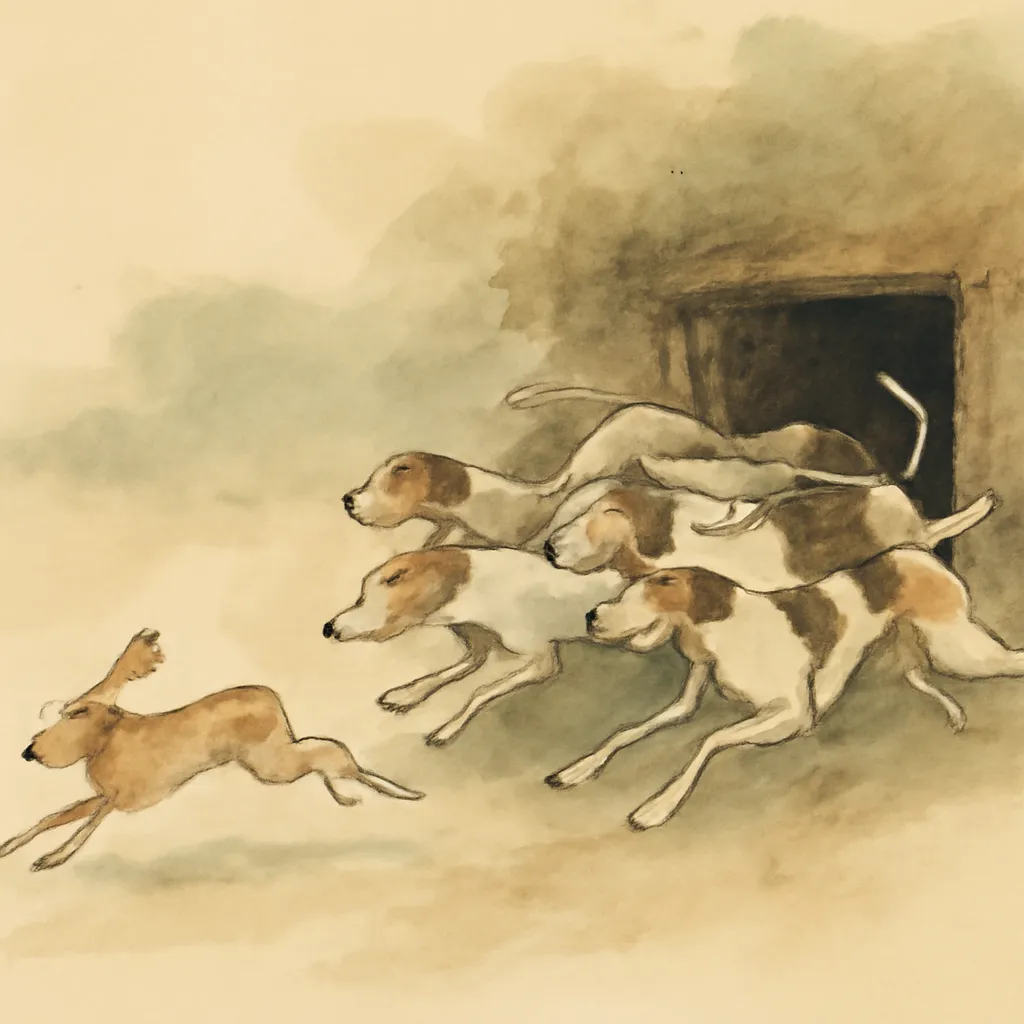
One of the more technical aspects of coursing discussed by Arrian is the method of slipping hounds, which involves releasing dogs to pursue a hare. He provides specific guidelines on how to slip dogs effectively, ensuring that they are neither released too close to the hare nor in excessive numbers. This technique is crucial for maintaining the element of surprise and ensuring that the dogs can effectively chase the quarry. Arrian's detailed instructions highlight the importance of timing and precision in the art of coursing, underscoring that successful hunts are often a product of careful planning and execution. This technical knowledge reflects the sophisticated understanding of hunting practices in ancient times, providing valuable insights for modern hunters. The courser must have a keen sense of timing and be able to read the moment when to let the hounds loose, ensuring that they are well-positioned to intercept the hare as it bolts.
9.The Legacy of Coursing Literature
Arrian's Cynegeticus is part of a rich tradition of coursing literature that spans centuries and cultures. The annotations included by the translator draw connections to earlier and later works on hunting, illustrating the continuity of knowledge and practices within this field. This body of literature not only preserves the techniques and philosophies of ancient hunters but also serves as a source of inspiration for contemporary practitioners. By situating Arrian's work within this broader context, readers can appreciate the evolution of hunting practices and the enduring relevance of these ancient texts. The legacy of coursing literature reflects humanity's long-standing relationship with nature and the quest for mastery over the natural world. It encourages modern hunters to not only learn from past methodologies but to also innovate and adapt these time-honored traditions to contemporary contexts, ensuring that the art of coursing remains vibrant and relevant.