1.The Universe in Perspective
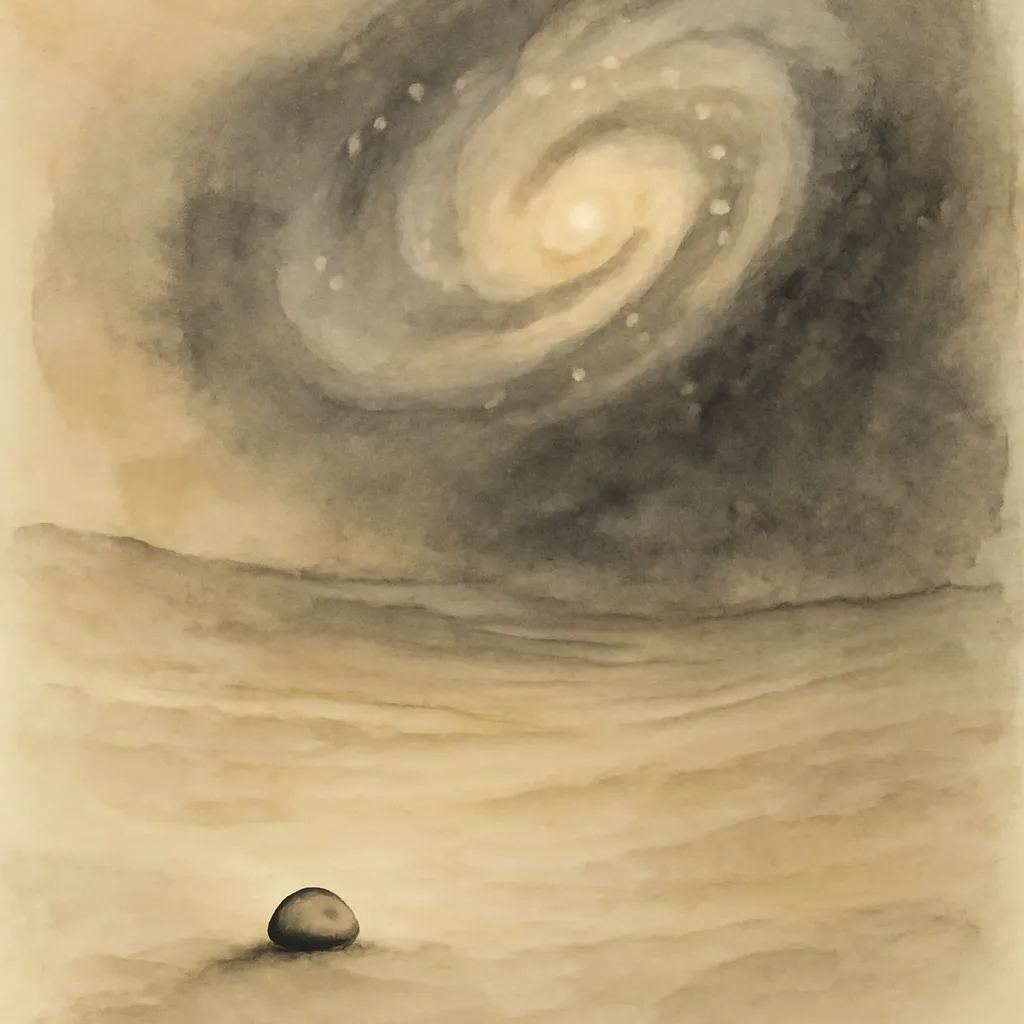
Tyson emphasizes how understanding astrophysics can shift our sense of place in the cosmos. By zooming out from daily concerns to the grand scale of the universe, readers are invited to see themselves as part of something much larger. This perspective can foster both humility and awe, reminding us that our planet is a tiny speck in an immense, ancient universe governed by physical laws.
2.The Building Blocks of Everything
A central theme is the composition of the universe—ordinary matter, dark matter, and dark energy. Tyson explains that most of what exists is invisible and mysterious, with only a small fraction made up of the atoms we know. This realization challenges our assumptions about reality and highlights the ongoing quest to understand what the universe is truly made of.
3.The Big Bang and Cosmic Evolution
The book provides a concise overview of the universe's origins, from the Big Bang to the formation of galaxies, stars, and planets. Tyson breaks down how fundamental forces and particles emerged, and how the universe has been expanding and evolving ever since. This narrative underscores the dynamic, ever-changing nature of the cosmos.
4.Light as a Cosmic Messenger
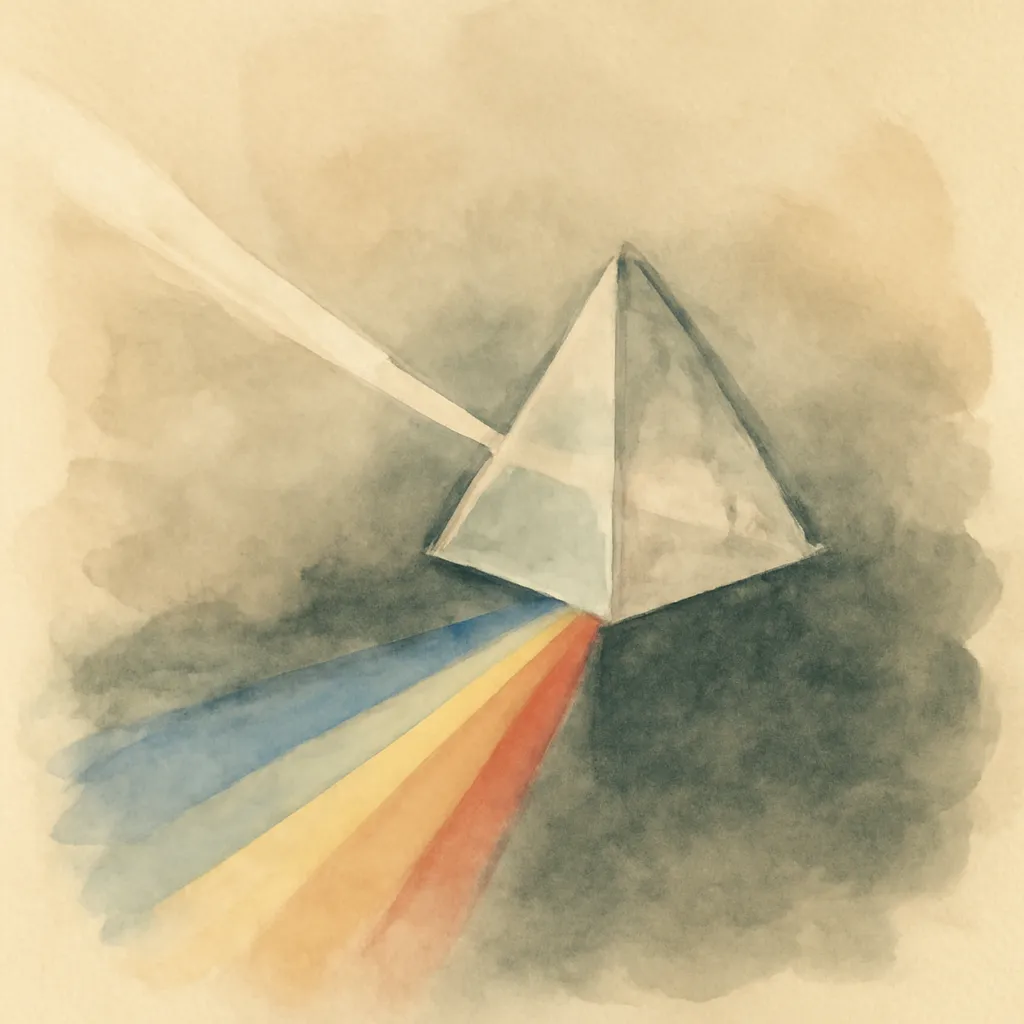
Tyson explains how light, in all its forms, is our primary tool for exploring the universe. From visible light to radio waves and X-rays, astronomers decode cosmic history by interpreting the messages carried by photons across vast distances. This idea highlights the ingenuity of science in uncovering secrets from the farthest reaches of space.
5.Human Curiosity and Cosmic Significance
A recurring motif is the power of human curiosity. Tyson argues that our desire to understand the universe is both a defining trait and a source of meaning. He connects cosmic phenomena to everyday life, showing how the elements in our bodies were forged in stars, and how scientific discovery enriches our sense of connection to the cosmos.
6.Science as a Way of Thinking
Beyond facts and figures, Tyson champions the scientific method as a mindset—questioning, testing, and revising our understanding. He encourages readers to embrace uncertainty and to value evidence over intuition. This approach, he suggests, is vital not just for astrophysics but for navigating the complexities of modern life.