1.The Magic of a Summer Morning
The novel opens on a glorious morning in early June, setting the tone for the joy and beauty that permeates the lives of the Greenfield sisters. The vivid imagery of dew on grass, the sweet fragrance of flowers, and the cheerful sounds of nature creates a picturesque backdrop for childhood adventures. This enchanting setting serves not just as a stage for the sisters' explorations but also symbolizes their innocence and the limitless possibilities of youth. The morning's beauty inspires the children to embark on a secret mission to gather flowers, showcasing their playful spirit and the bond they share. This chapter encapsulates the essence of childhood joy, where even the simplest moments can become magical experiences filled with wonder, reminding readers of the beauty inherent in daily life and the adventures that can be found within it.
2.Sibling Dynamics and Independence
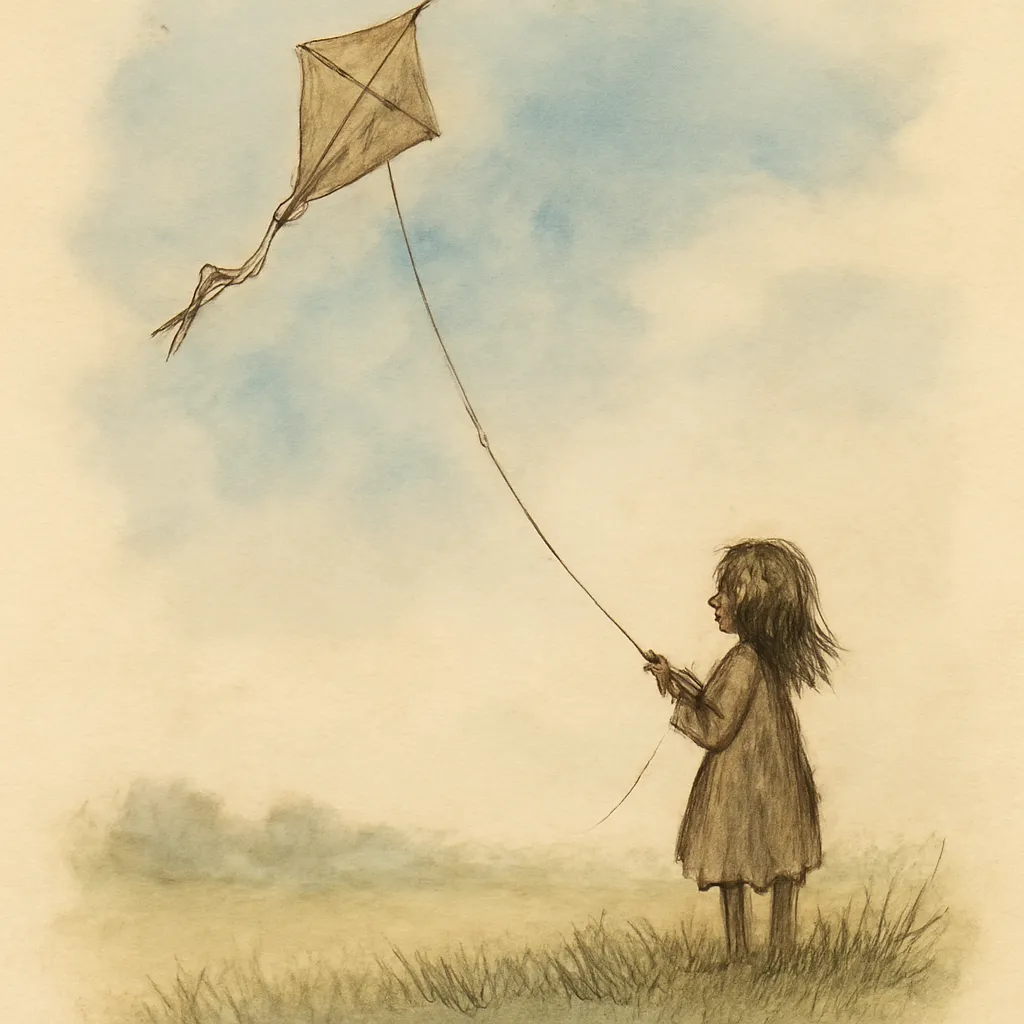
The interactions between the Greenfield sisters highlight the complex dynamics of sibling relationships, particularly the tension between independence and familial duty. Peace, the youngest sister, exhibits a strong desire for autonomy, insisting on attending a church reception despite her older sister Gail's objections. This insistence reflects not only her yearning for independence but also the common sibling rivalry where younger siblings strive to assert their place within the family hierarchy. The contrasting personalities of the sisters—Gail's nurturing nature and Peace's rebellious spirit—demonstrate the balance families must maintain between support and allowing individual growth. Their dialogues are laced with humor and tension, illustrating how siblings can both uplift and challenge each other. The interplay of their differing perspectives provides a rich exploration of how families navigate the intricate web of love, support, and the quest for personal identity.
3.The Quest for Financial Independence
As the story unfolds, financial challenges become a prominent theme, reflecting the harsh realities faced by many families. The sisters' efforts to earn money for new shoes reveal their resourcefulness and determination to contribute to their household. Peace's idea to create and sell birch bark baskets is a testament to her entrepreneurial spirit, showcasing how necessity can spur creativity. This quest for financial independence is not just about acquiring material goods; it symbolizes the girls' desire to take control of their lives and alleviate the burdens on their older siblings. The financial struggles they face serve as a backdrop for their growth, pushing them to learn valuable lessons about hard work, responsibility, and the importance of family support. The narrative emphasizes that while financial challenges may seem daunting, they can also pave the way for innovation and resilience within family units.
4.The Importance of Community Connections
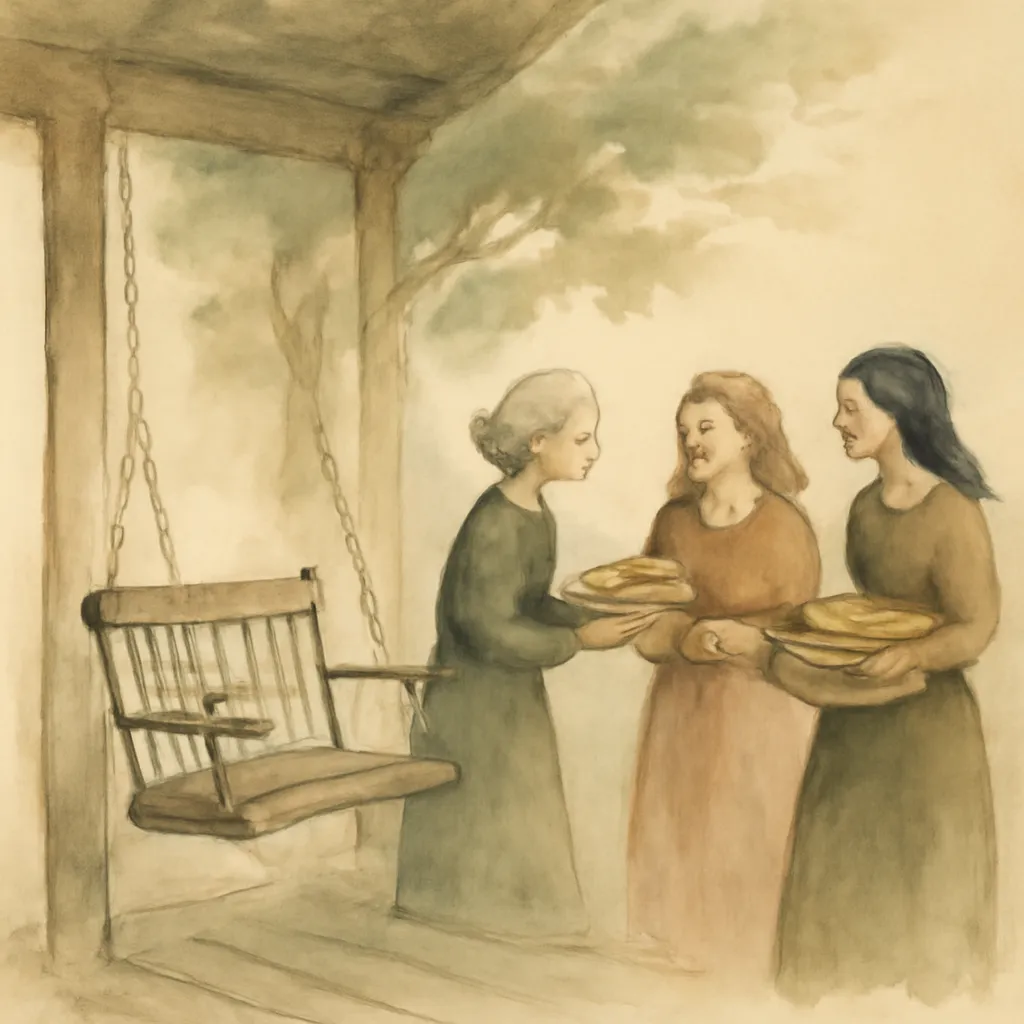
The relationships the Greenfield sisters cultivate with their neighbors and the broader community play a crucial role in their lives. Characters like Mrs. Grinnell and Mr. Strong provide not only assistance but also embody the spirit of community that is vital for survival in rural life. These relationships showcase the interconnectedness of village life, where neighbors rely on one another for support, whether through sharing resources or emotional encouragement. The sisters' interactions with these characters highlight the value of kindness and generosity, which often come back to benefit them in unexpected ways. This theme emphasizes that community is not just a backdrop but a living, breathing entity that shapes the protagonists' experiences and growth. The support they gain from their neighbors instills in them a sense of belonging and highlights the importance of communal ties in overcoming adversity.
5.Adventures and Mischief
The sisters' adventures often lead them into mischief, allowing readers to relive the thrill of childhood escapades. From gathering flowers to exploring the woods, their imaginative pursuits reflect the curiosity and playfulness inherent in youth. However, these adventures are not without consequences, as their innocent actions sometimes lead to trouble. Peace's antics, such as her schemes to earn money or her playful teasing of their neighbors, illustrate the duality of childhood—where joy and mischief coexist. These moments serve to highlight the lessons learned through experience, reinforcing the idea that growth often comes from navigating the consequences of one's actions. The blend of adventure and mischief adds depth to the narrative, making it relatable and engaging as it captures the essence of what it means to be a child.
6.Family and Sacrifice
The theme of sacrifice is woven throughout the narrative as the sisters navigate their responsibilities to one another and to their home. Gail, as the eldest, often shoulders the burden of caretaking, sacrificing her own desires for the sake of her younger sisters. This dynamic underscores the idea that family is not just about love, but also about the sacrifices individuals make for one another. The characters' willingness to put each other's needs above their own illustrates the depth of their familial bonds. This theme resonates deeply, showing that while familial love can be a source of great strength, it can also lead to moments of tension and conflict as individuals balance their desires with their responsibilities. The portrayal of family dynamics highlights that even amidst struggles, the love and sacrifice shared among family members can be a powerful force for resilience and growth.
7.The Role of Nature
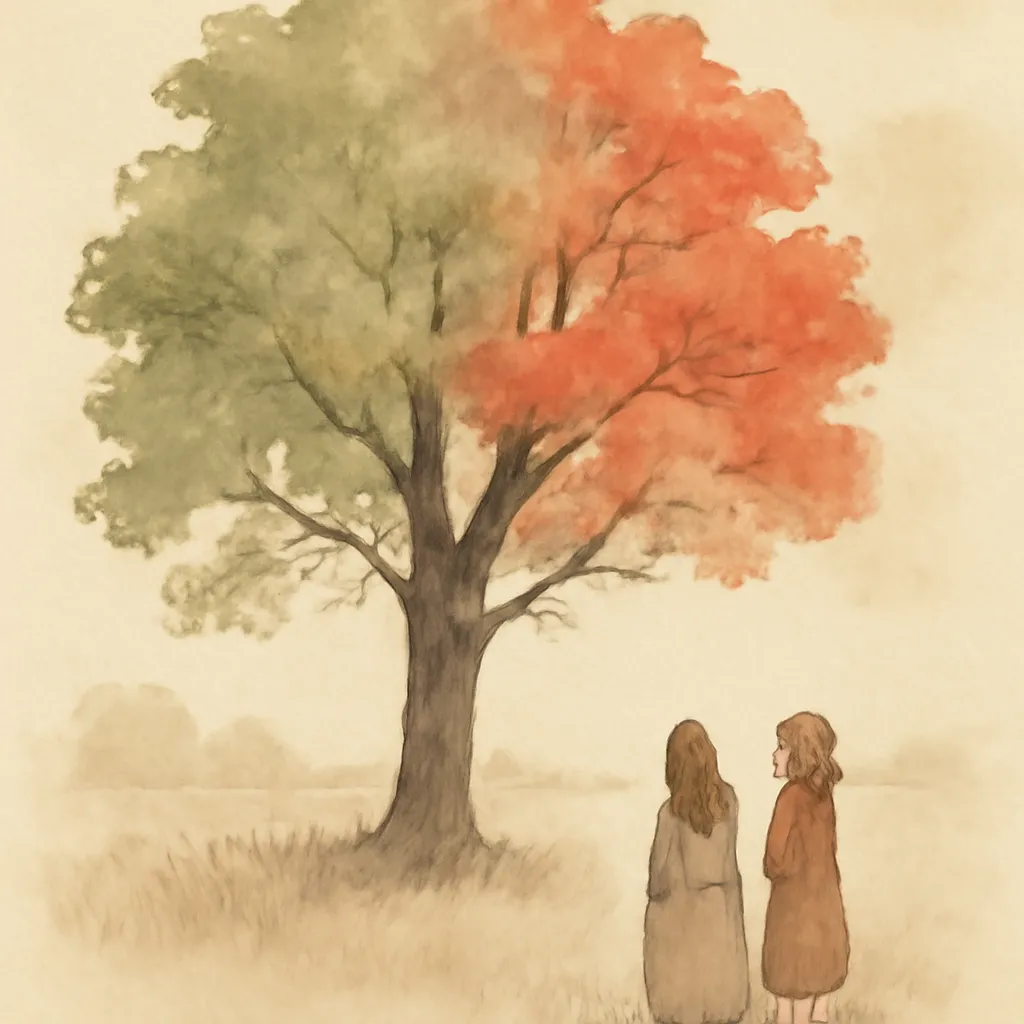
Nature serves as both a backdrop and a character in 'At the Little Brown House', influencing the sisters' experiences and emotions. The descriptions of the changing seasons, from the vibrant colors of summer to the stark beauty of winter, mirror the sisters' growth and the passage of time. Nature's beauty is a source of solace and inspiration, providing the girls with a sense of peace amidst their struggles. The natural world is also a catalyst for adventure, as the sisters explore the woods, gather flowers, and interact with animals. This connection to nature reinforces the idea that the environment shapes their identities and experiences, making it an integral part of their journey. The changing seasons reflect not only the physical landscape but also the emotional landscape of the sisters, symbolizing the cycles of life and growth.
8.The Struggles of Growing Up
The narrative captures the bittersweet nature of growing up, where moments of joy are often tinged with the reality of adult responsibilities. The sisters experience a range of emotions, from the exhilaration of independence to the weight of familial obligations. This duality highlights the challenges of transitioning from childhood to adulthood, where the innocence of youth is often shadowed by the realities of life. The struggles they face—financial hardships, personal sacrifices, and the desire for freedom—are universal themes that resonate with readers of all ages. Through their journey, the novel offers poignant reflections on the complexities of growing up, making it relatable for anyone who has navigated the path from childhood to maturity. This exploration of growth emphasizes that while the journey can be fraught with challenges, it is also filled with beautiful moments of discovery and learning.
9.The Joy of Small Victories
Amidst the struggles and challenges, the Greenfield sisters find joy in small victories that punctuate their daily lives. Whether it's successfully selling their handmade baskets or simply enjoying a sunny day in the fields, these moments of triumph provide a sense of fulfillment and happiness. The novel emphasizes that life is not solely defined by grand achievements but is often made richer by the small, everyday victories that bring joy. These moments serve as reminders to appreciate the journey, celebrating the progress made even in the face of adversity. This theme encourages readers to find joy in their own lives, recognizing that happiness can often be found in the simplest of moments and that these small victories can uplift spirits and foster resilience in challenging times.
10.The Power of Dreams and Aspirations
The dreams and aspirations of the Greenfield sisters serve as a driving force throughout the novel, propelling them toward their goals. Each sister has her own unique dreams, whether it's Peace's desire for independence or Faith's ambition to excel in her baking endeavors. These aspirations not only shape their individual journeys but also reflect the universal human desire to pursue one's passions and carve out a meaningful life. The novel encourages readers to embrace their dreams, no matter how small or grand, and to pursue them with determination. This theme reinforces the idea that aspirations can provide direction and purpose, motivating individuals to overcome obstacles in their pursuit of happiness. The pursuit of dreams is depicted as a vital part of growing up, where hope and ambition can lead to transformative experiences.