1.Algorithms Move Beyond Math and Markets
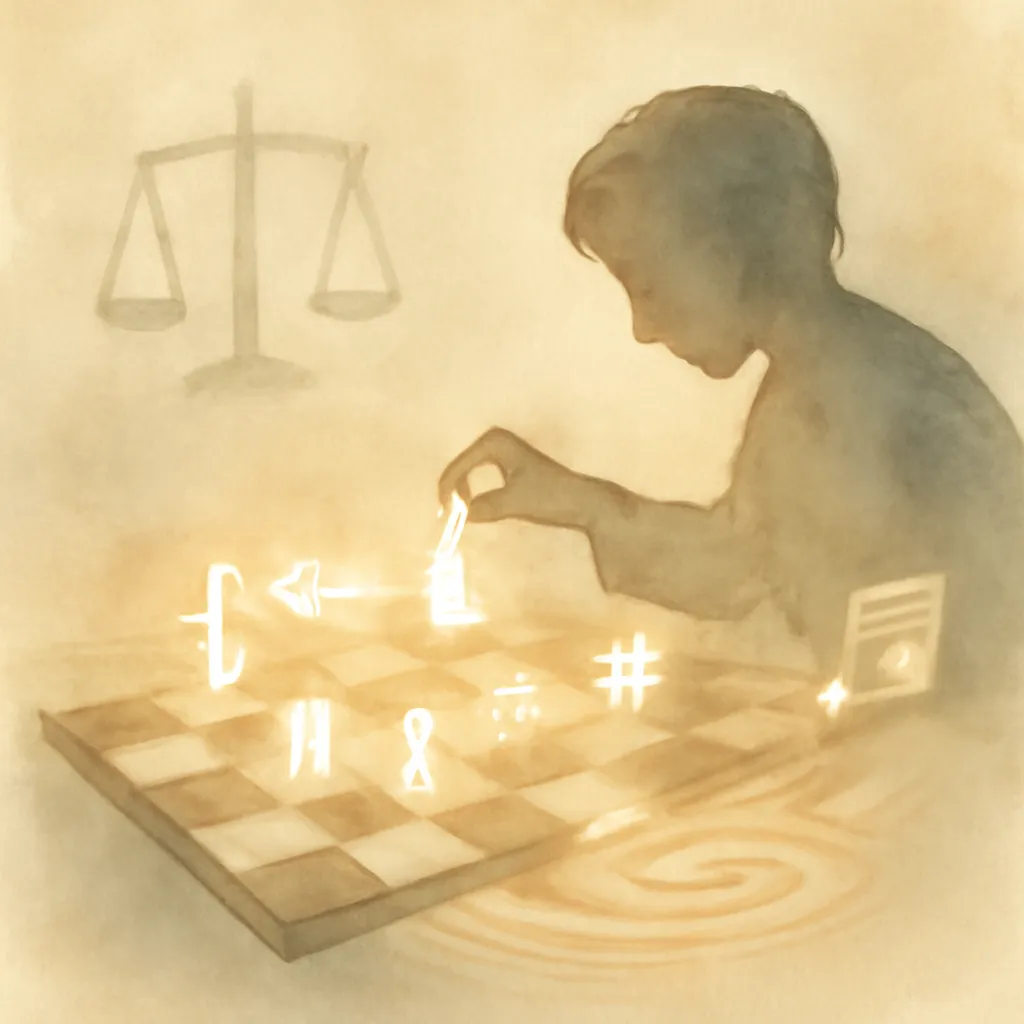
Steiner traces how algorithms, once the exclusive domain of mathematicians and financial engineers, have rapidly expanded into fields like law, music, healthcare, and journalism. He shows that automation is no longer about crunching numbers but about replicating—and sometimes surpassing—human expertise in tasks that were once thought to require intuition, judgment, or creativity. This expansion raises questions about the boundaries of what machines can do and what should remain uniquely human.
2.The Unseen Hand of Automation
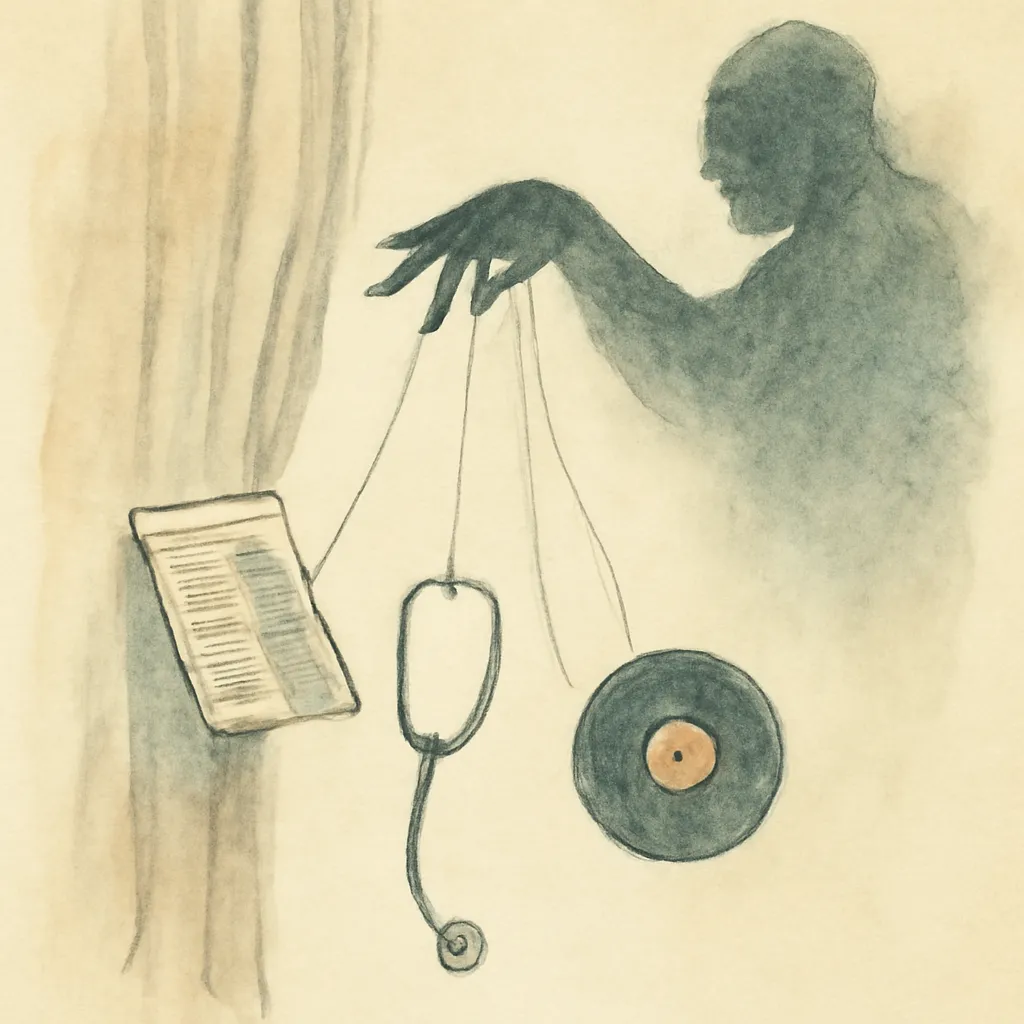
A central theme is the invisible nature of algorithmic influence. Steiner demonstrates that many of the decisions shaping our daily lives—what news we see, how we’re diagnosed, even the music we hear—are increasingly made by algorithms operating behind the scenes. This silent takeover makes it easy to overlook the profound impact automation has on culture, economics, and personal agency.
3.Winners, Losers, and the New Skill Divide
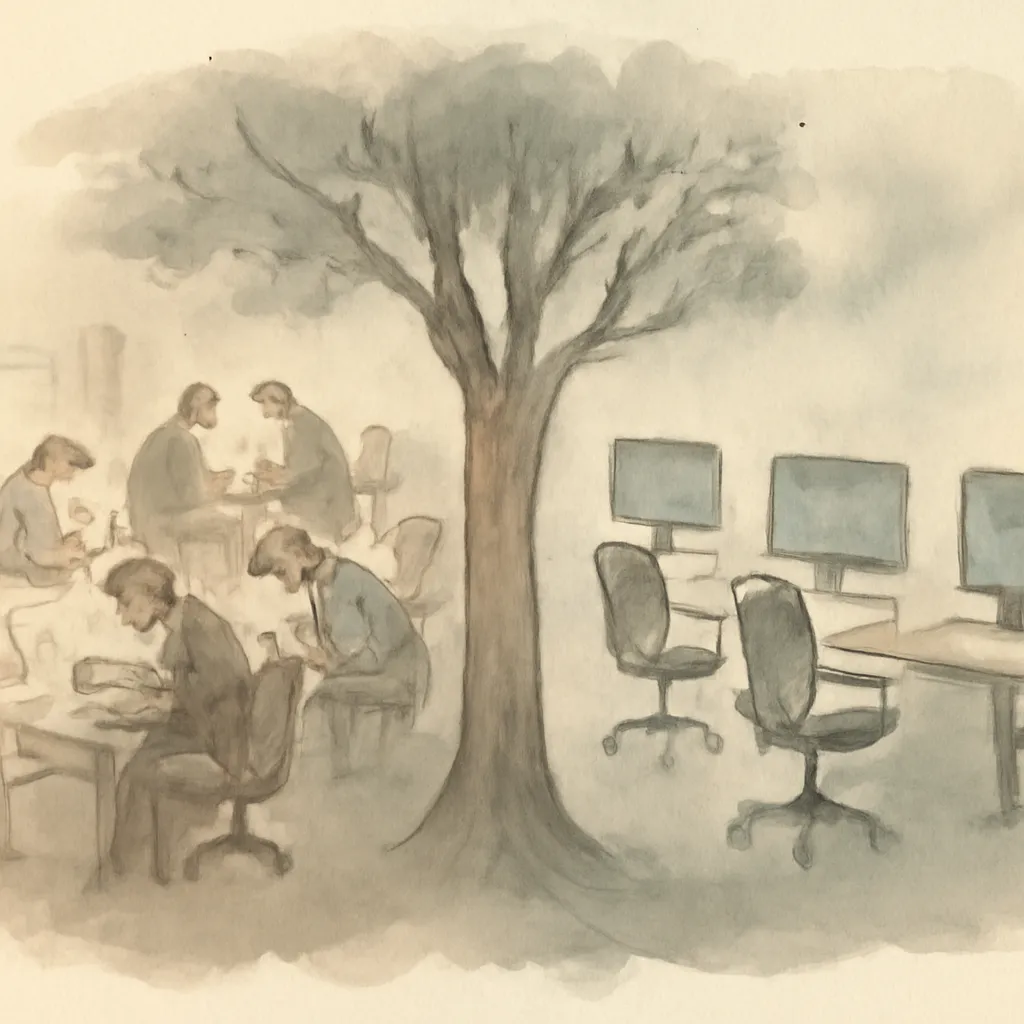
As algorithms take over complex tasks, Steiner explores the resulting shifts in the job market. He argues that while automation can create new opportunities, it also threatens established professions, from traders to doctors to journalists. The book highlights the emergence of a new skill divide: those who can build, understand, or work alongside algorithms thrive, while others risk obsolescence. This dynamic challenges individuals and institutions to adapt or be left behind.
4.Innovation and Unintended Consequences
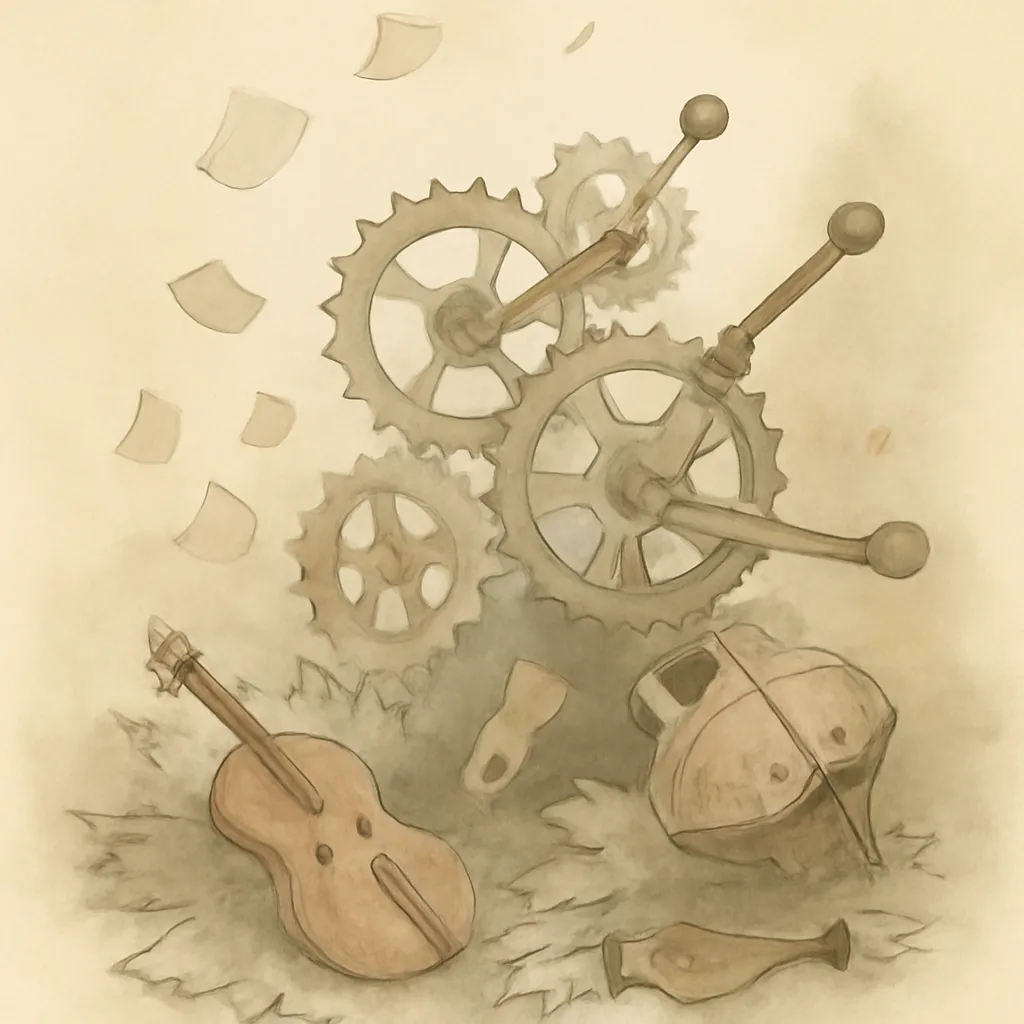
Steiner details both the ingenuity and the unpredictability of algorithmic systems. He recounts stories of unexpected outcomes—such as flash crashes in financial markets or algorithmic music compositions that rival human creativity—to illustrate that automation can produce results beyond what its creators intended. This unpredictability presents both opportunities for innovation and risks that are difficult to foresee or control.
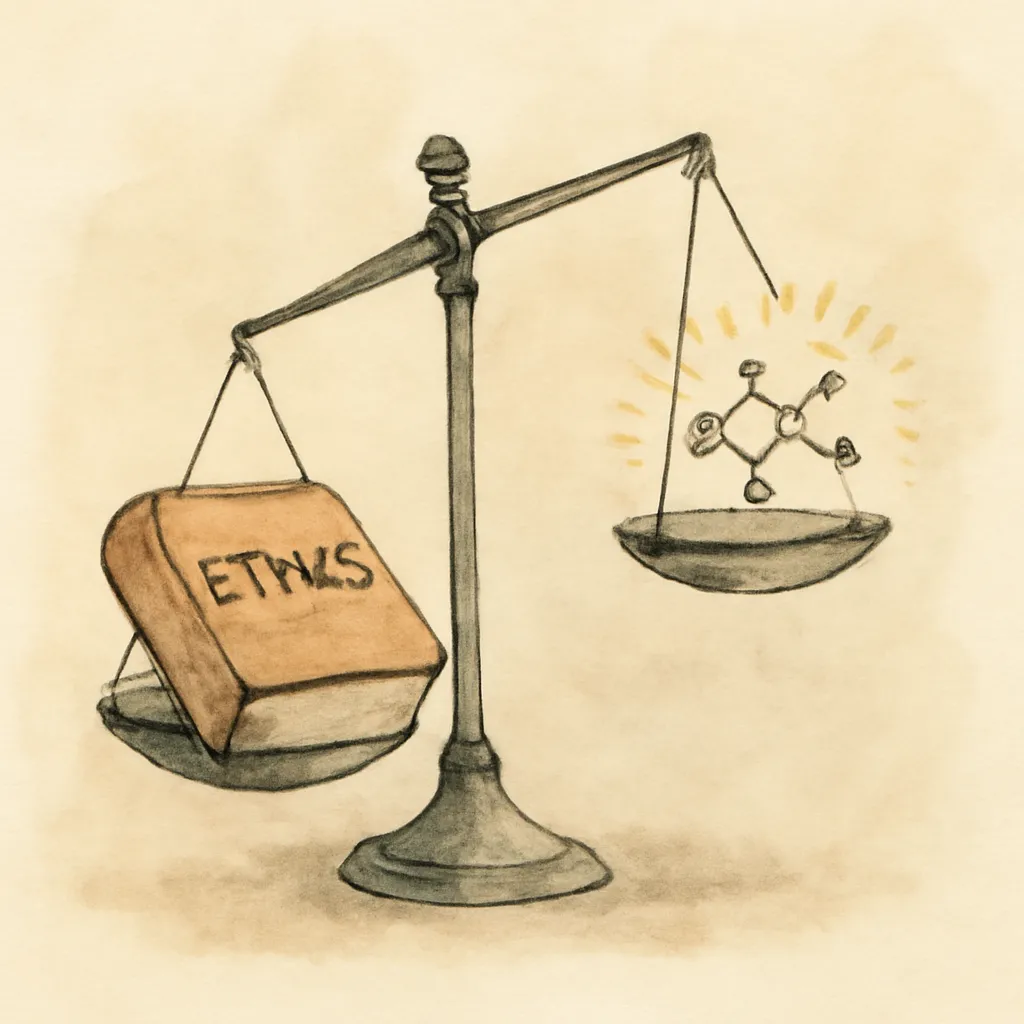
5.Ethics and Accountability in a Bot-Driven World
The book raises pressing ethical questions about the delegation of critical decisions to machines. Steiner asks who is responsible when an algorithm makes a mistake or causes harm, and how society should regulate or oversee these powerful tools. He encourages readers to consider the moral dimensions of automation, especially as algorithms become more autonomous and their logic more opaque.
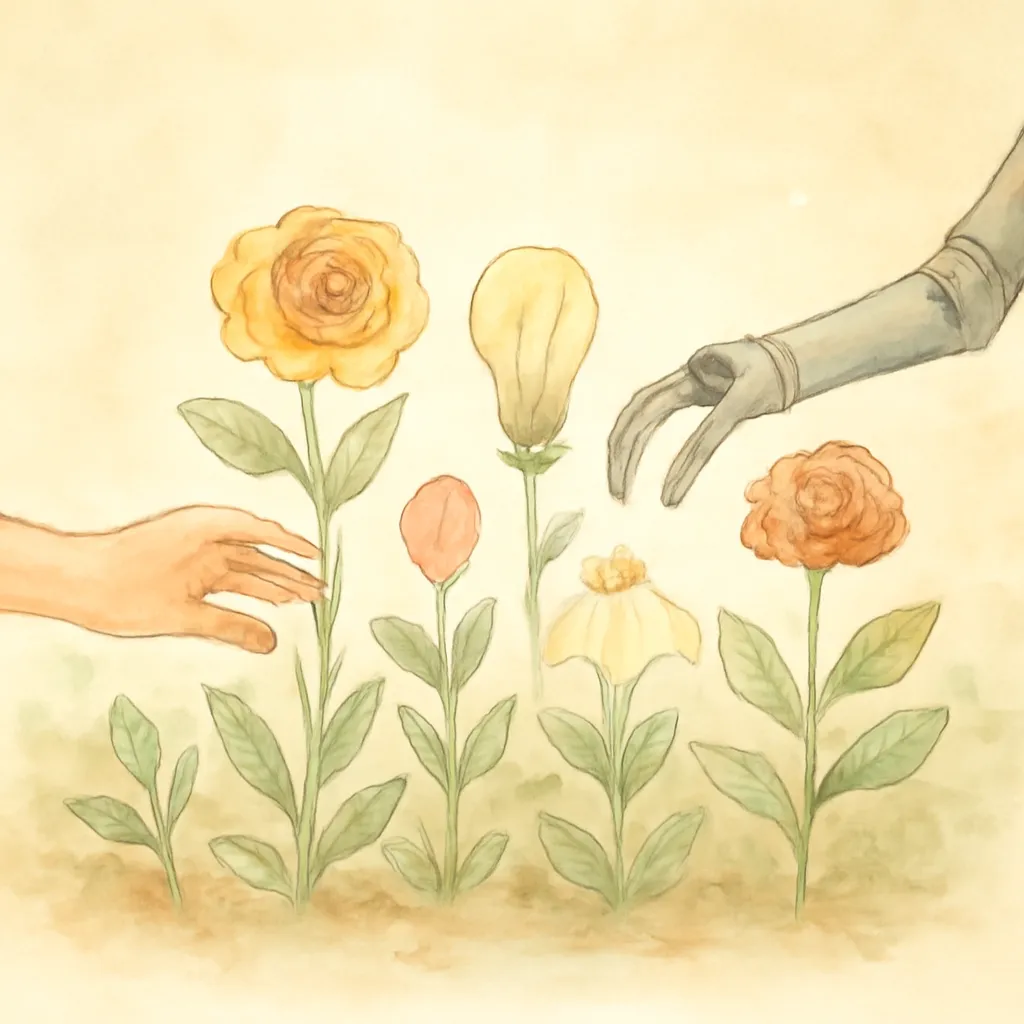
6.The Human Edge: Creativity and Adaptation
Despite the rise of algorithms, Steiner suggests that human creativity, adaptability, and emotional intelligence remain vital. He points to areas where humans and machines can collaborate to achieve better outcomes than either could alone. The book ultimately argues that embracing, rather than resisting, the bot revolution—while remaining vigilant about its risks—is the best path forward.