1.The Power of Brotherhood
At its core, Band of Brothers explores how ordinary men forged extraordinary bonds through shared hardship. Ambrose shows that the mutual trust, loyalty, and sacrifice within Easy Company were not just byproducts of war, but essential to their survival and effectiveness. The men’s willingness to risk everything for each other transcends military strategy, highlighting the psychological and emotional foundations of true teamwork.
2.Citizen Soldiers in Extraordinary Times
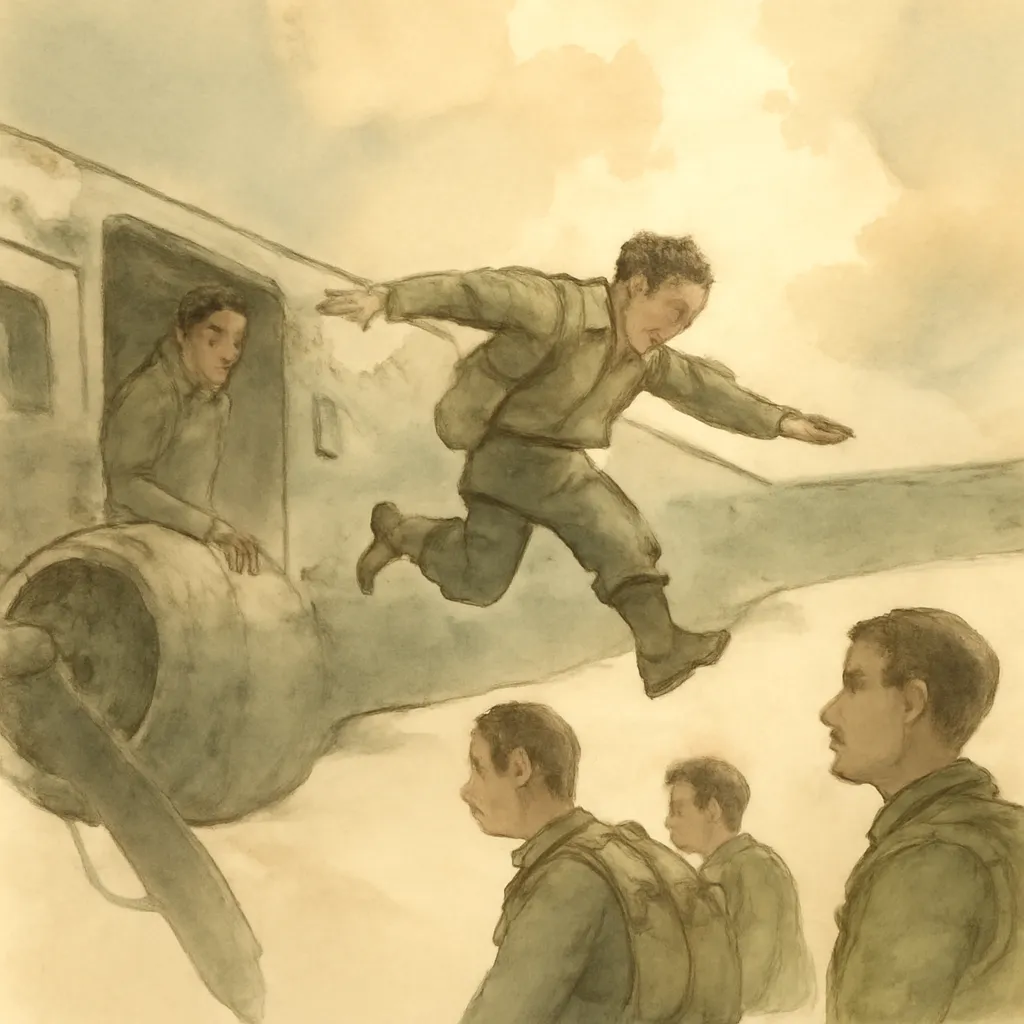
Ambrose emphasizes that most members of Easy Company were not professional soldiers, but young Americans thrust into the chaos of global conflict. Their transformation from civilians to elite paratroopers underscores themes of adaptability, courage, and the capacity for growth under pressure. The book invites readers to consider how ordinary people can rise to meet history’s greatest challenges.
3.Leadership Under Fire
Leadership is a recurring theme, particularly embodied in figures like Richard Winters. Ambrose illustrates how effective leadership is forged in adversity—through empathy, competence, and moral clarity. The book contrasts different leadership styles, showing how trust and respect, rather than fear, inspire loyalty and high performance in extreme circumstances.
4.The Reality of Combat
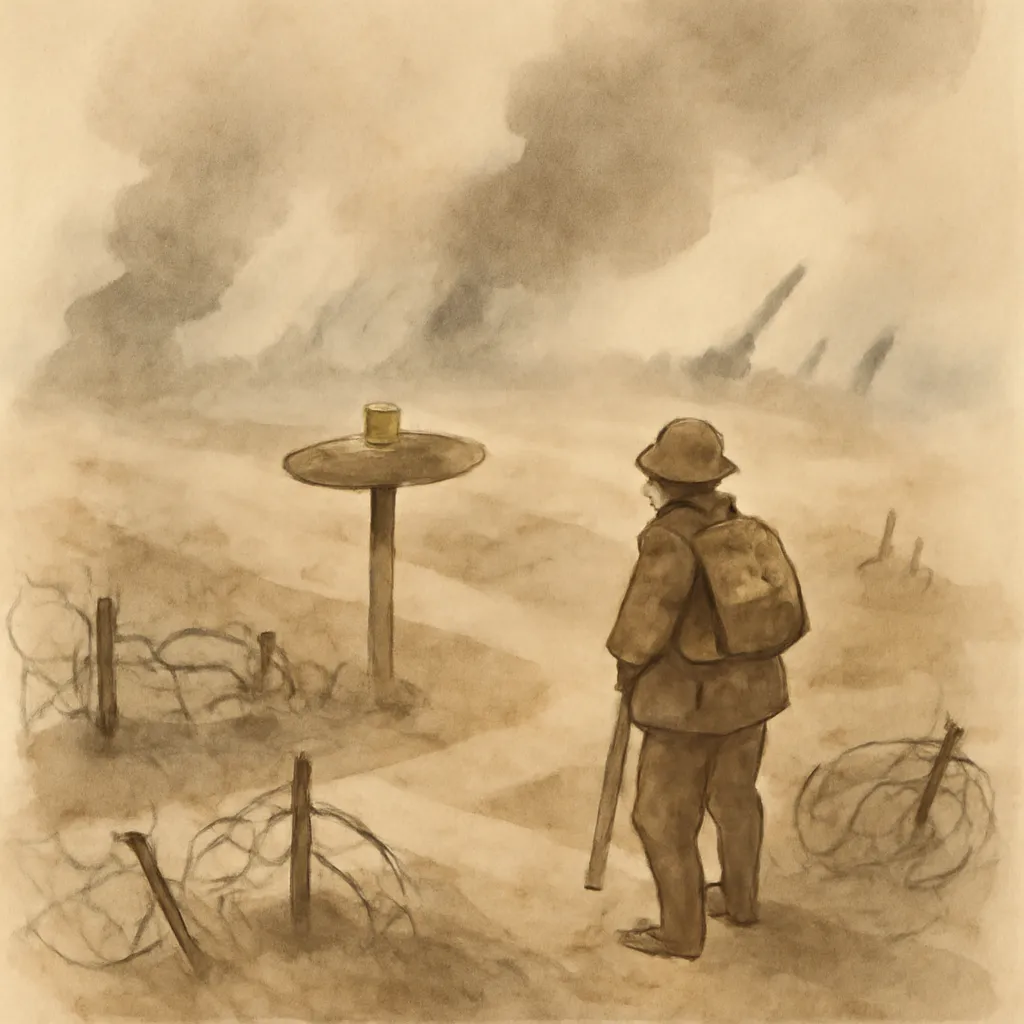
Band of Brothers does not romanticize war. Through firsthand accounts and meticulous research, Ambrose depicts the brutality, confusion, and trauma of combat. The narrative confronts the physical and psychological toll of battle, reminding readers of the cost paid by those who fight. This realism grounds the story, making the heroism of Easy Company all the more remarkable.
5.Memory, History, and Legacy
Ambrose’s work is as much about remembering as it is about recounting. By preserving the voices and experiences of Easy Company, the book raises questions about how societies remember war and honor those who serve. It also explores the veterans’ postwar lives, reflecting on how war shapes identity and the enduring need to find meaning in sacrifice.
6.The Morality of War
While focused on the Allied perspective, the book does not shy away from moral complexity. Ambrose addresses moments of doubt, fear, and even cruelty, reminding readers that war tests not only physical endurance but also ethical boundaries. The story prompts reflection on the choices individuals must make in impossible situations.