1.Surfing as a Lifelong Obsession
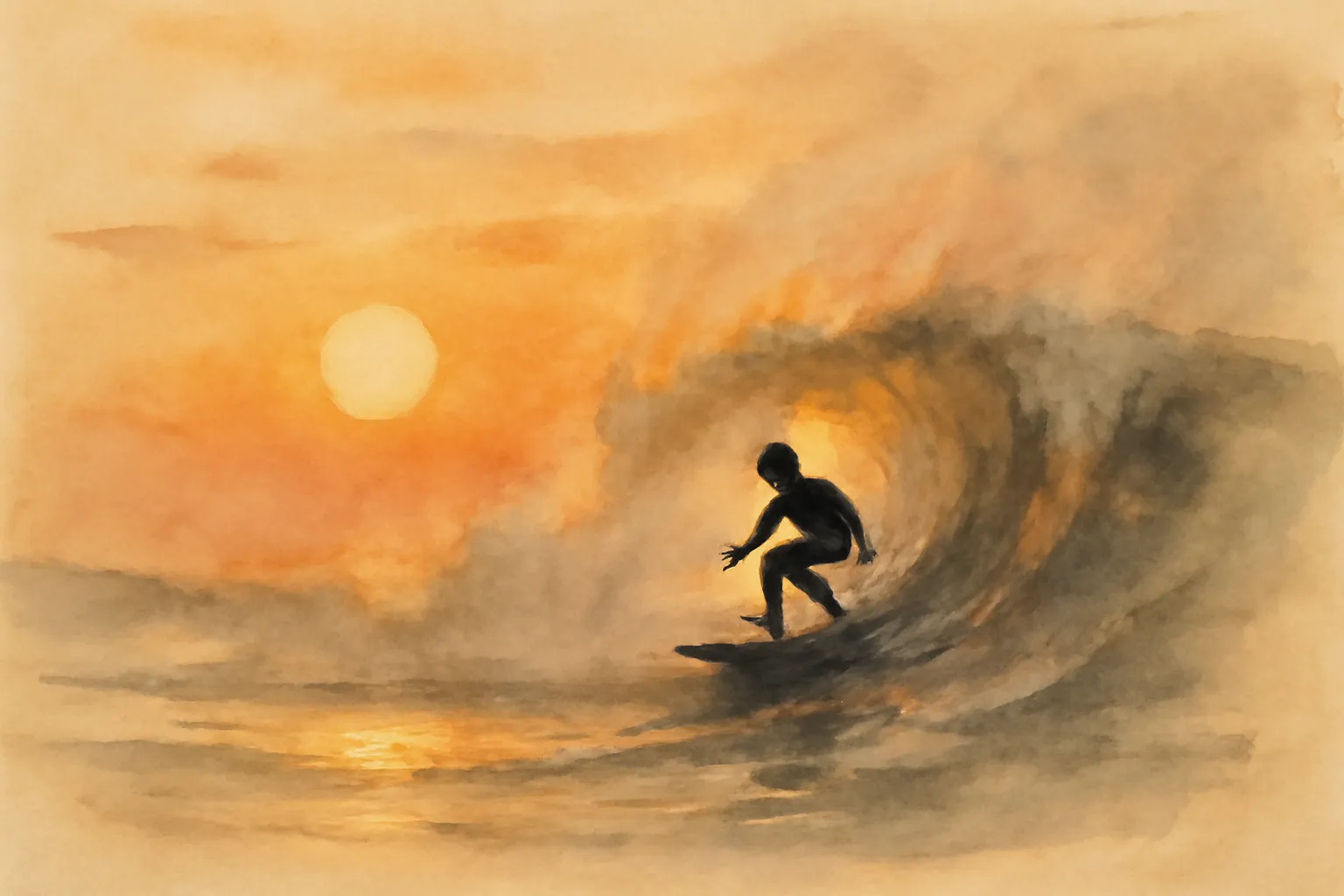
Finnegan's memoir is anchored in his lifelong, almost monastic dedication to surfing. The book explores how surfing becomes not just a sport or pastime but a consuming obsession, shaping his choices, relationships, and worldview. This obsession is depicted as both a source of joy and a form of exile, setting him apart from mainstream society and even from other surfers. Finnegan's self-awareness about the costs and rewards of this devotion gives the narrative its emotional depth.
2.Coming of Age in the Water
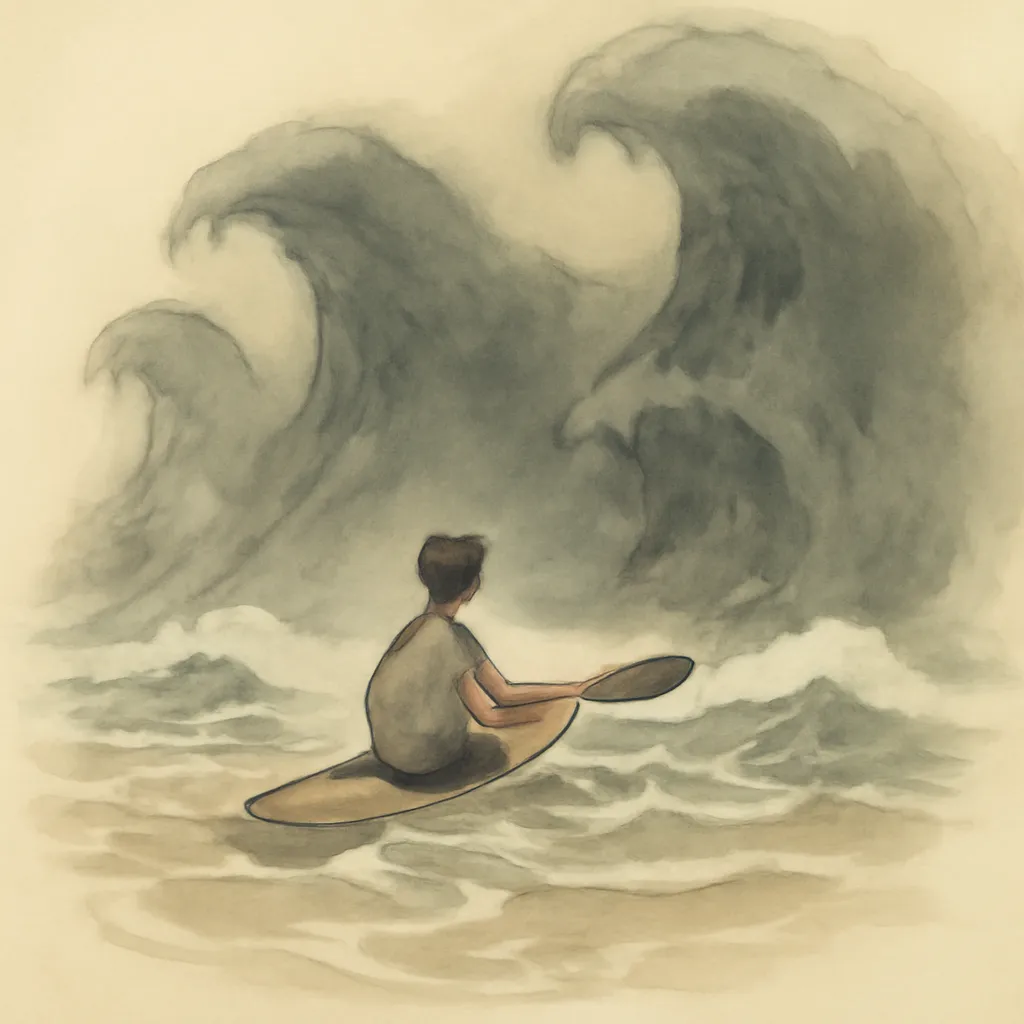
The memoir traces Finnegan's evolution from a boy in Hawaii to a restless young man seeking meaning and belonging. The ocean becomes his crucible, where he tests himself against nature and his own fears. Surfing's dangers and demands serve as metaphors for the broader challenges of growing up, navigating identity, and confronting mortality. The coming-of-age story is both literal and symbolic, resonating with anyone who has sought transformation through a chosen discipline.
3.The Search for the Perfect Wave—and Self
Finnegan's global surf odyssey—from Hawaii to California, Australia, Fiji, South Africa, and beyond—mirrors an internal quest for purpose and understanding. Each new wave and locale brings encounters with different cultures, histories, and personal revelations. The pursuit of the 'perfect wave' becomes a metaphor for the elusive nature of fulfillment, suggesting that the journey itself, with all its uncertainty and risk, is what ultimately matters.
4.Surf Culture: Outsider and Insider
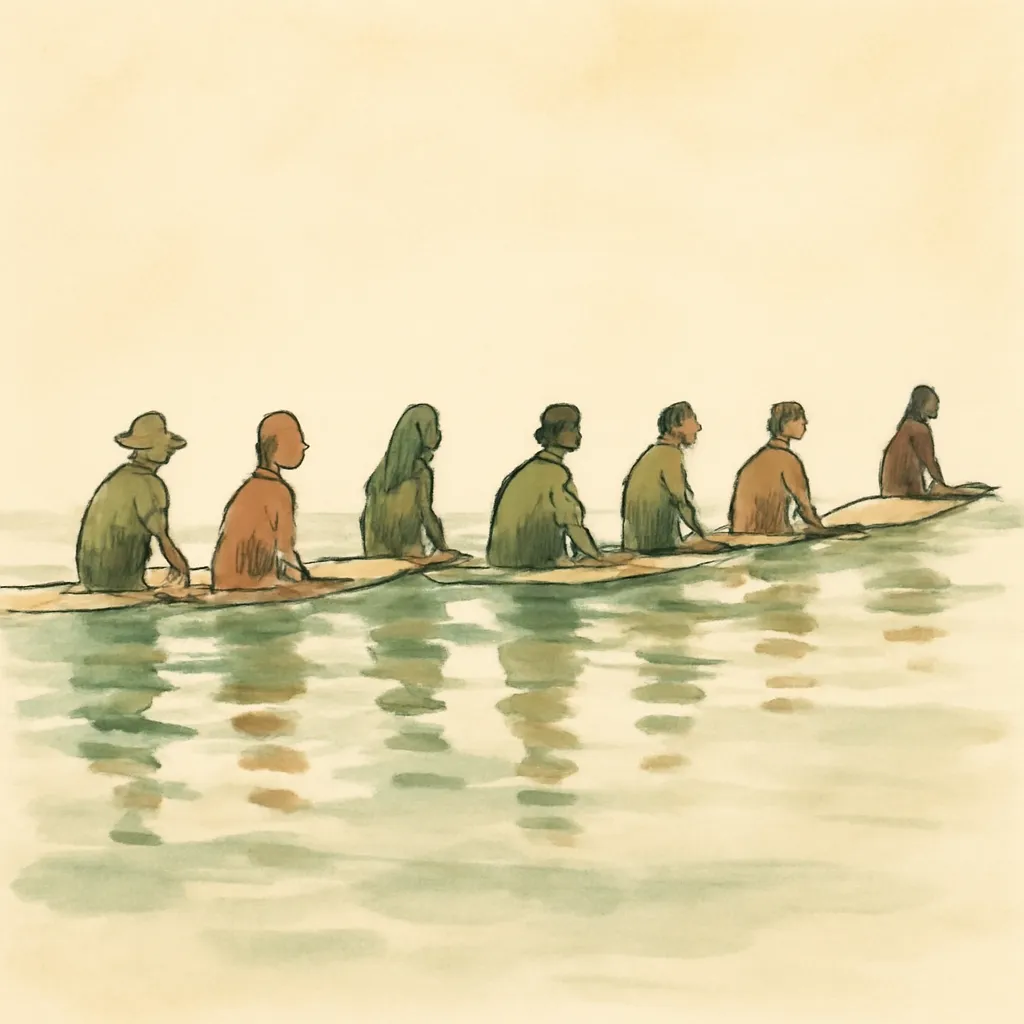
Barbarian Days offers a nuanced portrait of surf culture, both its camaraderie and its insularity. Finnegan examines the codes, hierarchies, and unspoken rules that govern lineups around the world. He is both participant and observer, able to critique the machismo, territorialism, and sometimes destructive escapism that pervade surfing communities. The book thus serves as both an insider’s love letter and a critical social history.
5.Nature’s Power and Human Vulnerability
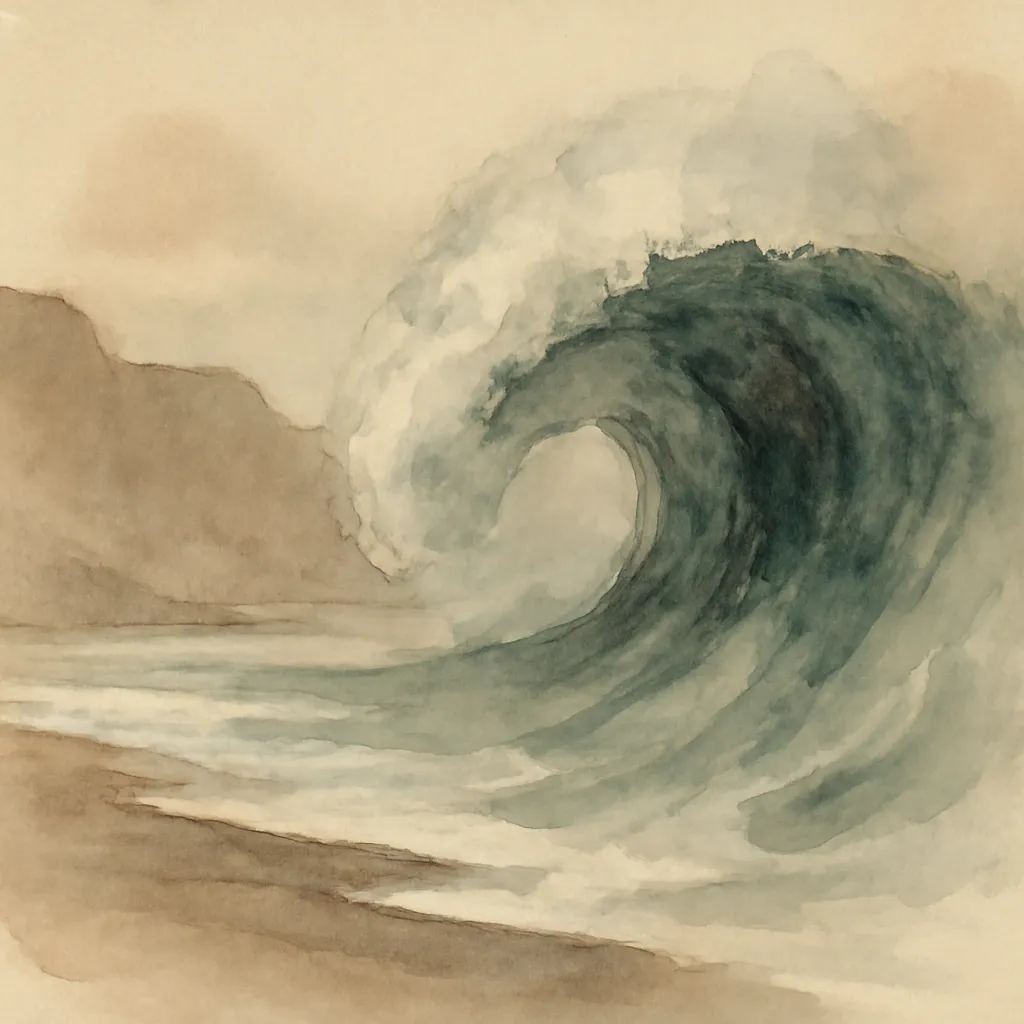
Throughout the memoir, the ocean is a character in its own right—beautiful, dangerous, and indifferent. Finnegan’s vivid descriptions of waves and wipeouts highlight both the sublime and the terrifying aspects of nature. The book grapples with the limits of human control and the necessity of humility in the face of forces far greater than ourselves. This theme resonates beyond surfing, touching on broader questions of risk, resilience, and awe.
6.Surfing as a Form of Storytelling
Finnegan’s writing elevates surfing to the level of literature, using language to capture the ineffable sensations and meanings of life in the water. He reflects on the difficulty of conveying the surfer’s experience to outsiders, and the ways in which stories—told and retold in surf culture—help shape identity and memory. The memoir itself becomes an act of translation, bridging the gap between personal obsession and universal experience.