1.Reinventing the Origin
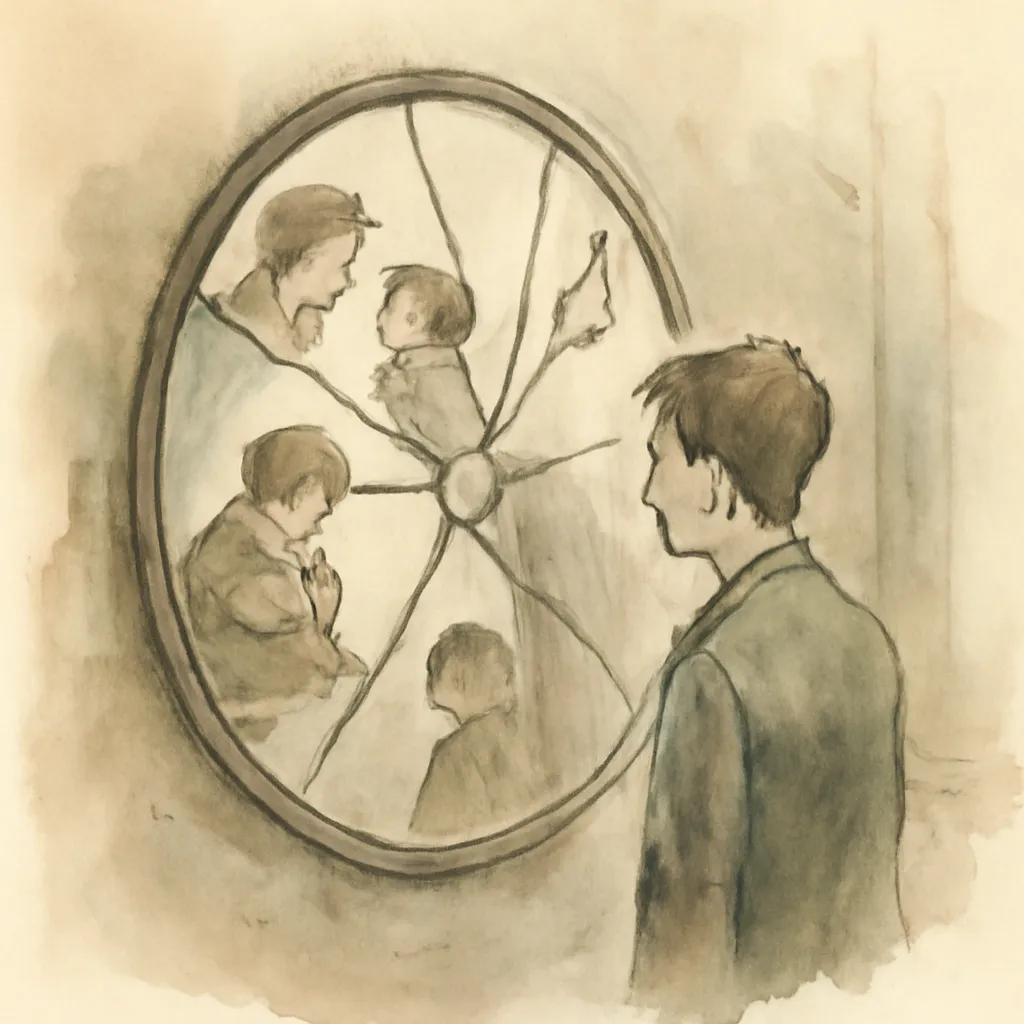
Frank Miller’s 'Year One' redefines Batman’s beginnings, stripping away the mythic invincibility and focusing on Bruce Wayne’s vulnerability, mistakes, and learning curve. Rather than a flawless hero, we see a young man struggling to channel his trauma and ideals into effective action. The narrative grounds Batman in a corrupt, dangerous Gotham, making his journey feel urgent and plausible. This approach revitalized the character for a new generation, emphasizing that heroism is forged through pain, doubt, and perseverance.
2.Parallel Journeys: Batman and Gordon
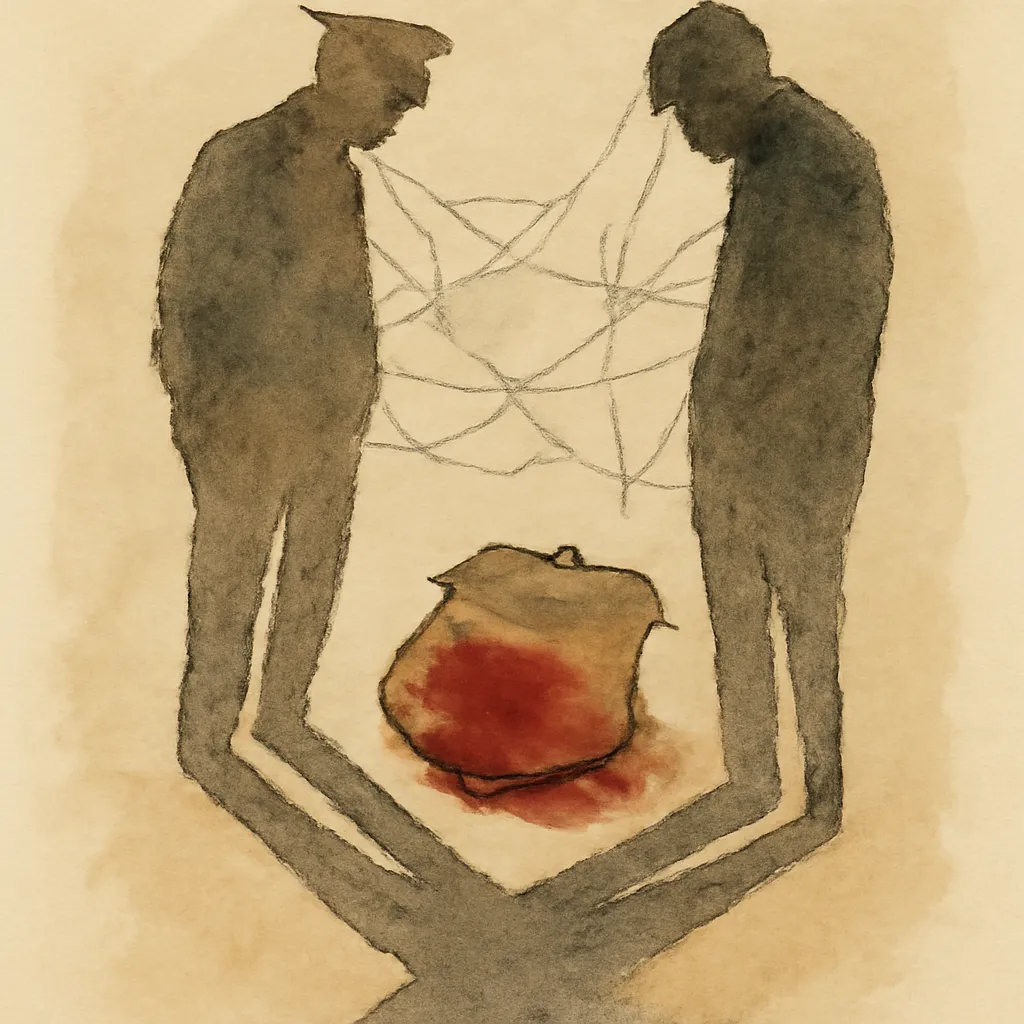
The story is as much about Jim Gordon as it is about Batman. Gordon, newly transferred to Gotham, faces his own moral dilemmas amid police corruption and personal crises. His struggle to maintain integrity in a broken system mirrors Bruce Wayne’s fight against crime. Their parallel narratives converge, highlighting the necessity of allies and the complex interplay between law, order, and vigilantism. This dual focus deepens the emotional stakes and humanizes both men.
3.Gotham as a Character
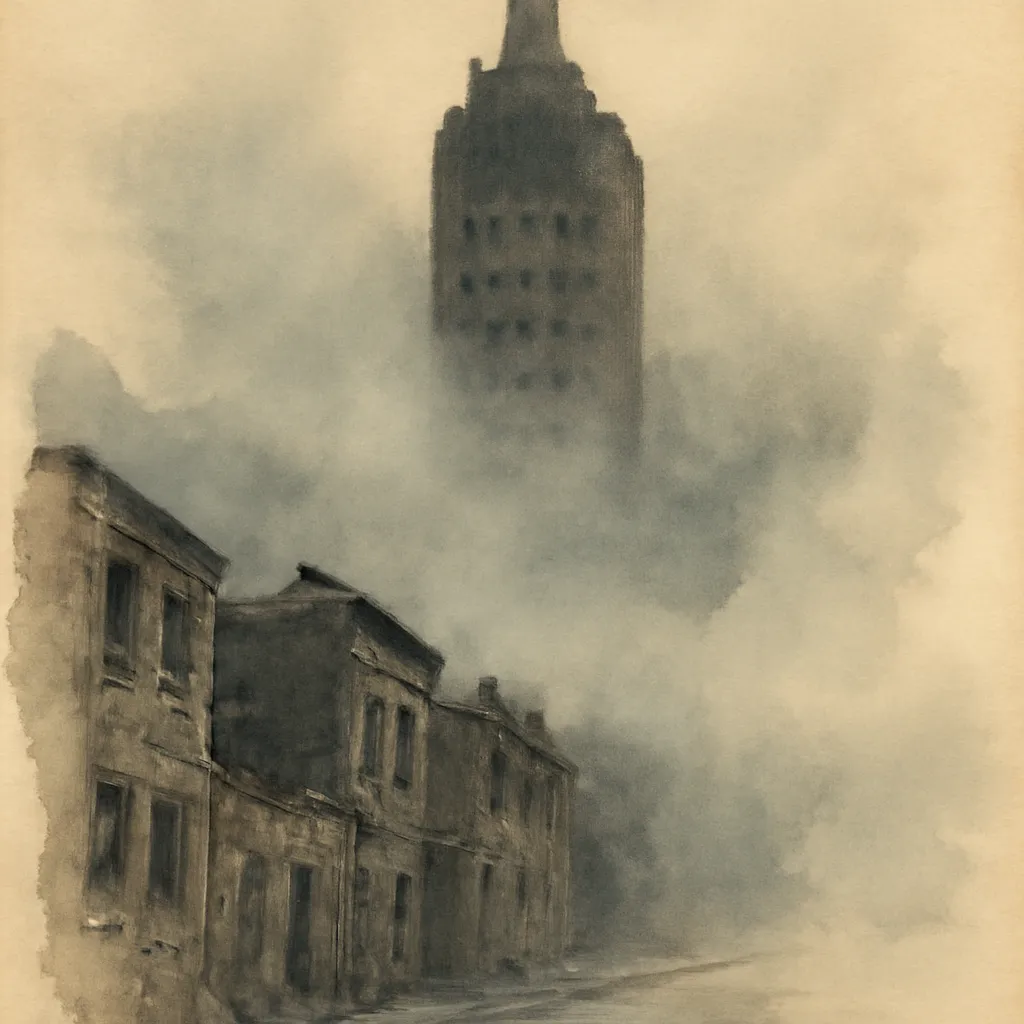
Gotham City is not just a backdrop but a living, breathing entity—decayed, violent, and almost sentient in its hostility. Miller and artist David Mazzucchelli depict the city with noir sensibilities, using shadow and grit to evoke a sense of claustrophobia and despair. This atmosphere amplifies the stakes for both Batman and Gordon, making every small victory feel hard-won and every setback more crushing. Gotham’s corruption is the crucible that shapes its heroes.
4.The Cost of Vigilantism
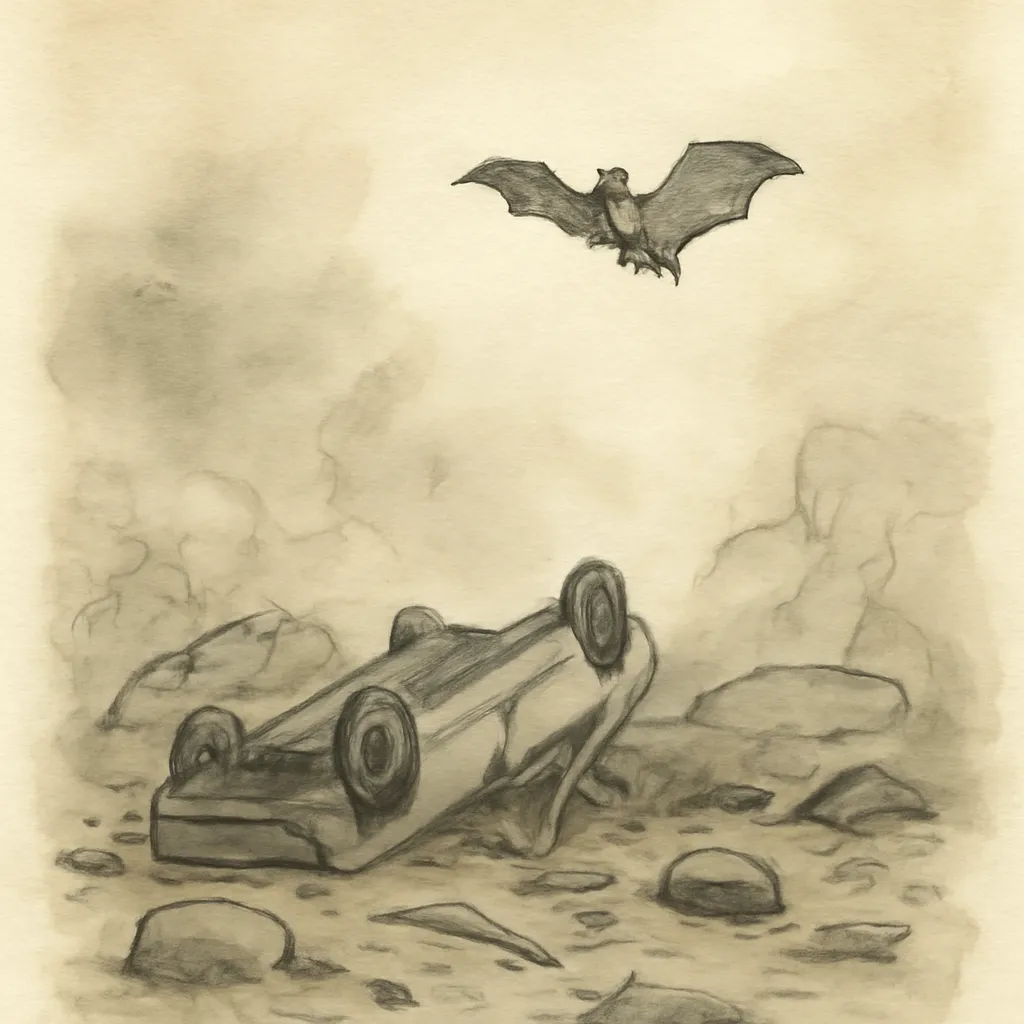
Year One interrogates the ethics and consequences of Batman’s methods. Bruce Wayne’s crusade is shown to be both inspiring and deeply disruptive, provoking violent responses from criminals and police alike. The story doesn’t shy away from the collateral damage and moral ambiguity inherent in vigilantism, prompting readers to question where justice ends and obsession begins. This nuanced portrayal complicates the myth of the superhero, grounding it in real-world dilemmas.
5.Legacy and Influence
This book’s influence on later Batman stories—and the broader superhero genre—is profound. Its realistic tone, psychological depth, and focus on flawed protagonists set the template for countless adaptations, from comics to film. Year One’s emphasis on character-driven storytelling and urban realism helped shift superhero narratives away from camp and toward mature, complex themes. It’s essential reading for understanding modern Batman and the evolution of comics as a serious art form.