1.The 'Tiger Mother' Approach
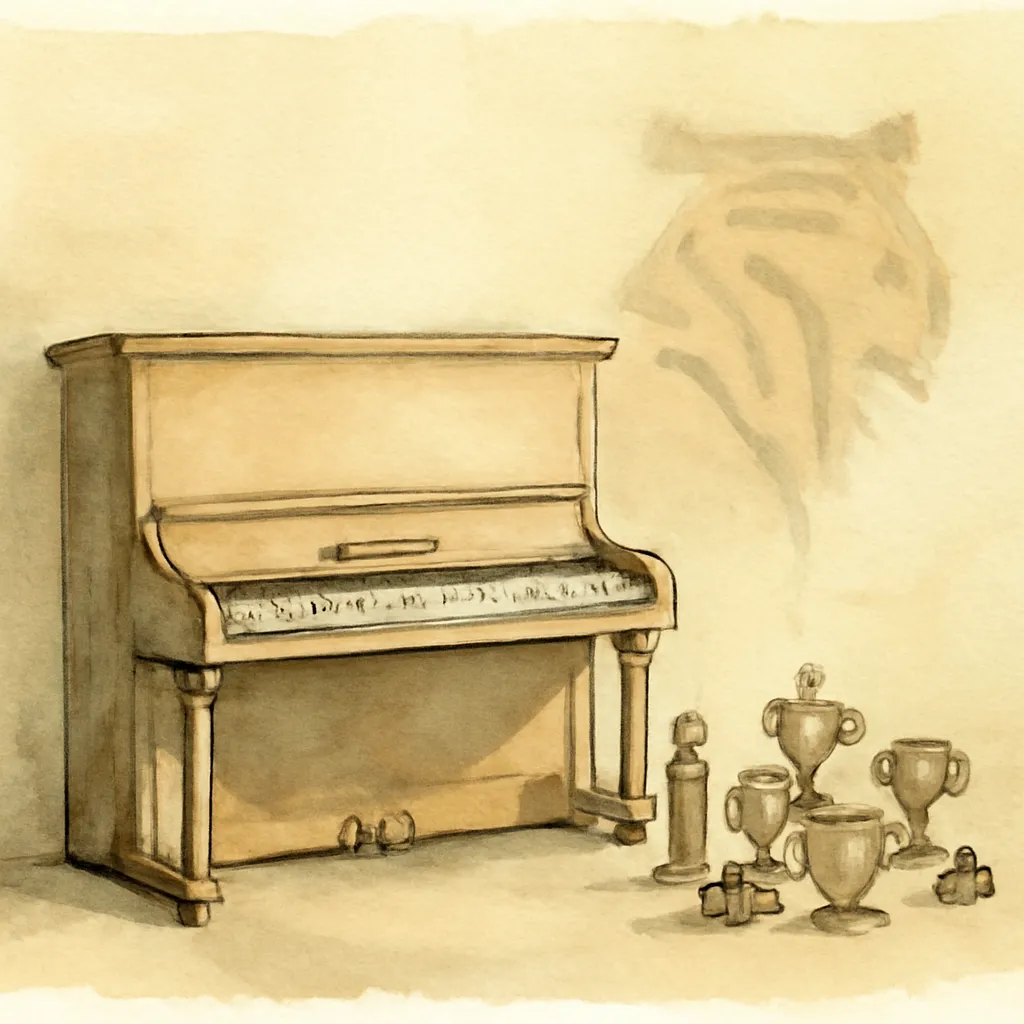
Amy Chua’s memoir centers on her adoption of what she terms the 'Chinese' parenting style—marked by high expectations, discipline, and an emphasis on academic and musical excellence. Chua contrasts this with what she sees as a more permissive Western approach. Through strict rules and relentless practice schedules, she aims to cultivate resilience and mastery in her daughters. The book explores both the successes and the emotional toll of this method, raising questions about the line between parental support and coercion.
2.Clash of Cultures
A major theme is the cultural tension between Chua’s Chinese heritage and the American environment in which her daughters are raised. The memoir examines how these two worlds collide, especially as her younger daughter, Lulu, rebels against her mother’s uncompromising demands. Chua’s struggle to reconcile her upbringing with her daughters’ individuality highlights the complexities of immigrant identity and assimilation.
3.Redefining Success
Chua’s story interrogates what it means to be successful. Is it about external achievements—grades, trophies, prestige—or about happiness and self-fulfillment? The memoir does not offer easy answers but instead invites readers to reflect on the costs of single-minded ambition. Chua herself is forced to reconsider her definitions of success as her relationship with Lulu reaches a breaking point.
4.Parental Love and Sacrifice
Despite her harsh methods, Chua insists her approach is rooted in deep love and a belief in her children’s potential. The narrative delves into the sacrifices parents make, the pain of conflict, and the vulnerability behind strict facades. Chua’s willingness to expose her own doubts and failures adds nuance, showing that even the most confident parents question their choices.
5.Humility and Transformation
The memoir is ultimately a story of humility. Chua’s journey forces her to confront her own limitations and the unpredictability of raising children. The climactic conflict with Lulu becomes a turning point, leading to self-reflection and a softening of her rigid stance. The book suggests that parenting is as much about learning and adapting as it is about teaching.
6.The Power and Limits of Discipline
Chua’s experience demonstrates both the power of discipline to unlock potential and its potential to alienate. While her methods yield impressive results, they also provoke resistance and emotional distance. The book invites readers to consider where discipline ends and autonomy begins, and whether excellence is worth the price.