1.The Burden of War
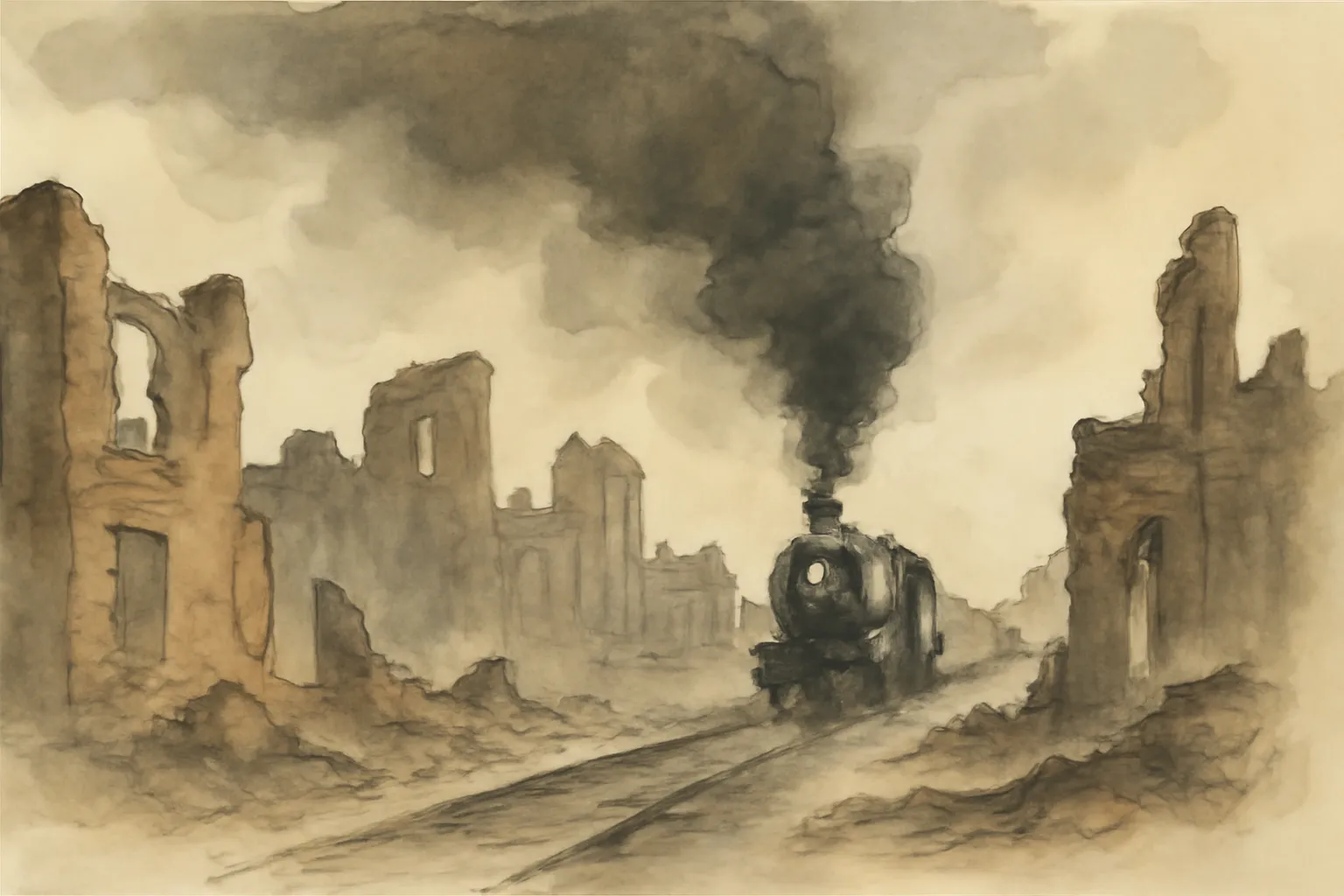
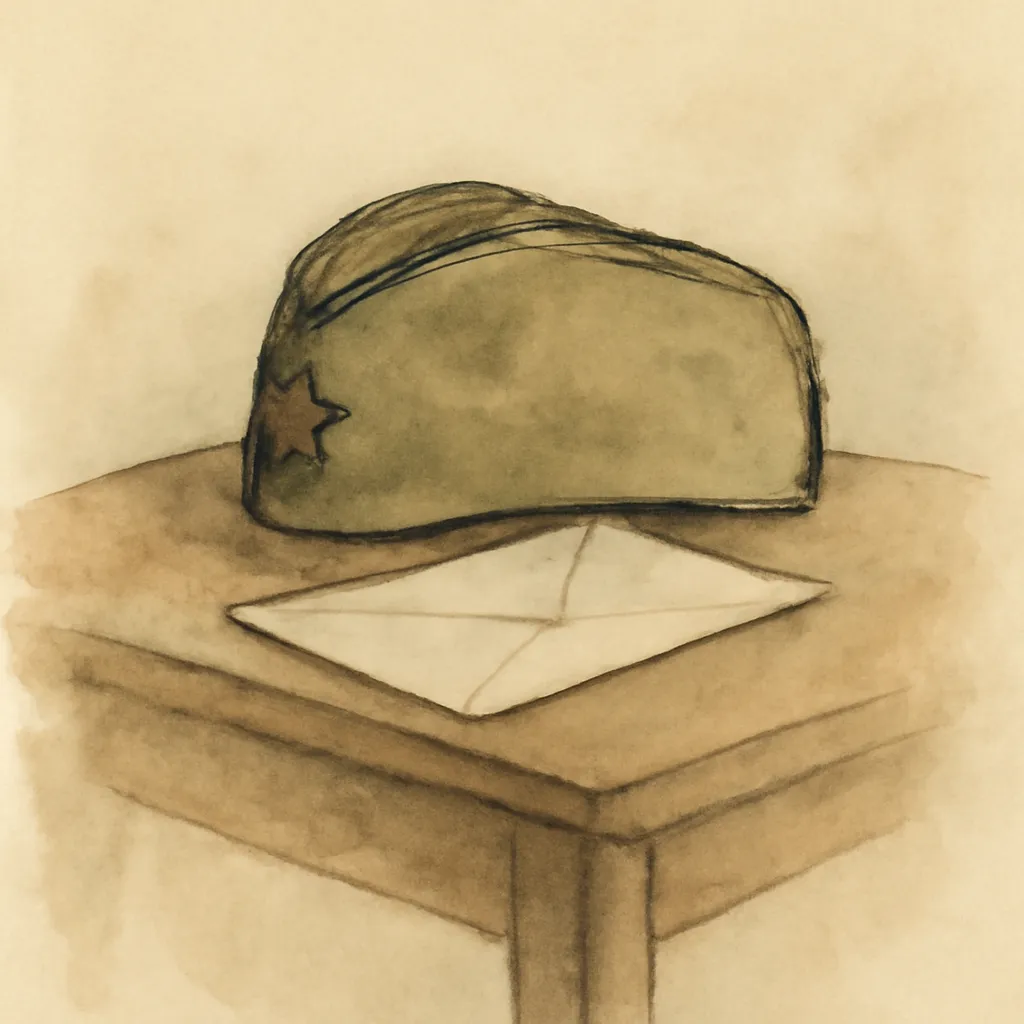
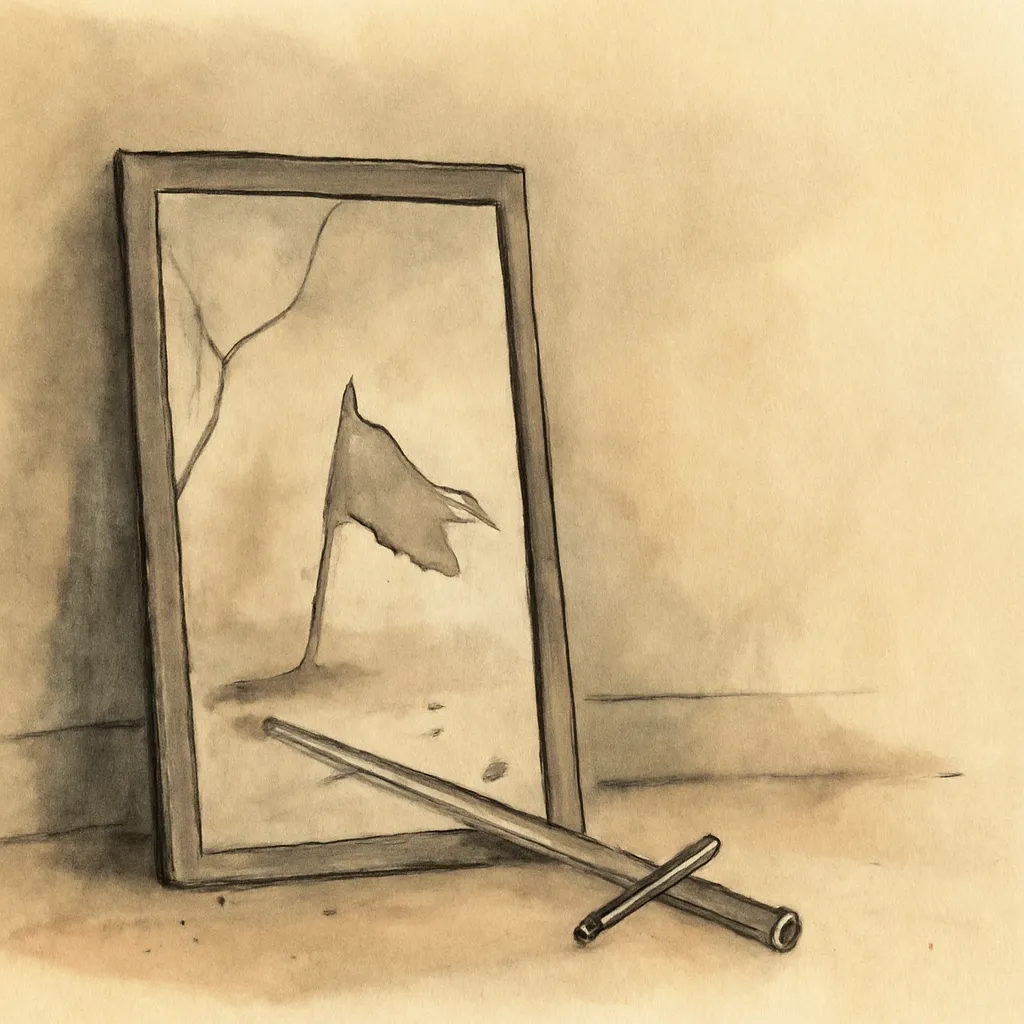
Captain Robert Prescott embodies the youthful spirit and resilience of soldiers during the Civil War, yet he also carries the physical and emotional scars of battle. When he boards the train to Richmond, the narrative captures both his excitement for returning home and the weight of his experiences in war. Prescott's injuries serve as a constant reminder of the harsh realities of conflict, illustrating how war affects not only the body but also the psyche. His initial joy is tempered by the somber landscape outside, reflecting the broader devastation wrought by the Civil War. As he interacts with other passengers, the diversity of their backgrounds highlights the collective trauma experienced by soldiers, civilians, and families alike, underscoring that war is a shared burden that impacts all layers of society.
2.The Complexity of Female Characters
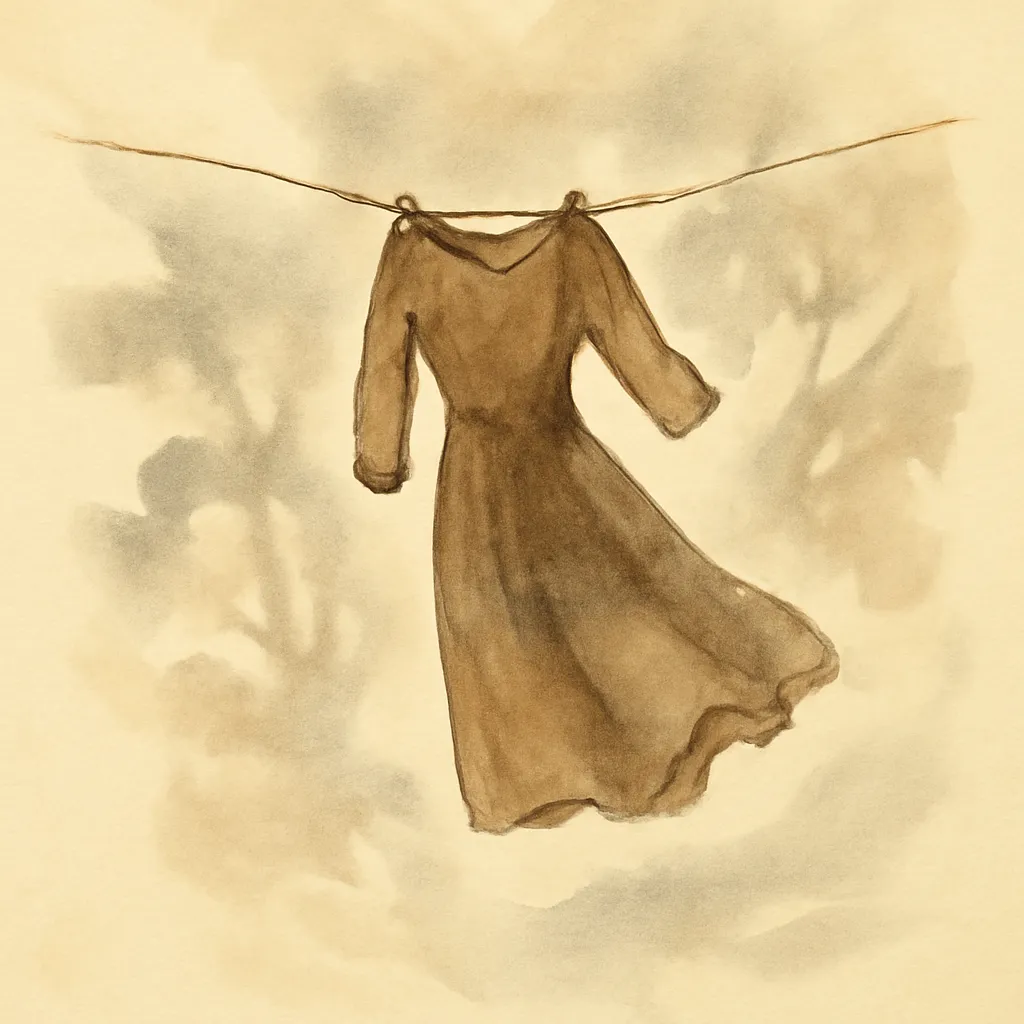
The novel introduces significant female characters, particularly the mysterious woman in brown and Prescott's mother, each representing different facets of womanhood during the war. The woman in brown intrigues Prescott, yet her reserved nature raises questions about her background and intentions, hinting at the often-overlooked roles women played during the Civil War. In contrast, Prescott's mother embodies nurturing strength, welcoming her son back from battle while also reflecting the anxieties of a mother who has lost many sons to the war. Their interactions reveal the emotional labor women undertake, balancing their roles as caregivers with the harsh realities of a nation in turmoil. The contrast between these two characters illustrates the multifaceted experiences of women during this era, challenging traditional gender roles and highlighting their resilience in the face of adversity.
3.The Role of Politics in Personal Lives
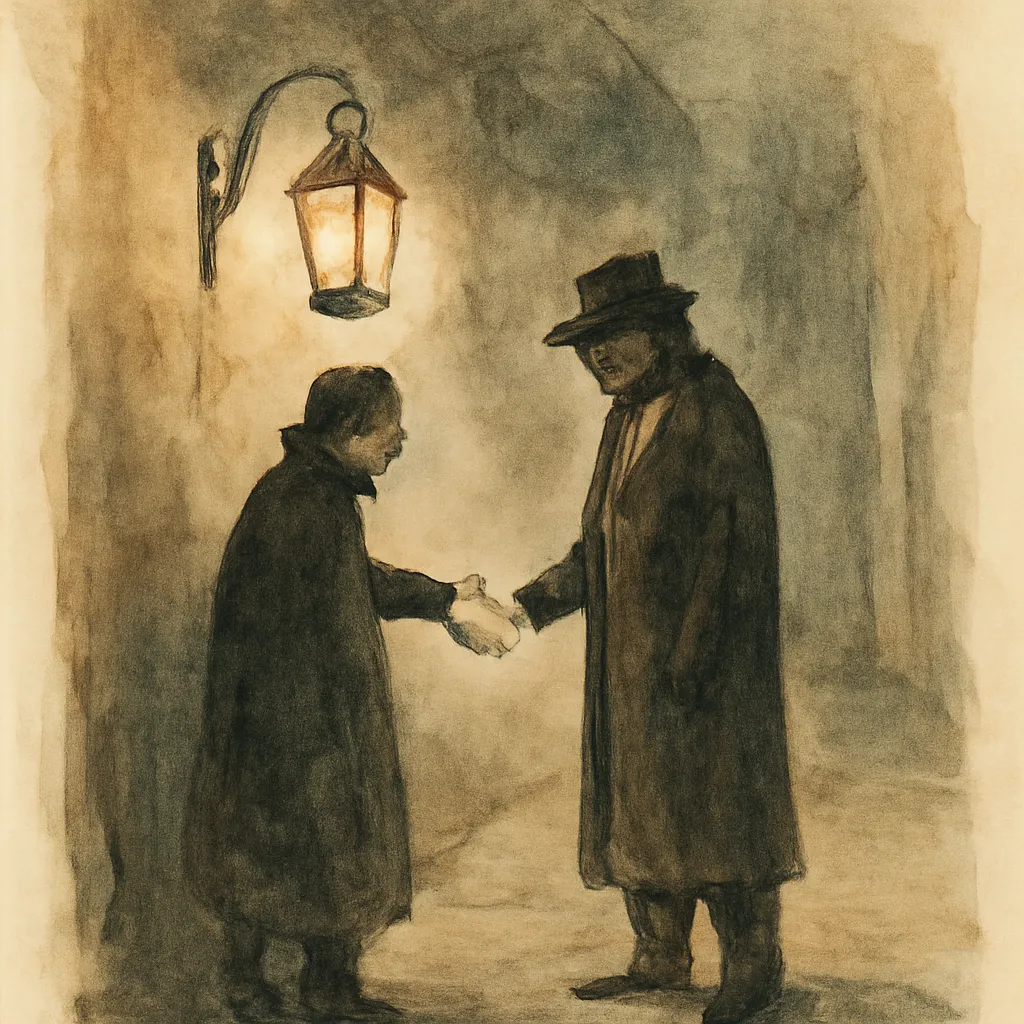
As Prescott navigates Richmond, he encounters the political undercurrents that shape the lives of its citizens. His meeting with Mr. Sefton, a shadowy figure in the Confederate government, reveals the intricate web of power and influence operating behind the scenes. Sefton's character embodies the complexities of political ambition, suggesting that personal loyalties often clash with broader political goals. Prescott's role as a staff officer places him at the intersection of military and political affairs, forcing him to reconcile his personal values with the demands of duty. This theme of political influence permeates the narrative, illustrating how the war's outcomes are not solely determined on the battlefield but are also shaped by the decisions made in government offices, affecting individuals like Prescott in profound ways.
4.The Search for Truth
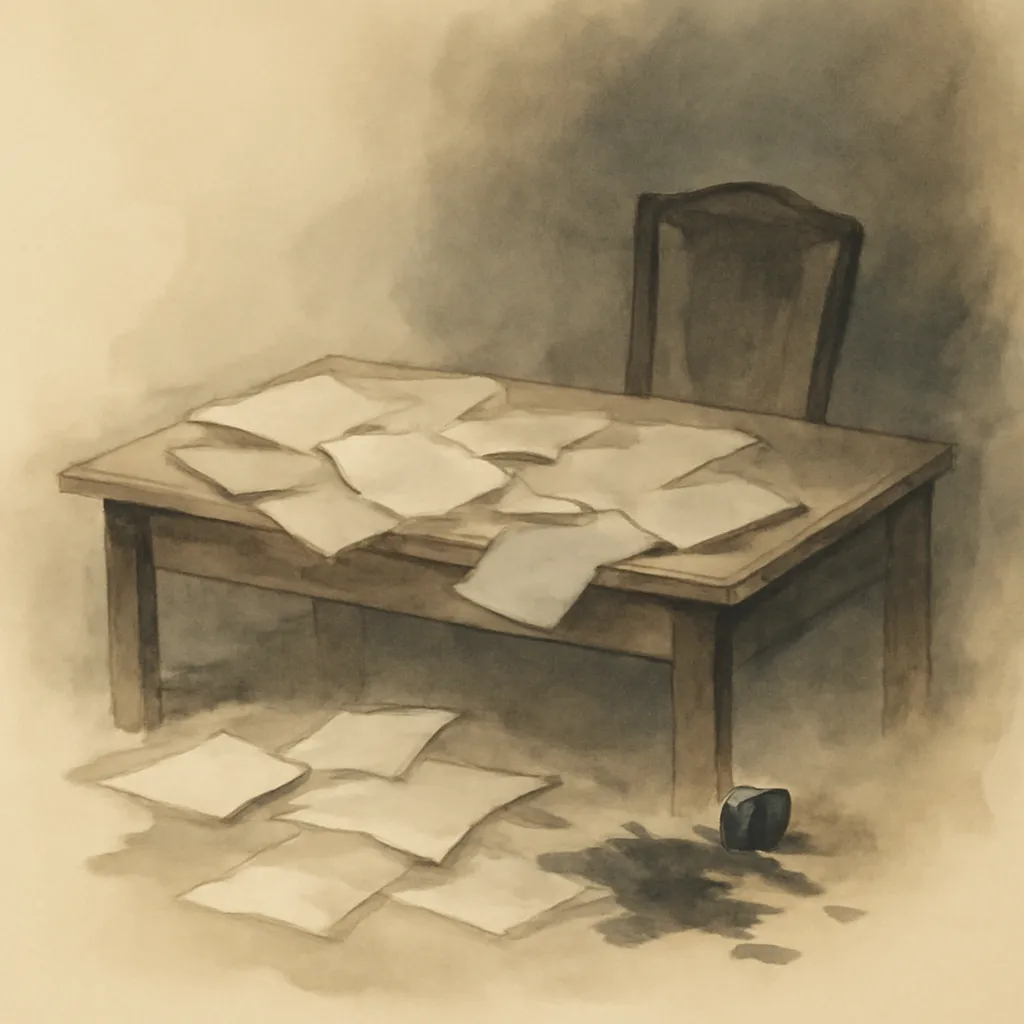
The theft of important documents from the President's office serves as a catalyst for intrigue and investigation within the story. Prescott's instinct to pursue the truth behind the theft highlights the theme of loyalty versus betrayal, as he grapples with suspicions of espionage in a time of war. The narrative emphasizes the significance of information and its control, demonstrating how knowledge can be both a weapon and a shield. Prescott's determination to uncover the identity of the thief reveals his commitment to justice and honor, even as he faces moral ambiguities. This pursuit of truth not only drives the plot forward but also serves as a metaphor for the broader quest for understanding in a divided nation, where loyalties are constantly tested and the line between right and wrong becomes increasingly blurred.
5.Romance Amidst Chaos
Prescott's budding romance with Helen Harley offers a glimpse of hope and normalcy amid the chaos of war. Their interactions are marked by a shared understanding of the burdens they both bear due to the conflict, creating a bond that transcends the immediate dangers surrounding them. The romantic subplot serves to humanize Prescott, allowing readers to see him not just as a soldier but as a man seeking connection and love. However, the war looms large over their relationship, creating tension as they navigate their feelings amidst the backdrop of impending danger. This dynamic illustrates how love can flourish even in the darkest of times, offering solace and motivation for individuals facing overwhelming challenges. The interplay between romance and war highlights the complexity of human emotions in times of crisis, suggesting that hope can persist even when the future seems bleak.
6.The Dichotomy of Duty and Desire
Throughout the novel, Prescott grapples with the tension between his duties as a soldier and his personal desires, especially in relation to his mother and Helen. His mother represents the domestic sphere, embodying the protective and nurturing aspects of home life that he longs for after enduring the horrors of war. Conversely, Helen symbolizes the romantic and emotional fulfillment he seeks amidst the chaos. This dichotomy creates internal conflict for Prescott as he strives to fulfill his obligations to his country while yearning for personal happiness. The struggle to balance these competing desires reflects the broader theme of sacrifice inherent in wartime, where individuals must often choose between their personal aspirations and the demands of duty. Prescott's journey illustrates the painful choices faced by many during the war, revealing how personal sacrifice is woven into the fabric of national loyalty.
7.The Nature of Heroism
The novel explores different interpretations of heroism through its characters, particularly Prescott and Sefton. Prescott's actions, driven by a sense of honor and loyalty, reflect a traditional view of heroism rooted in bravery and self-sacrifice. In contrast, Sefton's character raises questions about the nature of heroism in a political context, where ambition and manipulation can overshadow genuine valor. This juxtaposition invites readers to reconsider what it means to be a hero in times of war, suggesting that heroism can take many forms, not all of which are noble. Prescott's journey ultimately leads him to define heroism on his own terms, emphasizing personal integrity and moral courage over societal expectations. The exploration of heroism serves as a commentary on the complexities of human behavior in crises, revealing that true heroism often lies in the choices individuals make when faced with difficult decisions.
8.The Consequences of Betrayal
Betrayal emerges as a significant theme in the narrative, particularly in relation to the theft of documents and the ensuing suspicions surrounding characters. Prescott's investigation into the theft reveals the fragility of trust in a time of war, where alliances can shift rapidly, and individuals may be compelled to act against their own interests. The consequences of betrayal extend beyond personal relationships, affecting the broader political landscape and the morale of the soldiers. As Prescott navigates the implications of betrayal, he is forced to confront the reality that loyalty is often tested in times of conflict. This theme underscores the emotional toll of war, illustrating how betrayal can lead to feelings of isolation and despair. Ultimately, the narrative suggests that the scars of betrayal linger long after the physical battles have ceased, shaping the lives of individuals and the course of history.
9.The Impact of War on Society
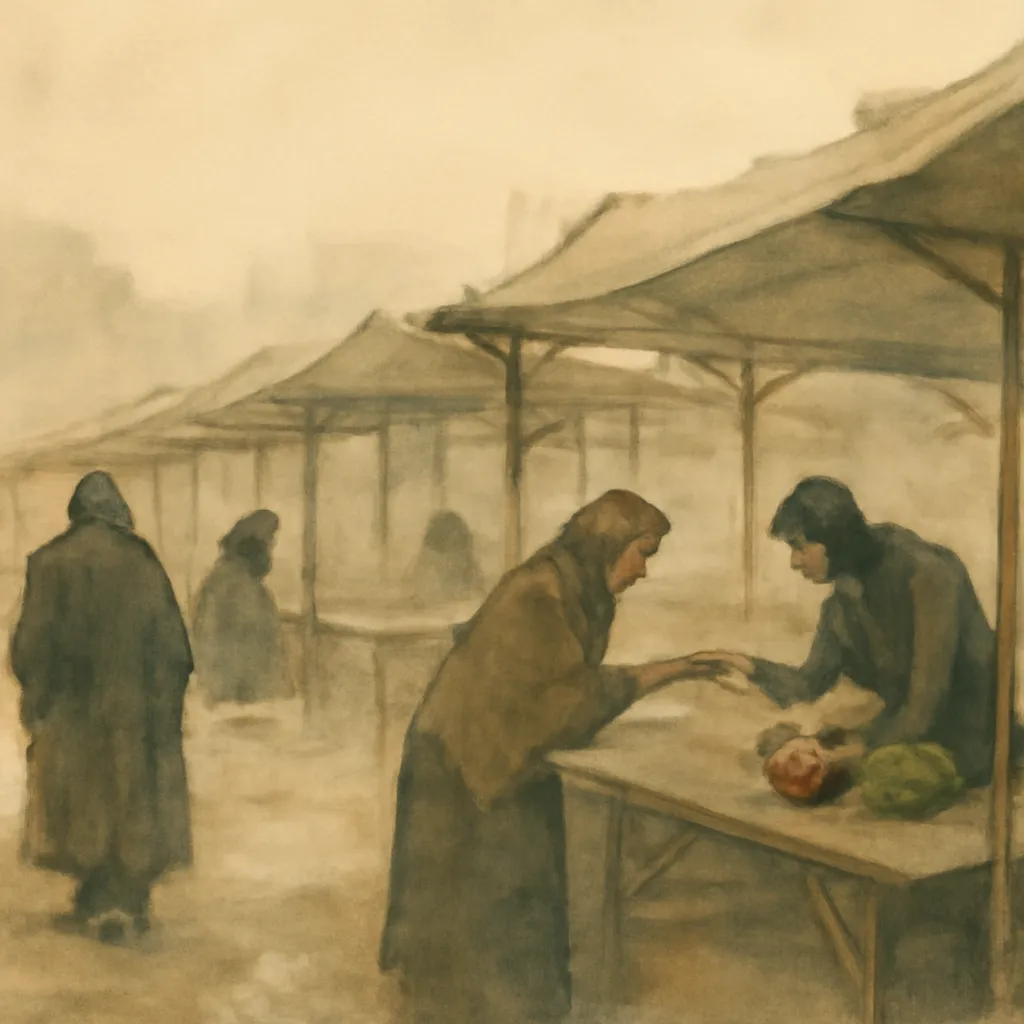
The setting of Richmond serves as a microcosm for the broader societal changes wrought by the Civil War. The novel depicts the struggles of civilians as they contend with shortages, fear, and uncertainty in their daily lives. The rising prices of food and the declining morale of the populace illustrate the war's far-reaching consequences beyond the battlefield. Altsheler paints a vivid picture of a city on the brink of collapse, where the weight of war affects every individual, from soldiers to civilians. The interactions among characters reflect the shared anxieties and hopes of a society grappling with the reality of its situation. This portrayal emphasizes that the impacts of war are not confined to soldiers alone but resonate throughout communities, altering relationships, values, and priorities. By exploring the societal ramifications of war, the narrative deepens readers' understanding of the human experience during this tumultuous period.
10.The Role of Fate and Free Will
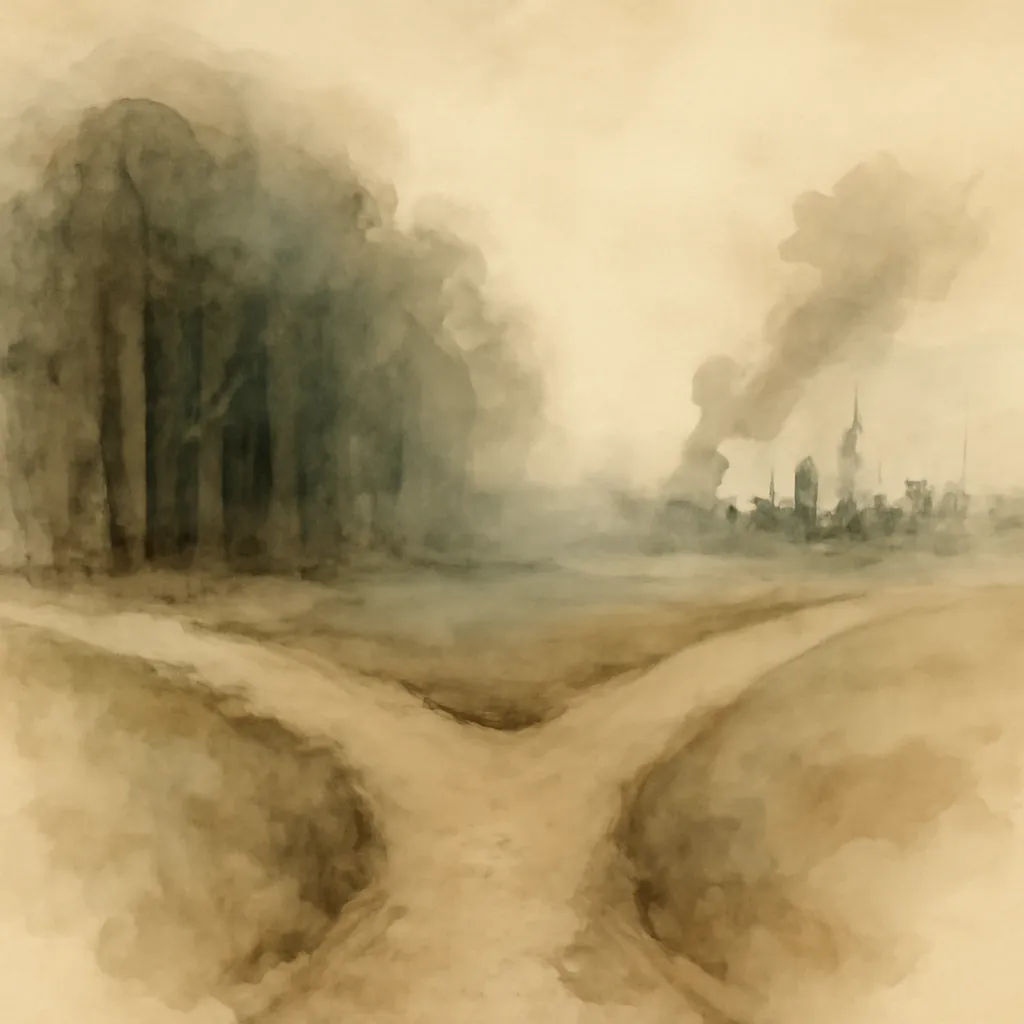
Throughout the novel, characters grapple with the interplay between fate and free will, particularly in the context of their choices during the war. Prescott's journey is marked by moments where he must decide between following his instincts or adhering to the expectations placed upon him by society and duty. The narrative suggests that while individuals have the power to make choices, they are often constrained by circumstances beyond their control, such as the war itself. This tension raises questions about the nature of destiny and whether individuals can truly shape their paths in the face of overwhelming forces. Prescott's eventual decisions reflect a growing awareness of his agency, even as he navigates a world where fate seems to dictate the course of events. By exploring this philosophical theme, the novel invites readers to reflect on the complexities of human existence, emphasizing that while we may not control our circumstances, we can determine how we respond to them.