1.Challenging Rationality
Cartwright begins by questioning the classical economic assumption that humans are always rational and self-interested. Instead, he shows that people are prone to biases, errors, and social influences that systematically affect their choices. By drawing on experimental evidence, the book demonstrates that real-world decision-making often deviates from the idealized models, fundamentally reshaping how economists understand behavior.
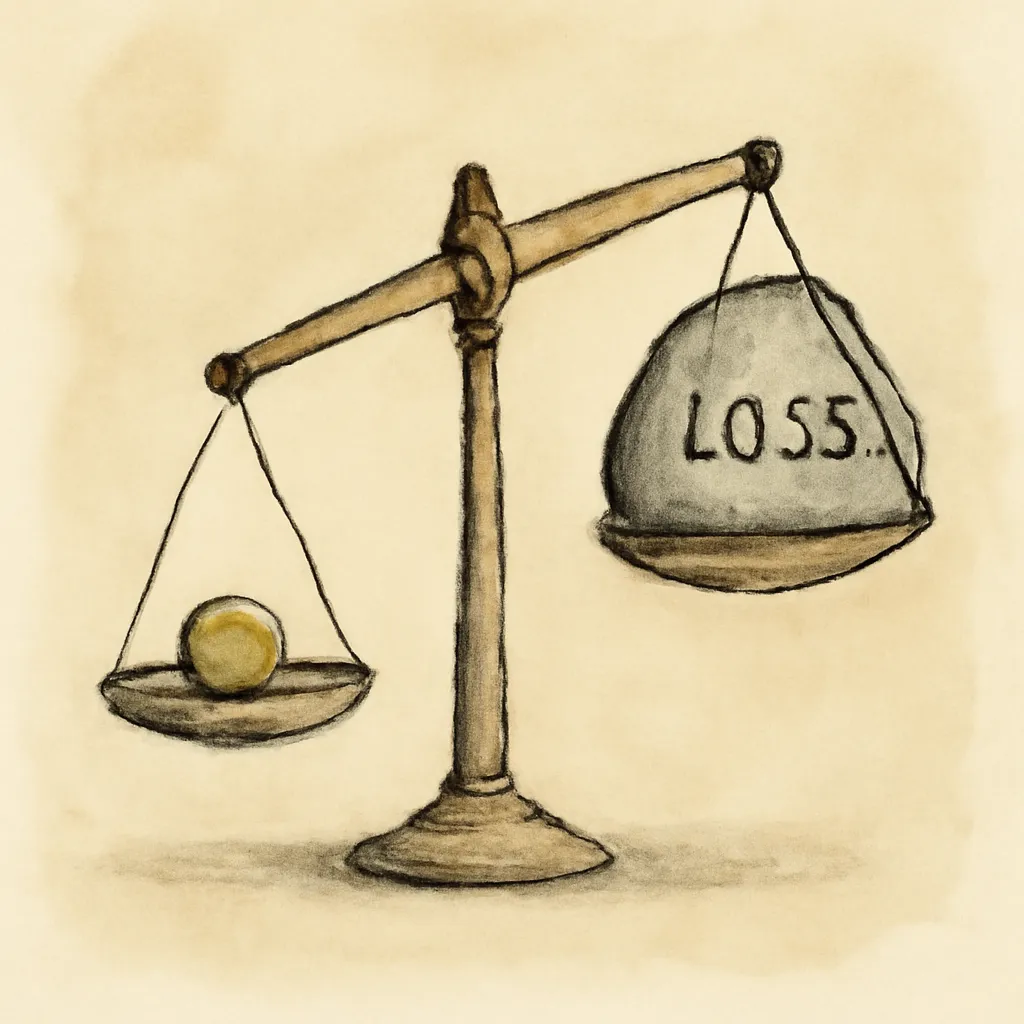
2.Prospect Theory and Loss Aversion
A cornerstone of behavioral economics, prospect theory, is explained in detail. Cartwright illustrates how people perceive gains and losses asymmetrically: losses feel more painful than equivalent gains feel pleasurable. This insight helps explain phenomena like risk aversion, why people hold losing stocks too long, and the emotional impact of financial setbacks.
3.Mental Accounting
The concept of mental accounting reveals how people compartmentalize money into different 'accounts' in their minds, often leading to inconsistent or suboptimal financial decisions. Cartwright uses everyday examples—like treating a tax refund differently from a paycheck—to show how this mental bookkeeping shapes spending, saving, and investing behavior.
4.Present Bias and Self-Control
Cartwright explores why people often make choices that favor immediate gratification over long-term benefits, a tendency known as present bias. He discusses the implications for saving, health, and addiction, and introduces the idea of 'nudges'—small interventions that help people make better decisions without restricting their freedom.
5.Social Preferences and Fairness
Moving beyond self-interest, the book examines how concerns for fairness, reciprocity, and inequality influence economic behavior. Cartwright presents evidence from experiments like the ultimatum game to show that people will sacrifice personal gain to punish unfairness, challenging the notion of purely self-interested agents.
6.Applications to Real-World Problems
Throughout the book, Cartwright applies behavioral insights to practical issues: why auctions sometimes produce irrational bidding wars, how framing affects charitable giving, and what drives market bubbles and crashes. These applications make the theory tangible and demonstrate the field’s relevance to everyday life and policy design.