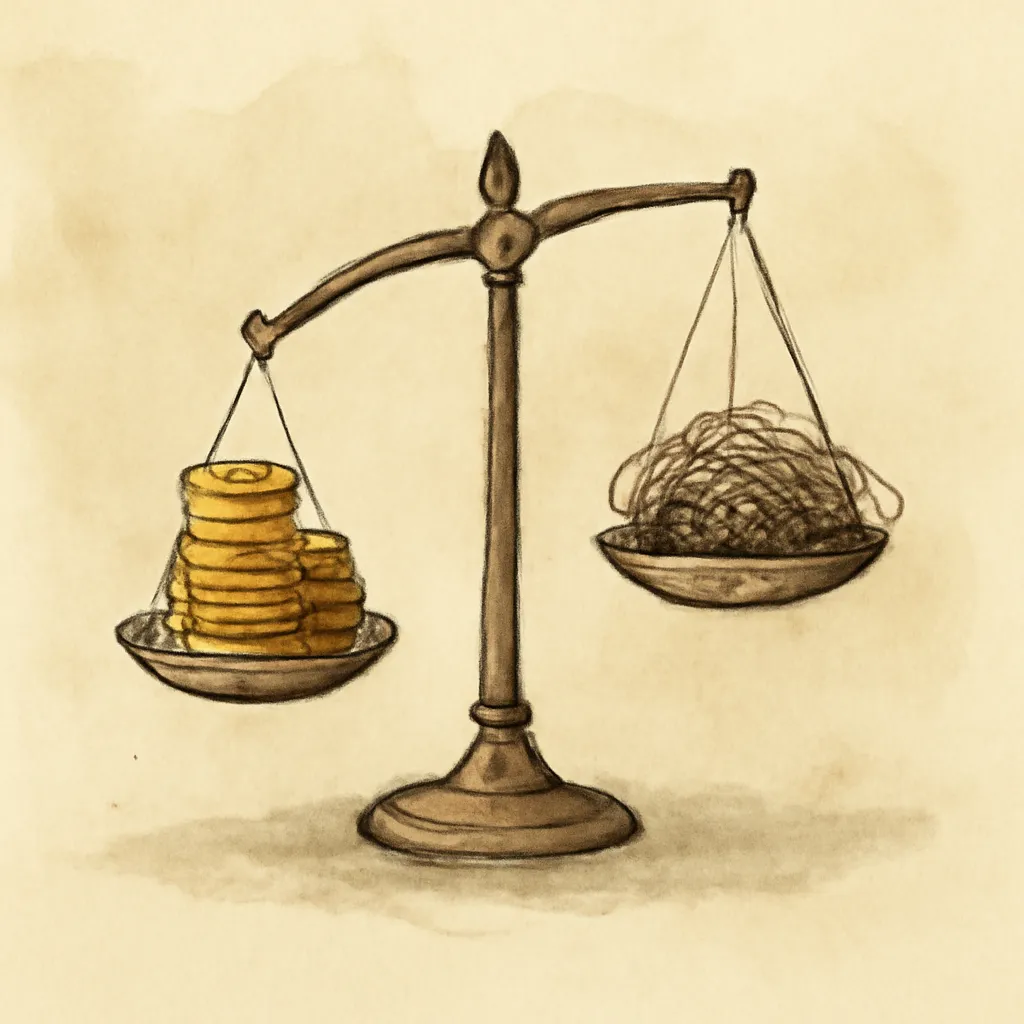
1.Beyond Rationality: People Aren't Perfect Calculators
A central theme of the book is the challenge to classical economics' assumption that people always act rationally to maximize their self-interest. Altman explains that real-world decisions are often shaped by emotions, habits, and cognitive shortcuts, leading us to choices that deviate from what traditional models would predict. Understanding these deviations helps explain why people overspend, under-save, or make inconsistent choices.
2.The Power of Heuristics and Biases
The book delves into the mental shortcuts—heuristics—and systematic errors—biases—that influence our economic decisions. Examples like the anchoring effect, loss aversion, and overconfidence illustrate how these psychological tendencies can lead to suboptimal financial outcomes. Recognizing these patterns is the first step toward mitigating their negative impact.
3.Social Influences and Herd Behavior
Altman emphasizes how our decisions are rarely made in isolation. Social norms, peer pressure, and the desire to conform can significantly sway our choices, from what we buy to how we invest. The book explores phenomena like herd behavior in markets, demonstrating how collective irrationality can lead to bubbles and crashes.
4.Framing and Context Matter
How information is presented—the 'frame'—can dramatically change our decisions. The book illustrates with examples how the same choice can be perceived differently depending on wording, context, or the presence of irrelevant alternatives. This insight is crucial for marketers, policymakers, and anyone aiming to influence decision-making.
5.Nudges and Choice Architecture
Building on behavioral economics research, Altman discusses how small changes in the way choices are structured—'nudges'—can guide people toward better decisions without restricting freedom. Examples include default options for retirement savings or organ donation, showing the practical applications of behavioral insights.
6.Practical Applications for Individuals and Organizations
The book doesn't just explain theory; it offers actionable advice for individuals seeking to improve their financial habits, for businesses aiming to understand consumer behavior, and for policymakers designing effective interventions. Altman connects the dots between academic research and real-world impact.