1.Challenging Rational Actor Models
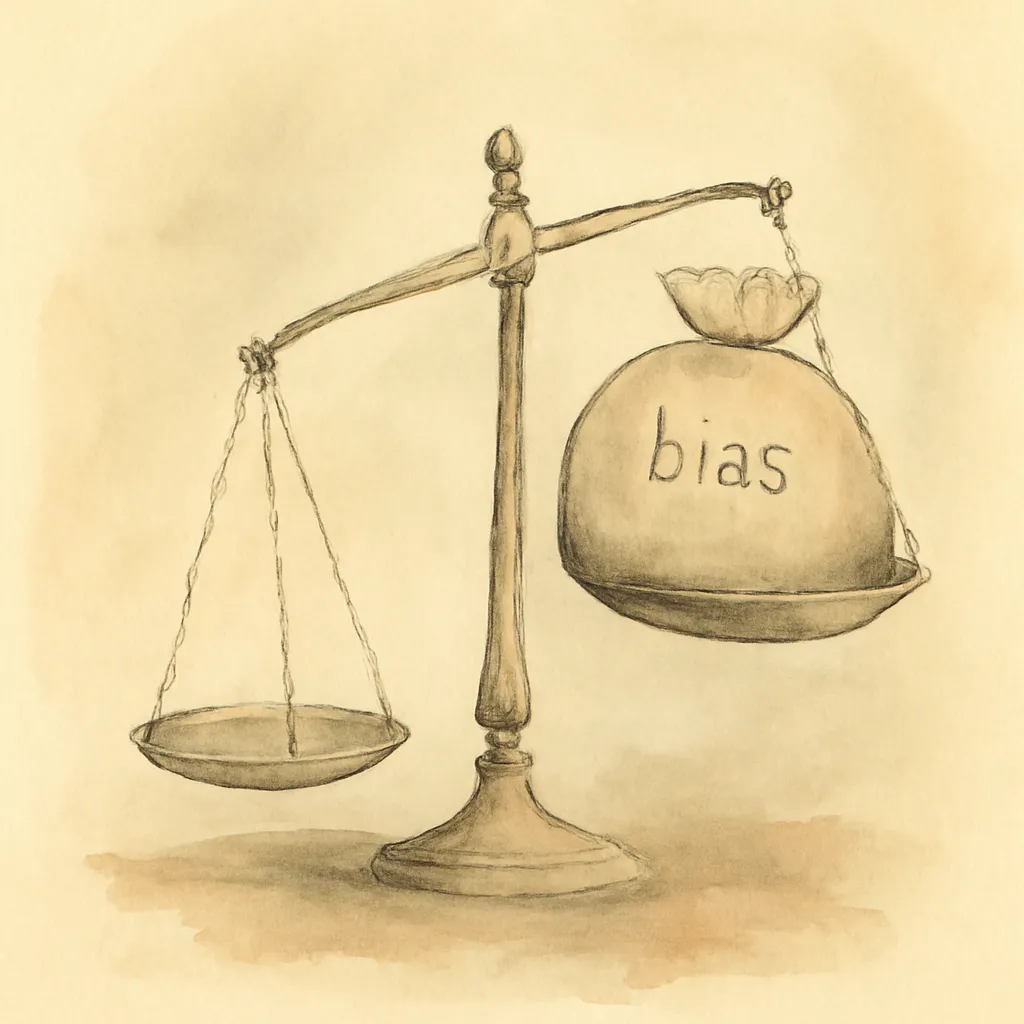
Traditional law and economics assumes people act rationally, maximizing their own interests. Sunstein shows that behavioral science reveals systematic departures from rationality—like overconfidence, loss aversion, and framing effects—that profoundly affect how laws work in practice. By integrating these findings, the book argues for a more realistic foundation for legal theory and policymaking.
2.The Power of Defaults and Choice Architecture
Sunstein highlights how the way choices are presented—'choice architecture'—can nudge people toward certain outcomes, often without them realizing it. Defaults, in particular, are powerful: people tend to stick with pre-set options, so legal defaults (such as organ donation or retirement savings) can have huge real-world effects. The book explores how policymakers can use these insights ethically to improve welfare.
3.Heuristics and Biases in Legal Contexts
Drawing on behavioral economics, Sunstein examines how cognitive shortcuts (heuristics) and biases—like availability, representativeness, and anchoring—impact everything from jury decisions to regulatory design. Recognizing these patterns helps explain why laws sometimes fail or produce unintended consequences, and suggests ways to design better legal frameworks.
4.Welfare and Paternalism
The book discusses the tension between respecting individual autonomy and promoting welfare. Sunstein introduces 'libertarian paternalism,' the idea that it's possible to steer people's choices for their own benefit while preserving freedom of choice. This approach, rooted in behavioral findings, underpins policy tools like nudges and default rules.
5.Implications for Regulation and Policy
Behavioral insights challenge the effectiveness of traditional regulations based on rational-actor assumptions. Sunstein explores how regulators can harness behavioral findings to craft smarter, more effective policies—such as disclosures, warnings, and simplified forms—that align with how people actually think and behave.
6.Ethical and Legal Limits
While behavioral tools can improve policy, Sunstein is attentive to ethical concerns: manipulation, transparency, and respect for autonomy. The book weighs the risks of overreach and the need for safeguards, arguing that behavioral law and economics must be deployed with care and democratic oversight.