1.The Haunting Power of Memory
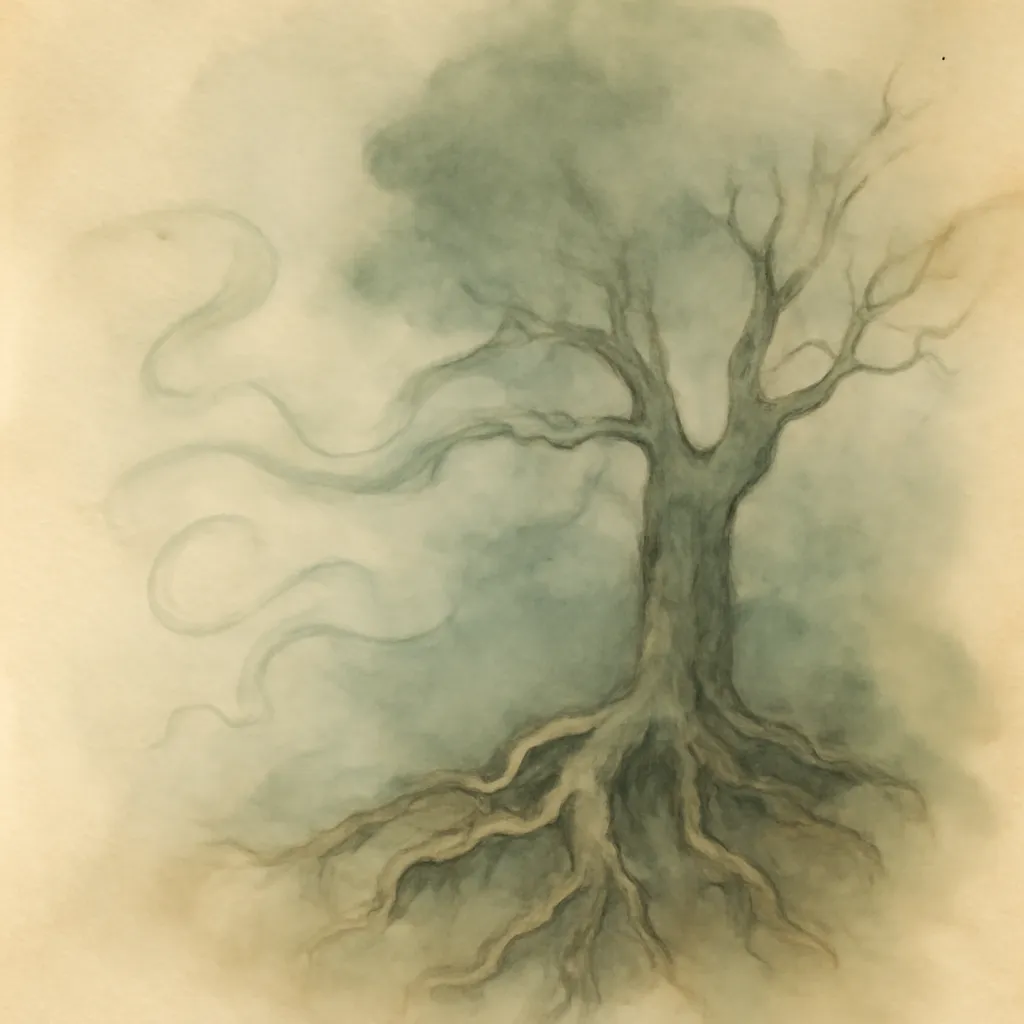
Beloved explores how the past is never truly past, especially for those who have survived trauma. Sethe and the other characters are constantly confronted by memories of slavery—sometimes as literal hauntings, sometimes as psychological burdens. The ghost of Sethe’s dead daughter is both a supernatural presence and a symbol of the inescapable, unresolved pain that shapes their lives. Morrison shows how memory can be both a source of identity and a prison, raising questions about whether healing is possible without confronting the horrors of the past.
2.Motherhood and Sacrifice
At the heart of the novel is Sethe’s desperate love for her children and the unthinkable choice she makes to protect them from slavery. Morrison examines the complexities of motherhood under extreme oppression, where love can lead to acts that defy conventional morality. The novel asks what a mother owes her children, and how trauma can distort even the most basic human bonds. Sethe’s actions force readers to grapple with the meaning of freedom, love, and the cost of survival.
3.The Legacy of Slavery
Beloved is not just a personal story; it is a national one. Morrison uses the characters’ experiences to illuminate the long-lasting effects of slavery on individuals, families, and communities. The novel critiques the ways in which American society has tried to suppress or sanitize this history, insisting on the necessity of remembrance. Through vivid storytelling and symbolism, Morrison demands that readers acknowledge the pain and humanity of those who lived through slavery.
4.Identity and Self-Reclamation
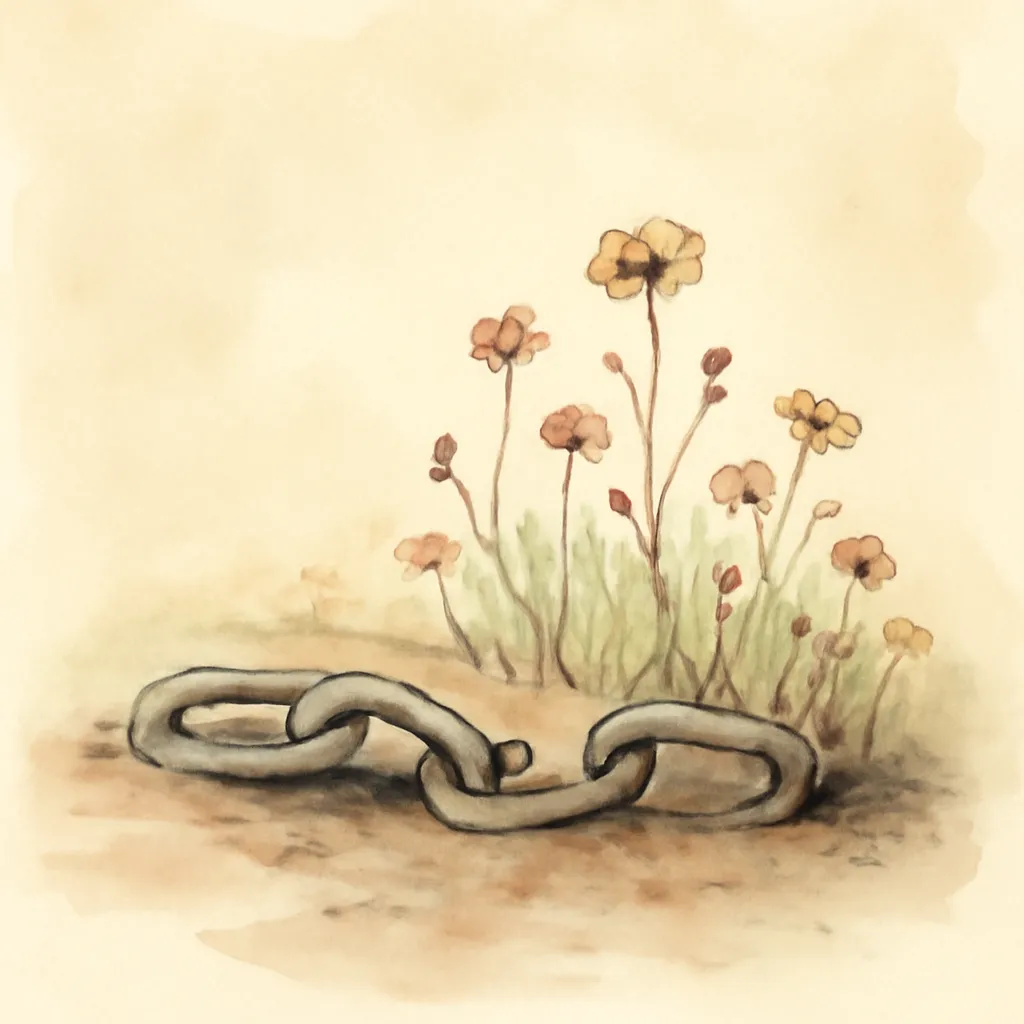
The struggle for identity is central to Beloved. Characters like Sethe, Paul D, and Denver must reclaim their sense of self after years of being treated as property. Morrison shows how trauma fragments identity, but also how storytelling, community, and love can help individuals rebuild themselves. The novel is ultimately about the possibility—and limits—of self-reclamation in the aftermath of dehumanization.
5.Community and Isolation
While the novel focuses on individual trauma, it also highlights the importance of community in healing. Sethe’s isolation in her haunted house is both a symptom and a cause of her suffering. The black community’s willingness—or reluctance—to support her reflects broader questions about solidarity, judgment, and forgiveness. Morrison suggests that healing from collective trauma requires both personal courage and communal empathy.
6.The Supernatural as Metaphor
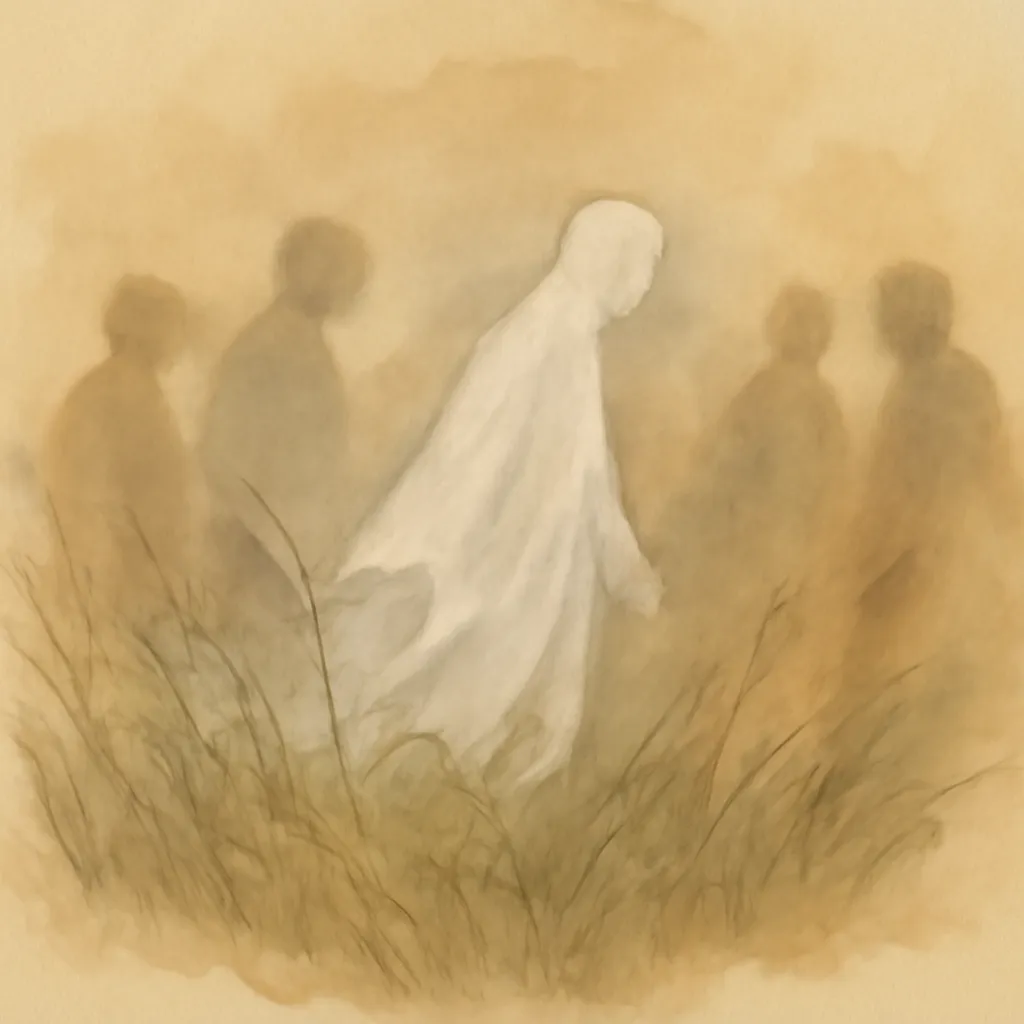
The ghostly presence of Beloved blurs the line between reality and the supernatural, serving as a metaphor for the unresolved grief and guilt of the past. Morrison uses magical realism to give voice to the unspeakable, making the horror of slavery palpable and immediate. The supernatural elements are not escapist, but rather forceful reminders that some histories refuse to be buried.