1.Betrayal and the Quest for Justice
At its core, Ben-Hur is propelled by a personal betrayal: Judah Ben-Hur’s childhood friend Messala falsely accuses him, leading to his enslavement. This act of treachery launches Ben-Hur on a quest not only for personal justice but also for the restoration of his family’s honor. The narrative examines how the thirst for revenge can consume and define a person, setting up a tension between human justice and higher, spiritual forms of justice.
2.The Transformative Power of Suffering
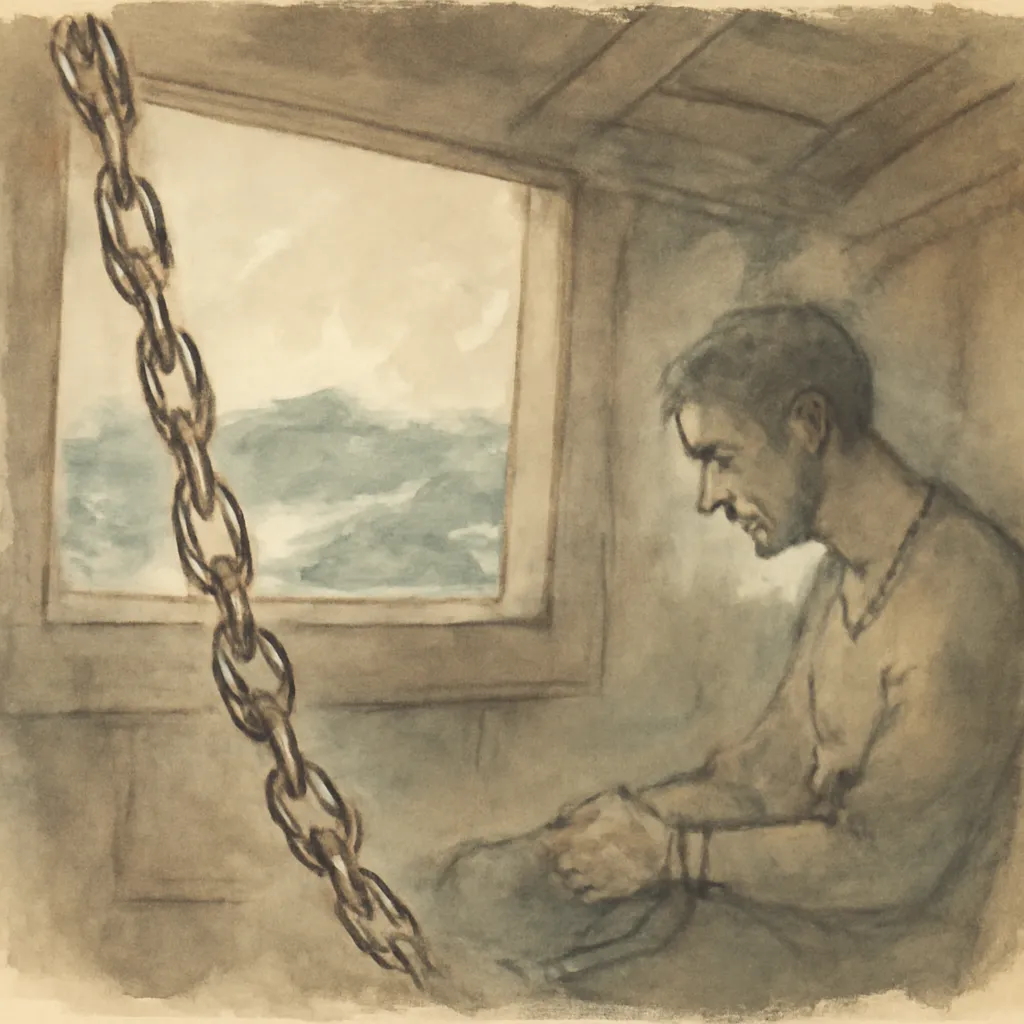
Ben-Hur’s years as a galley slave and subsequent hardships are not just plot devices—they serve as crucibles that strip away his former identity and pride. Suffering becomes a means of transformation, forcing Ben-Hur to confront his own limitations and the futility of vengeance. The novel suggests that suffering, while painful, can lead to humility and openness to spiritual truths.
3.The Emergence of Christianity
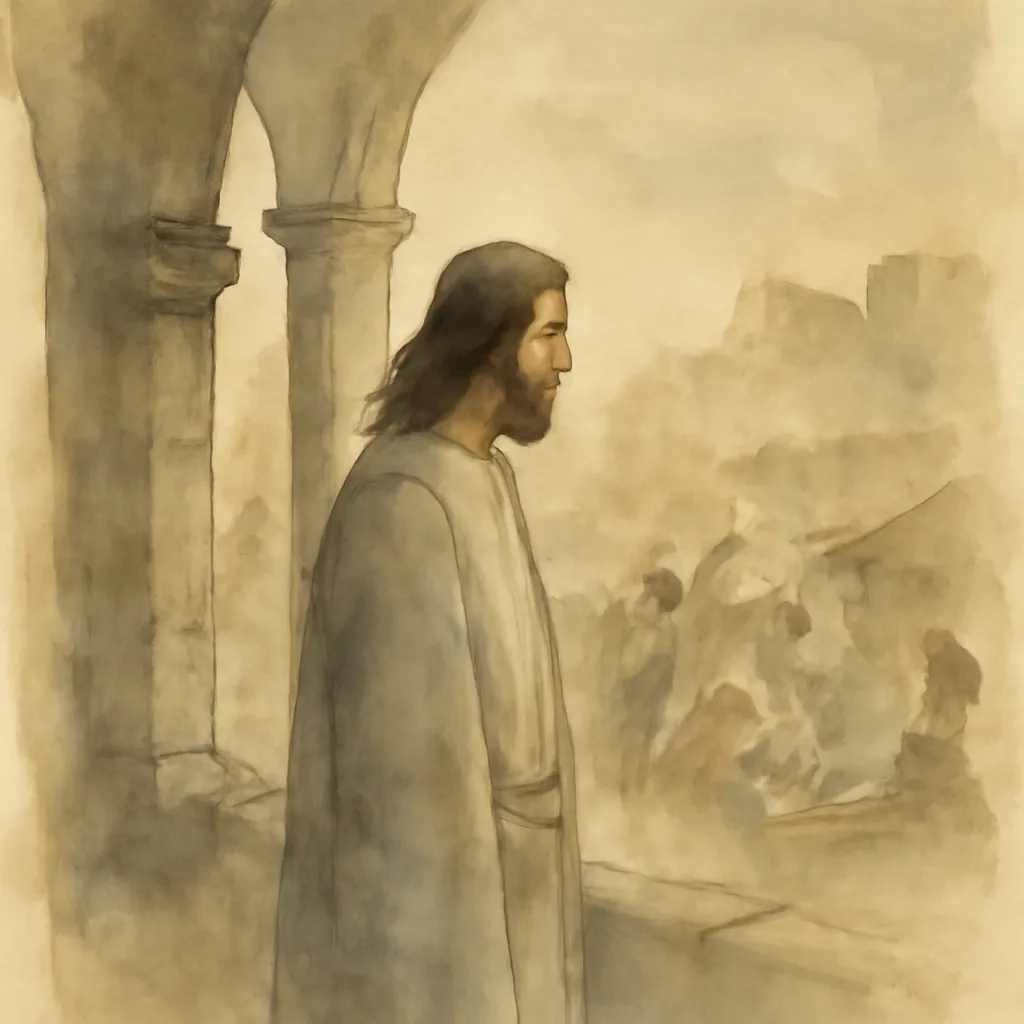
Set during the time of Christ, the novel weaves the story of Jesus into Ben-Hur’s personal journey. The presence of Christ is subtle but profound, offering a counterpoint to the violence and retribution that dominate the ancient world. Christianity is portrayed as a revolutionary force, introducing forgiveness, compassion, and hope where previously only power and retribution reigned.
4.Redemption and Forgiveness
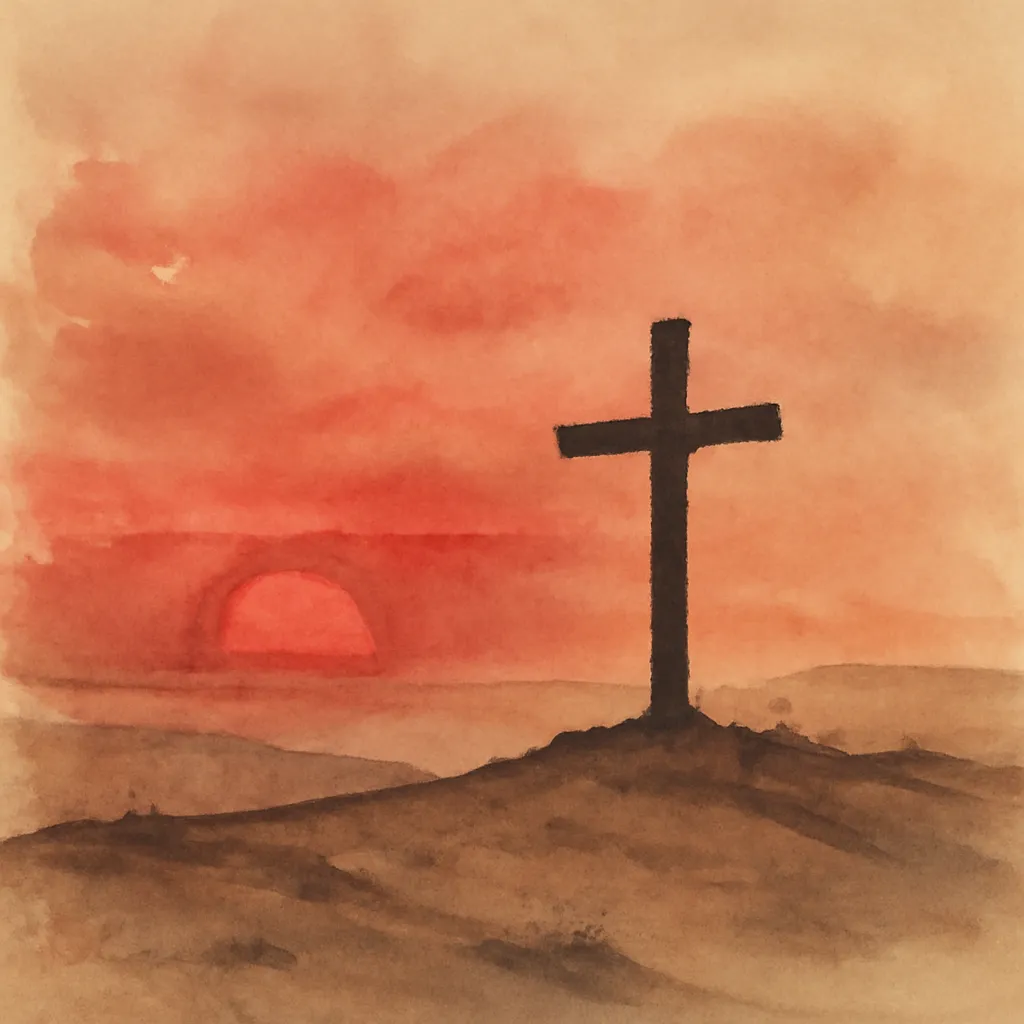
The climax of Ben-Hur’s story is not his victory in the chariot race or his revenge on Messala, but his encounter with Christ and the realization that true redemption is found in forgiveness. The novel’s Christian message is clear: letting go of hatred and embracing mercy is the path to inner peace and reconciliation. This theme resonates throughout, challenging readers to consider the costs and rewards of forgiveness.
5.Spectacle and Historical Detail
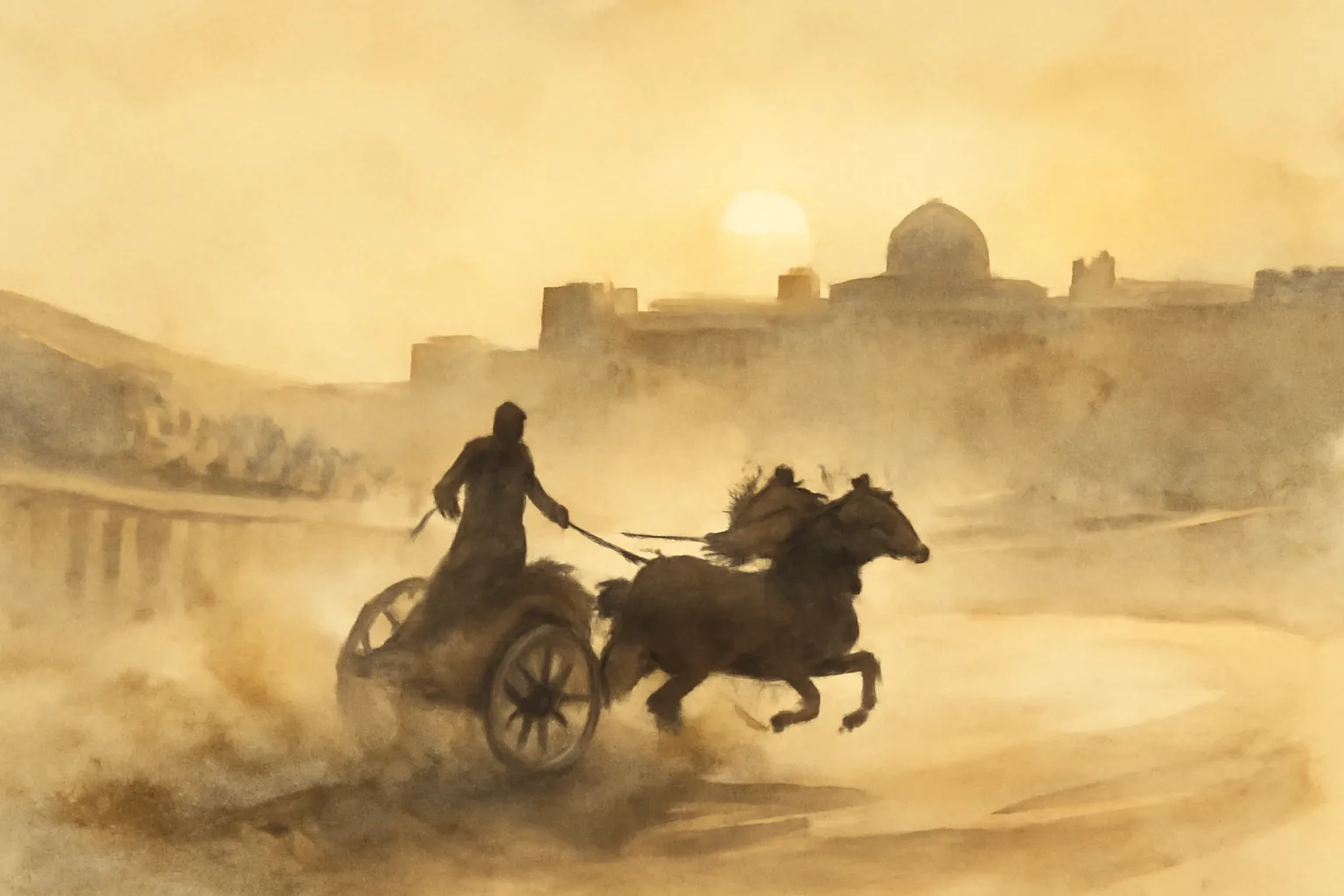
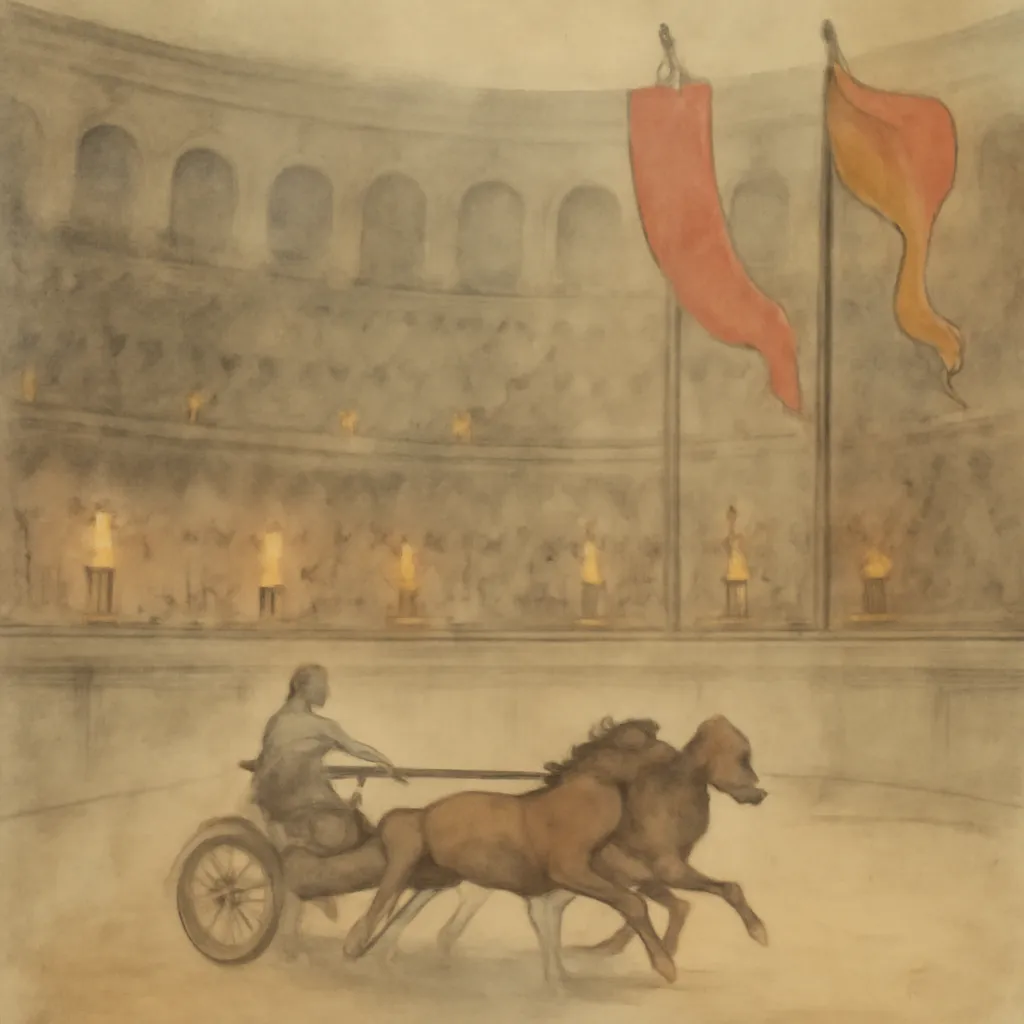
Wallace’s novel is famous for its vivid set pieces—most notably the chariot race, which remains one of literature’s most thrilling action sequences. Yet the book also immerses readers in the textures of Roman and Jewish life, providing a richly detailed backdrop that enhances the story’s realism and stakes. The historical setting isn’t just window-dressing; it deepens the novel’s exploration of cultural and religious conflict.
6.Faith Versus Empire
Ben-Hur dramatizes the tension between the might of Rome and the emerging message of Christ. The story contrasts the temporal power of empire—expressed through violence, spectacle, and law—with the spiritual authority of Jesus, whose influence is subtle but ultimately transformative. This clash of values is central to the novel’s enduring appeal.